
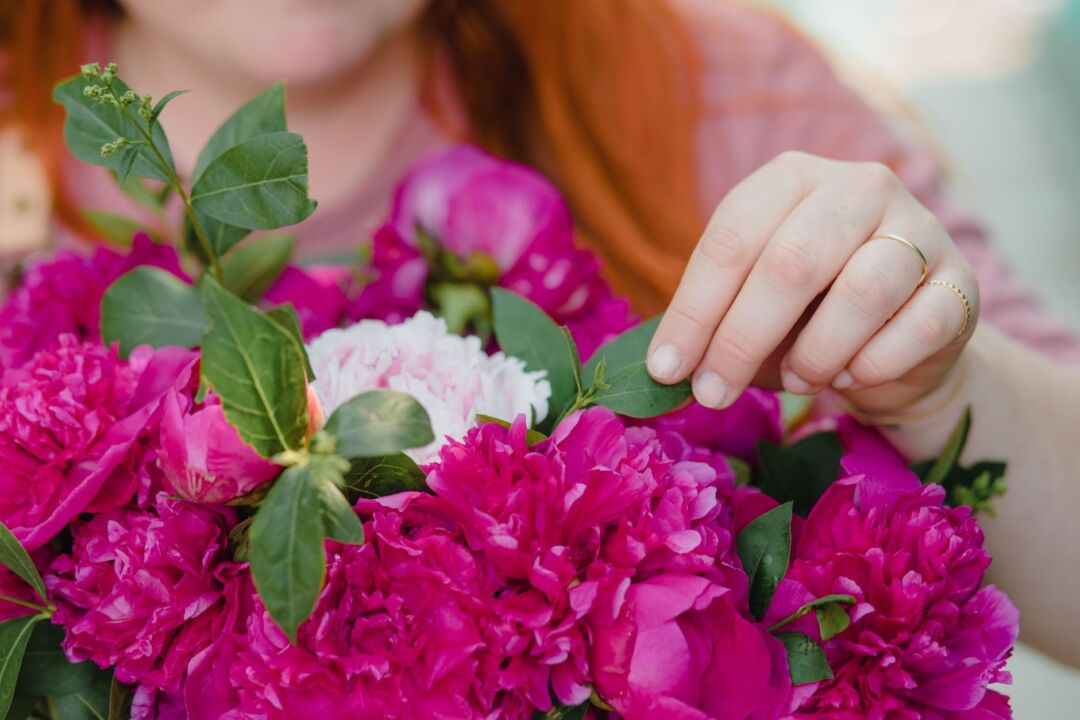
Choosing flowers that are naturally in season at your wedding month typically reduces your floral budget by 30 to 50 percent compared to importing the same varieties out of season. A single peony stem that a florist sources domestically in May for $5 to $8 wholesale can cost $15 to $25 in October, when it has to be flown in from South America. This guide is a practical availability calendar: twelve months of which flowers are at peak domestic supply, which carry an import premium, and how that affects your bottom line.
This is not a bouquet design guide. For arrangement styles and seasonal palette inspiration, our wedding bouquet ideas guide covers all of that. What you will find here is the planning tool most florists do not hand you upfront: a month-by-month map of availability so you can choose your flowers before your first consultation, not after you have already fallen in love with something expensive.
For full florist pricing benchmarks, see our wedding flower cost guide. This calendar focuses specifically on how your wedding month shifts those numbers.
- Budget impact: In-season flowers typically cost 30 to 50 percent less than the same variety imported out of season
- Best months for variety: August and September offer the widest range of in-season blooms in the US
- Priciest demand window: February, when Valentine’s Day pushes rose wholesale prices up at every supply level
- Year-round staples: Roses, orchids, hydrangeas, carnations, baby’s breath, and most greenery are available every month
- Best budget picks by season: Tulips and ranunculus (spring), zinnias and sunflowers (summer), chrysanthemums and marigolds (fall), carnations and anemones (winter)
- Key florist tip: Build your palette around one or two peak-season hero flowers, then fill the volume with year-round greenery and filler to keep total spend in range
Why your wedding month affects flower cost
A flower is in season when it is actively growing in the US or close enough, in Canada or Mexico, that it reaches your florist without long-haul air freight. Supply is high, quality is at its best, and per-stem pricing drops because farms are harvesting in volume rather than forcing blooms in a greenhouse or holding cold-stored inventory from months prior.
Out-of-season flowers still arrive at florists. A peony in October has traveled from South American farms, adding refrigerated freight cost to every stem. A dahlia in February requires greenhouse production or international sourcing that pushes the per-stem price well above summer rates. Those premiums show up directly in your quote.
Choosing seasonally does not limit your palette as much as couples fear. Most seasons carry ten to fifteen distinct wedding-worthy varieties at good prices, plus access to year-round staples. The main shift is which flowers anchor your arrangements and which you would pay a premium to include.
In-season wedding flowers by month
The table below lists the strongest in-season options for each month in the US, the flowers that carry a significant import premium that month, and the best budget pick. Roses, orchids, hydrangeas, carnations, baby’s breath, and most greenery are available year-round and are listed separately in the section that follows.
| Month | Peak in-season flowers | Import premium this month (avoid or budget up) | Best budget pick |
|---|---|---|---|
| January | Anemones, hellebores, amaryllis, paperwhites, ranunculus (early) | Peonies, dahlias, sunflowers | Anemones and winter greenery |
| February | Ranunculus, anemones, tulips (forced bulb), orchids | Peonies, dahlias; roses carry Valentine’s demand surcharge mid-month | Ranunculus and carnations |
| March | Tulips, daffodils, anemones, ranunculus, hyacinths | Peonies (not yet arriving domestically), dahlias, sunflowers | Tulips and daffodils |
| April | Peonies (arriving), tulips, ranunculus, sweet peas, lilac | Dahlias, sunflowers | Ranunculus and sweet peas |
| May | Peonies (PEAK), lily of the valley, lilac, sweet peas, garden roses (beginning) | Dahlias, sunflowers, chrysanthemums | Peonies, which are at their cheapest this month |
| June | Garden roses (PEAK), peonies (tail end), lisianthus, delphinium, hydrangeas, early dahlias | Tulips, lilac, lily of the valley (season ending) | Garden roses and lisianthus |
| July | Dahlias, zinnias, sunflowers, hydrangeas, lisianthus, cosmos, delphinium | Peonies, tulips | Zinnias and cosmos |
| August | Sunflowers (PEAK), dahlias, hydrangeas, zinnias, lisianthus, cosmos, stock | Peonies, tulips, lilac | Sunflowers and zinnias |
| September | Dahlias (PEAK), chrysanthemums, celosia, cosmos, scabiosa, amaranthus | Peonies (2 to 3x May price), sunflowers winding down | Dahlias and chrysanthemums |
| October | Chrysanthemums, marigolds, celosia, amaranthus, late-season dahlias | Peonies (most expensive month of the year), dahlias ending | Chrysanthemums and marigolds |
| November | Chrysanthemums, marigolds, ornamental berries, rose hips, winter greenery | Peonies, dahlias, sunflowers | Chrysanthemums and berry stems |
| December | Amaryllis, hellebores, anemones (returning), cymbidium orchids, paperwhites | Peonies, dahlias, sunflowers | Amaryllis and hellebores |

Spring wedding flowers (March, April, May)
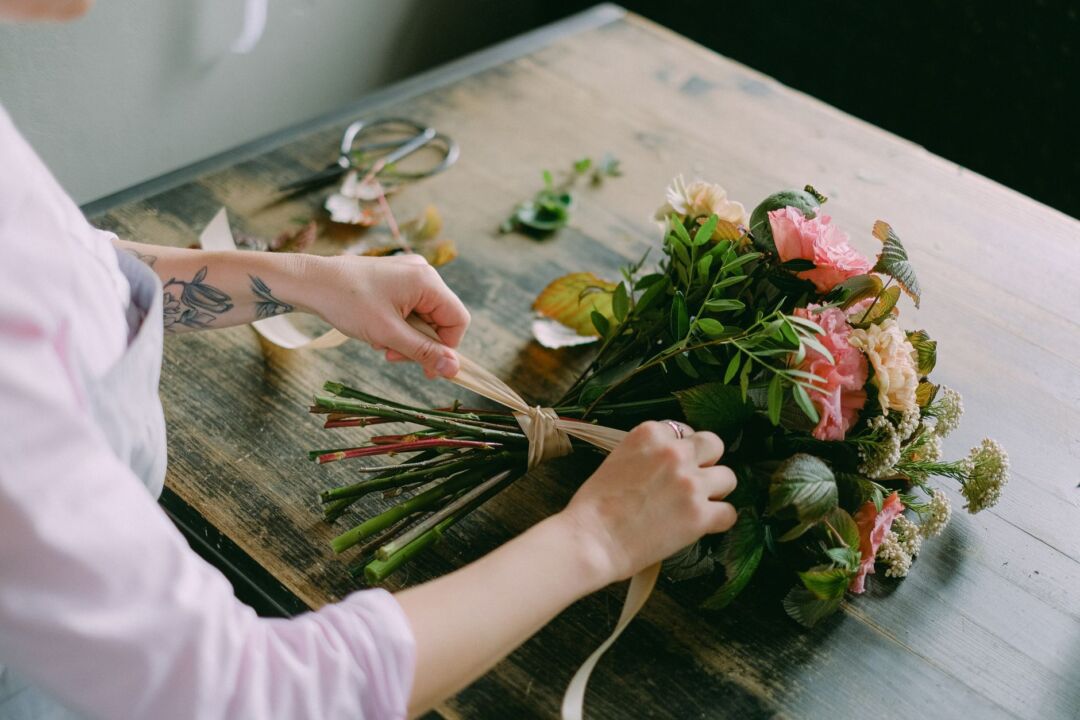
Spring is the most anticipated season for wedding flowers, and for good reason: it brings the most coveted blooms at their lowest prices. Peonies, which carry import premiums every other month of the year, become available domestically from late April and hit their cheapest in May at roughly $5 to $8 per stem wholesale. That same stem costs $15 to $25 imported in October. Ranunculus, tulips, sweet peas, and lilac all peak in spring and rarely require importing during this window.
The gaps in spring are summer and fall varieties. Dahlias, sunflowers, and chrysanthemums are not in season yet, so coupling peonies with dahlias requires importing the dahlias. A spring wedding centered on what the season already delivers, built around peonies and sweet peas with a backbone of roses, is both more affordable and more coherent in quality. For arrangement inspiration that works with a spring palette, our wedding centerpieces guide covers seasonal design ideas in full.

Good SpringDigital printing
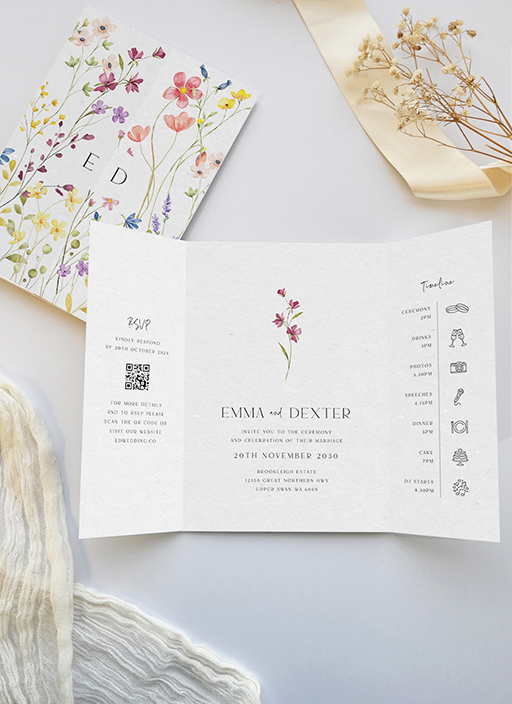
Wild MeadowDigital printing
Visco GardenDigital printing
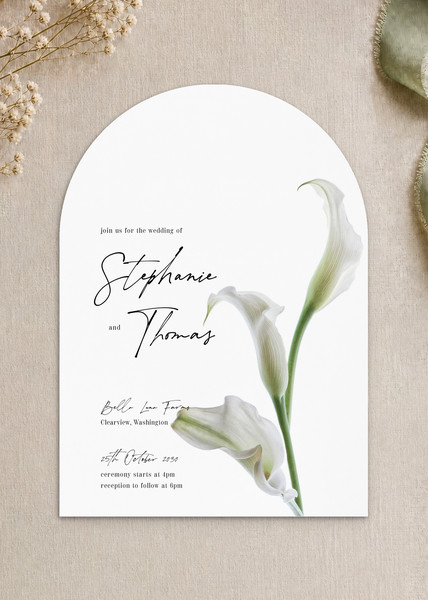
ArumsDigital printing
Summer wedding flowers (June, July, August)
Summer offers the widest variety of any season in the US. By June, garden roses are at their seasonal best and lisianthus and hydrangeas are in full production. Dahlias and zinnias are building quickly, and by late July and August you have simultaneous access to dahlias, zinnias, sunflowers, hydrangeas, cosmos, lisianthus, stock, and delphinium.
Sunflowers in July and August typically run $2 to $5 per stem wholesale, making them one of the most cost-effective focal flowers of the year. Zinnias and cosmos offer similar value with high visual impact. If your floral budget is tight, a summer wedding gives you the most abundance per dollar of any window in the calendar.
One trade-off: peonies are essentially finished by mid-June in most of the US. A request for peonies at a July or August wedding means importing, and florists price that honestly.
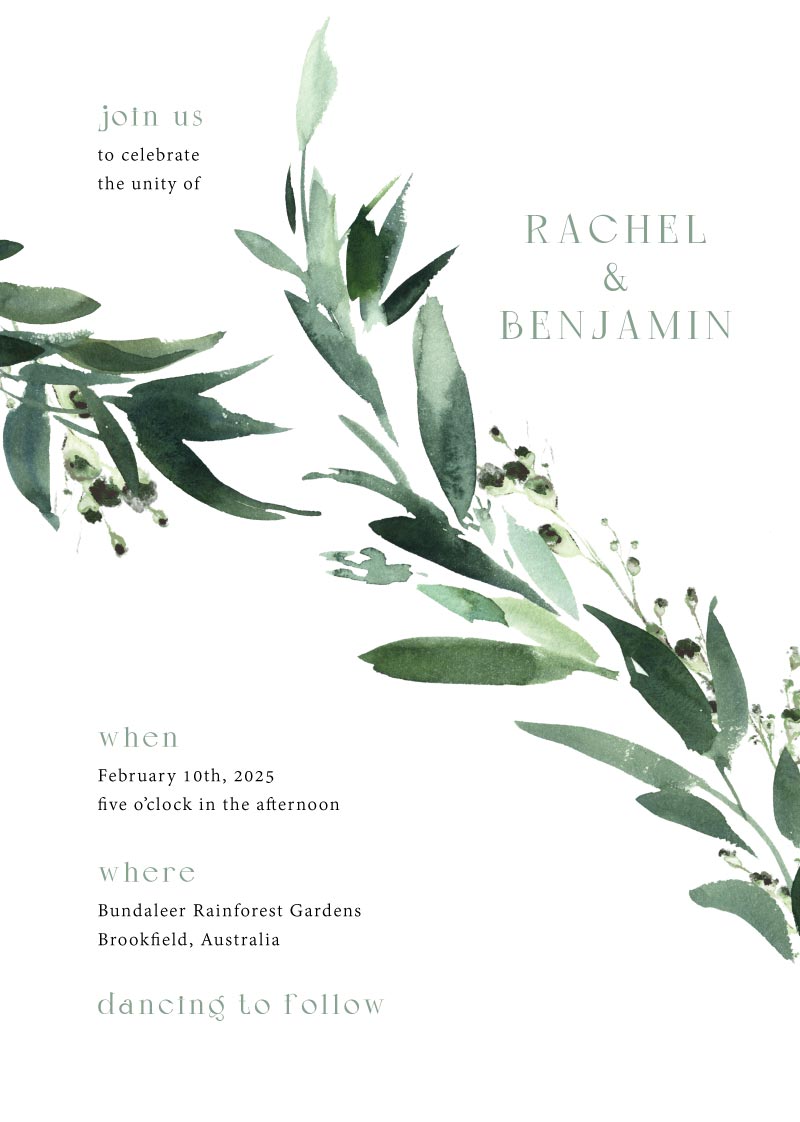
Love and LeavesDigital printing
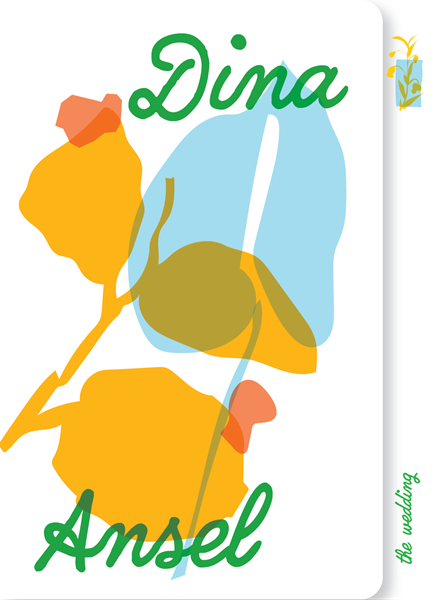
LimoncelloDigital printing
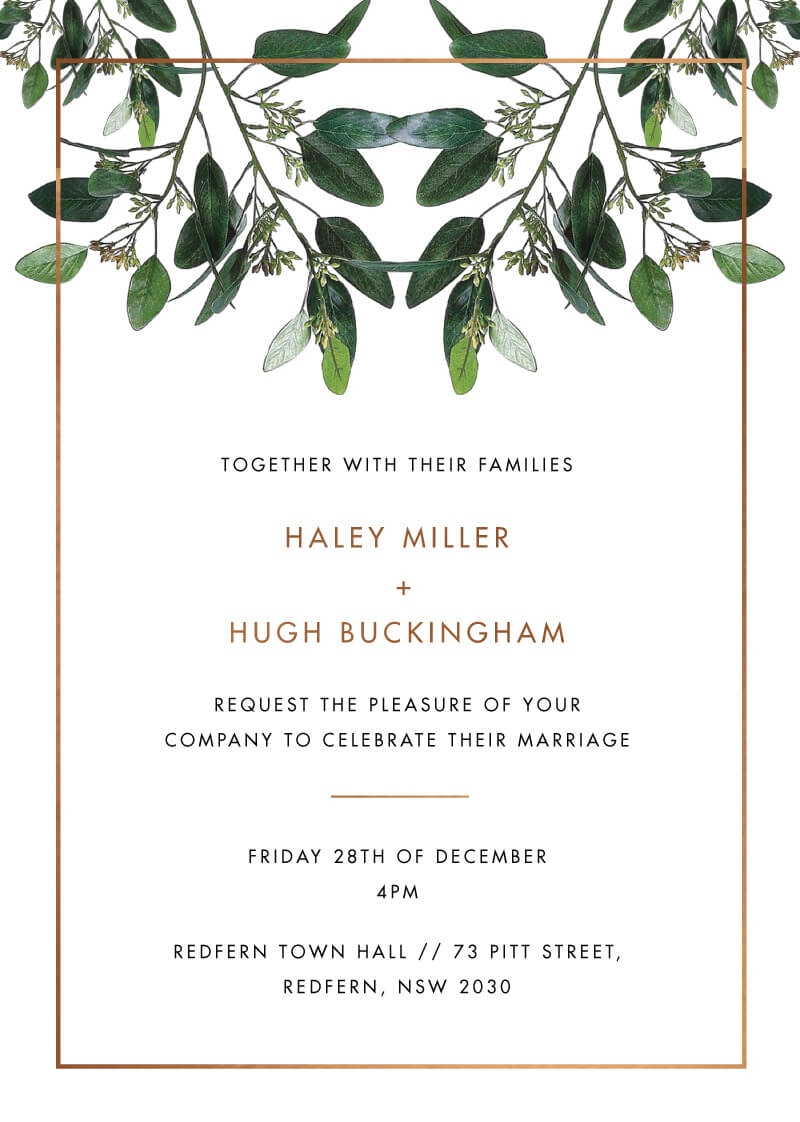
Garden EstateFlat foil

Natural GreeneryDigital printing
Fall wedding flowers (September, October, November)
Fall delivers a palette that no other season can replicate. Dahlias hit their true peak in September, with deeply saturated cafe au lait, burgundy, coral, and plum varieties available at domestic prices. Chrysanthemums, celosia, amaranthus, scabiosa, and marigolds extend the season through November with rich, moody tones. Ornamental berry stems and rose hips add texture that dried flowers rarely match.
What fall consistently lacks is anything from the spring palette. Peonies in October require South American sourcing and carry the highest import premium of any month, often two to three times the May price. Couples who are set on peonies for a fall wedding need to account for that line item explicitly. Florists who are honest will separate it in your quote so you can evaluate it directly.
October and November chrysanthemums are among the most affordable domestic options in the US floral market, available in volume with consistent supply. A fall wedding palette leaning on chrysanthemums, marigolds, and seasonal foliage can look far more intentional and luxurious than it costs.
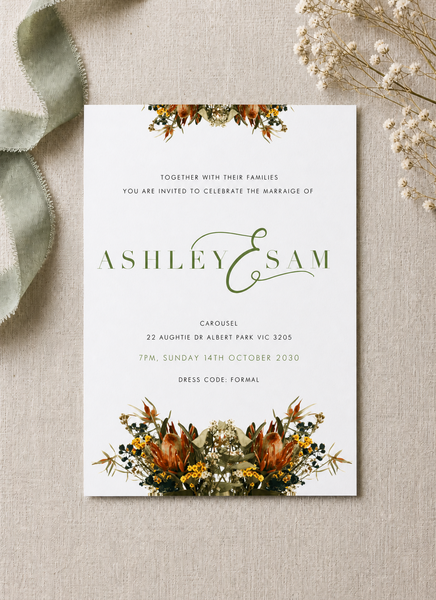
A Native CircleDigital printing

Terracotta ArchDigital printing

Love GardenDigital printing
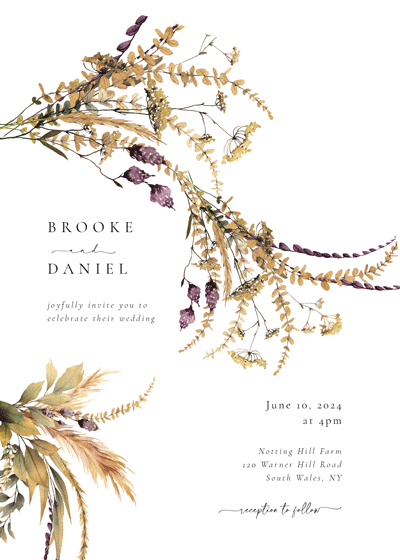
Autumn BouqetDigital printing
Winter wedding flowers (December, January, February)
Winter has the smallest in-season palette of any season, but the blooms it does offer are genuinely suited to wedding use. Amaryllis, hellebores, paperwhites, and anemones (which return in December) give white, blush, and burgundy tones. Cymbidium orchids are naturally in season through winter and well into spring. Most evergreen and eucalyptus varieties are continuously available and fill arrangements with structural depth.
February deserves a specific note. Valentine’s Day drives up demand for roses at every supply level in early to mid-February, and wholesale prices reflect it. Florists who are forthright about this will tell you upfront that rose pricing in February is simply different from the rest of the year. Couples planning a February wedding should confirm flower pricing several months out, not in the weeks before the event.
A winter palette built on hellebores, white ranunculus, anemones, and abundant greenery can read as entirely intentional and elevated while staying within a reasonable budget.
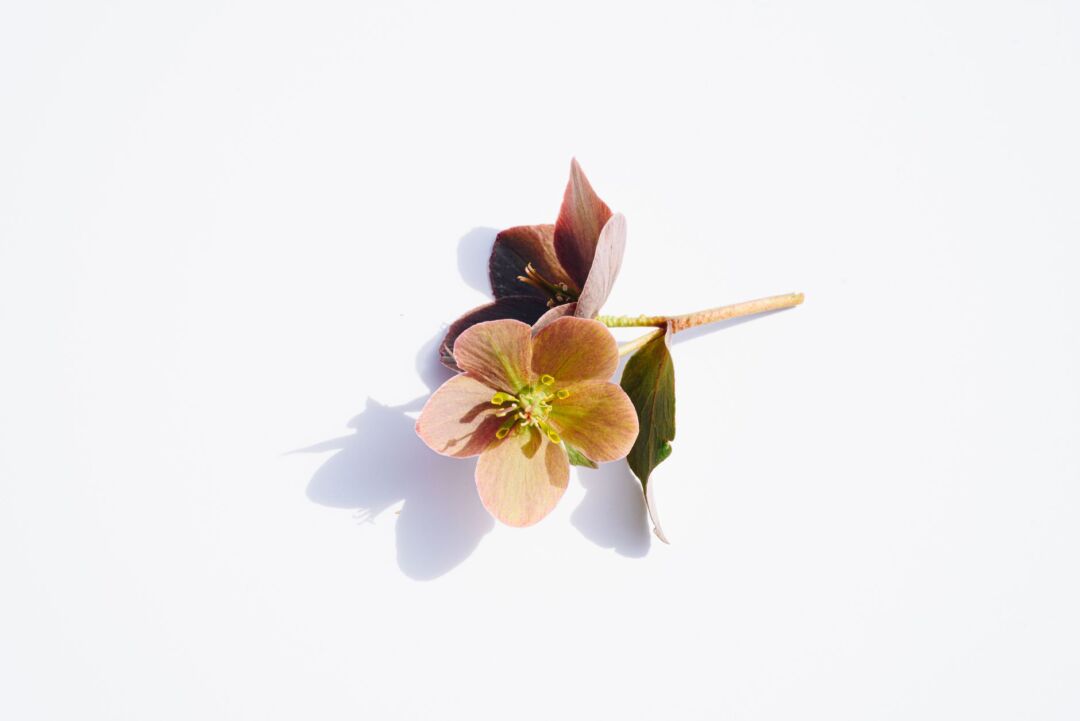


Flowers available year-round
Some varieties are in continuous commercial supply regardless of month. They form the foundation of most wedding arrangements and are worth understanding before you finalize a palette.
Roses are available in every month but are not flat-priced year-round. June through September are typically the best buying windows when domestic supply supplements imports. February carries the highest premium. Roses work as focal flowers or filler depending on the variety and grade.
Orchids (phalaenopsis, dendrobium, cymbidium) are consistently available year-round. They hold well after cutting, which makes them a practical choice for destination weddings or longer event timelines between setup and ceremony.
Hydrangeas add volume efficiently and are in reliable supply year-round, though some specialty varieties have shorter seasonal peaks. For high-volume arrangements, they are one of the best cost-per-impact flowers available.
Carnations are underrated as a budget filler. Available at low cost in every month, modern carnations in muted or dusty tones look far more sophisticated than their dated reputation. A carnation-forward arrangement paired with one or two seasonal hero stems can look intentional and cost a fraction of a fully imported spray.
Baby’s breath and eucalyptus are consistently available and affordable in every month. Most eucalyptus varieties and soft foliage types serve as the structural foundation of modern wedding arrangements at very low per-stem cost.
How seasonality changes your flower budget
To put the difference in concrete terms: a bridal bouquet built around peonies in May might use 20 to 25 stems at roughly $7 each wholesale, or $140 to $175 in flowers before the florist’s labor and markup. The same bouquet in October uses stems that cost $18 to $25 wholesale, pushing ingredient cost to $360 to $625 before markup. That single variety choice can move a bridal bouquet budget by $300 to $500 in flowers alone.
Scaled across centerpieces and ceremony installations, choosing seasonally versus importing against the season can shift your total floral spend from the high end of the $2,500 to $3,500 range The Knot cites as the national average toward the low end. For the full picture of how flowers fit into a complete wedding budget, our average wedding cost in 2026 guide provides national benchmarks, and the wedding budget breakdown shows how each vendor category stacks up.
Four ways to save by choosing in-season flowers
1. Fix your month, then choose your palette. The table above shows what is abundant and affordable in your specific month. Work from that list before you look at inspiration images. Starting from what is seasonal keeps you out of the trap of choosing a palette that requires expensive imports.
2. Ask your florist which variety they are most excited about right now. Experienced florists have grower relationships and genuine enthusiasm about what is at peak quality for any given week. That enthusiasm usually translates to better pricing and extra attention in the arrangement.
3. Use greenery and filler as volume, not afterthought. In-season greenery is almost always affordable. A generous arrangement with more eucalyptus and seasonal foliage and fewer premium stems can look more abundant and lush than a tight cluster of costly imported focal flowers.
4. Avoid rose peak-demand windows if roses are central. June through September or November are generally better months to source roses without a demand premium than February or Mother’s Day weekend. If your date falls near either of those windows, confirm pricing with your florist early.
Before your first florist meeting, it is worth knowing what questions to ask about seasonal availability, contract terms, and how pricing is structured. Our questions to ask your wedding florist guide covers the full list. If you are also weighing whether to arrange flowers yourself, the DIY vs. professional florist comparison lays out the honest trade-offs.
Once your date is set, tell your people
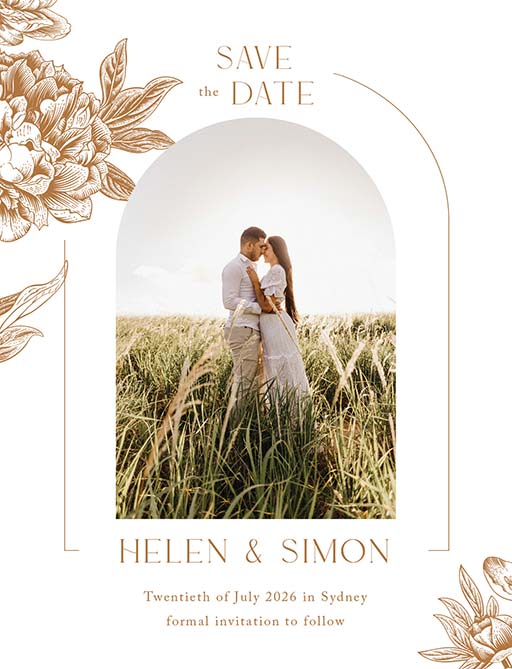
Locking in a wedding month means you can start everything from choosing your seasonal palette to getting save-the-dates out the door. Whether you are planning a May ceremony surrounded by peonies or a September celebration full of dahlias, beautiful save-the-dates give your guests the lead time they need to plan around your day. Pair them with matching wedding invitations for a suite that sets the tone before a single bloom is arranged.
LinearDigital printing
Garden windowDigital printing
Jin MudanDigital printing

Stylistically GreenDigital printing
FAQ
What flowers are in season in May for a wedding?
May is the peak month for peonies in the US, with domestic wholesale prices typically running $5 to $8 per stem. Lilac, lily of the valley, sweet peas, ranunculus (late May), and garden roses (beginning) are also in strong supply. May is the easiest and most affordable month to center a wedding palette on peonies.
Which season has the most affordable wedding flowers?
Summer (June through August) offers the widest variety at the lowest prices. Sunflowers, zinnias, cosmos, lisianthus, dahlias, and hydrangeas are all in season simultaneously, giving you abundant options without import premiums. Fall is close behind, with dahlias, chrysanthemums, and marigolds at domestic prices through October.
What wedding flowers are hard to source in fall?
Spring varieties including peonies, tulips, sweet peas, and lilac require overseas sourcing in fall. Peonies in October consistently carry the highest import premium of the year, often two to three times the May domestic price. If peonies are important to your fall wedding, that line item needs extra budget room.
Are there wedding flowers available year-round?
Yes. Roses, hydrangeas, orchids (phalaenopsis, dendrobium, cymbidium), carnations, baby’s breath, and most greenery and eucalyptus varieties are available every month. Their prices shift with season and demand, but availability is consistent throughout the year.
Why are February wedding flowers more expensive?
Valentine’s Day drives up demand for roses at every level of the supply chain in early to mid-February. Wholesale prices spike and florists pass that through to couples. If you are having a February wedding, confirm flower pricing several months in advance rather than close to your date.
How much can I realistically save by going in-season?
Florist sourcing resources consistently cite 30 to 50 percent savings when comparing in-season flowers to the same variety imported out of season. The gap is largest on highly seasonal varieties: peonies in May versus October and dahlias in August versus February can show two to three times the per-stem cost difference.
Whatever blooms your season brings, your stationery can echo the palette. The Paperlust sample pack lets you feel the paper and print quality before you order your invitations.