

The short answer: a big wedding suits couples with a large social network they genuinely want to celebrate with and a budget to match; choose a small wedding if intimate connection and total cost efficiency matter more than covering your full guest list.
That framing hides one counterintuitive wrinkle: per-guest cost is almost always higher at a small wedding, not lower. The biggest wedding expenses (photographer, DJ, venue staffing, your attire, florals) cost roughly the same whether you invite 40 people or 160. Spread those fixed costs across 40 guests and each person costs more on paper, even though your total check is far smaller. Understanding that math is the key to making a clear-headed decision rather than a gut-feel one.
Here is the full picture.
- Average US wedding cost, 2026: $34,200 (The Knot Real Weddings Study), with most couples hosting around 117 guests
- Zola 2026 average: $36,000; WeddingWire puts the national figure close to $30,000
- Average cost per guest (full-size wedding): roughly $290 to $292 per person
- Small wedding total (20-50 guests): typically $5,500 to $22,000 depending on venue and catering style
- What scales with guest count: catering, bar, seating, table florals, stationery, favors
- What stays roughly fixed: photography, videography, DJ or band, officiant, attire, bridal party florals
- Trend: 18% of US couples married with 50 or fewer guests in 2024, up from 10% in 2013
Big wedding vs. small wedding: at a glance
| Factor | Small wedding (under 75 guests) | Big wedding (100+ guests) |
|---|---|---|
| Total cost | $12,000 to $28,000 typically | $35,000 to $70,000+ |
| Cost per guest | Higher (fixed costs over fewer people) | Lower per head, but total spend is much higher |
| Atmosphere and energy | Intimate, personal, unhurried | Festive, high-energy, celebratory |
| Time with each guest | Genuine conversation with everyone | Brief interactions with many guests |
| Venue flexibility | Wide: restaurants, estates, backyards | Limited to spaces seating 100+ |
| Planning complexity | Moderate: fewer vendors, simpler logistics | High: more coordination, more moving parts |
| Guest list pressure | High: every cut is a deliberate decision | Low: most people in your life can be included |
| Best for | Connection-first couples watching total spend | Large social networks; couples who love a big celebration |
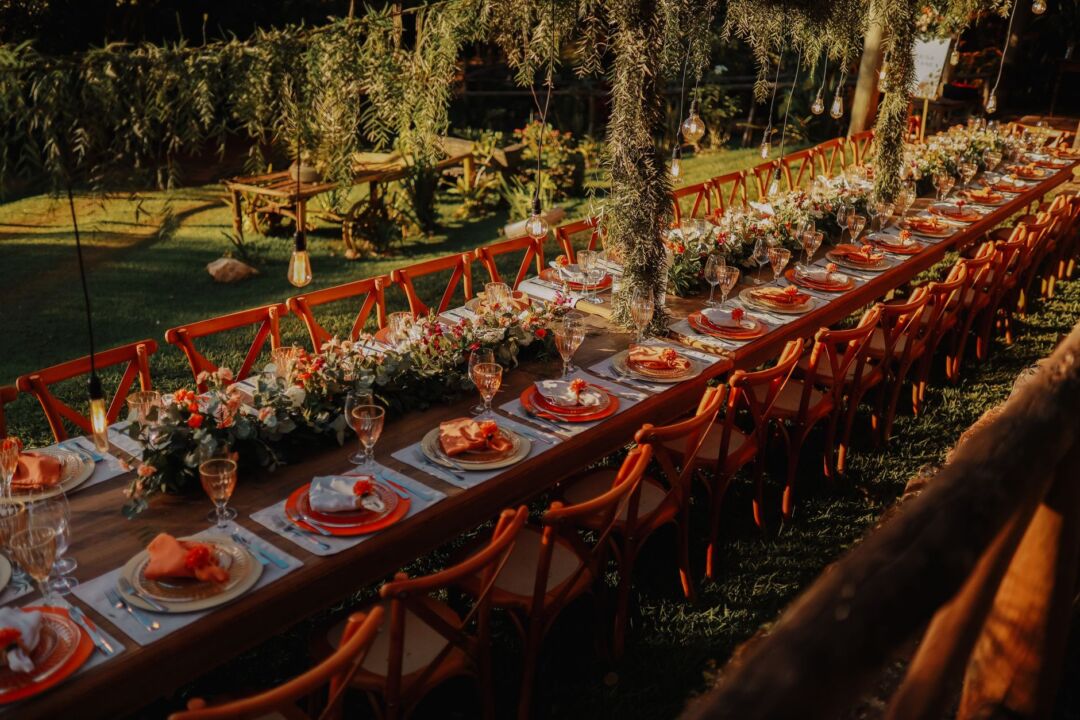

The case for a big wedding
Everyone who matters can be there. The clearest advantage of a large guest list is that you do not have to make hard cuts. Extended family, longtime friends from different life chapters, coworkers you genuinely care about, and your parents’ social circles can all be included. For many couples, the friction of explaining to a cousin or a close childhood friend why they did not make the cut creates more stress than managing a larger budget. A big wedding removes that problem entirely.
The atmosphere is genuinely different. Two hundred people on a dance floor create an energy that a dinner for 40 simply cannot match. If you grew up going to large family weddings and that is the emotional register you associate with the occasion, a small gathering may feel quiet in a way that disappoints rather than pleases. For some couples, the scale of a big wedding gives the day a weight and festivity that genuinely matches how much the occasion means to them.
Per-guest cost drops as the list grows. Because fixed vendor costs are shared across more people, inviting 160 guests instead of 80 can actually lower the cost-per-head, even though your total bill is significantly higher. The main variable that scales directly with headcount is catering and bar. On the margin, each additional guest costs less than the average, which means a larger list is more cost-efficient per person than a smaller one.
Established vendors are built for scale. In most US markets, the most experienced catering teams, high-capacity photographers, and full-service planners are geared toward 100 to 200 guests. A large wedding opens up more proven vendor options, not fewer.
The case for a small wedding
The total dollar spend is meaningfully lower. A wedding for 50 to 75 guests in 2026 typically runs $15,000 to $25,000. According to The Knot’s 2026 Real Weddings research, the average cost per guest at a full-size wedding is roughly $292. At 60 guests versus 120, that baseline math alone saves $17,500, before accounting for the smaller venue and lower catering minimums that come with an intimate event.
You get real time with every guest. At a 200-person reception, most couples have under two minutes per guest if they want to reach everyone during cocktail hour and dinner. At a 40-person dinner, an actual conversation with every person there is realistic. For many couples, the memory they want is a day they genuinely lived alongside the people they love, not one spent in a circuit of brief hellos.
Venue options expand dramatically. A guest list under 75 unlocks spaces that simply do not work for 150 people: private dining rooms at restaurants you love, boutique vineyard cottages, historic houses, backyard gardens, brewery taprooms, and intimate outdoor settings. These are often more distinctive and personal than a large hotel ballroom, and they cost significantly less.
Planning is materially simpler. Coordinating 50 guests instead of 200 cuts your vendor count, simplifies your catering tier, shortens the day-of timeline, and reduces seating logistics. For couples who find wedding planning stressful, a smaller wedding is not just cheaper, it is a genuinely easier process from start to finish.
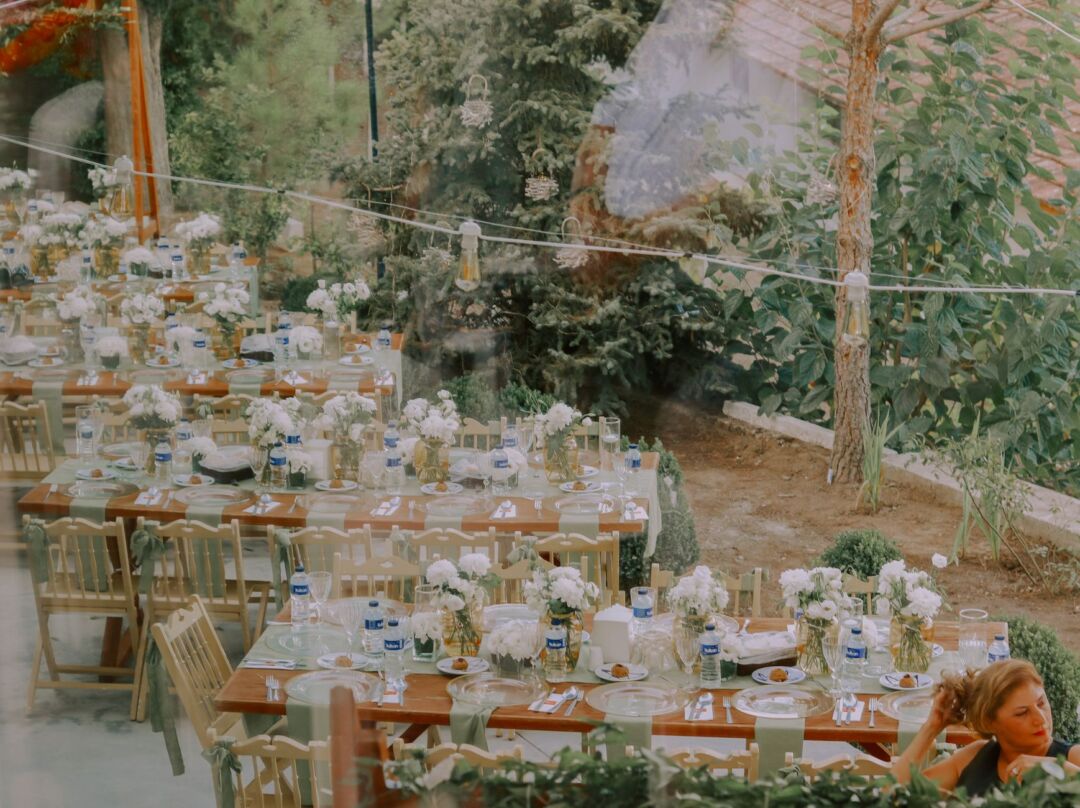
Guest count thresholds that flip the math
Understanding where the numbers actually shift helps you make a more precise decision. These are the breakpoints that matter.
Under 50 guests (micro-wedding territory). Fixed vendor costs dominate your budget at this scale. Your photographer, videographer, officiant, cake, florals, and DJ cost roughly the same as they would for a 120-person event; you are simply spreading them across a much smaller group. Per-guest cost commonly reaches $400 to $600, even though your total bill is the lowest of any format. Total spend: roughly $8,000 to $20,000.
50 to 75 guests. A sweet spot for many couples. You have enough scale for real atmosphere and a proper dance floor, the guest list has genuine depth, and your total spend stays well below the national average. This range sits below the headcount minimum most large venues require, and above what feels uncomfortably exclusive. Most couples in this band spend $15,000 to $28,000.
75 to 100 guests. The crossover zone. Fixed costs are now distributed enough to bring per-guest spend closer to the national average, but total spend has climbed into the $25,000 to $40,000 range for most US markets. You are in large-venue territory in most cities, and planning complexity increases noticeably.
100 to 150 guests. The standard US wedding size. The Knot’s 2026 data puts the average at 117 guests. At this scale, fixed costs are well distributed, per-guest catering is the main driver, and most mid-size venues work comfortably. Total budgets typically run $30,000 to $50,000.
150+ guests. Large-wedding territory. Total costs climb quickly because catering, venue capacity, staffing, and rentals all scale with headcount. Per-guest cost may be lower than a micro-wedding, but the absolute spend is the highest of any format. Budget $50,000 and up in most major US markets.
Choose a big wedding if…
- You have a large family or friend network and excluding anyone creates genuine distress
- You are energized by large gatherings and want a high-energy, celebratory atmosphere on the day
- Cultural traditions, family expectations, or family dynamics make a small gathering impractical
- Your combined budget is comfortably above $35,000 and you are not stretching to reach it
- You are marrying in a region with lower baseline vendor costs (Midwest and South typically offer more for less than Northeast and West Coast)
- A large celebration is your genuine vision and you would regret scaling it down
Choose a small wedding if…
- Intimate connection with every guest matters more than covering your full network
- You want to keep total spend under $25,000
- You are drawn to non-traditional venues that cannot accommodate 100 or more guests
- You find wedding planning stressful and want fewer vendors, fewer logistics, and fewer decisions
- You want to put more of your budget into quality per person rather than quantity of guests
- You would rather direct the savings toward a honeymoon, a home down payment, or your first year together
- A close-knit, personal day resonates more with you than the scale and energy of a large celebration
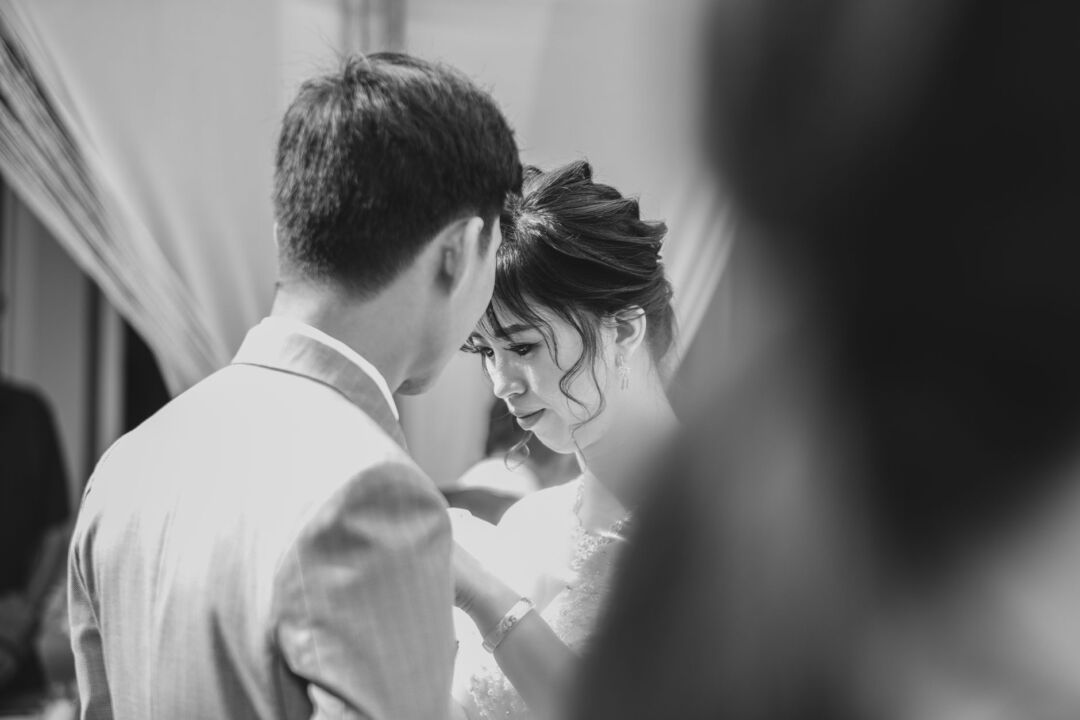
Once your guest count is set, the invitations follow directly
Whether your list is 45 or 175, the number you land on drives your venue search, your catering budget, your stationery quantities, and your save-the-date timeline. The moment you commit to a count, two things follow: finding a venue that fits and letting people know the date is coming.
For guests who need to book travel or plan ahead, a well-designed save-the-date gives them enough lead time to make it work. Once your venue is locked and the date is confirmed, your wedding invitations carry all the formal details of the day. Paperlust designs and prints both, with designer proofs delivered within 1 to 2 business days, two rounds of revisions included at no extra cost, and free white envelopes with every order. Free DHL express shipping on international orders over $350 USD.
For the full cost picture at every guest count, the average wedding cost guide for 2026 shows what couples actually spend across small, mid-size, and large weddings. The wedding budget breakdown shows how to allocate across each line item once your headcount is set. And if you are working through the full planning sequence alongside this decision, how to plan a wedding covers the complete process from venue search to day-of coordination.
FAQ
What is the difference between a big and small wedding?
Most planners consider a big wedding to have 100 or more guests, with large weddings typically running 150 and above. A small wedding generally falls in the 50 to 75 guest range, and a micro-wedding is usually fewer than 50. The definitions are not rigid, but the cost, venue, and planning differences become significant around these thresholds. The national average in 2026 is approximately 117 guests, per The Knot Real Weddings Study.
Does a small wedding actually save money?
Yes, meaningfully in total. A 60-person wedding in 2026 typically costs $15,000 to $25,000, compared to $35,000 to $55,000 for a 120-person wedding. The savings come primarily from venue size, catering headcount, and simpler staffing needs. Fixed vendor costs (photographer, cake, DJ, florals) stay largely the same regardless of guest count, so the per-guest cost is actually higher at a small wedding even though the total bill is lower.
Is cost per guest lower for a big or small wedding?
Cost per guest is typically lower for a bigger wedding, because fixed vendor costs are divided across more people. The Knot 2026 data puts the national average at about $292 per guest. At 50 guests, per-person spend can reach $400 to $600, even though your total bill is a fraction of what a 150-person wedding costs.
What is the ideal guest count for a wedding?
There is no single right answer; it depends on your priorities. The national average in 2026 is about 117 guests. Couples who prioritize intimacy and budget typically choose 50 to 75 guests. Couples with large family networks or who want a high-energy celebration tend to go 100 to 150 or more. The best number is the one that reflects your actual vision for the day.
Can you have a full wedding experience with a small guest list?
Yes. Couples with 40 to 60 guests routinely have a full wedding party, formal ceremony, seated dinner, first dance, and cake cutting. Small just means fewer total guests; every other element of the day is entirely your choice. Many couples find that venue options actually improve at smaller counts because boutique and character-filled spaces become available.
How do you decide who to invite to a small wedding?
This is typically the hardest part of planning a small wedding. The most common approaches: immediate family first, then close friends with no exceptions for peripheral connections; or a set number per partner, split evenly. Having a clear and consistently applied rule reduces the awkwardness of specific exclusions. Some couples with tight guest lists host a separate celebration party for a broader circle, separating the intimate ceremony from the wider social celebration.
Whatever size you land on, the guest list starts with the invitations. The Paperlust sample pack lets you compare paper and print finishes before you order for your headcount.