
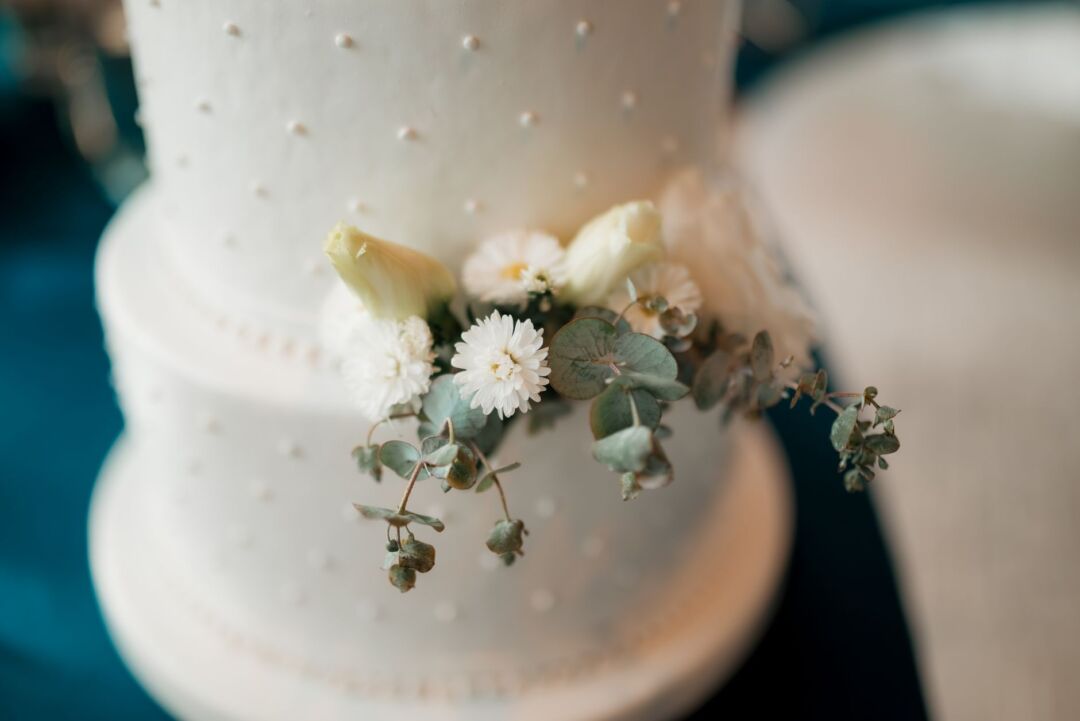
The short answer: a sheet cake suits couples who want to feed a big guest list for less and do not mind a simpler presentation; choose a tiered cake if the cake-cutting moment and a showpiece dessert matter to you, and consider the hybrid to get both.
That verdict sets up a false choice for most couples with 100 or more guests. The smartest budget move is a hybrid: a small tiered display cake for the cutting photo plus sheet cakes cut in the kitchen. You get the visual moment and the tradition without paying per-tier decorating labor on every serving. More on that below.
Here is what you need to know to make the right call for your wedding.
- Average tiered wedding cake cost (US, 2026): $5 to $8 per serving; most couples spend $500 to $800 for 100 guests (The Knot Real Weddings Study)
- Sheet cake per serving: $3.00 to $4.50 at most bakeries; savings of 30% to 55% vs. a decorated tiered cake
- Full sheet cake (18×24 inches): serves 48 to 96 guests depending on slice size
- The cake-cutting moment: a tiered cake is expected at most receptions; a sheet cake is typically cut in the kitchen, out of guest view
- Flavor variety: sheet cakes are easy to order in multiple flavors at no extra design cost
- The hybrid: a small 2-tier display cake for cutting ($200 to $400) plus sheet cakes served from the kitchen is the most popular cost-saving move for weddings over 100 guests
How sheet cake and tiered wedding cake compare
| Factor | Sheet Cake | Tiered Wedding Cake |
|---|---|---|
| Cost per serving | $3.00 to $4.50 (undecorated or simply finished) | $5.00 to $12.00 depending on tiers, design complexity, and buttercream vs. fondant |
| Total cost (100 guests) | $300 to $450 | $500 to $1,200+ |
| Guest-count scaling | Very practical: add a half sheet per 30-40 guests | Less flexible: larger guest counts require more tiers, raising design complexity and cost |
| Presentation / wow factor | Minimal: sheet cakes are plain by design and cut in the kitchen | High: a multi-tier cake is a visual centerpiece that can match your wedding decor |
| The cake-cutting moment | Not typical: no cutting ceremony is possible with a kitchen-only sheet cake | Traditional: the cutting moment is built into the reception timeline and produces iconic photos |
| Flavor variety | Easy: each sheet can be a different flavor at little or no extra cost | Possible but each additional flavor may add to the design fee |
| Effort and logistics | Simpler to transport and store; no structural risk in warm weather | Requires careful transport, professional setup, and a delivery window at the venue |

The case for a sheet cake
Sheet cakes are the most cost-efficient way to serve wedding cake at a large reception. The savings come from labor. A decorating team does not spend hours adding fondant panels, sugar flowers, or intricate piping to every tier. A sheet cake is typically a single-layer rectangle with simple frosting, which cuts production time and passes the savings on to you.
At $3.00 to $4.50 per serving, a sheet cake feeding 150 guests costs roughly $450 to $675. A fully decorated three-tier cake serving the same crowd at $6 to $8 per serving runs $900 to $1,200 before any upgrades. That gap can fund additional florals, a photography overtime package, or part of a honeymoon.
Flavor flexibility is a genuine advantage. If your guest list splits between chocolate and vanilla preferences, or if you want to offer a gluten-free option alongside the main flavor, sheet cakes make multi-flavor service straightforward. Each sheet is baked separately, so you simply order different flavors in separate pans. With tiered cakes, multi-flavor orders are possible but often carry an upcharge per tier.
Sheet cakes also reduce one logistical headache. The delicate process of transporting a tall stacked cake to the venue with refrigeration requirements is simplified. Sheet cakes are easier to move, easier to store, and much less vulnerable to structural collapse in warm weather or during a long vehicle ride.
For couples with large guest lists, limited dessert budgets, or a reception format where cake is one of many items on a dessert table, a sheet cake is a genuinely practical choice. Our wedding cake cost guide covers how price scales across formats, guest counts, and regions for both options.
The case for a tiered wedding cake
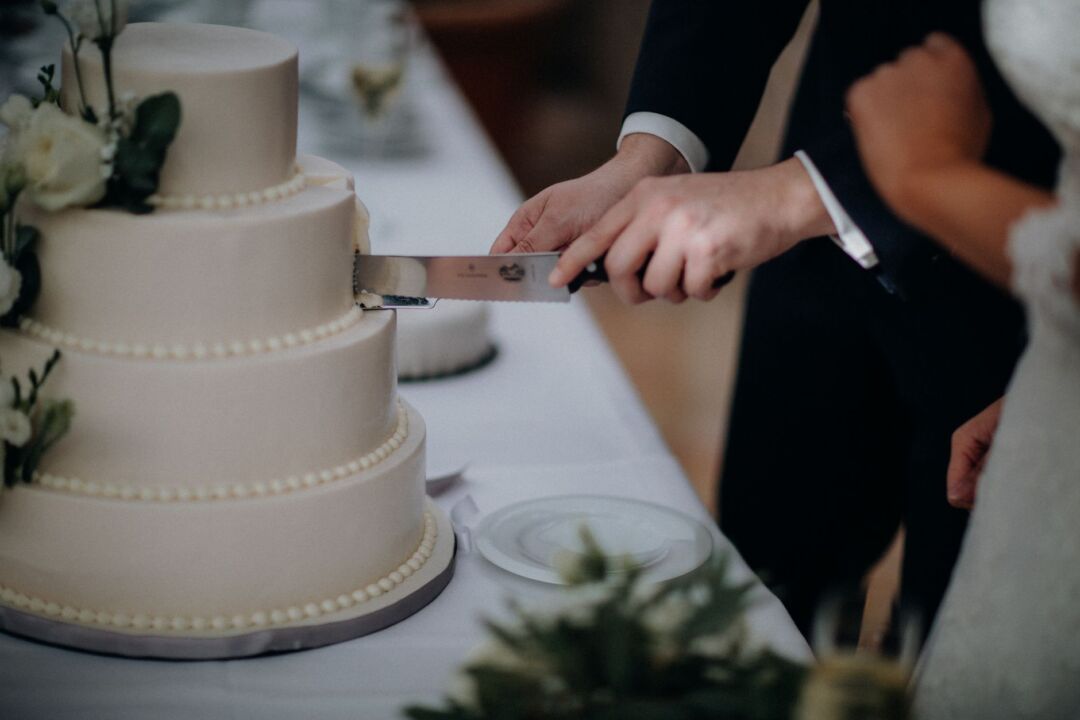
A tiered cake does one thing a sheet cake cannot: it creates a moment. The cutting ceremony, the first photo together over a towered dessert, guests gathering to watch, all of that belongs to the tiered cake. Most couples who skip it report they do not miss it in the moment, but those who choose it consistently rate it among their favorite reception photographs.
The visual impact matters beyond the cutting ceremony itself. A decorated tiered cake sits on your dessert table for hours before the cut, matching your floral palette, paper goods, or color scheme. A well-designed three-tier cake in buttercream can anchor an entire visual concept for the room.
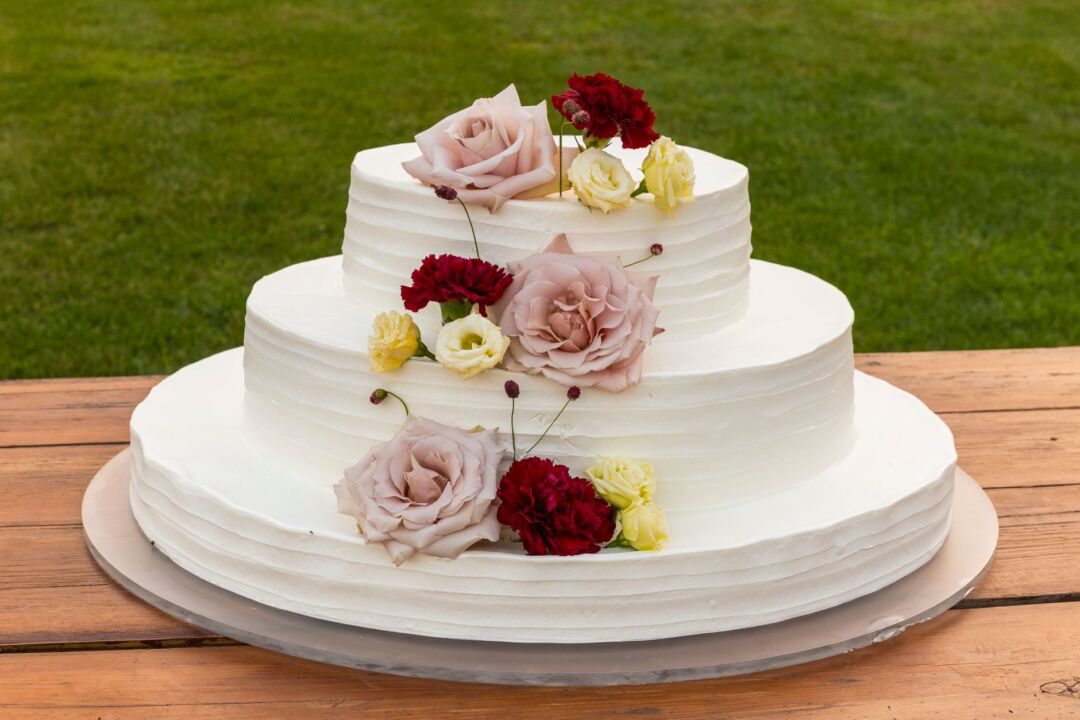
Tiered cakes have also expanded dramatically in style over the past several years. The rigid white fondant tier of a decade ago now shares the market with minimalist textured buttercream, painted watercolor designs, pressed floral panels, and mixed-finish cakes that combine fondant and sugar flowers. Our wedding cake trends guide covers what couples and bakeries are doing in 2026 if you want to explore options before committing to a style.
From a tradition standpoint, a tiered cake signals a full, formal celebration. For couples whose families place cultural importance on the cake as a wedding symbol, a sheet cake served from the kitchen can feel like something is missing, regardless of how practical the savings are.
Choose a sheet cake if…
- Your guest list is over 100 and cake is not the centerpiece of your dessert budget
- You want to offer multiple flavors without paying a per-tier design premium
- Your reception features a dessert table with multiple items, so cake is one component rather than the focal point
- Cake transport or temperature management at your venue is a practical concern
- You prefer a casual or relaxed reception style where a formal cutting ceremony would feel out of place
- You want to redirect the savings toward another part of the wedding
Choose a tiered cake if…
- The cake-cutting moment is important to you or your partner
- You want a visual centerpiece on the dessert table that photographs well throughout the reception
- Your guest count is under 100, where the per-serving cost difference is easier to absorb
- Family tradition or cultural expectation calls for a formal presentation
- Your design vision requires a specific shape, height, or decoration that a sheet pan cannot deliver
- You want your cake to coordinate visually with florals, linens, and your invitation suite
The hybrid approach: a display cake plus kitchen cakes
Most professional wedding bakers consider the hybrid the industry standard for receptions over 100 guests, and the math explains why.
The concept is simple: order a small two-tier or three-tier display cake, typically sized to serve 20 to 30 guests, as your cutting cake and visual centerpiece. You preserve the cutting ceremony, the photos, and the showpiece presentation. Then the bakery supplements with undecorated sheet cakes cut in the kitchen, served as plated slices to the rest of your guests. No one at the tables sees the sheet pans; they receive a beautifully plated slice.
Here is what that looks like in practice for a 150-guest wedding:
- Small two-tier display cake (serves 25 guests): $8 to $10 per serving x 25 servings = $200 to $250
- Sheet cakes for remaining 125 guests: $3.50 to $4.50 per serving x 125 = $438 to $563
- Total hybrid cost: approximately $638 to $813
Compare that to a fully decorated three-tier cake serving all 150 guests at $6 to $8 per serving: $900 to $1,200. The hybrid saves $100 to $400 while delivering the same cutting photo and ceremony moment. At $10 to $12 per serving for an elaborate fondant tiered cake, the saving grows further.
Ask your baker about matching flavors and frosting finish between the display cake and the kitchen sheets. Most experienced wedding bakers coordinate both so that every plated slice matches what guests expected when they saw the display cake across the room.
For full context on how the cake and dessert budget compares to other major reception costs, the wedding budget breakdown and average wedding cost in 2026 show exactly where dessert sits relative to other line items.
Once your cake is decided, plan what goes in the envelope
Your cake choice is one of the first decisions that shapes the overall feel of your reception. Once it is settled, the next step is announcing the date.
Well-designed save-the-dates give guests enough notice to book travel and hold the calendar before your venue, caterer, and bakery fill up. When all the key details are confirmed, wedding invitations carry the full picture to your guests. Paperlust prints both, with designer proofs delivered within 1-2 business days, two rounds of edits included at no extra charge, and free white envelopes with every order. Free DHL express shipping on international orders over $350 USD.
If you are still working through the overall spend, the wedding budget breakdown and average wedding cost in 2026 show exactly where cake and dessert fit among all the major decisions.
FAQ
Is a sheet cake cheaper than a tiered wedding cake?
Yes, significantly. Sheet cakes typically cost $3.00 to $4.50 per serving, while tiered wedding cakes run $5 to $12 per serving depending on size, design, and whether you choose buttercream or fondant. For a 150-guest wedding, that difference can amount to $400 to $800 in total savings.
Do wedding guests know if they are served sheet cake?
Not typically, if the baker handles it well. Sheet cakes cut in the kitchen are plated and served as individual slices, identical in appearance and flavor to the display cake. The guests at the table see a beautifully plated dessert. The only guests who see the display cake are those gathered for the cutting ceremony.
What is the hybrid wedding cake strategy?
The hybrid uses a small decorative tiered display cake for the cutting ceremony and photos, combined with sheet cakes cut in the kitchen and served to the full guest list. It preserves the ceremony moment and the visual centerpiece while reducing the per-serving cost for the broader guest count. Most professional wedding bakers offer this approach and consider it the standard practice for large receptions.
How many sheet cakes do I need for a wedding?
A full sheet cake (18×24 inches) typically serves 48 to 96 guests depending on slice size. A half sheet (11×15 inches) serves roughly 20 to 40. For a 150-guest wedding using the hybrid strategy, where a small display tier covers 25 guests, you would need roughly 3 to 4 half sheet cakes or 2 full sheets for the remaining guests.
Can you serve sheet cake at an upscale wedding?
Yes. Many upscale receptions use the hybrid approach, with a decorated 2-tier display cake that matches the aesthetic, supplemented by kitchen cakes in the same flavor. Guests at upscale events do not see the back-of-house arrangement. Their experience is a beautifully plated dessert slice, which is no different in presentation from what a fully tiered cake would deliver at the table.
Does a wedding cake need to be tiered?
No. The tiered format is a tradition rather than a requirement. Couples who prioritize budget, flavor variety, or a non-traditional reception style choose sheet cakes or other dessert formats regularly. The only practical consideration is whether you want a formal cutting ceremony, which works best with at least a small tiered display cake.
However you serve the cake, the details of the day start with the invitation. The Paperlust sample pack is an easy way to feel the paper and print options before you commit to a full suite.