
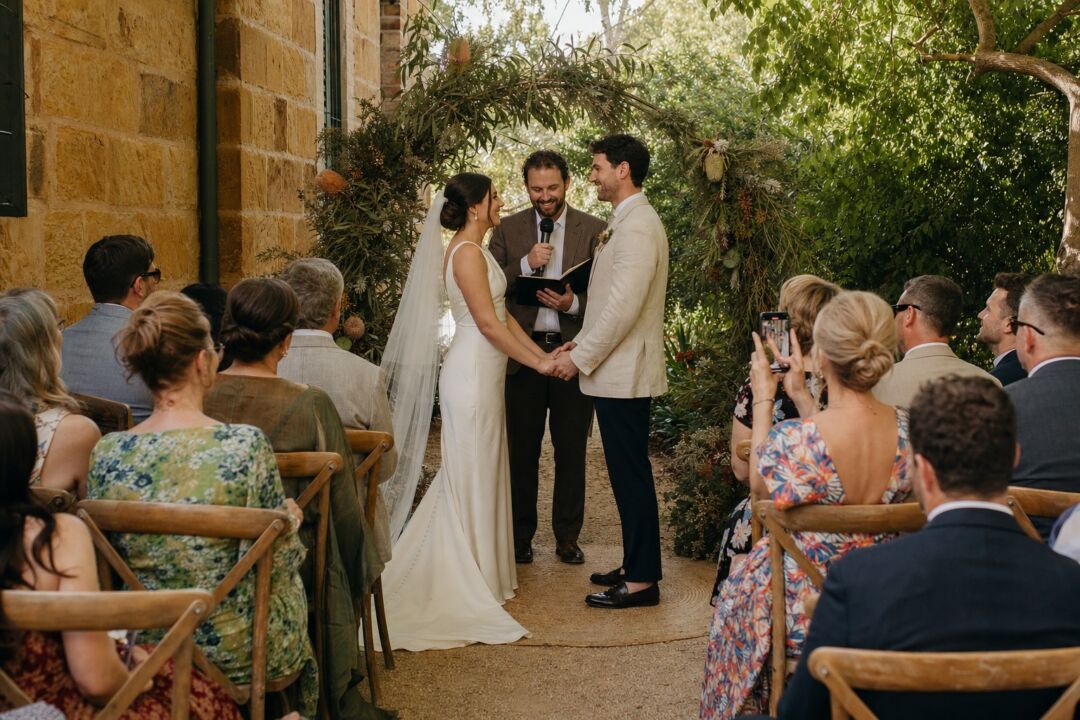
You have 28 guests. The venue quotes a 60-person minimum. You can pay for the difference, they explain, which brings your per-head cost to roughly double what you expected. That is the minimum spend trap, and it is the most common surprise couples encounter when they start contacting venues for a small wedding.
Most traditional wedding venues in Australia are sized and staffed for 80 to 120 people. Fixed costs, from kitchen staffing to coordination to building overheads, do not fall proportionally when your guest count does. A 60-person minimum is not a negotiating tactic. It is the floor the venue needs to stay profitable on a Saturday night.
This guide explains the two types of minimums you will encounter, which venue types avoid them by design, what the cost structure looks like in each state, and the specific questions that give you leverage before you sign.
Small wedding venue: quick checklist
- Ask upfront: is there a minimum guest count, a minimum F&B spend, or both? These are different constraints with different solutions.
- Restaurants, bars, and BYO halls are the most likely to price for 20 to 40 guests without a large minimum.
- Off-peak dates, weekdays, and lunch receptions consistently produce lower minimums at venues that have them.
- Get every verbal concession in writing before you exchange contracts.
- For stationery sized to a small wedding, wedding signs can carry the directional work that a full printed suite would do at a larger event.
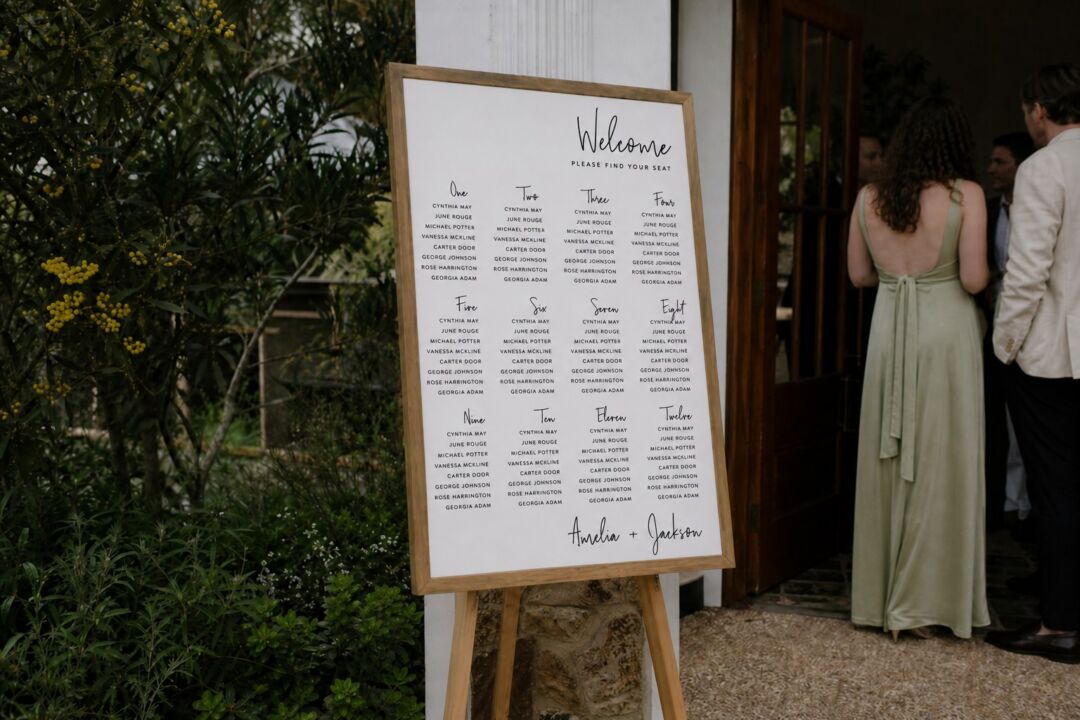
Minimum spend covers the room, not the welcome sign or the seating chart.
Two types of minimum, and which one you are actually dealing with
Venues apply minimums in two distinct ways, and knowing which you are facing changes the conversation entirely.
A minimum guest count means the venue will not host an event below a set headcount, commonly 40, 60, or 80 guests. If you have 30, you are ineligible from the start. Traditional ballrooms, heritage estate properties, and purpose-built wedding sites often carry this restriction. Some will waive it for off-peak bookings, but not all.
A minimum F&B spend means you must spend a certain total on food, beverages, or both during your event, regardless of how many guests are there. If your 28 guests consume the equivalent of 40 covers, you meet the minimum and the remaining gap disappears. This type of minimum is far more common at restaurants, bars, and boutique hotels, and it is far more negotiable than a headcount restriction.
When you contact a venue, ask directly: “Do you have a minimum guest count, a minimum food and beverage spend, or both?” Many venues state one in their brochure and apply the other in practice. Get the complete answer before you invest time in a site visit.
Venue types that price fairly for small numbers
The following venue types are structurally suited to weddings of 20 to 50 guests, without minimum guest counts or outsized F&B floors.
Restaurants with private dining rooms. A private dining room is designed for 20 to 40 people and the entire business model already runs on a minimum F&B spend. The minimum is often modest because the venue earns primarily on the food and drinks you order, not on a hire fee. Catering is in-house, which removes one supplier from your list and simplifies the planning significantly.
Bars and boutique hotels. Tagvenue’s Sydney wedding venues data, published July 2026, shows minimum spend figures for small city venues ranging from around 2,000 to 7,000 Australian dollars per event. The lower end of that range is mostly bars and small hotel function rooms, where the minimum covers beverages and the venue adds little or no hire fee on top. The average per-person rate across Sydney venues in this category runs 55 to 110 Australian dollars per person.
BYO halls and community spaces. Surf clubs, RSL function rooms, community centers, and council halls charge a flat hire fee and let you bring your own caterer and bar. There is no per-head component and no F&B minimum. You control every dollar of the food and drinks budget by choosing your own suppliers.
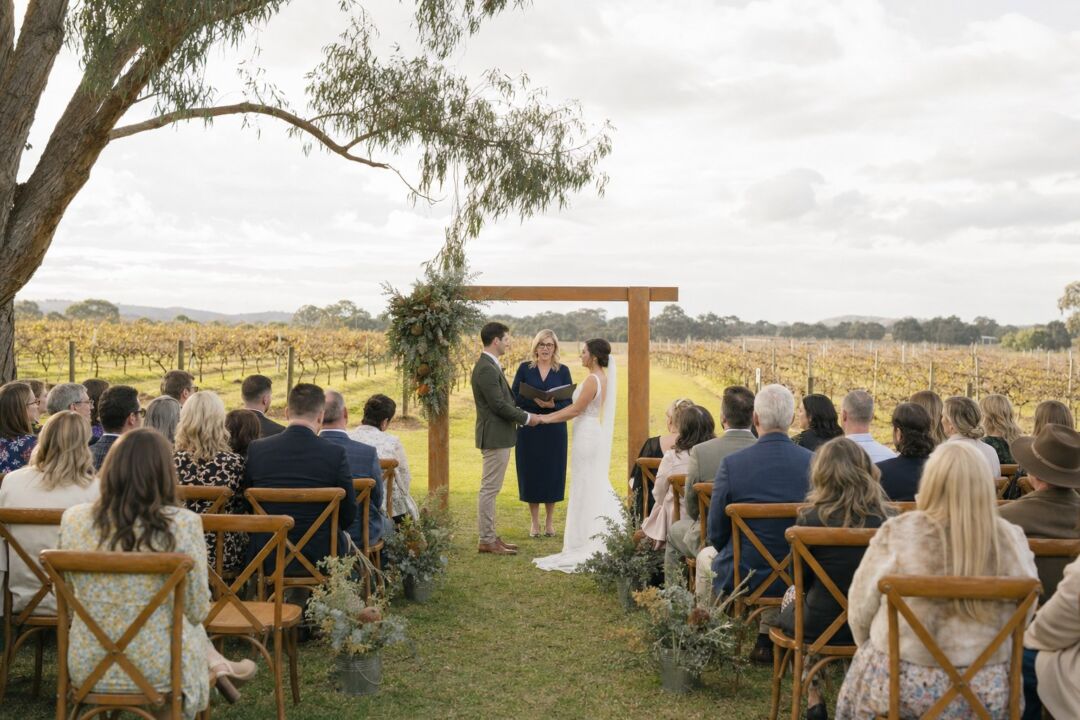
Rural estates and homesteads. Regional properties in the Hunter Valley, Yarra Valley, Fleurieu Peninsula, and Barossa commonly offer flat venue hire, sometimes with accommodation included. You bring your own caterer and celebrant. The hire model suits small weddings because you pay for the place, not the number of people in it. Blair Athol near Bathurst in New South Wales is one example of a country estate that operates on a hire-plus-BYO model; Woodburn Homestead on the Fleurieu Peninsula in South Australia follows a similar structure with accommodation for up to 18 guests integrated into the hire. Both are listed on Wedlockers (checked July 2026); verify their current schedules directly with the venues before you plan around specific figures.
Micro-wedding and elopement specialists. A growing category of venues structure their entire offering around 20 to 50 guests. Bijou Weddings at The Post Office Hotel in Coburg, Victoria, is one example: its packages are built for 24 to 50 guests on an all-inclusive per-head model, with no minimum guest count trap because the product is designed for intimacy from the start. Check their current schedule directly; listing sites may not reflect recent price changes.
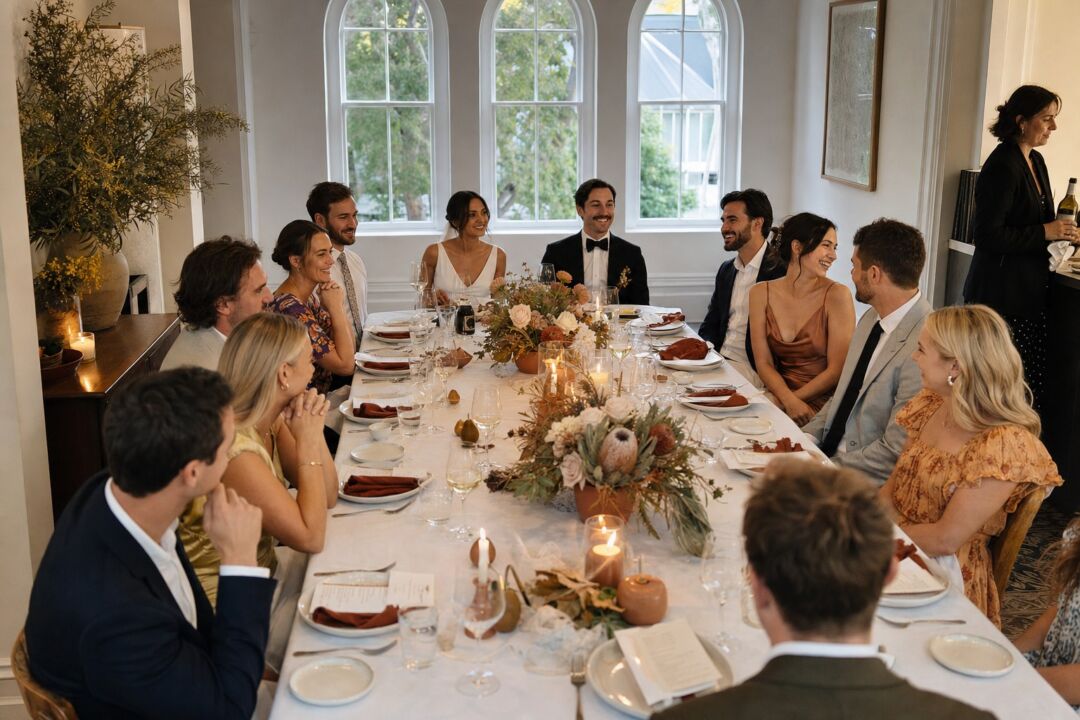

How the cost structure varies by state
Australia’s state capitals share the same structural problem but at different price points, and the regional alternatives in each state vary considerably.
New South Wales. Sydney’s inner-city venue market sits at the high end nationally. Easy Weddings publishes annual venue cost data by state; their figures consistently show NSW as one of the most expensive markets for venue hire. The minimum spend range Tagvenue reports for small Sydney venues in 2026 averages around 4,000 Australian dollars for venues that accommodate up to 120 guests, but that average masks a wide spread. City restaurants and bars remain the most accessible entry point for small weddings. Regional NSW brings costs down considerably: Hunter Valley and Southern Highlands properties with a hire-plus-BYO model avoid the F&B minimum structure entirely, so a 30-person wedding can be planned without a per-head floor at all.
Victoria. Melbourne’s inner suburbs have a well-developed micro-wedding market. Venues that cap at 40 to 60 guests have emerged specifically to meet demand from couples who want intimacy without compromise. The Yarra Valley and Mornington Peninsula offer a comparable rural hire model to the Hunter Valley. Melbourne venue costs sit close to Sydney’s, but the regional alternatives tend to be more accessible and carry fewer minimum restrictions.
Queensland. QLD consistently comes in below NSW and VIC on national venue cost averages, and the regional market is the most accessible of any state for small guest numbers. Chapel venues in the Darling Downs and Ipswich areas, and coastal properties on the Sunshine Coast and Whitsundays, commonly offer per-head packages without a minimum guest count. The Sunshine Coast has a particularly active elopement and micro-wedding market, with operators structuring all-inclusive packages for under 40 guests. Darling St Wedding Chapel in Ipswich offers per-head packages that work for small groups, and Vista Hinchinbrook near Rungoo in North Queensland offers a venue hire model that scales to the group size rather than applying a headcount floor; check their Wedlockers listing or contact them directly for current schedules.
Western Australia. Perth and the Swan Valley wine region tend toward traditional per-head pricing, but WA’s elopement market is strong and growing. Coastal and bush settings attract couples who prefer a small ceremony followed by a private dinner over a full-service reception. The venue landscape is less standardized than the east coast, so direct contact with properties is more useful than relying on directory aggregates.
South Australia. The Fleurieu Peninsula and Adelaide Hills suit the hire-plus-accommodation model well. A rural estate hire for a weekend can work out simpler and more cost-effective than a single Saturday night at an inner-city venue, particularly when accommodation for a small group is factored in. The all-in hire structure means there is no per-head minimum to navigate.
Most venues will not print your chart, so add it to your own list early.
How to negotiate before you sign
Minimum spend is negotiable more often than venues let on. The following approaches are the ones that actually shift the outcome.
Ask for the low-season, low-day rate first. Venues almost always have lower minimums on weekdays and in winter months. Ask which dates carry the lowest minimum before you share your preferred date. Once you know the spread, you can make an informed trade-off between the date you want and the cost you are willing to carry.
Ask what counts toward the minimum. Some venues apply the minimum to beverages only, not food. Others count everything, including hire fees, flowers, and in-house coordination. A 6,000 Australian dollar minimum that includes the hire fee is very different from a 6,000 Australian dollar minimum that sits on top of a separate 3,000 Australian dollar hire fee. Clarify this before you do any arithmetic.
Ask whether a shorter event has a lower minimum. A four-hour lunch reception often triggers a lower minimum than an eight-hour evening. Venues have lower staff and kitchen costs for a shorter window, and many will pass some of that saving on.
Offer to meet the minimum differently. If the gap between what your guests will spend and the venue’s minimum is small, offer to close it by upgrading the wine selection or adding a grazing table at arrival. Venues generally prefer this to leaving a minimum unmet, and it improves the guest experience rather than just padding the bill.
Get verbal promises in writing. “We’ll be flexible on the minimum” disappears at contract stage. If the venue is willing to reduce the floor for your event, have it written into the contract before you pay the deposit. A signed variation is the only version that holds.
What to consider for your stationery
A smaller guest list changes what you actually need in print. At 30 guests, a welcome sign at the entrance does the directional work that a full printed order-of-service card would do at a wedding of 120. A bar menu board and a table number display are often sufficient for the reception.
If you have assigned seating, a single framed seating chart at the entrance is cleaner and more readable than individual place cards for every cover. Signage styles that work across formal venues and outdoor estates are worth comparing before you commit to anything. You can see the range at Paperlust’s wedding signs collection.
Signs, charts and table numbers personalized online. The $5 sample pack puts seven designs and an envelope in your hands, including real foil and letterpress, so you judge paper and finish off a screen.
Frequently asked questions
What is a minimum spend at a wedding venue?
A minimum spend is the total amount you must spend on food, beverages, or both during your event. If your guests do not reach the minimum through what they eat and drink, you pay the difference. It is separate from a venue hire fee, although some venues bundle both into a single figure. Always ask which costs count toward the minimum and which are charged on top.
Can you negotiate the minimum spend at a wedding venue?
Yes, in many cases. The most consistent levers are choosing a weekday or off-peak date, opting for a shorter event window such as a lunch reception, and offering to upgrade the menu or drinks package to close the gap between what you will actually spend and the floor. Get any agreed reduction written into the contract before paying a deposit.
What counts as a small wedding in Australia?
Industry guidance commonly treats weddings of up to 50 guests as micro or mini weddings and weddings of 50 to 80 guests as small. The distinction matters because venues designed for under 50 guests typically have pricing and minimums built around that number. If your guest count is under 30, look for venues that cap their capacity at 40 to 60 guests: those are built for intimacy and rarely carry a minimum-guest-count restriction alongside the F&B minimum.
Which states have the most accessible small wedding venues?
Queensland, particularly regional QLD, consistently comes in below NSW and VIC on venue cost averages according to Easy Weddings’ annual Australian wedding industry data. South Australia’s Fleurieu Peninsula and Western Australia’s elopement market also offer strong options for small numbers. Rural venues in any state tend to carry lower minimums than their city equivalents, and BYO venues remove the F&B minimum entirely by design.
Do all wedding venues have a minimum guest count?
No. Restaurants, bars, BYO halls, community spaces, and micro-wedding specialists typically do not. Traditional ballrooms, purpose-built wedding estate venues, and popular regional properties are more likely to set a headcount minimum. Ask this question directly at first contact and do not assume the venue’s brochure covers it, because many do not disclose it until you ask.