
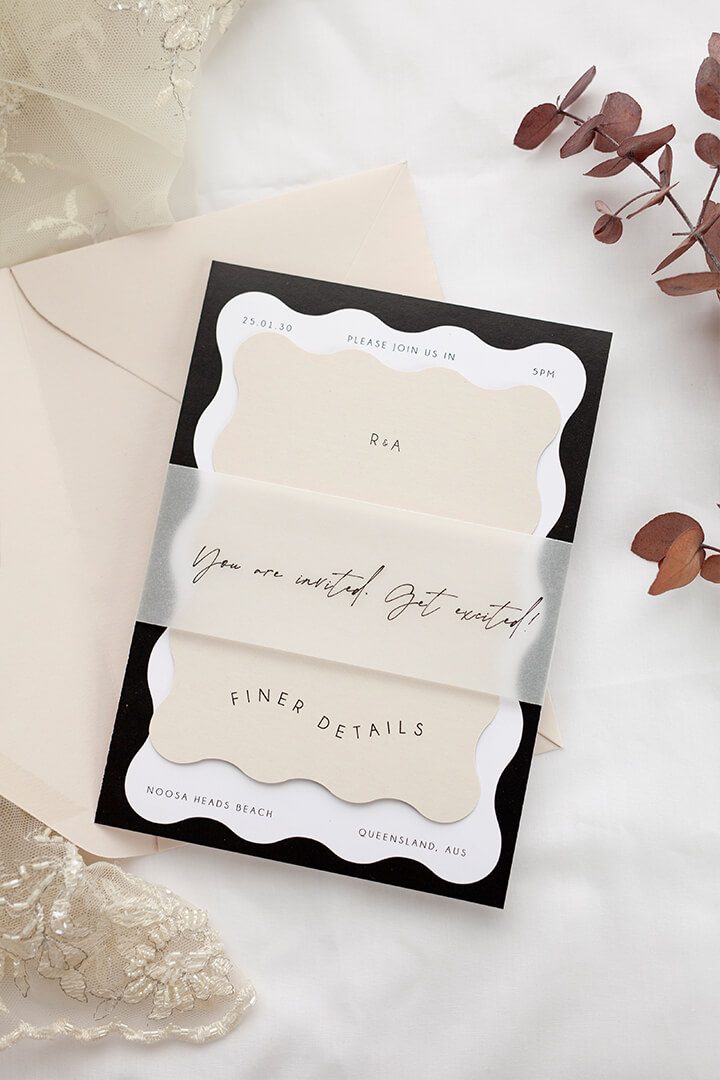
Minimalist weddings are having a full-circle moment in 2026 – not the stark, ice-cold minimalism of a decade ago, but a warmer, more intentional version where every detail carries weight and nothing is filler. If you have been drawn to the idea of a wedding that feels refined rather than overdone, this guide walks you through how to plan a modern minimalist celebration from palette to place cards.
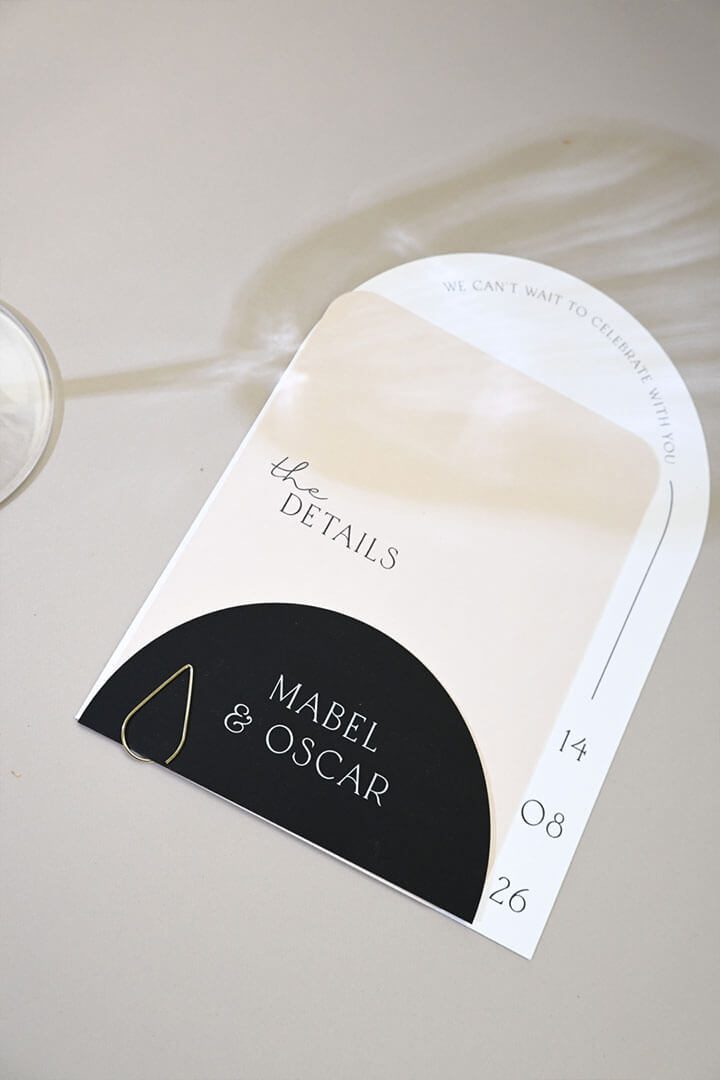

- Color palette: Warm ivory, cream, sage, champagne, soft black
- Venue vibe: Art gallery, modern hotel, glass pavilion, botanical garden
- Stationery pick: Letterpress on cotton paper or clean digital print – single font, minimal ink
- Florals: Sculptural single-variety or “broken” deconstructed arrangements
- Headcount sweet spot: 30-120 guests; intimacy amplifies the aesthetic
- 2026 shift: Warm minimalism replaces sterile white – texture and intention matter
What Makes a Wedding “Minimalist” in 2026?
Minimalism in wedding design has never been about emptiness – it is about removing everything that does not belong so that what remains feels purposeful. In 2026, the trend has evolved to embrace what designers call “warm minimalism”: neutral tones with tactile depth, architectural layouts with organic softness, and a deliberate mix of materials that reward close attention.
Think of it as curating an art gallery. Every piece on display is chosen precisely. The walls are uncluttered so the art can breathe. Your wedding venue operates the same way: a single sculptural floral arch says more than ten overloaded centerpieces. A letterpress invitation with a single elegant font lands harder than a suite crammed with ornamentation.
The couples gravitating toward this style in 2026 are not cutting corners – they are making bolder, more confident choices. A table set with brushed brass flatware, a hand-lettered menu card, and three slender taper candles is infinitely more striking than a table crowded with props.
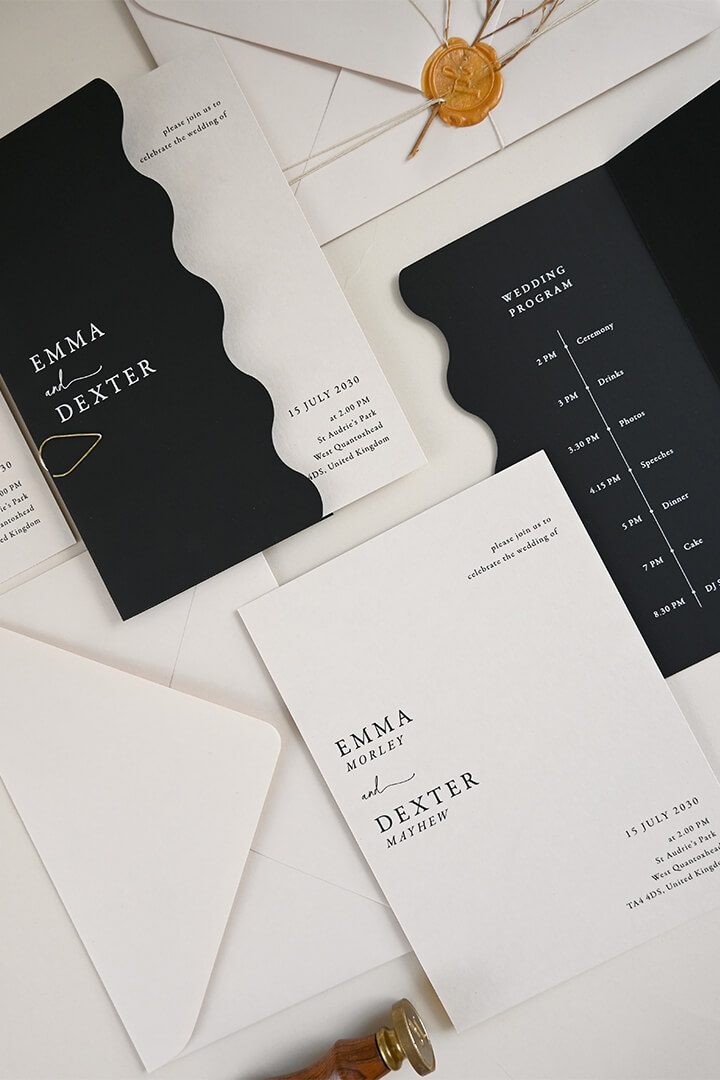
The 2026 Minimalist Wedding Color Palette
Color restraint is the backbone of the minimalist aesthetic, but that does not mean boring. The palettes trending in 2026 are built around warm neutrals layered with intentional accent tones:
| Palette Name | Primary Tones | Accent | Best For |
|---|---|---|---|
| Warm Ivory | Ivory, cream, warm white | Pale gold or champagne | Year-round; indoor venues |
| Sage + Sand | Sage green, warm sand, oat | Muted terracotta | Spring-fall; garden or outdoor |
| Midnight Contrast | Black, charcoal, ivory | Brass or copper | Evening receptions; formal venues |
| Warm Stone | Greige, taupe, off-white | Dried botanicals | Desert, neutral, modern venues |
The key: limit yourself to three tones maximum. A minimalist palette does not mean monochrome – it means disciplined variety. Bring in texture (linen, cotton, stone) rather than more colors to add visual interest.
Minimalist Wedding Venue Ideas
The venue does most of the heavy lifting in a minimalist wedding. Choose a space with strong architectural bones and you need very little else. Here are the venue types that work best:
Art Gallery or Museum
Gallery-white walls, polished concrete or herringbone wood floors, and soaring ceilings provide the perfect “blank canvas.” Your guests become the art. Paired with strategic candle lighting and a few architectural floral installations, a gallery becomes extraordinary.
Modern Hotel Ballroom
A sleek hotel ballroom with clean sightlines – no ornate molding, no gold-clad columns – lets you define the space with your own elements. Look for venues with large windows and neutral wall finishes.
Glass Pavilion or Conservatory
Natural light and outdoor views do all the work. A glass structure filled with warm evening light, a few tapers on long tables, and a simple floral arch delivers maximum impact with minimal intervention.
Botanical Garden
A curated botanical garden has built-in beauty. Your job is to not compete with it. Simple linen runners, unembellished ceremony chairs, and a clean welcome sign let the greenery take center stage.
Private Estate with Architectural Features
Courtyards, colonnades, and stone walls provide the structural interest that makes a minimalist setting feel rich rather than sparse. The architecture is the decoration.
Decor: The Less-Is-More Approach
In a minimalist wedding, each decor decision should answer one question: does this add meaning or just mass? Here are the principles that guide minimalist decor in 2026:
Embrace Negative Space
Long banquet tables with generous spacing between centerpieces, chairs with breathing room, and clear pathways through the reception create a sense of ease and elegance that crowded layouts cannot achieve.
Let Lighting Carry the Room
Warm amber candlelight, subtle pin spotting on centerpieces, and wall wash lighting replace elaborate decor items. Candles of varying heights grouped in clusters – tapers, pillars, votives – add depth without clutter.
Choose One Statement Piece
Rather than decorating every surface, invest in one high-impact moment: a ceremony arch of sculptural dried botanicals, a dramatic floral installation at the entrance, or a single neon sign with your names in minimal type. Let everything else recede.
Material Consistency
Mixing too many materials reads as busy. Choose a primary material palette – say, linen and brushed brass – and apply it consistently through table linens, napkin rings, candle holders, and menu card holders. Repetition creates rhythm and calm.
Minimalist Wedding Stationery and Invitations
Your stationery is the first impression guests receive of your wedding’s aesthetic – and in a minimalist wedding, it does a lot of work. The goal is a suite that feels expensive, thoughtful, and restrained all at once.
Typography as the Hero
A single elegant font – whether a crisp serif or a flowing script – carries a minimalist invitation. Avoid mixing more than two typefaces. Let generous white space and precise layout do the visual work.
Letterpress on Cotton Paper
For texture without ornament, letterpress printing on Wild Cotton paper is the gold standard. The pressed impression is tactile and refined – something guests notice without being able to articulate why. It feels handcrafted and luxurious without a single embellishment.
Seed Paper for Eco-Minimalists
Plantable seed paper invitations – guests water the card and grow herbs or wildflowers – align perfectly with the intentional minimalist ethos. The invitation has a second life, which is a beautifully minimal concept in itself.
Find your perfect minimalist invitation suite
Browse clean-lined wedding invitations in letterpress, digital print, and foil stamp – from $2.04 per card
What to Include (and What to Leave Out)
A minimalist invitation suite contains: the invitation card, one details/information insert, and a reply card. That is it. No extra envelope liners, no belly bands, no tissue paper, no five additional inserts. Every element needs to justify its presence.
Pair your invitations with equally restrained wedding save the dates – a single card, one clean design, your names and the date in a beautiful font. Done.
Florals: Sculptural and Intentional
Minimalist florals in 2026 fall into two camps: the “broken” or deconstructed arrangement (loose, organic, asymmetric) and the single-variety statement (thirty of the same bloom in one vessel). Both approaches work because they resist the over-stuffed “more is more” bouquet of the past decade.
The Deconstructed Bouquet
A “broken” or deconstructed bouquet is intentionally loose – stems at different angles, foliage mixing with blooms, nothing perfectly symmetrical. It looks effortless while requiring real skill from your florist. Pair with structural greenery like eucalyptus branches or sculptural dried grasses.
Single-Variety Centerpieces
A tall vessel filled entirely with white ranunculus, or a low bowl of cream garden roses, has an impact that mixed arrangements rarely achieve. The uniformity is striking. Choose a bloom with interesting texture – peonies, dahlias, dried pampas – and let the quantity do the talking.
Architectural Ceremony Arch
One dramatic arch for the ceremony backdrop does the work of a dozen table centerpieces. Choose a simple geometric frame (rectangular, circular, or asymmetric) dressed with foliage and two to three complementary bloom varieties. Photograph it empty, then photograph it with your party – it is the hero of both shots.
Attire for a Minimalist Wedding
The minimalist aesthetic extends naturally to wedding attire. Clean silhouettes, quality fabric, and intentional accessories over quantity:
Wedding Gown
Look for: A-line, slip dress, column/sheath, or simple ballgown silhouettes. Avoid heavily beaded or embellished gowns unless the embellishment is the sole design feature. Fabrics that photograph well in minimalist settings include silk satin, crepe, and structured mikado.
Bridesmaids
One neutral tone for all bridesmaids creates a cohesive, understated backdrop. Sage, warm taupe, champagne, and soft dusty blue are all strong choices. Avoid mixed tones in a minimalist wedding – the palette discipline matters.
Suit and Tuxedo
A well-tailored suit in charcoal, warm navy, or a tone-on-tone neutral is the minimalist groom’s uniform. No pocket squares with patterns, no novelty ties. Let the quality of the cut and fabric speak.
Accessories
The “statement shoes” approach: a simple gown with an interesting heel – sculptural, lace, or sparkling – adds personality without disturbing the minimal silhouette. Jewelry follows the same logic: one significant piece over several competing ones.
Setting the Minimalist Wedding Table
The table is where minimalism either succeeds or reveals itself as just “not decorated yet.” A minimalist table is not sparse – it is precise. Every element is chosen, and nothing is there by accident.
Linen and Texture
Choose a single linen tone for the entire event. Ivory, warm white, or a pale stone are the most versatile. The texture of the linen does the work that pattern and color usually do – linen weave, raw hemmed edges, and loosely draped napkins all read as intentional choices. Avoid pressed, plastic-feeling tablecloths. The organic hand of real linen is the point.
Cutlery and Glassware
Brushed gold or matte black cutlery reads as more considered than standard silver in a minimalist setting. Simple, unadorned glassware – no elaborate stems, no colored glass – keeps the focus on the table’s overall geometry rather than individual pieces. A single tall water glass, one wine glass per person, and a champagne flute set precisely are all you need.
The Centerpiece Rule
One centerpiece per table, placed exactly in the center. Not three small vases. Not a scattered arrangement. One considered piece: a single tall vessel with three or four stems of the same bloom, or a low wide bowl of a single flower variety. The uniformity across all tables creates the sense of intentional design that minimalism requires.
Menu Cards and Place Cards
Printed menu cards flat on the plate (not in the glass) and a simple place card at the top of each setting complete the table. In a minimalist setting, the stationery at each place setting is the most personal element guests interact with – make it beautiful. A clean typeface on a heavy cotton card with a single thin border line is the minimalist standard.
Planning Your Minimalist Wedding Timeline
A minimalist wedding benefits from a tighter timeline than a maximalist one. Fewer vendor transitions, fewer costume changes, and fewer moving parts mean the day flows cleanly without the chaos that often accompanies larger productions.
Key Timeline Principles
- Plan for 30-minute ceremony maximum: A brief, meaningful ceremony is the minimalist ideal. Every additional element should earn its place
- Build in a photography window: 30-40 minutes between ceremony and reception for portraits in your venue’s best light
- Single-room or adjacent flow: Avoid multi-venue or multi-location days – the transitions add complexity that disrupts the minimal aesthetic
- Early start on smaller productions: 50 guests can comfortably dine and dance with a reception starting at 6:30 PM and ending at 11:00 PM – no need to extend into the early morning
Budget Guide: Getting the Minimalist Look Right
The minimalist wedding myth is that it is automatically cheaper. The reality: you spend differently, not necessarily less. Understanding where the budget goes – and where it does not – helps you allocate wisely.
| Category | Minimalist Allocation | Note |
|---|---|---|
| Venue | High | The venue does the decorating – invest here |
| Photography | High | Editorial-style photographers cost more and deliver more |
| Catering | High | Quality over quantity; tasting menu over buffet |
| Florals | Medium | One statement arch + table centerpieces; no bulk blooms |
| Stationery | Medium-High | Quality materials show; letterpress on cotton is the investment |
| Decor rental | Low | Candles, linens, a single arch – that is all you need |
The guest count lever is your most powerful budget tool. A 60-person minimalist wedding can achieve a far higher quality level per guest – venue, food, photography – than the same budget spread across 150. Intentional headcount is a minimalist choice in itself.
A Note on Sustainability in Minimalist Weddings
Minimalism and sustainability are natural allies – the same “only what belongs” philosophy that drives aesthetic minimalism applies directly to environmental impact. Minimalist couples are disproportionately likely to make sustainability-forward choices: fewer guests means less food waste and lower per-guest carbon footprint; curated floral arrangements over abundant bulk florals means less floral waste; seed paper invitations mean the stationery has a second life.
Additional choices worth considering: donating centerpiece arrangements to a local hospital or care facility after the reception, choosing a local menu that minimizes food-miles, using a venue with strong sustainability credentials, and opting for digital save-the-dates to reduce paper use while reserving beautiful physical stationery for the invitations proper – where the tactile experience genuinely matters.
Paperlust’s seed paper wedding stationery options let guests plant the invitation after the wedding – wildflowers or herbs grow from the paper itself. It is one of the most elegantly minimalist solutions in wedding stationery: the object transforms rather than being discarded. Plant-a-tree orders are included with every Paperlust purchase as well, making the environmental story easy to tell.
Frequently Asked Questions
How much does a minimalist wedding cost?
Minimalist weddings are not automatically cheap – they are selective. Fewer guests, fewer vendors, and fewer decorative items mean your budget can shift toward higher quality in each chosen element. Many minimalist couples spend the same as a traditional wedding but distribute the budget very differently: more on the venue, photographer, and food; less on decor and floral volume.
What type of wedding invitations suit a minimalist style?
Letterpress on cotton paper is the gold standard – tactile and refined. Clean digital print with generous white space works beautifully too. Avoid heavily illustrated designs, busy patterns, or invitation suites with more than three components.
Can a minimalist wedding still feel warm and personal?
Absolutely – in fact, the constraint forces more creativity in the personal touches. A handwritten note tucked inside each invitation, a single photograph on the welcome table, or a meaningful poem on the ceremony program adds warmth without visual noise.
How many guests work for a minimalist wedding?
There is no hard cap, but the aesthetic benefits enormously from intimacy. 50-80 guests in a well-chosen venue feels immersive and curated. Over 150, you need extremely strong venue architecture and very deliberate design to maintain the minimalist feel.
What flowers work best for a minimalist wedding?
Single-variety arrangements in white, cream, or blush work well. Popular choices: white ranunculus, garden roses, peonies, anemones, white dahlias, and dried grasses. Avoid mixed wildflower arrangements – they read as boho rather than minimalist.
Do minimalist weddings need a wedding planner?
The minimalist look is deceptively simple to achieve and genuinely hard to execute well. A planner who specializes in intentional design (rather than maximalist full-service) will save you from “it looks too plain” mistakes and help you make each selection count. Highly recommended.
Shop Wedding Invitations at Paperlust
Hundreds of wedding invitation designs you can customize online, with an online proof before you print.