
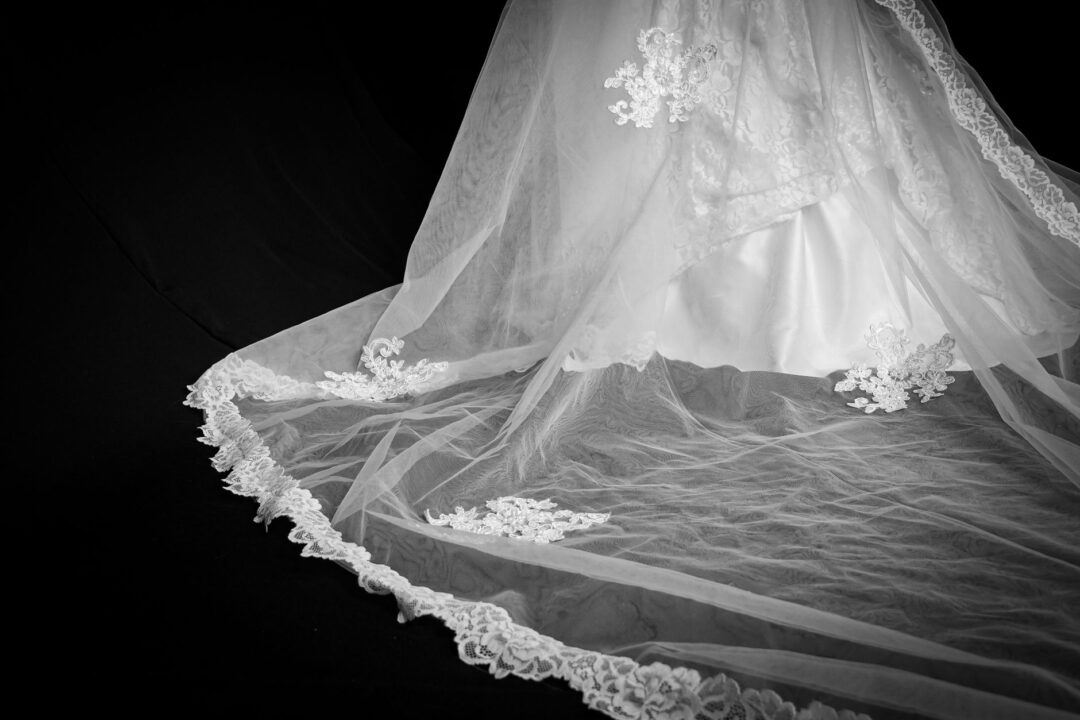
Most US brides in 2026 spend $1,500 to $3,000 on their wedding gown, with the national average sitting at around $2,100, according to The Knot Real Weddings Study (a survey of more than 10,000 US couples). That figure covers the dress alone. Alterations, accessories, and undergarments are all separate costs that typically add another $600 to $1,200 to your total bridal attire budget.
The price range is genuinely wide. A sample-sale find at a boutique, a mid-range purchase from a bridal chain, and a couture gown from a luxury designer can all be the right choice, depending on your priorities and budget. What matters is knowing what each tier gets you, what is and is not included, and where the smart savings opportunities are.
As you map out your overall spending, our average wedding cost guide for 2026 and full wedding budget breakdown will show you exactly where the gown fits within your total plan.
- National average: approximately $2,100 (The Knot Real Weddings Study)
- Typical range: $1,500 to $3,000 for most US brides
- Budget and off-the-rack: $300 to $1,000
- Designer gowns: $2,500 to $10,000 and up
- Biggest cost drivers: fabric quality, hand embellishments, boutique location, and brand name
- Top money-saving tip: shop sample sales at bridal boutiques for 40 to 70% off retail price
How much does a wedding dress cost?
The national average wedding dress cost is around $2,100, per The Knot Real Weddings Study, based on its 2025 survey of more than 10,000 US couples. Zola’s data puts the average slightly higher at $2,250, reflecting a respondent mix that skews toward brides who booked more full-service vendors overall.
Most brides land in the $1,500 to $3,000 range. That middle tier offers a wide selection of well-constructed styles from established bridal labels without crossing into luxury territory. At the same time, about 21% of couples spend $4,000 or more on the gown, per Zola, typically when choosing a name-brand designer or a heavily embellished style.
At the low end, online bridal retailers, off-the-rack boutique finds, and sample sales can bring costs well under $1,000. At the high end, couture gowns from sought-after designers can reach $15,000 or beyond.
Wedding dress cost breakdown
The table below covers the main price tiers you will encounter when shopping for your gown.
| Tier | Typical price range | Where to find | What to expect |
|---|---|---|---|
| Budget / off-the-rack | $300 to $900 | Online retailers, big-box bridal chains, department stores | Simpler silhouettes, limited customization options |
| Sample sale | $400 to $1,500 | Bridal boutiques clearing floor samples | 40 to 70% off retail; limited sizing (US 8-12 typical) |
| Mid-range | $1,500 to $2,500 | Bridal boutiques, mid-range designers | Most popular tier; broad variety of fabrics and styles |
| Higher-end boutique | $2,500 to $4,000 | Boutique designers, department store bridal salons | Higher-quality fabrics, more intricate construction |
| Designer | $4,000 to $8,000+ | Designer showrooms, authorized specialty retailers | Luxury labels, extensive embellishment, exclusive fabrics |
| Couture / bespoke | $8,000 to $20,000+ | Made-to-measure ateliers, top design houses | Fully bespoke work, couture-grade materials, long lead times |
| Pre-owned / consignment | $200 to $2,000 | Resale platforms, consignment bridal shops | 50 to 70% below original retail for once-worn gowns |
Worth noting: according to The Knot’s data, only 19% of brides wore a custom-made gown in 2025. The vast majority, 81%, purchased off-the-rack or made-to-order styles from a boutique’s existing collection.

What drives the cost
Fabric and material quality. Silk satin, duchesse satin, Chantilly lace, and fine tulle cost significantly more than polyester blends. European-sourced lace is both expensive to produce and expensive to apply by hand, and it is one of the biggest single contributors to a gown’s price.
Embellishments. Hand-sewn beading, intricate embroidery, 3D floral appliques, and detailed lacework all add hours of skilled labor. The more detailing on the bodice and skirt, the higher the price.
Designer name and brand positioning. Established bridal labels carry premiums that reflect their reputation, design exclusivity, and retailer relationships. The same silhouette in similar fabric can cost two to three times as much at a premium label versus a mid-range brand.
Silhouette and construction complexity. Ballgowns with multiple layers of tulle, long cathedral trains, and built-in structured corsets require more fabric and more skilled construction than streamlined sheath or slip styles.
Boutique location and overhead. Bridal shops in high-rent urban markets price accordingly. WeddingWire data shows that metropolitan-area boutiques average 20 to 40% above national norms. A dress priced at $2,000 at a Midwestern boutique might retail for $2,800 to $3,200 at a Manhattan bridal salon.
Plus-size and extended sizing surcharges. Many designers charge an additional fee for dresses beyond a standard size 12 or 14. These surcharges typically range from $150 to $500 depending on the brand and the size requested, reflecting the additional fabric and pattern work involved.
Customization requests. Adding detachable sleeves, a two-piece skirt, custom beading placement, or a color variation to an existing design typically adds $200 to $800, depending on complexity.
What is included vs. what costs extra
Typically included in the dress price:
- The gown itself in the color and size you select
- One fitting appointment (at most boutiques)
- A basic garment bag for storage and transport
Typically NOT included, and worth budgeting for separately:
- Alterations: Almost every gown needs some tailoring, even if you purchase off-the-rack. Budget $300 to $800 for standard work. For a full per-service breakdown, see our guide to wedding dress alteration costs.
- Veil or headpiece: $100 to $600 depending on length, material, and embellishment
- Bridal shoes: $80 to $350
- Undergarments: $50 to $200 (strapless bra, shapewear, or a slip)
- Dress preservation after the wedding: $150 to $400
- Steaming or pressing before the ceremony: $50 to $150 at most dry cleaners or bridal shops
A realistic total bridal attire budget, including the gown and all these extras, runs $2,000 to $3,500 for most couples shopping in the mid-range tier.
Wedding dress cost by region
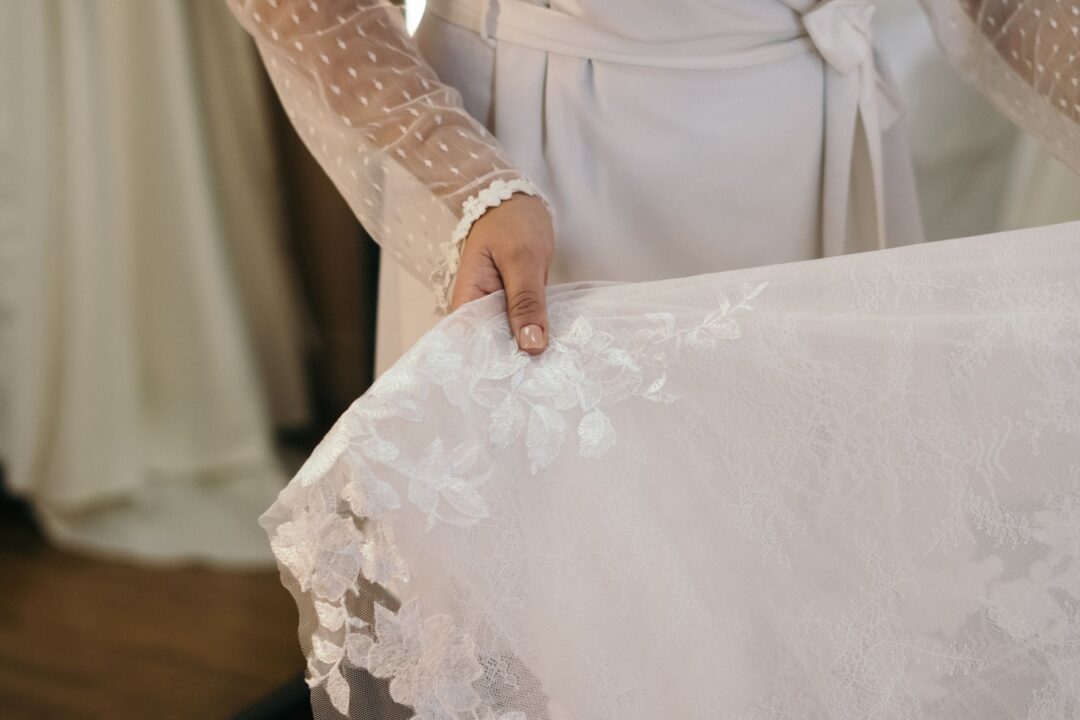
Where you shop plays a real role in what you pay. Boutiques in major coastal cities carry higher overheads, and their pricing reflects that. Brides in smaller cities and rural markets often find the same designer labels priced 15 to 25% lower simply because the boutique’s rent is lower.
| Region | Average dress price |
|---|---|
| New York City and metro NY | $2,800 |
| California (Los Angeles, San Francisco) | $2,400 |
| Mid-Atlantic (Washington DC, Philadelphia) | $2,200 |
| Southeast (Atlanta, Charlotte, Nashville) | $2,000 |
| South (Texas, Florida) | $1,900 |
| Midwest | $1,900 |
Source: compiled from The Knot regional wedding data and WeddingWire boutique pricing surveys.
If you live in a high-cost market, it is worth visiting boutiques in nearby smaller cities. A day trip can save you hundreds of dollars on the same gown, even after you factor in travel time.
How to save on your wedding dress
Shop sample sales. When a boutique retires a floor sample, it sells at 40 to 70% below retail. Samples typically run in US sizes 8 to 12, so this strategy works best if you fit a sample size or are comfortable budgeting for significant alterations. Many boutiques hold annual sample sales in January and July.
Buy pre-owned. Resale platforms and consignment bridal shops offer gowns at 50 to 70% below original retail price. Many dresses are worn once for only a few hours. Have the dress professionally inspected and cleaned before purchasing, and factor in alteration costs since a pre-owned gown is unlikely to be your exact measurements.
Try mid-range and direct-to-consumer designers. Brands like Azazie, Kennedy Blue, and BHLDN offer runway-influenced styles at a fraction of luxury price points. Many brides find a $700 to $900 gown indistinguishable from a $2,500 one both in person and in photos.
Shop off-season. January through March is the slow period for bridal retail. Many boutiques offer promotions, trunk shows with discounted pricing, or clearance sales on current styles during this window. Buying 12 or more months in advance also gives you the most flexible timeline for production and alterations.
Separate the gown from the accessories. You do not need to buy your veil, shoes, or jewelry from the bridal boutique. Mass-market retailers and online stores often carry comparable bridal accessories at a fraction of boutique prices.
Set a firm ceiling before your first appointment. Stylists are skilled at presenting options that exceed your stated budget. Go in with a number you can genuinely afford and stay firm. Trying on gowns well above your price point makes it significantly harder to fall in love with something in your range.
Budget for alterations from the start. Nearly every gown needs alterations. Including $300 to $600 for tailoring in your initial gown budget prevents an unpleasant surprise after you say yes to the dress. See our full guide to wedding dress alterations costs for a line-by-line breakdown.
If you are also budgeting for your partner’s wedding day look, our guide to wedding suit costs covers the same ground for groom and groomsmen attire.
FAQ
How much should I spend on my wedding dress?
A common planning guideline is 8 to 10% of your total wedding budget. For a $25,000 wedding, that would suggest $2,000 to $2,500 for the gown. That said, this is a guideline, not a rule. If the dress is the highest priority for you, it is reasonable to spend more and adjust another line item. The key is to budget for both the gown and the alterations together so there are no surprises after you purchase.
When should I start shopping for my wedding dress?
Most bridal stylists recommend beginning your search 12 to 14 months before your wedding date and placing your order at least 9 to 10 months out. Standard bridal gowns take 4 to 6 months to produce from the time of order, and alterations require another 4 to 8 weeks once the dress arrives. Waiting until 6 months or fewer before the wedding limits your design options and may trigger rush-order fees of $100 to $500.
Do wedding dress prices include alterations?
Almost never. Alterations are quoted and billed separately, either by the boutique’s in-house seamstress or by an independent tailor. Budget $300 to $800 on top of the gown price for standard adjustments. Our guide to wedding dress alteration costs covers every common service with typical price ranges.
Are plus-size wedding dresses more expensive?
Often, yes. Many designers charge a size surcharge for styles beyond a standard size 12 or 14, typically $150 to $500 above the base price. The fee reflects additional fabric and pattern work. Some boutiques specialize specifically in plus-size bridal and offer a wider selection without surcharges, so it is worth shopping around before committing to a specific store.
What is the difference between made-to-order and fully custom wedding dresses?
Made-to-order means you select a designer’s existing style and it is produced in your measurements from scratch. This is the most common purchase path and is offered at the majority of bridal boutiques, usually with no extra fee over the standard price. Fully custom means the dress is designed and built for you from the initial sketch up. Custom gowns typically start at $3,000 and can reach $15,000 or more depending on the designer, the complexity, and the fabrics chosen.
Can I find a quality wedding dress for under $1,000?
Yes. Online bridal retailers, sample sales at local boutiques, and pre-owned resale platforms all offer strong options under $1,000. The tradeoff is usually in fabric weight and the level of in-store styling support, not in the visual impact of the dress in photos. Many brides have found stunning gowns in this range with a bit of patience.
Once your wedding date is confirmed and your gown is on order, one of the next milestones on the planning timeline is getting your save-the-dates out to guests. Most planners recommend mailing them 6 to 8 months before the wedding, which often lands right around the time your dress is in production. Paperlust offers hundreds of designs in digital print, flat foil, and letterpress so you can match the look and feel of your stationery to your day from the very first piece guests receive.
Sorting your wedding stationery?
Before you commit to a look, order a $5 sample pack from Paperlust and see the paper stocks, foil, and print finishes in your own hands. It is the surest way to lock in invitations you love without guessing from a screen.