
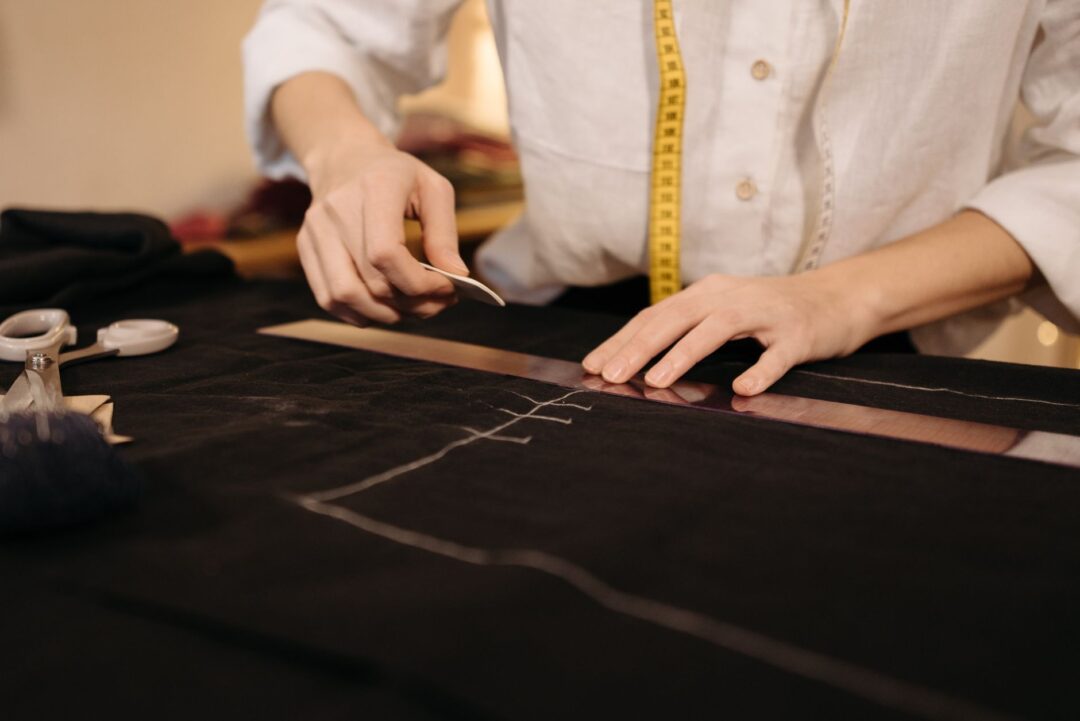
Wedding dress alterations cost $300 to $800 for most US brides in 2026, with the total rising to $700 to $1,000 when a gown needs a full package of services, including a hem, bustle, and bodice adjustments. Heavily embellished or structurally complex gowns can push past $1,200 or more.
Alterations are almost never optional. Most off-the-rack and sample gowns need at least a hem and a bustle, and many need bodice or strap work too. Building this number into your dress budget from the start prevents a scramble in the final weeks before your wedding. If you are still deciding on your overall gown budget, our guide to how much a wedding dress costs covers what brides pay from purchase through to pick-up.
Think of alterations as the final layer of your dress investment. Here is what to expect before you book your first fitting.
- National average: $300 to $800 for most brides; $700 to $1,000 for a full hem, bustle, and bodice package
- Typical range: $50 (single simple fix) to $1,500+ (complex or heavily embellished gown)
- What is usually included: Pinning and basting at your first fitting, final sewing, and pressing/steaming at pick-up
- Biggest cost drivers: Gown complexity, number of layers, beading and embellishments, number of alterations, and your city
- One money-saving tip: Buy your wedding shoes before your first fitting and bring them every time, so your hem is set correctly on the first pass
How much do wedding dress alterations cost? (the average)
Most brides in the US spend between $300 and $800 on alterations, according to Zola. For a complete package that includes a hem, bustle, and bodice work, The Knot puts the average closer to $700 to $1,000, citing bridal alteration specialists across the country. Gowns with extensive beading, multiple layers of tulle, or major structural changes can easily run $1,200 to $1,500 or more.
A few quick benchmarks to orient your budget:
- Single simple alteration (strap shortening, bustle only): $50 to $200
- Standard two to three alterations (hem, bustle, minor bodice adjustment): $400 to $800
- Complex work or heavily embellished gowns: $800 to $1,500+
A widely used rule of thumb is to budget 10 to 20 percent of your gown’s purchase price for alterations. On a $2,000 dress, that is $200 to $400 on the conservative side and up to $400 to $600 for structured, beaded, or multi-layer construction.
Alterations are a meaningful budget line. For how this fits into the bigger picture, see our wedding budget breakdown and the full average wedding cost in 2026.
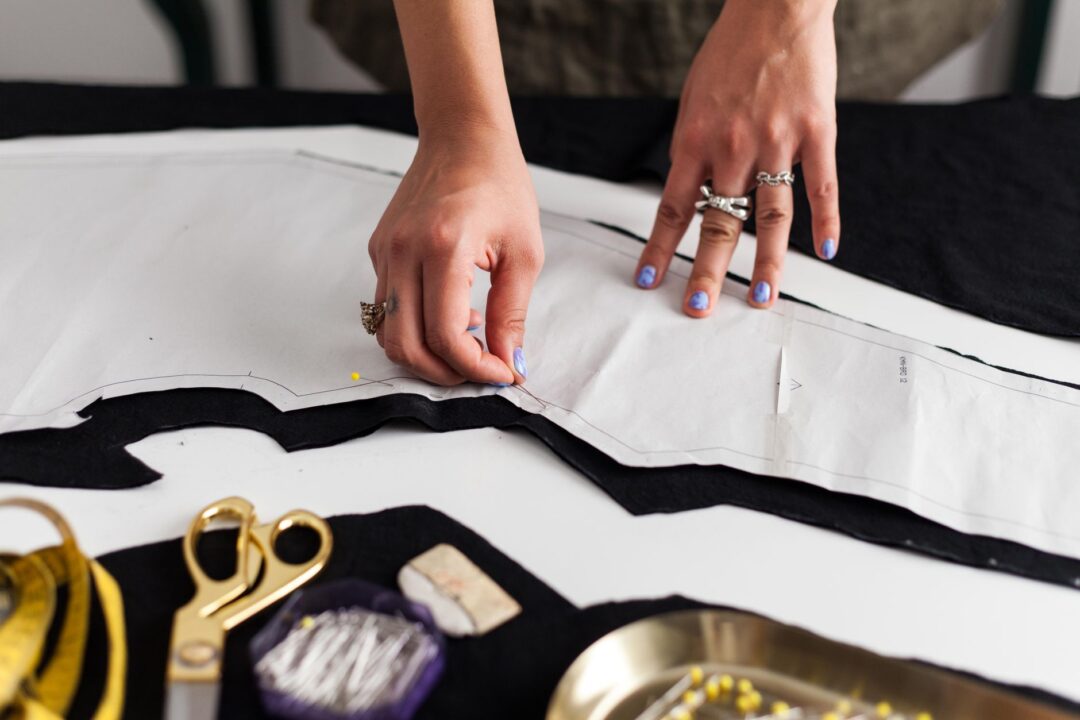

Wedding dress alterations cost breakdown
Not every bride needs every service. The table below covers the most common individual alteration types and their typical US price ranges in 2026, based on data from The Knot, Zola, and WeddingWire.
| Alteration type | What it involves | Typical cost range |
|---|---|---|
| Hem (simple, single layer) | Shortening a plain crepe or satin gown by length | $125 – $250 |
| Hem (multi-layer, lace, or beaded) | Cutting and finishing tulle, lace overlay, or beaded hem across multiple layers | $300 – $500 |
| Taking in the bodice | Removing fabric at side or back seams for a snugger fit | $100 – $400 |
| Letting out the bodice | Adding seam allowance or fabric panels to create more room | $100 – $300 |
| Bustle, simple (2-4 points) | French or American bustle to lift a train for the reception | $75 – $175 |
| Bustle, elaborate (5+ points) | Multi-point ballgown bustle with heavier fabric | $200 – $400 |
| Strap shortening | Adjusting spaghetti or wide straps at the shoulder | $30 – $75 |
| Adding straps | Attaching new straps to a strapless bodice | $100 – $250 |
| Adding sleeves | Custom sleeves sewn onto a sleeveless or strapless gown | $300 – $600 |
| Corset closure conversion | Replacing a zipper with a lace-up corset back | $100 – $300 |
| Neckline adjustment | Raising, lowering, or reshaping the neckline | $200 – $500 |
| Beadwork and lace repair | Re-attaching lace appliques or re-sewing beads along a seam line | $400 – $800+ |
| Major silhouette change | Restructuring the skirt, adding or removing volume | $500 – $1,000+ |
| Rush fee | Express timeline (2 to 4 weeks instead of the standard 6 to 10) | +25% to +50% of total |
Sources: The Knot, Zola, WeddingWire; US market data, 2025-2026.
What drives the cost of wedding dress alterations?
1. Gown complexity
A slip dress in one layer of crepe takes far less time to hem than a ballgown with a crinoline, a lace overlay, and a beaded train. Every additional layer the seamstress has to work through adds time and cost. This is the single biggest variable in your alteration bill.
2. Fabric type
Delicate fabrics like chiffon, silk charmeuse, and lace require slower, more precise cutting and sewing. Polyester blends and heavier wovens are more forgiving and faster to work with, which keeps the labor cost lower.
3. Beading and embellishments
Beads, sequins, and lace appliques must often be removed from any seam line, repositioned, and re-sewn after the cut is made. If your hem passes through beading, expect to pay a meaningful premium on top of the base hem price. This is one of the most overlooked costs when brides budget for alterations.
4. Number of services
Most brides need at least a hem and a bustle. Each additional service adds to the total. A combination of a hem, bustle, bodice take-in, corset conversion, and strap addition can reach $800 to $1,200 even on a mid-priced gown.
5. Your location
Seamstress rates follow local cost-of-living patterns across the US. Major coastal cities charge significantly more than smaller markets. See the regional breakdown below.
6. Bridal specialist vs. independent tailor
A seamstress who works exclusively on bridal gowns commands higher rates than a general alterations shop. The expertise is worth the premium for construction-heavy work or couture fabrics. Simple adjustments like strap shortening can often be done affordably at a trusted general tailor without sacrificing quality.
7. Rush timeline
Booking within six weeks of your wedding typically triggers a rush fee of 25 to 50 percent on top of the standard rate. Scheduling 10 to 12 weeks out lets you avoid this charge entirely.
What is included vs. what costs extra
Usually included in the quoted price
- Initial consultation and measurements
- Pinning and basting at your first fitting
- Final sewing and finishing
- Pressing and steaming at pick-up
- The base hem, bustle, or bodice service agreed at your first appointment
Common add-on costs
- Additional fittings beyond the two or three that most studios include in their base quote
- Beadwork re-attachment along any cut line
- Adding or changing embellishments such as buttons, lace trim, or sashes
- Structural additions like sleeves, cups, or a built-in corset
- Rush fees for tight timelines
- Garment cleaning or preservation, which is typically a separate service
Always ask for a written estimate after your first consultation. Reputable bridal alteration studios provide one as standard practice, and it protects you if the scope expands.
Wedding dress alterations cost by region
Seamstress labor rates mirror local living costs across the US.
| Region | Typical seamstress rate | Standard alteration package estimate |
|---|---|---|
| New York / Los Angeles / San Francisco | $60 – $120+ per hour | $800 – $1,500+ |
| Chicago / Washington DC / Boston | $50 – $90 per hour | $600 – $1,200 |
| Houston / Dallas / Phoenix / Atlanta | $40 – $70 per hour | $400 – $900 |
| Midwest / Southeast / rural markets | $25 – $50 per hour | $250 – $700 |
These are ranges, not fixed prices. A boutique atelier in a major city that specializes in couture bridal work can charge well above these bands. A skilled independent seamstress in a smaller market may charge significantly less. Always get a quote specific to your gown.
How to save on wedding dress alterations
1. Budget for alterations before you say yes to the dress
The tag price does not include alterations. A $1,800 gown that needs $600 in work costs you $2,400 in total. Factor an alteration estimate into your dress comparisons before you commit, not after.
2. Buy your shoes before your first fitting
Your hem height is measured from the floor using the shoes you will wear on your wedding day. Showing up in the wrong shoes, or no shoes, means your hem gets set at the wrong length. A correction visit costs extra time and money. Purchase your wedding shoes first and bring them to every fitting appointment.
3. Schedule early to avoid the rush fee
Rush fees add 25 to 50 percent to your bill. Booking your first fitting 10 to 12 weeks before the wedding (rather than the minimum 6 to 8 weeks) gives your seamstress a comfortable pace and keeps the standard rate in play. Bridal studios fill up fast in March through June and September through November, so earlier is safer.
4. Know what you actually need
Not every alteration is necessary. A good seamstress will walk you through what is structurally required versus what is optional. Go into your consultation with a clear sense of what bothers you and what you can live with. You do not have to say yes to every suggestion.
5. Get a quote from an independent seamstress
For straightforward work, such as strap shortening or a simple hem on a single-layer gown, an independent tailor who takes bridal work can charge 30 to 50 percent less than a boutique. For complex construction, couture fabrics, or heavily beaded gowns, the bridal-specialist premium is usually justified.
6. Avoid major structural changes when possible
Restructuring a gown is the most expensive category of alteration. Adding sleeves, converting a zip to a corset back, or dramatically reshaping the neckline can run $300 to $600 per change. If you dislike the gown’s fundamental silhouette, a different dress may be a better investment than a full reconstruction.
FAQ
How many fittings do wedding dress alterations take?
Most brides go through three to four fittings: an initial consultation and pinning session, a first fitting once the main work is complete, a second fitting for fine-tuning, and a final pick-up appointment. Complex gowns or major structural changes may require five sessions.
When should I schedule my first wedding dress fitting?
Book your first appointment 8 to 10 weeks before your wedding date. The full process, from initial pinning through final pick-up, typically takes 6 to 10 weeks. Bridal studios fill their schedules fastest in the spring and fall busy seasons (March through June and September through November), so booking early protects your slot.
How much does it cost to hem a wedding dress?
A simple hem on a single-layer gown runs $125 to $250. A hem on a multi-layer, lace, or beaded gown costs $300 to $500 or more because each layer must be measured and cut separately and any beadwork along the cut line must be removed and re-sewn.
How much does a wedding dress bustle cost?
A standard French or American bustle with two to four pickup points runs $75 to $175. An elaborate ballgown bustle with five or more points can reach $200 to $400, depending on the number of hooks and the weight of the fabric being lifted.
Should I go to the bridal boutique or an independent seamstress?
For simple adjustments, an independent seamstress can offer 30 to 50 percent savings over a boutique rate. For complex structural changes, couture construction, or heavily beaded gowns, a bridal specialist is worth the premium. If you bought your gown at a boutique, ask for their alteration referrals before shopping around.
Can alterations fix a dress that is multiple sizes too big?
Yes, in most cases. Taking in a gown by one to two sizes is a routine alteration for a skilled bridal seamstress. Beyond two sizes, the structural work required increases sharply and the total cost can approach or exceed the value of the dress itself. Your seamstress will assess what is feasible and advise you at your first consultation.
Lock in your date while you sort your fittings
Getting your alterations timeline in motion also means your wedding date is locked and your guest list is taking shape. That is exactly when save-the-dates should go out, so guests have your date before venue deposits and travel decisions pile up.
Paperlust offers 500+ exclusive designs from independent artists, printed by hand in Melbourne and shipped to the US. When you are ready for the full suite, wedding invitations to match are waiting.
—
Sorting your wedding stationery?
Before you commit to a look, order a $5 sample pack from Paperlust and see the paper stocks, foil, and print finishes in your own hands. It is the surest way to lock in invitations you love without guessing from a screen.