
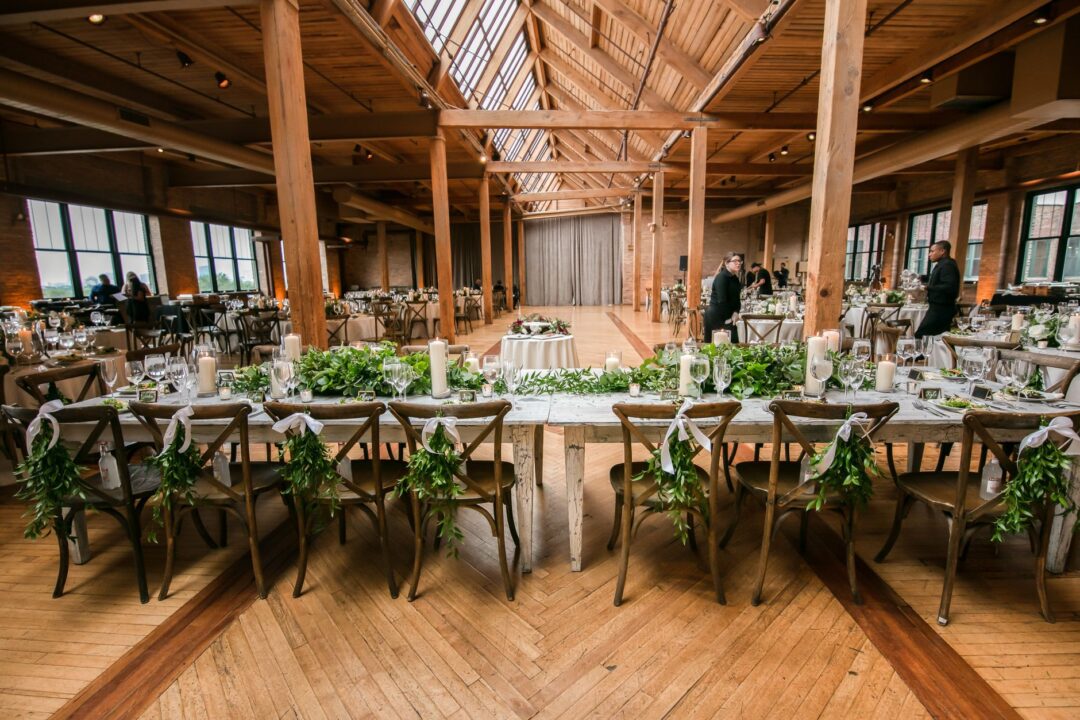
Wedding favors cost $1 to $5 per guest for most US couples in 2026, with the typical total running $200 to $500 for a 100-guest wedding. If you have a larger guest list or want keepsake-style gifts, the total can climb toward $800 or more, but the majority of couples stay well within the lower range.
According to The Knot 2025 Real Weddings Study, which surveyed nearly 17,000 couples married in 2024, the average spend on favors and gifts combined was $460. That figure includes wedding party gifts, so the favor-only portion typically lands lower. Per person, $3 is the most common mid-range spend, and 56% of couples in Zola’s 2026 Registry and Gifting Survey kept costs at $5 or less per guest.
Wedding favors are genuinely optional. Many couples skip them entirely, redirect the budget to a late-night snack bar, or make a charitable donation in guests’ names. That said, if favors matter to you, this guide breaks down exactly what to budget, what drives the price up or down, and where to find real savings without sacrificing the moment.
- National average total (favors only): $200-$500 for a 100-guest wedding
- Per-guest range: $1-$5, with $3 as the typical mid-range spend
- Budget percentage: 1-2% of your total wedding budget
- Biggest cost driver: Guest count, followed by favor type (edible vs. keepsake)
- Packaging note: Ribbons, boxes, and custom tags are usually priced separately and add 15-30% to the item cost
- Money-saving tip: Buy edible or consumable favors in bulk from a wholesale supplier and order 10-15% fewer than your confirmed RSVP headcount (not every guest takes one)
How much do wedding favors cost? (the average)
The Knot’s 2025 Real Weddings Study puts average combined spending on favors and gifts at $460 per couple. Because that number includes wedding party gifts such as groomsmen bags and bridesmaid presents, the favor-only portion for most weddings falls in the $150 to $400 range, depending on guest count and the type of favor chosen.
Per person, most couples settle into one of three spending zones:
- Budget: $1 or less per guest (seed packets, custom matchbooks, handmade bookmarks)
- Mid-range: $2-$3 per guest (mini chocolates, small honey jars, hand fans, photo magnets)
- Premium: $5 or more per guest (custom cookies, soy candles, wine keys, personalized ornaments)
Zola’s 2026 data found that 67% of recently married couples gave guests some form of favor, with the majority keeping costs at $5 or less per person. WeddingWire research aligns: the most common total budget for wedding favors falls between $200 and $600, with the national median sitting around $300.
For full context on where favors fit within your overall spend, see the 2026 average wedding cost guide.
Wedding favor cost breakdown
The table below shows how total favor spend changes across guest list sizes and per-guest price points. Use it to find a tier that fits your budget before placing any orders.
| Tier | Per-guest cost | Example favors | 75 guests | 100 guests | 150 guests |
|---|---|---|---|---|---|
| Budget | $1 | Seed packets, custom matchboxes, bookmarks | $75 | $100 | $150 |
| Budget-mid | $2 | Chocolate bars, hand fans, popcorn bags | $150 | $200 | $300 |
| Mid-range | $3 | Mini honey jars, photo magnets, trail mix | $225 | $300 | $450 |
| Premium-mid | $5 | Champagne gummies, soy candles, custom cookies | $375 | $500 | $750 |
| Premium | $8 | Wine keys, olive oil bottles, personalized ornaments | $600 | $800 | $1,200 |
Wedding planners generally recommend allocating 1-2% of your total wedding budget to favors. On a $30,000 wedding, that is $300-$600, which lines up closely with the mid-range row for 100-150 guests.
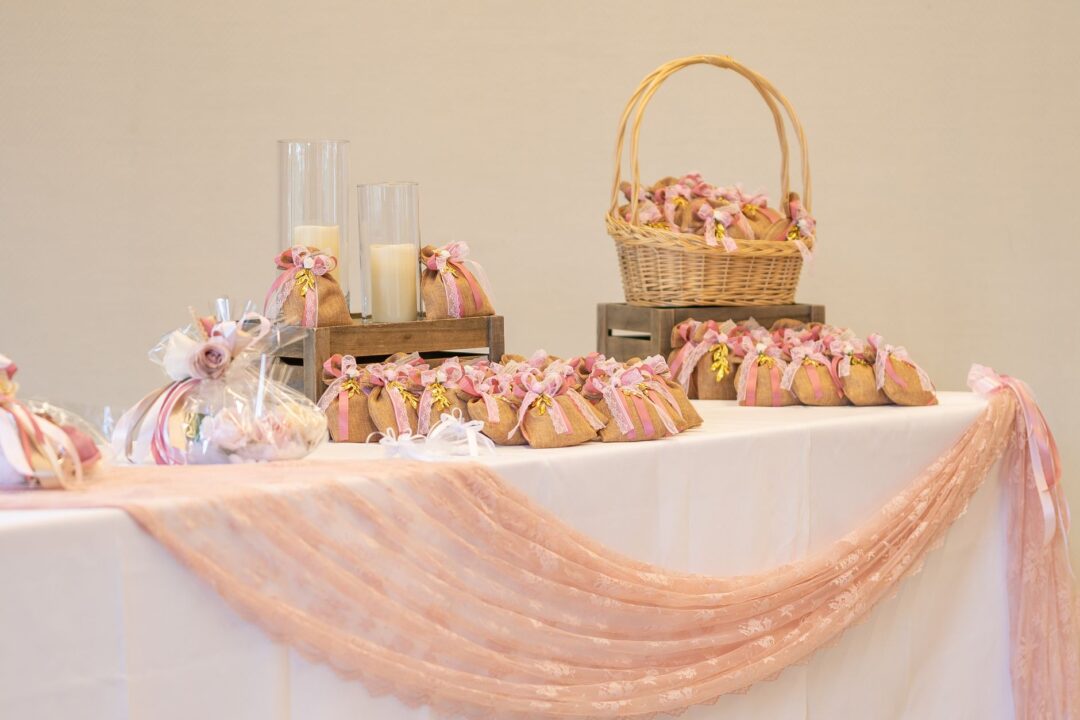

What drives the cost of wedding favors
Guest count
This is the single biggest variable. A per-person favor cost of $3 feels manageable for 75 guests ($225 total) and grows quickly at 200 guests ($600). Build your per-person budget around your guest list size first, then choose the favor type that fits.
Favor type
Consumables (food, candles, seeds, plants) almost always cost less to source than keepsakes (glassware, picture frames, custom jewelry). A mini jar of honey runs $3-$6 each; a personalized acrylic ornament typically runs $10-$15 each.
Personalization
Adding a custom label, date, or name raises the unit cost by $0.25 to $2, depending on the print complexity and minimum order quantity. Bulk custom labels from a direct print supplier usually cost less than buying from a favor-specific wedding retailer that bundles personalization into a premium package.
Packaging and presentation
The favor item itself is only part of the cost. Ribbon, organza bags, kraft boxes, tissue paper, and custom hang tags each add $0.50 to $2 per unit. Choosing minimal packaging (a single label on a jar, for example) is one of the fastest ways to reduce the total bill without changing the favor itself.
DIY vs. pre-made
DIY favors can reduce the material cost per unit, but factor in your time, any tools or equipment you need, and the risk of production errors on a large batch. Homemade jam jars might run $1.50 each in materials but require 12 or more hours of work for 100 guests. Pre-made edible favors from a wholesale supplier often hit a similar price point without the labor, making DIY most worthwhile when you have both a genuine craft skill and a meaningful personal connection to the item.
Where you buy
Wedding-specific favor retailers charge a premium over wholesale food suppliers, bulk craft stores, and direct-from-artisan platforms. Purchasing 100 units of honey directly from a local beekeeper, for example, typically costs 30-50% less than the same product repackaged and sold through a wedding vendor. The markup is real and avoidable if you shop a level closer to the source.
What’s included vs. what costs extra
What’s typically included in the quoted price:
- The favor item itself (candle, jar, packet, cookie, etc.)
- Basic manufacturer or factory packaging if the item is sold ready-to-give
What usually costs extra:
- Custom labels or personalized hang tags
- Ribbon, twine, organza bags, or kraft boxes
- Individual gift boxes for a more formal presentation
- Bulk packaging upgrades (upgraded ribbon, premium tissue paper)
- Rush production fees for custom-printed items
- Shipping costs when ordering from an online wholesaler
Budget for packaging to add 15-30% on top of the item cost, especially if you want each favor to look polished and cohesive with your wedding aesthetic. This is one of the most commonly underestimated line items on a favor budget.
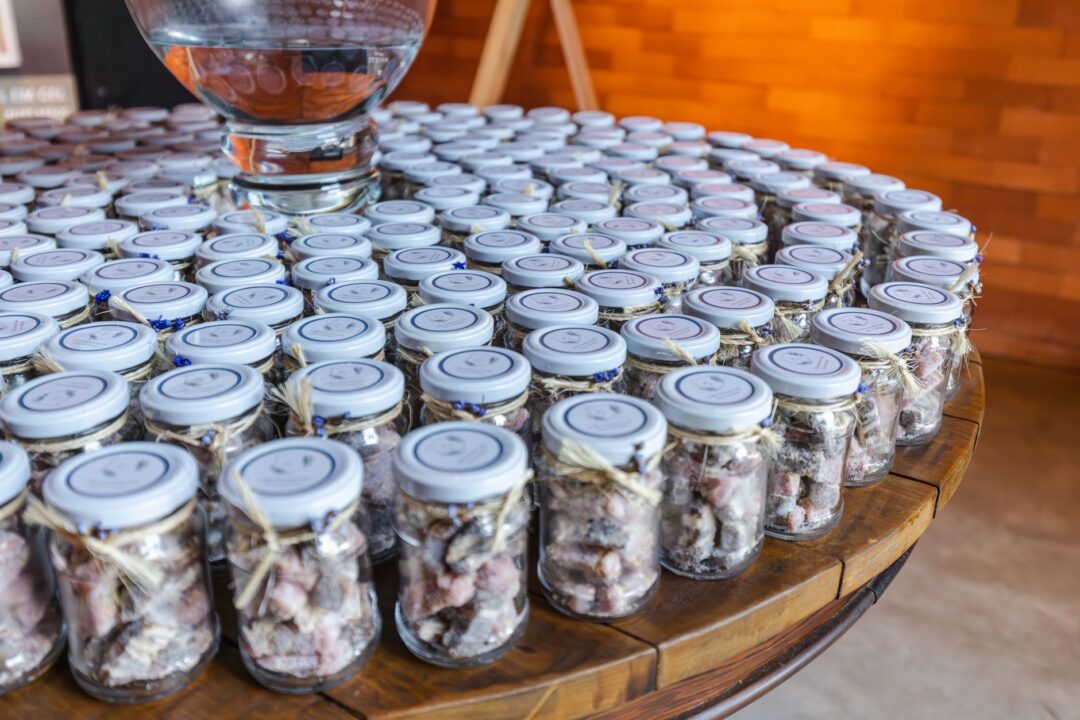
Wedding favor cost by region and guest list size
Regional spending data from The Knot shows meaningful variation across the US:
| Region | Average total spend (favors + party gifts) |
|---|---|
| Mid-Atlantic | $591 |
| Northeast | $473 |
| West | $419 |
| South | $415 |
| Midwest | $409 |
| Destination weddings | $702 |
Mid-Atlantic couples spend the most, likely reflecting higher overall wedding budgets and a preference for premium keepsake favors. Midwestern couples are the most cost-conscious, averaging $409. Destination weddings skew highest because couples often choose locally themed or experiential favors that tie into the location’s story.
Guest count drives total spend more than region in most cases:
- Under 50 guests: $301 average total (includes party gifts)
- 100+ guests: $529 average total (includes party gifts)
Couples with intimate guest lists can afford to spend more per person. A $5 custom cookie does not strain the budget at 40 guests. Larger weddings almost always benefit from finding a lower per-unit price, which is where bulk ordering and edible favors earn their place.
How to save on wedding favors
Buy in bulk from wholesale suppliers
Wholesale platforms and direct food producers consistently cut per-unit costs by 30-50% compared to wedding-specific retailers. For honey jars, contact a local beekeeper. For candles, look at bulk artisan suppliers rather than boutique bridal vendors. The product is often identical; the markup is the difference.
Choose edible or consumable favors
Guests are far more likely to use and appreciate something they can eat or drink. Consumables also tend to cost less per unit, and you avoid the “drawer of unused keepsakes” outcome that makes favors feel like a wasted line item. The current preference in 2026 is for high-quality local edibles: small-batch honey, local jam, flavored sea salt, or artisan chocolates.
Skip individual packaging
A favor station where guests choose their own item eliminates the need for individual boxes, bags, and ribbons. It also becomes a visual element guests interact with, turning the favor into a small experience rather than an object on a chair.
Order fewer than your headcount
Order 10-15% fewer favors than your confirmed RSVP count. Not every guest takes a favor, couples often share one, and tables typically have extras left at the end of the night. On a 130-person wedding, ordering 110 favors is usually sufficient and saves $50-$150 depending on your per-unit price.
Consider skipping them for large or destination weddings
For guest lists above 200, or destination weddings where guests have luggage and travel logistics to manage, favors are widely considered optional. Redirecting the budget to a late-night snack station, a champagne toast upgrade, or a photo print station delivers more value per dollar and creates a better guest memory.
Replace the individual favor with a shared experience
A popcorn bar, a waffle station, or a donation to a cause meaningful to you both often lands better with guests than a physical item, at roughly the same total cost or less per person.
For a complete picture of where favors fit across every line item, the wedding budget breakdown guide walks through the recommended percentages for each category.
FAQ
How much should I spend on wedding favors per person?
Most US couples spend $2-$5 per guest. For a 100-guest wedding, that puts the favors-only budget at $200-$500. If budget is tight, $1-$2 per person is completely reasonable, particularly with consumables like seed packets or small chocolates. Wedding planners generally recommend keeping favors to 1-2% of your overall budget, so on a $25,000 wedding that means $250-$500 total.
Are wedding favors necessary?
No. Zola’s 2026 data shows that 33% of recently married couples gave no guest favors, and guests rarely expect them. If skipping favors allows you to invest in something more meaningful (better food, a live musician, an extra hour on the dance floor), that is a perfectly valid choice. A handwritten note at each place setting can feel more personal than a generic item for a fraction of the cost.
What are the cheapest wedding favors per person?
Seed packets ($0.50-$1 each), custom matchboxes ($0.75-$1.50 each), and small bags of trail mix or popcorn ($1-$2 each) are consistently among the most affordable options that still feel intentional. Sourced in bulk directly from a supplier, per-person costs can come in under $1 with no sacrifice in presentation.
Should I DIY or buy wedding favors?
DIY works well when you have the time, the craft skill, and access to bulk materials. Homemade edibles (jam, infused honey, shortbread cookies) hit a similar price point to wholesale alternatives once you account for ingredient costs and packaging, but the labor is significant. For non-edible keepsakes, pre-made almost always wins on total cost once your time is factored in. A useful rule: if you’d enjoy making them and have tested the process on a small batch, DIY is a great choice. If you’d be scrambling the week before the wedding, buy pre-made.
How many wedding favors should I order?
Order 10-15% fewer than your final confirmed RSVP count. Not every guest takes a favor, many couples take one to share, and the extras rarely get used. For a 120-person wedding, ordering 100-110 favors covers the realistic take rate for most styles and venues.
Where do I find the best prices on bulk wedding favors?
Local wholesale food producers (beekeepers, bakeries, spice blenders), craft wholesalers (for candles and succulents), and bulk food platforms tend to offer the best pricing. Direct sourcing cuts out the wedding-vendor markup that can add 30-50% to unit costs on identical products.
Lock in your date, then your stationery
Once your vendors are confirmed and your guest list is taking shape, your save-the-dates should go out 6-12 months before the wedding (earlier for destination events). With your date set and a clear picture of who’s coming, you can finalize your favor budget alongside your stationery timeline. Paperlust’s save-the-date designs start from $1 per card with designer proofs delivered in 1-2 business days.
Sorting your wedding stationery?
Before you commit to a look, order a $5 sample pack from Paperlust and see the paper stocks, foil, and print finishes in your own hands. It is the surest way to lock in invitations you love without guessing from a screen.