
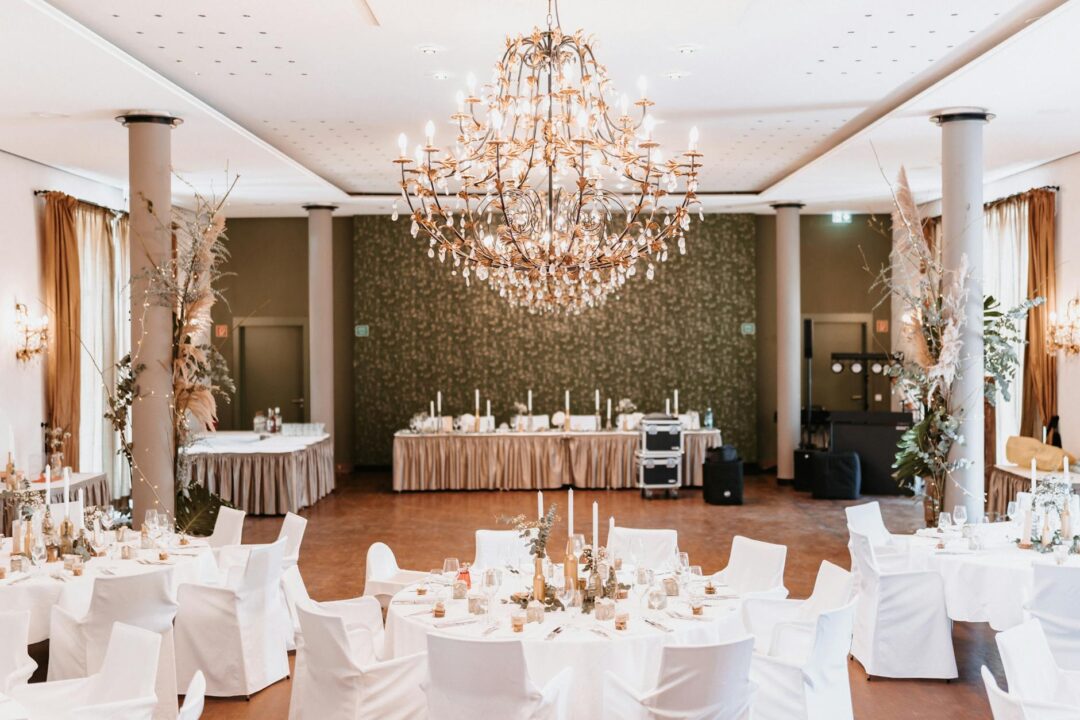
A wedding speech can make a room go quiet with emotion, then erupt in laughter thirty seconds later. It can turn a stranger into a friend or give a shy parent the words they never quite found. Done right, it becomes one of the most-talked-about moments of the night, and done wrong, it becomes the story people whisper about for years.
This guide covers everything: who speaks, what they say, how long to go, and how to deliver it without your hands shaking. If you are giving a speech or coordinating the lineup, you will find real examples, a timing table, and links to the full, role-specific guides for each speaker on your list.
Paperlust wedding invitations and programs set the visual tone for your day before a single word is spoken. The speeches continue that story in real time.
Quick reference
Wedding speeches in 30 seconds
- Standard speaker order: father of the bride, father of the groom, best man, maid of honor, couple
- Modern weddings: mothers, siblings, close friends, and ring-bearers-turned-adults are all fair game
- Ideal length: 3-5 minutes per speaker (best man/MOH); parents 4-6 minutes; couple 2-4 minutes
- Total speech block: aim for 20-35 minutes across all speakers
- Best timing: after the first course is served or during cocktail hour for ceremony-focused speeches
- Each role has a deep-dive guide linked throughout this page
Browsing from outside the US? Find US wedding invitations | AU | UK | CA | NZ.
Who Gives Speeches at a Wedding: Complete Speaker Order
Wedding speech etiquette has loosened significantly over the past two decades. Traditional rule books called for three male speakers only: the father of the bride, the groom, and the best man. Today that list has expanded to reflect real family structures, modern gender dynamics, and couples who want everyone who matters to have a voice.
The traditional speaker lineup
- Father of the bride: typically opens the speeches, welcomes the groom’s family, and toasts the couple
- Father of the groom: responds with welcome, thanks the bride’s family, toasts the newlyweds
- Best man: humor-forward, anecdotes about the groom, ends with a sincere toast
- Maid of honor: warmth and wit about the bride, celebrates the couple’s relationship
- The couple: thanks guests, vendors, family; optional personal vows extension
The modern additions
- Mother of the bride: increasingly common; often the most emotional speech of the night
- Mother of the groom: welcomes the new family member, reflects on raising her child
- Siblings: bring insider family humor and perspective no one else can offer
- Close friends (non-wedding-party): appropriate when a best friend was not in the formal party
- Officiant: can give a brief toast at the reception if they are also a close friend
- Work colleagues or mentors: appropriate for small, intimate receptions
Who should NOT give a speech
Anyone who cannot keep it under six minutes, anyone who has not practiced at least twice, anyone whose speech relies entirely on alcohol-fueled improvisation, and anyone whose “funny” anecdote requires an apology to finish.
Recommended running order at the reception
- MC or venue coordinator introduces the first speaker
- Father of the bride (or parent of the person who was hosted)
- Father of the groom (or second set of parents)
- Best man
- Maid of honor
- Any additional speakers (siblings, close friends, second parents)
- The couple: groom first, then bride, or together as one joint speech
If you are printing a wedding program that lists the reception schedule, include the speech order so guests can follow along. Browse Paperlust wedding programs to find designs that accommodate a full reception timeline.

The Anatomy of a Great Wedding Speech (Structure That Always Works)
Every memorable wedding speech follows a similar skeleton, regardless of who is giving it. The specific content changes; the structure stays consistent.
The five-part framework
1. The hook (first 30 seconds)
Open with something unexpected: a short story, a surprising fact about the couple, or a one-liner that earns a laugh or a gasp. Do not start with “Hi, I’m [name] and I’ve known [person] for [X] years.” Everyone in the room already knows this.
2. Who you are and your relationship (30-60 seconds)
Establish your connection briefly. One sentence is enough: “Jake was my college roommate, my business partner for four years, and the person who convinced me to adopt a dog I absolutely did not need.”
3. The story (the heart of the speech, 90-120 seconds)
Tell one or two specific, concrete stories. Not summaries; actual scenes with details, dialogue if you remember it, and a clear point that lands on the couple’s character. Vague adjectives (“she’s so kind, so generous”) are forgettable. A specific story is not.
4. The partner and the relationship (60-90 seconds)
Show how the couple fits together. What changed in your friend when they met this person? What do they bring out in each other? This is the emotional core of the speech.
5. The toast (30-45 seconds)
End cleanly with a direct toast. Raise your glass, address the couple by name, make it specific to them, and sit down. Speeches that drift after the toast lose everything they built.
What separates a great speech from a forgettable one
| Forgettable | Memorable |
|---|---|
| “She’s the most amazing person I know.” | “She drove four hours in a snowstorm to help me move, and complained exactly zero times.” |
| Listing every year you’ve known them | One defining story that captures the relationship |
| Inside jokes no one else gets | Specific details that invite the whole room in |
| Generic love quotes from the internet | Something you observed about this couple, in your words |
| Apologizing for being nervous | Pausing, smiling, and continuing |
Father of the Bride Speech Examples
The father of the bride typically opens the formal speeches. He is simultaneously the host, the proud parent, and the person handing off his child to a new life. That is a lot to carry in five minutes.
What to include
- A welcome to guests, particularly those who traveled
- A story or two about your child growing up
- Your first impression of their partner and what convinced you they were the right person
- Any wisdom you want to pass on
- A toast to the couple
Example excerpt: warm and personal
Example excerpt: humorous and loving
For a full guide with 10+ complete templates, wording tips for step-dads and non-traditional family structures, and a week-by-week writing schedule, read our deep-dive father of the bride speech guide.
Mother of the Bride Speech Examples
The mother of the bride was once an afterthought in the formal speech lineup. In modern weddings, her speech is often the most anticipated of the night, it is the perspective no one else can offer: the woman who knows both who her child was and who they have become.
What makes a mother of the bride speech stand out
- Specific childhood memories that reveal character, not just sentimentality
- Honest acknowledgment that handing your child over to another person is both joyful and bittersweet
- A warm, inclusive welcome to the partner and their family
- Direct advice or wishes for their life together
Example excerpt: emotional and genuine
Example excerpt: short and sharp (for those who prefer brevity)
For 12+ full examples, an emotional delivery guide, and advice for mothers who are also officiating or coordinating, visit our mother of the bride speech guide.
Mother of the Groom Speech Examples
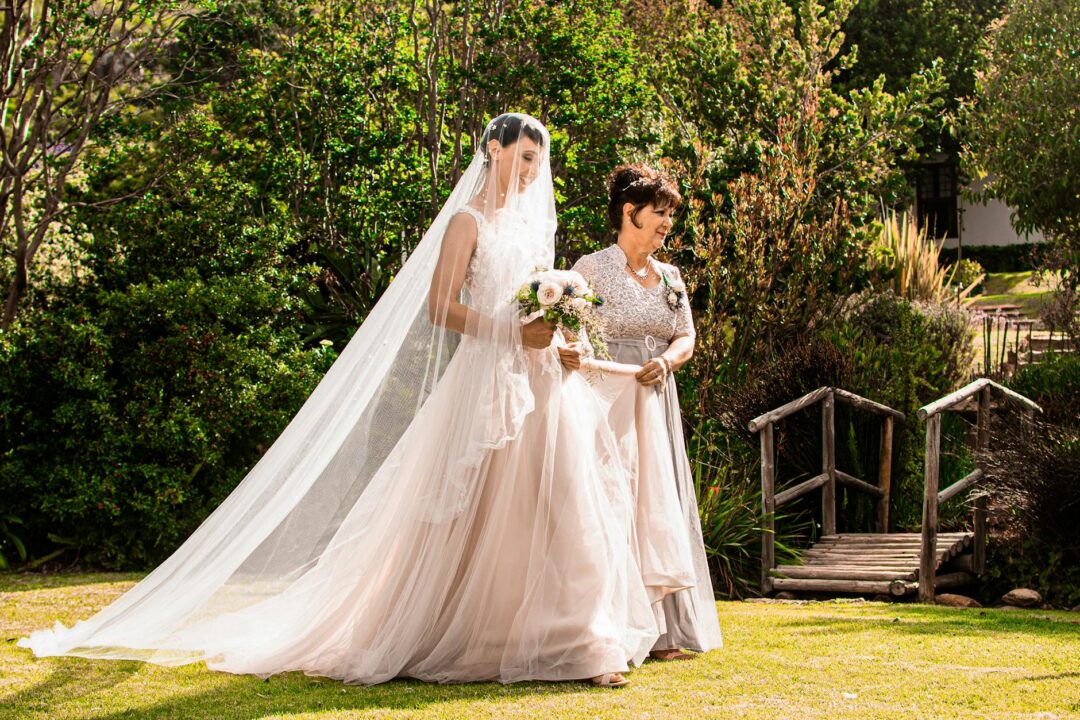
The mother of the groom navigates a slightly different emotional territory. She is welcoming a new person into her family while also releasing her child into someone else’s orbit. The best mother of the groom speeches find the balance: loving without being possessive, inclusive without being performative.
What to focus on
- A story about who your son or child was, something that explains who they became
- The moment you knew their partner was right for them (a specific scene, not a vague impression)
- A direct welcome to the partner and their family
- Brief, genuine advice about marriage from your own experience
Example excerpt: welcoming and warm
Example excerpt: humorous with heart
The full deep-dive guide covers step-mother speeches, blended family etiquette, same-sex parent speech structures, and 10+ complete examples: mother of the groom speech examples.
Maid of Honor Speech Examples
The maid of honor speech has the highest expectations of any speech at the wedding. Everyone expects it to be funny, touching, personal, and brief. Deliver on three of those four and you will be fine. Try to nail all four and you will get a standing ovation.
The maid of honor speech formula that works
- Open with something unexpected, a story opening, a confession, or a single line that gets a laugh
- Establish your friendship, specifically, not generically
- Tell one story about the bride that shows who she really is, the more specific and concrete, the better
- Bring in the groom, show what changed in your friend when they arrived
- Offer a wish or a piece of advice, something you genuinely believe
- Toast cleanly and sit down
Example excerpt: classic best-friend warmth
Example excerpt: funny opener that earns the room
For 15+ full examples broken down by tone (funny, sentimental, short, emotional, for a shy speaker), plus a word-for-word writing template and delivery checklist, read our maid of honor speech guide.
Best Man Speech Examples
The best man speech is the one everyone quotes at the next family gathering. It has the loosest rules and the highest entertainment expectations. The trick is landing the humor without crossing the line into embarrassment, and then pulling the emotion out at the end so it does not feel like a roast.
The classic best man speech structure
Open with something funny
Either a self-deprecating line about being unqualified for this job, or a one-line setup that frames what is coming. Do not explain the joke before you tell it.
Two or three stories about the groom
Pick stories that embarrass him slightly but make him look ultimately decent. The goal is to show his human side, not to settle scores. Each story should have a punchline or a pivot to something sincere.
The meeting-the-bride section
This is where you shift tone. Describe what changed in your friend when this person appeared. Keep it genuine. One specific observation is worth more than three paragraphs of compliments.
The toast
End with a clean, direct statement to both of them, not just the groom. Raise the glass, say their names, sit down.
Example excerpt: classic and charming
Example excerpt: short best man speech (under 3 minutes)
For 12+ full templates sorted by length and tone, how to handle a groom with no embarrassing stories, and tips for joint best man speeches, read the full best man speech guide.

Groom and Bride Speech Examples
The couple’s speech is the one everyone came for. It can be joint or individual. It is the thank-you, the summary of the day, and the promise about what comes next all rolled into one. Most couples underestimate how long this takes to write, and then rush it.
What the couple’s speech must do
- Thank specific people by name: parents, the wedding party, vendors who went above and beyond, guests who traveled far
- Acknowledge anyone who is no longer here but was expected to be
- Say something to each other that feels private enough to be meaningful but public enough to include the room
- End with a toast to the guests
Example groom speech excerpt: emotional and sincere
Example bride speech excerpt: warm and thankful
Joint couple speech: a simple structure
- Groom: Open with thanks to guests and parents
- Bride: Add thanks to the wedding party and vendors
- Groom: Say something about the bride, a specific, genuine observation
- Bride: Say something about the groom
- Together: Raise a toast to everyone present
How Long Should a Wedding Speech Be: By Role
Speech length is where most speakers go wrong. Longer does not mean more meaningful. A sharp, tight three-minute speech will be remembered years after a seven-minute one that overstayed its welcome.
| Speaker | Recommended Length | Approximate Word Count | Notes |
|---|---|---|---|
| Father of the bride | 4-6 minutes | 550-800 words | Opens the speeches; sets the emotional tone |
| Father of the groom | 3-5 minutes | 400-650 words | Usually shorter; responds to the first speech |
| Mother of the bride | 3-5 minutes | 400-650 words | Can substitute for or speak alongside father |
| Mother of the groom | 3-5 minutes | 400-650 words | Welcome-focused; often more heartfelt than humorous |
| Best man | 3-5 minutes | 400-650 words | Humor-first; the crowd-pleaser of the lineup |
| Maid of honor | 3-5 minutes | 400-650 words | Balance of funny and sincere; often most anticipated |
| Groom (individual) | 3-5 minutes | 400-650 words | Heartfelt thanks; should address bride directly |
| Bride (individual) | 3-5 minutes | 400-650 words | Still relatively rare; usually the highlight when it happens |
| Couple (joint speech) | 4-7 minutes total | Split 200-350 each | Coordinate so it feels rehearsed, not scripted |
| Sibling or close friend | 2-3 minutes | 280-400 words | Keep tight; audience goodwill does not extend as far |
| Total speech block | 20-35 minutes | 3,000-4,500 words spoken | Over 40 minutes is too long for most receptions |
The golden rule on length
The audience will always prefer a speaker who stops while they still want more. The moment you see phones come out, you have gone on too long.
Wedding Speech Writing Process: 6-Week Timeline
Most people leave speech writing until the week of the wedding. That is how you end up with a fragmented three-minute ramble held together by bullet points on your phone. Here is the timeline that actually works.
Week 1: Research and memory mining
- Write down every story you can remember involving the person you are speaking about, do not filter yet
- Ask mutual friends or family for stories and details you might have forgotten
- Note what you genuinely admire about their relationship with their partner
- Identify the one story that best captures who they are
Week 2: Rough draft
- Write a messy first draft, no editing, no judgment, just get the words on paper
- Aim for double your target word count; you will cut it down
- Do not worry about the opening yet, write the middle stories first
Week 3: Structure and edit
- Apply the five-part framework: hook, relationship, story, the partner, toast
- Cut everything that is only funny to you (or to three people in the room and no one else)
- Read it aloud, the parts that feel awkward to say aloud will feel even more awkward in the room
Week 4: First read-aloud with a friend
- Read it out loud to one person you trust to be honest
- Time it, add 20% to your read-aloud time to account for pauses, laughter, and nerves
- Note where their attention wandered; those sections get cut or compressed
Week 5: Polish and memorize key beats
- You do not need to memorize the full speech; know the structure and the transitions cold
- Know your opening and your closing by heart, those are the moments everyone remembers
- Write cue points on an index card (not the full text; just the beats)
Week 6 (final): Delivery practice and logistics
- Run through it standing up, speaking at room volume, three times
- Visit the venue if possible and note where you will stand relative to the microphone
- Confirm timing with the MC or wedding coordinator
- Put your cue card in a jacket pocket or clutch where you will absolutely not lose it
For couples coordinating a full wedding reception timeline including when speeches fall relative to courses and first dances, the complete wedding day timeline guide maps this out hour by hour.

Delivery Tips: Voice, Pace, Eye Contact, Microphone
You can have the best speech ever written and lose the room in the first sixty seconds if you read it into your shoes. Delivery is half the job.
Voice and pace
- Slow down. Every first-time speaker goes too fast. The nerves make your mouth move faster than your brain. Deliberately slow your pace in the first thirty seconds and the rest of the speech will find its rhythm.
- Speak at 120-130 words per minute for speeches. Conversational speaking is around 140-160. Slow it down intentionally.
- Pause after punchlines and after emotional moments. The pause is what gives the room time to feel it.
- Breathe. A full breath before your first sentence will calm your voice and your nerves simultaneously.
Eye contact
- Look up from your notes every 2-3 sentences. You do not need to make sustained eye contact, just acknowledge the room.
- Make direct eye contact with the person you are speaking about during the key moments of your speech.
- At the toast, hold eye contact with the couple as you raise your glass, that is the image that photographs and that people remember.
Microphone technique
- Hold it 3-4 inches from your mouth. Most people hold it too far away in an attempt to look casual.
- Do not tap or blow into it, just speak and let the sound person do their job.
- If you are reading from paper or a phone, hold it up rather than dropping your head.
- If there is a standing microphone, position yourself so you are not turning your head to see the couple, you want a 45-degree angle at most.
Managing nerves and emotion
- Feeling emotional is not a problem. Stopping and collecting yourself is fine, guests will wait, and a genuine moment of emotion is often the most powerful thing in a speech.
- If you feel tears coming, look up at the ceiling for two seconds (not down at the page, looking down accelerates it).
- If you lose your place, pause and look at your card. The audience will not know you lost your place; they will think you paused for effect.
- One drink before speaking is fine; two is risky; three is a cautionary tale.
What to do if you get a laugh
Wait for it to finish. Delivering your next line over the top of laughter means no one hears it and you waste the moment. Smile, let it land, then continue.
Sentimental vs. Funny vs. Short: Choosing the Right Tone
Not every speaker is a natural entertainer. Not every couple wants a comedy roast. The tone of your speech should match three things: your personality, the couple’s personality, and the vibe of the wedding.
When to go sentimental
- You have a genuinely moving story that does not require jokes to land
- The couple is private and would be uncomfortable with public humor about their relationship
- The wedding has an intimate, emotional atmosphere
- You are a parent and the occasion genuinely calls for it
When to go funny
- You are naturally funny (critically: this must be true)
- The couple has a sense of humor and has indicated they want speeches to be fun
- You know enough inside stories to mine for material without crossing a line
- You are the best man or maid of honor, humor is expected from these roles
When to go short
- You are later in the speech lineup and the room’s attention is flagging
- You are not a natural public speaker and keeping it tight serves everyone better
- The couple has asked for shorter speeches
- There are more than five speakers total and the reception timeline is tight
The mixed approach (most effective)
The speeches that resonate most have one or two light moments, one genuinely sincere moment, and a clean ending. You do not need to choose between funny and moving, the contrast is what makes both land harder.
For more inspiration including theme-based speech ideas and diverse family structures, pair this guide with our posts on maid of honor duties and best man duties, which cover the full role including speech coordination with the wedding coordinator and the couple.
A note on inclusivity
Modern wedding speeches address couples as “you two,” “both of you,” or use names throughout, not “the bride and groom.” If you are speaking at an LGBTQ+ wedding, adjust any gendered role language (“giving away the bride” becomes “walking them down the aisle” or simply “welcoming them into our family”). The warmth and specificity of the speech matters infinitely more than whether you get the terminology exactly right, but a small adjustment makes everyone in the room feel included.
Pair the right speech with the right stationery. Browse Paperlust wedding invitations to find designs that match the style and tone of your day.
Ready to Begin?
Your stationery sets the stage for those speeches
From invitations that match your reception’s vibe to programs that guide guests through the speech order, Paperlust designs travel with your day.
Wedding Speech Examples: FAQs
What is the traditional order of speeches at a wedding?
The traditional order is: father of the bride, father of the groom, best man, maid of honor, then the couple. Modern weddings often rearrange this, add mothers and siblings, or save the couple’s speech for last to end on the most personal note.
How many speeches should a wedding have?
Four to six speeches is the sweet spot for most receptions. Under three can feel thin; over eight and attention will drift regardless of quality. If you have many people who want to speak, consider a shorter format for some, a 90-second toast rather than a full speech.
When should wedding speeches happen during the reception?
Most couples place speeches after the first course is served, when guests are settled and comfortable. Some prefer to cluster all speeches before dinner to free up the rest of the evening. Either works, just coordinate with your venue and caterer so food service does not interrupt mid-speech.
Can the bride give a speech at her own wedding?
Yes, and increasingly she does. The bride’s speech was unusual a decade ago; today it is one of the most warmly received moments of the night. It follows the same structure as any other speech: a story, sincere acknowledgment of the people who matter, and a toast.
What should you never say in a wedding speech?
Never mention ex-partners, failed relationships, or anything that requires an apology to finish telling. Avoid crude language, long inside jokes with a narrow audience, embarrassing stories that the person giving the speech would object to, and any “advice” that implies the marriage might be difficult. Keep it celebratory.
How do you write a wedding speech if you are not a natural speaker?
Start by writing down the three most specific things you know about the person. Build one story from those details. Use the five-part structure (hook, relationship, story, the partner, toast) and stay inside your target word count. Read it aloud daily for two weeks. The script becomes a safety net, you do not need to memorize it, just know it well enough to look up from it often.
How far in advance should you start writing a wedding speech?
Six weeks is ideal. That gives you time to write a rough draft, sit on it, refine it with feedback, and practice delivery without panic. Four weeks is manageable. Two weeks is a tight squeeze. One week or less and you will feel it on the day.
Can two people give a joint speech?
Yes. Joint speeches work well for two co-best-men, two maids of honor, or the couple themselves. The key is clear handoffs, each person knows exactly where their section ends and the other begins. Practice the transitions as much as the content. A joint speech that flows well is twice as fun as a solo one. A joint speech with awkward pauses between handoffs is twice as painful.
What is the difference between a wedding speech and a wedding toast?
A toast is the final 20-30 seconds of a speech, the moment you raise the glass and address the couple directly. A speech is the full content that leads up to and includes the toast. Technically, “giving a toast” refers to the act of raising glasses together; “giving a speech” refers to the full address. In casual usage, the terms are interchangeable and no one will correct you.
Should wedding speeches be written down or memorized?
Written down, but not read word-for-word. The best approach: know your structure, your opening, and your closing cold. Have a cue card with the five or six key beats. Fill the middle from memory and notes. This gives you the safety net of written material without the robotic delivery of reading every word.