
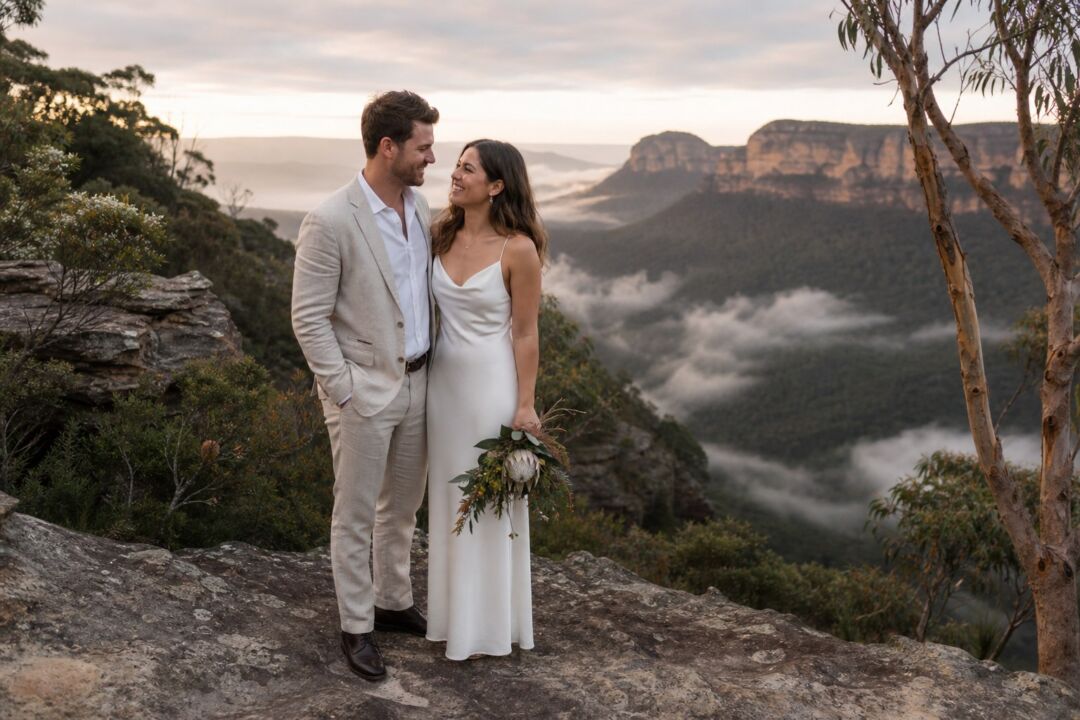
Elopements work best when the setting does the talking. Australia has no shortage of landscapes that earn a place in a ceremony: reef-edged islands in Queensland, granite-pink beaches in Tasmania, sandstone cliffs above eucalyptus valleys in New South Wales. The challenge is not finding beauty; it is knowing which locations suit the kind of day you actually want, and which ones come with planning requirements that could catch you off guard.
This guide covers the locations worth serious consideration, with practical notes on permits and seasons. For the full legal timeline and paperwork, see our guide to how to elope in Australia. Questions about cost belong to the elopement cost guide.
| Location | Best for | Avoid | Permit authority |
|---|---|---|---|
| Blue Mountains, NSW | Cliff-top drama, mist, day trip from Sydney | Busy spring weekends | NPWS or Blue Mountains City Council |
| Freycinet, Tasmania | Intimate bays, pink granite, coastal isolation | Winter (Jun-Aug) | Parks and Wildlife Tasmania |
| Bay of Fires, Tasmania | Wild coastline, white sand, orange boulders | Winter (Jun-Aug) | Parks and Wildlife Tasmania |
| Whitsunday Islands, QLD | Tropical reef and island settings | Cyclone season (Nov-Apr) | QPWS or Whitsunday Regional Council |
| Great Ocean Road, VIC | Coastal cliffs, dramatic ocean scenery | Peak summer crowds | Parks Victoria (site dependent) |
| Mornington Peninsula, VIC | Vineyards, bay beaches, easy Melbourne access | Summer peak weekends | Venue dependent |
| Margaret River, WA | Wine country, surf coast, low visitor numbers | Winter rains (Jun-Aug) | Venue dependent |
| Uluru, NT | Desert landscapes, unmistakably Australian | Summer heat (Dec-Feb) | Parks Australia and Anangu traditional owners |
Coastal, alpine and outback elopements each read differently on paper.
How to choose a location that suits you
The most useful first question is not “where is beautiful?” but “what do we want the day to feel like?” A couple who wants to hike in for an hour and have the place to themselves will make a different choice from a couple who wants to be at a restaurant forty minutes after the ceremony.
Three things narrow the field: the experience you want, the season of your ceremony, and what the permit or booking process looks like for that site. Most public land in Australia, including national parks, beaches, and council reserves, requires written permission for a ceremony. That is not a reason to avoid those locations. It is a reason to contact the land manager before committing to a date, rather than after you have booked flights.
Your celebrant and photographer both matter for location choices. Some celebrants are licensed to officiate in specific national parks. Many photographers know the permit processes for the sites they shoot regularly. Consult those two professionals early.
Blue Mountains, New South Wales
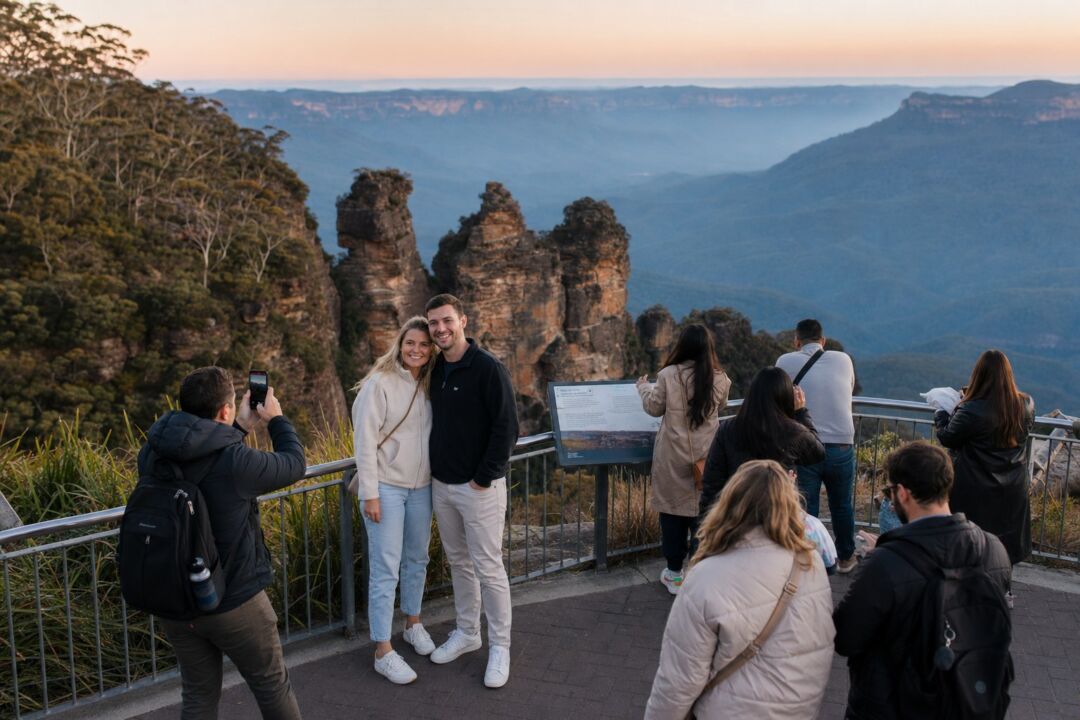

The Blue Mountains sit about 90 minutes west of Sydney by train or car, making them the most accessible dramatic landscape in the country. Sandstone cliffs, valley views stretching for dozens of kilometers, and morning mist combine in a way that photographs very differently from a beach setting.
The land here falls under two authorities. Blue Mountains National Park is managed by NSW National Parks and Wildlife Service. Ceremonies require written permission, and NPWS requires consent for gatherings of more than 20 people in the park. Council-managed parks and gardens, including Cathedral of Ferns at Mount Wilson and the gardens at Wentworth Falls, fall under Blue Mountains City Council and have their own booking process. Both advise applying well ahead of your date, particularly for weekends in spring when popular sites fill quickly.
The practical advantage is variety at close range. Cliff-edge drama in the morning, a ceremony at midday, dinner in Katoomba by evening. It is the most logistically forgiving option on this list.
Tasmania: Freycinet and Bay of Fires
Tasmania punches above its weight for elopements because it still feels genuinely remote even when services are close.
Freycinet National Park on the east coast contains Wineglass Bay and the sheltered Honeymoon Bay. Access requires national park passes for all attendees, and ceremonies inside the park need permission from Parks and Wildlife Tasmania. Freycinet Lodge is the usual booking route, and it manages Parks permissions as part of its elopement arrangements. If you plan to go directly through the authority, contact Parks and Wildlife Tasmania for the current permit process before booking vendors.
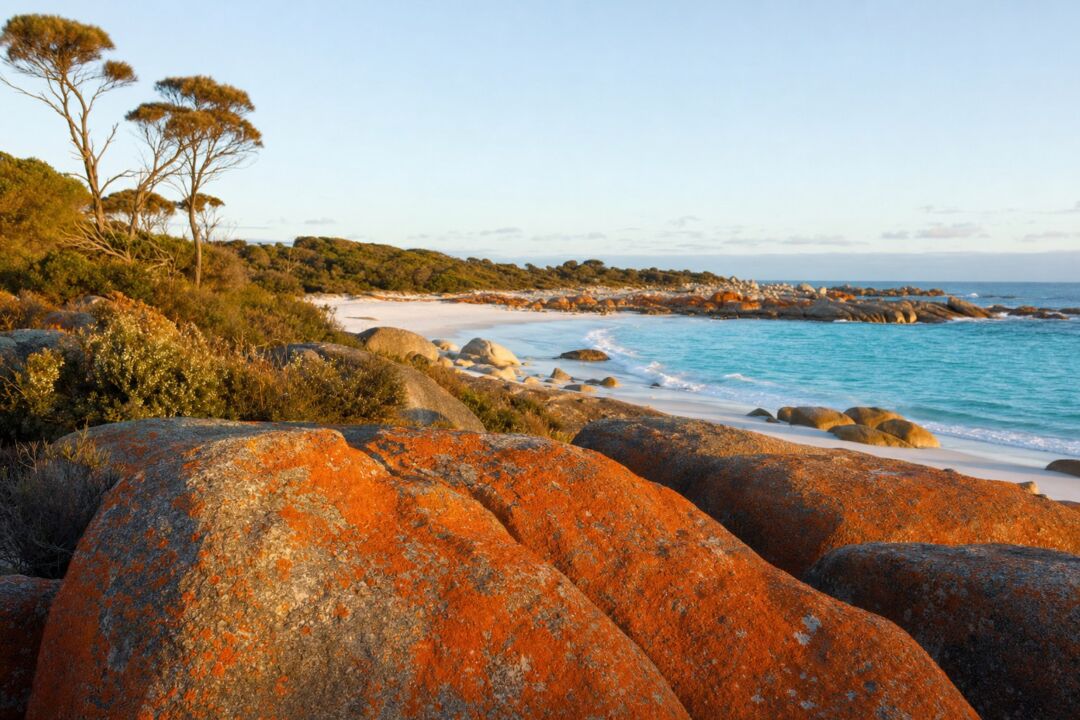
Bay of Fires stretches along the north-east coast from Binalong Bay to Eddystone Point. White sand, clear water, and orange lichen-covered granite boulders make it visually unlike anywhere else in Australia. Like Freycinet, it sits within a conservation reserve, and ceremonies, including commercial photography, generally require a permit from Parks and Wildlife Tasmania.
For both locations: coastal weather in Tasmania is variable even in summer. Build a wet-weather backup into your planning before confirming a date.
Coastal invitation designs that match a Whitsundays or beach ceremony.
Whitsunday Islands, Queensland
The Whitsundays offer the only tropical reef-and-island setting on this list. Whitehaven Beach on Whitsunday Island is the headline location: seven kilometers of silica sand with water that grades from pale turquoise to deep blue.
Getting there requires a boat or seaplane from Airlie Beach on the mainland. The islands and beach fall within the Great Barrier Reef Marine Park, managed jointly by Queensland Parks and Wildlife Service and the Great Barrier Reef Marine Park Authority. Very small ceremonies with no structures may be treated as low impact under the marine park zoning rules, but QPWS advises confirming your specific situation before booking. Structures, styled setups, or larger guest numbers move into formal permit territory.
For couples who want the Whitsundays without the island logistics, the mainland foreshore and parks around Airlie Beach are council-managed and require a Whitsunday Regional Council event permit. Local elopement planners commonly handle both permit types.
The cyclone season runs from approximately November through April. May to October offers more reliable conditions, with May and September tending to give calm water and lower humidity.
Victoria: Great Ocean Road and Mornington Peninsula
The Great Ocean Road runs along cliff-edged coastline west of Geelong. The stretch near the Twelve Apostles is the most photographed section and the most visited. Couples who want fewer people in the background should look at quieter sections further west, near Princetown or Port Campbell. The road falls partly under Parks Victoria jurisdiction; confirm requirements for your specific site before booking a photographer.
The Mornington Peninsula, southeast of Melbourne, is the opposite of rugged. Vineyards, hot springs, and sheltered bay beaches at Portsea and Sorrento suit couples who want to incorporate a winery stay or dinner into the day. Most ceremonies here take place on private venue land, which simplifies the permit question because the venue manages event approvals.
Western Australia: Margaret River
Margaret River is about three hours south of Perth and combines surf coast scenery with wine-country settings. Caves near Augusta, karri forests along Boranup Drive, and long beaches between Gracetown and Hamelin Bay give photographers a range of backdrops within a short drive.
Wineries in the region typically allow ceremonies on their property, which means the permit process goes through the venue rather than a government authority. Cape Leeuwin, where the Indian and Southern Oceans meet, is managed by Parks and Wildlife Western Australia; check directly for any ceremony requirements.
The south-west gets significant winter rain from June to August. Spring and autumn give the best combination of weather and lower visitor numbers.
Uluru and the Red Centre, Northern Territory
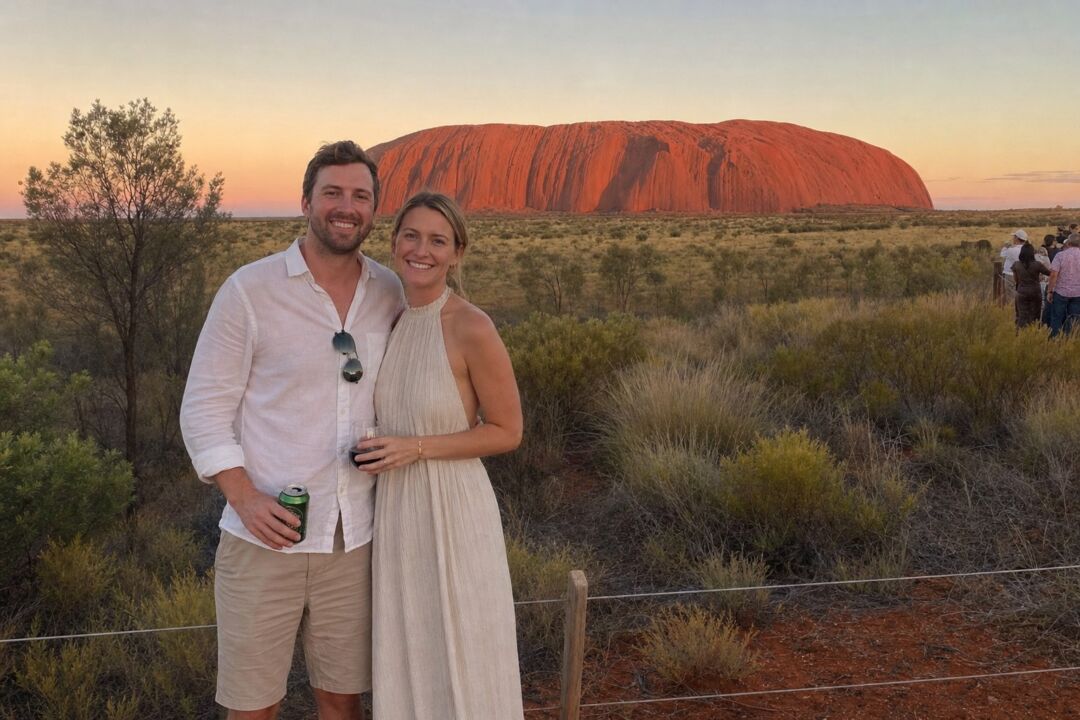
Uluru belongs on this list because it is the most unmistakably Australian setting available, and for some couples that matters more than any other consideration.
Uluru-Kata Tjuta National Park is jointly managed by the Anangu traditional owners and Parks Australia. The Anangu ask that visitors respect cultural protocols, including not entering sacred areas. Climbing Uluru has been prohibited since October 2019. Ceremonies involving areas of cultural significance require consultation with the traditional owners, coordinated through Ayers Rock Resort, which is the main accommodation and events base in the park.
Summer months from December through February regularly exceed 40 degrees Celsius. Autumn and spring are the practical windows for ceremonies.
Permits: what to sort before you book
Every location category in Australia has a different authority and process. National parks sit under state governments: NSW National Parks and Wildlife Service, Queensland Parks and Wildlife Service, Parks and Wildlife Tasmania, Parks Victoria, and Parks Australia for Commonwealth parks such as Uluru. Council land goes through local government. Private venues handle their own event approvals.
The consistent advice across all of them: contact the land manager before you set a date, and before you book vendors. Permits can take weeks to process, popular dates fill in advance, and site-specific rules around group size and commercial photography vary between locations. Your celebrant and photographer know the requirements for the sites they work regularly and are usually the best starting point before you begin filling out forms.
What to send after you say “I do”
An elopement announcement card lets family and friends receive the news in a way that feels considered. They are commonly sent within a few weeks of the ceremony. If your location produced strong photography, the card is a natural place to use it. You can browse announcement and invitation designs, including options suited to intimate elopements, at Paperlust. For a coastal ceremony, nautical wedding invitations pick up the setting without turning the card into a postcard of the location.
Elopement announcement designs you personalize online. The $5 sample pack puts seven designs and an envelope in your hands, including real foil and letterpress, so you judge paper and finish off a screen.
Frequently asked questions
Do you need a permit to elope in a national park in Australia?
Yes, in most cases. National parks across Australia treat ceremonies and commercial photography as events requiring formal permission. The exact process depends on the state and specific park. Contact the relevant parks authority, such as NSW National Parks and Wildlife Service or Parks and Wildlife Tasmania, before booking vendors or committing to a date. Applications can take weeks and popular sites book out in advance.
Can you elope on a beach in Australia?
Yes, though the requirement depends on who manages the beach. Beaches inside national parks or conservation reserves need parks authority permission. Council-managed beaches need an event permit from the local council. Private beachfront venues handle approvals themselves, which is usually the simplest path. Confirm the land manager for your chosen beach before anything else.
What is the best season for an elopement in Australia?
It depends on the location. Spring, roughly September to October in the south-east, works well for the Blue Mountains, Mornington Peninsula, and Margaret River. Tasmania is best in summer. The Whitsundays are most reliable from May to October, outside cyclone season. Uluru and the Red Centre suit autumn and spring.
What happens to legal paperwork when you elope in a remote location?
Your Commonwealth-registered celebrant handles the registration. You need to have lodged a Notice of Intended Marriage with your celebrant at least one calendar month before the ceremony. Two witnesses aged 18 or over must be present. After the ceremony your celebrant submits the documents to the state registry. The process is the same regardless of how remote your location is.
Is the Blue Mountains or Tasmania better for an elopement?
It depends on what matters most. The Blue Mountains is accessible from Sydney without flights and offers cliff-top and valley settings with easy logistics. Tasmania, specifically Freycinet and Bay of Fires, requires more travel but delivers coastline that is hard to find anywhere else in Australia. If photography is the priority and you are prepared to travel, Tasmania is usually the stronger answer. If logistics and ease of access matter more, the Blue Mountains is the practical choice.