
Your wedding guest list is one of the most emotionally charged decisions you’ll make in the entire planning process. It’s also where etiquette rules collide with family dynamics, budget realities, and social politics in ways that can cause real friction. This guide walks through how to build your list thoughtfully, handle plus-ones without creating hurt feelings, and communicate tricky policies with grace , from kids to coworkers to the Facebook friend who definitely expects an invitation.
- Start with your “must haves”: Immediate family and closest friends first
- Apply rules consistently: Whatever rule you make for one group, apply across all groups
- Plus-one rule: Give them to married/engaged/long-term couples (1+ year) and people who won’t know anyone
- Kids rule: All children invited or no children invited , no mixing
- Coworkers: If you invite one person from a team, invite the whole team
- A-list / B-list: Send B-list invitations as soon as A-list declines roll in
- Parents’ list: Negotiate a set number of slots early, not late
- Uninvited assumptions: Respond warmly but clearly , don’t let it slide
At a Glance: Wedding Guest List Etiquette
- Start with three lists: couple’s must-have, parents’ must-have, plus-ones
- Plus-one rule: offer to anyone in a relationship over 1 year, engaged, or married
- Children: all-or-none policy avoids resentment; use “Adult Reception” wording
- Trim by tiers: haven’t seen them in 2+ years, can’t name their partner, work-only relationship
- Final cut deadline: 8 weeks before the wedding, before invites print
Start With the Venue Capacity: Everything Flows From There
Before you discuss a single name, know your venue’s maximum capacity and your catering budget per head. These two numbers define the ceiling for your entire guest list. Without them, every conversation about who to invite is theoretical – and quickly becomes emotionally charged.
Once you have your ceiling, divide it proportionally between the couple and their families. A common split is 50/50 between the two sides, or 33/33/33 if one set of parents is significantly contributing to the cost and expecting input on the list. Agree on the split before anyone starts suggesting names.


Building Your Initial Guest List
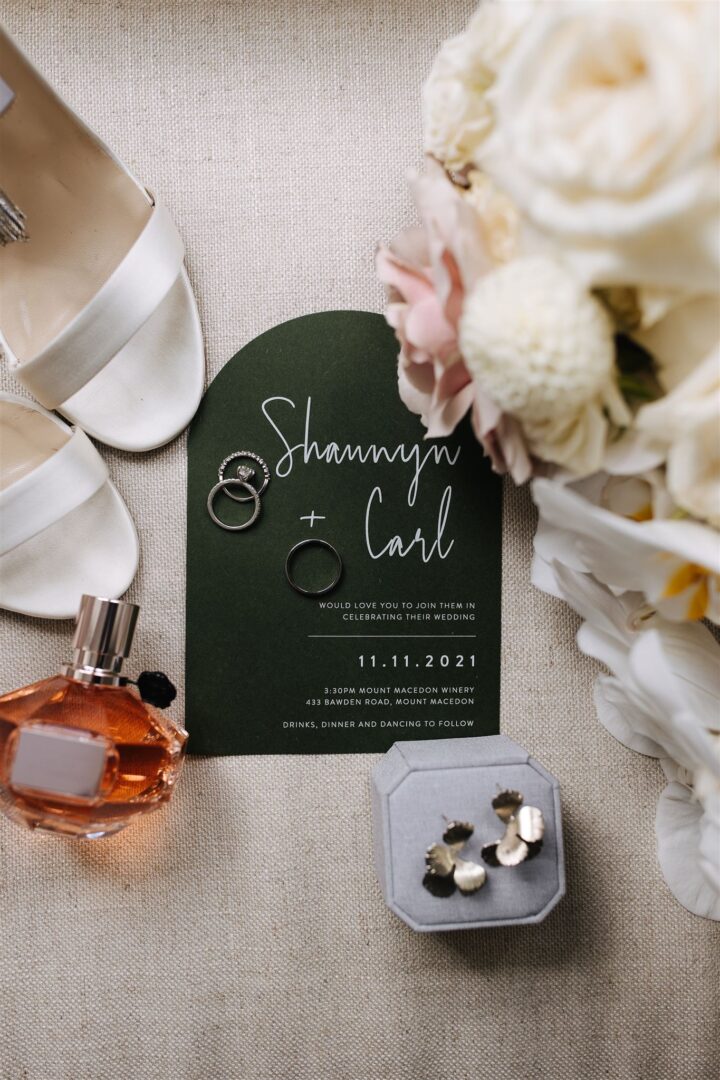
Before you can write names, you need a system. Anchor the list to two hard numbers up front: your venue capacity and your final invitation order quantity. Start by listing every person you and your partner would ideally invite with zero constraints. This is your “dream list.” Don’t edit yet , just capture names.
Then sort into three categories:
- Definite invites: Immediate family, best friends, people whose absence would change the feel of your day
- Strong invites: Close extended family, good friends, people you regularly socialize with
- Possible invites: Extended acquaintances, old friends you’ve drifted from, coworkers, plus-ones for singles
Compare your total against your venue capacity and budget. If you’re over, cuts come from the bottom of the list upward. This process is painful but much easier when you’ve pre-categorized before emotions run high.
| Guest Tier | Who’s In | Cut First If Trimming |
|---|---|---|
| Tier 1, Inner circle | Immediate family, wedding party, lifelong friends | Never |
| Tier 2, Close orbit | Extended family, close friends, mentors | Last resort |
| Tier 3, Active relationships | Friends seen 4+ times/year, current colleagues | Trim 50% if needed |
| Tier 4, Nice-to-have | Old friends, distant family, plus-ones | First to cut |
The A-List / B-List Approach
The A-list / B-list (sometimes called “tiered inviting”) pairs naturally with the standard invitation etiquette timeline and the wedding day stationery checklist is a practical and widely-used approach that many couples hesitate to acknowledge. Here’s how it works:
Shop wedding place cards
Use place cards to lock seating once your final guest count is set.
Your A-list is everyone you’d invite with no constraints. Your B-list is the group you’d love to have but can’t accommodate if everyone on the A-list attends.
Send invitations to your A-list first. As declines come in, send B-list invitations to fill those spots. The key etiquette rules:
- Send B-list invitations early enough that it doesn’t look like an afterthought. If your wedding is in June and B-listers receive invitations in May, they’ll know exactly what happened.
- B-list invitations go out the same way A-list ones do , full invitation suite, same quality, no indication they’re a B-list invite.
- Never tell B-listers they were on the B-list. This information stays internal.
A practical rule: mail B-list invitations no later than 6 weeks before the wedding. Any later and guests don’t have adequate time to plan.
Managing Parents’ Guest Expectations
Most guest-list conflicts trace back to who feels entitled to a slot, which is why setting expectations early , the same way you would set them for the invitation wording itself , saves time and feelings later. This is where most guest list conflicts originate. Both sets of parents often have strong opinions about who should be invited , especially if they’re contributing financially.
Address this early and explicitly. Before you set your final guest count, have a direct conversation with both sets of parents that covers:
- Total venue capacity
- How the list will be divided (e.g., each set of parents gets X slots; couple gets the remainder)
- The understanding that once slots are set, additions must come from their own allocation
General guidance on allocation: if both sets of parents are contributing equally, an equal three-way split (couple, bride’s family, groom’s family) is a reasonable starting point. Adjust based on who’s contributing what and what relationships matter most.
The harder conversation: if a parent insists on inviting someone you don’t know or don’t have a relationship with, it’s reasonable to ask that the invitation come from their allocation and that they’re seated at a table with people they know. Your wedding day shouldn’t be filled with strangers you feel obligated to make rounds to.
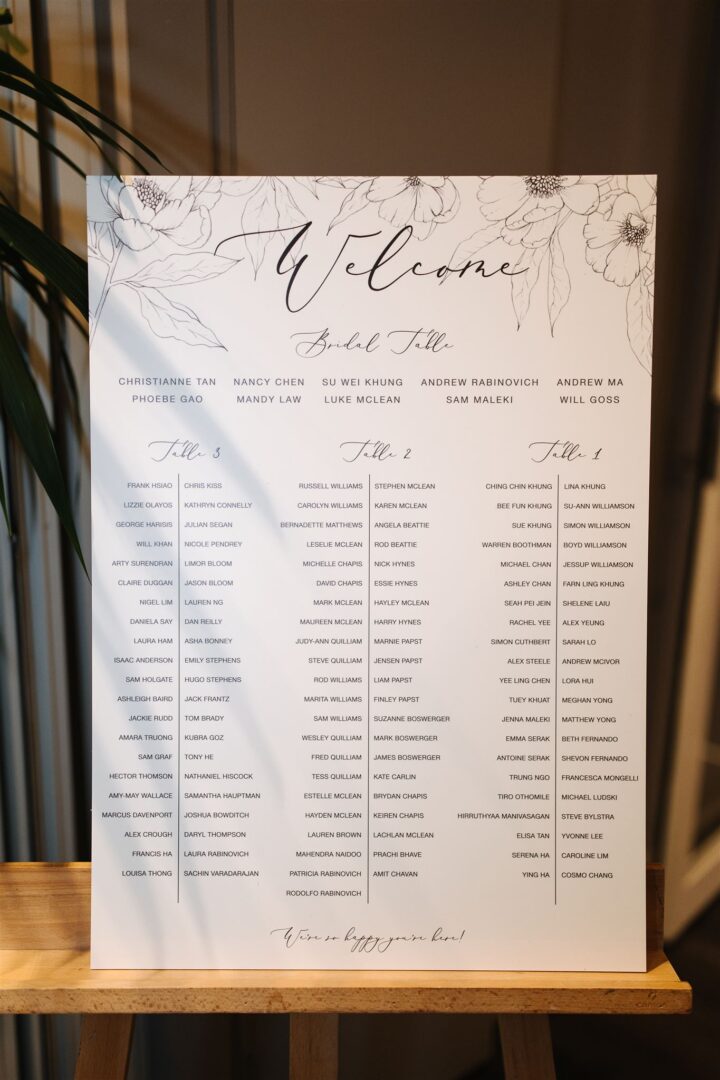
Handling Family Pressure Over the Guest List
Family pressure – especially from parents who are contributing financially – is one of the most common sources of wedding stress. A few principles that help:
Money doesn’t automatically equal veto power. Financial contribution often comes with expectations about input, but input on the guest list is not the same as control. Agree upfront on how many spots each contributing family receives – not “you can invite whoever you want.”
The “haven’t spoken in 2 years” test. If a parent wants to invite a cousin you haven’t spoken to in two years, that cousin is on the parent’s social list – not yours. It’s reasonable to say “We’re keeping the list to people we’re both close to – if you’d like to invite them, we’d need to find a way to add a slot.”
Get agreements in writing (or at least in text). Before parents start suggesting names, agree on how many total spots they have. “You each have X spots to fill as you see fit” is much cleaner than an ongoing negotiation.
Acknowledge the reciprocity pressure. Many parents feel they “owe” an invitation to people who invited them to events over the years. This is real and valid. The solution is to acknowledge it: “I understand you feel you need to include the Millers – here’s how we can make that work given our constraints.”
Plus-One Etiquette: When It’s Required and When It’s Optional
Plus-one decisions ripple straight through to place card and menu orders, so resolve them before final counts. Plus-one decisions are among the most fraught in wedding planning. Inconsistency here creates hurt feelings and difficult conversations. The solution: make a clear rule and apply it consistently.
When plus-ones are essentially required by etiquette:
- Guest is married , their spouse is always invited, without question
- Guest is engaged , their partner is always invited
- Guest is in a long-term relationship (1+ year) , strong etiquette expectation to invite the partner
- Guest is a member of your wedding party
- Guest won’t know a single other person at the wedding
When plus-ones are optional (within your discretion):
- Guest is casually dating someone (under 6 months)
- Guest has plenty of friends at the wedding and doesn’t need a companion
- Venue or budget constraints genuinely can’t accommodate partners
Whatever rule you make, apply it equally across all social groups. If you give plus-ones to all coworkers but deny them to cousins in the same situation, you’ll have conflict. Consistency is more important than the specific rule itself.
How to Communicate “No Plus-One” Gracefully
Reinforce the singular guest count visually , envelope addressing to one name only, single thank-you card writing, single seat at the reception menu. Addressing the invitation to the guest alone is the primary signal. If the envelope reads only “Ms. Sarah Lin,” that invitation is for one person. Don’t address to “Ms. Sarah Lin and Guest” if you don’t mean it.
If a guest asks directly whether they can bring someone, be honest and warm: “We’re so sorry , we’re working with a strict headcount and unfortunately can’t accommodate additional guests. We really hope you can still join us.” Don’t over-explain or apologize excessively.
If a guest RSVPs for two when only invited for one, handle it promptly: “So glad you’ll be there! I just need to clarify , due to our venue capacity, [your invitation covers one guest / the invitation was for you alone]. I hope you understand.” Address it before the headcount is submitted to your caterer, not after.

Coworker Etiquette
Coworker invitations are also worth thinking about in light of your wedding’s overall style and tone direction for 2026. You’re under no obligation to invite coworkers to your wedding. But if you invite any colleagues, apply this rule: invite everyone in your immediate working group (team, department, or office unit depending on size).
Shop wedding signs
Welcome signs and seating charts to make plus-one and family-section logistics seamless.
Leaving out one person from a group where everyone talks creates unavoidable awkwardness. That person will hear about the wedding whether you plan for it or not. The easier path is to either invite the whole group or invite no coworkers at all , and manage expectations by keeping wedding talk minimal at work.
Exception: a coworker who’s genuinely a close personal friend is in a different category. If you’d invite them regardless of where you worked, they belong on your personal list, not your “work guest” list.
Social Media Friends and Old Acquaintances
If you do invite an outer-ring friend, signal the depth of the relationship through small touches , a personal handwritten note tucked into the invitation suite, or a thoughtful seat assignment on the place cards. The digital age has created a new class of social ambiguity. You’ve been Facebook friends for 10 years. You follow each other’s lives. Do they get invited?
Ask yourself: when did you last spend time with this person in real life? If the honest answer is “never” or “years ago at a mutual friend’s party,” they don’t belong on the guest list. Social media connection is not the same as a meaningful friendship.
The risk of inviting online-only acquaintances: they may not be close enough to RSVP thoughtfully, they’ll take a spot that could go to someone who actually matters to your day, and their presence won’t add to the atmosphere in the way your genuine community’s presence will.
Kids at Weddings: Setting a Clear Policy
Once your kids policy is set, communicate it on the inner envelope address line and reinforce it on your welcome signage. The key rule with children: be consistent. Either all children are welcome, or the wedding is adults-only. Inviting some couples’ children but not others (because some children are closer to you or better-behaved) creates inevitable hurt feelings.
All-inclusive: Children are welcome. Address envelopes to the full family. Consider providing childcare or a kids’ table with activities during speeches and dinner.
Adults-only: Address envelopes to parents only. Include a warm note on your details card acknowledging the policy. Offer babysitting recommendations if you want to go the extra mile.
Common exception that’s acceptable: Flower girls, ring bearers, and close family children (nieces, nephews, godchildren) may be invited while the wedding is otherwise adults-only. Make clear these are specific invited participants, not a general exception to the policy.
Destination Wedding Guest List Differences
Destination logistics also affect save-the-date timing and which destination wedding invitation styles fit best. Destination weddings inherently produce smaller guest lists , and that’s not a bad thing. Most couples find that a destination wedding naturally filters down to the people who are truly committed to celebrating with you.
Etiquette adjustments for destination guest lists:
- Be more generous with plus-ones: Asking someone to travel to another country without their partner is a significant ask. When in doubt, extend the plus-one.
- Accept that not everyone can come: Some declines are inevitable due to cost, passport issues, or health. Don’t take them personally and don’t pressure people who decline.
- Give more lead time: Send save the dates 8-12 months in advance so guests can make informed decisions about travel costs early.
- Communicate costs honestly: Your wedding website should include realistic information about accommodation price ranges, flight costs, and what activities are available, so guests can plan accurately.
Once your guest list is finalized, see our guide to addressing wedding invitations for every household scenario, and our full wedding invitation etiquette guide for sending timelines, dress code wording, and RSVP management. Browse our full wedding invitation collection when you’re ready to design your suite.
How to Decide Your Final Guest List
The hardest part of guest-list etiquette is not the rules , it is the decisions you have to make when the rules conflict. Use the three criteria below in order: capacity first, then budget, then your inner-circle threshold. Each layer narrows the list further until you have a number you can defend to anyone who asks.
Match Your Venue Capacity
Your venue’s safe capacity (not its maximum capacity) is the ceiling for your invite list. A room rated for 150 feels comfortable at 110 to 120 once you account for tables, dance floor, bar, and band setup. Subtract a 10% buffer for unexpected attendees (parents adding cousins, plus-ones you did not plan for) and use that number as your invite cap. If your venue capacity is below your dream guest list, the question is not “who can we squeeze in” but “is this the right venue for the wedding we want.”
Set Your Budget Reality
Per-head costs in the U.S. average $150 to $300 once you combine catering, bar, rentals, stationery, and favors. Multiply your tentative guest count by your real per-head number and check it against your wedding budget. If the math says you cannot afford 130 guests at the hotel reception you booked, you have three options: cut the list, change the venue, or change the format (lunch vs. dinner, plated vs. buffet, full bar vs. beer-and-wine). Trying to hold all three constant is the single most common reason couples regret their guest list later.
Define Your Inner-Circle Threshold
Once capacity and budget set the maximum, the inner-circle test sets the minimum. Write down everyone you would invite if you eloped tomorrow with a 20-person dinner , those are non-negotiable. Then add concentric rings: people you have spent meaningful time with in the last 2 years, people you would call with good news before posting it on social media, people who have been part of major life moments. The closer you keep your final list to those rings, the more emotionally connected the day feels. Distant family, plus-ones for guests you barely know, and people you feel obligated to invite are the candidates to cut first.
Frequently Asked Questions
Does every guest get a plus-one at a wedding?
No. Etiquette requires plus-ones for guests who are married, engaged, or in long-term relationships (generally 1+ year), and for guests who won’t know anyone at the wedding. Plus-ones are optional for casual daters and guests who have plenty of friends at the event. Apply your rule consistently across all guest categories.
Is it okay to have a B-list for a wedding?
Yes, the A-list/B-list approach is a widely used and accepted strategy. Send invitations to your primary list first, then invite B-list guests as declines come in. Mail B-list invitations no later than 6 weeks before the wedding so guests have adequate time to plan.
Do you have to invite coworkers to your wedding?
No, you are not obligated to invite coworkers. However, if you invite any colleagues, invite everyone in your immediate working group to avoid awkwardness. The cleaner option is to either invite the whole team or invite no coworkers at all.
What if someone RSVPs for guests who weren’t invited?
Address it promptly and directly: reach out to clarify that your venue has a strict capacity and the invitation covers only the named guests. Be warm but clear, and handle it before your caterer headcount is submitted.
How do you handle parents who want to invite people you don’t know?
Set allocation rules early , each set of parents receives a fixed number of guest slots. Any additions must come from their allocation. Having this conversation before the guest list is finalized prevents escalation later in the planning process.
Shop Place Cards at Paperlust
Place cards and escort cards to match your invitations, customizable online.