
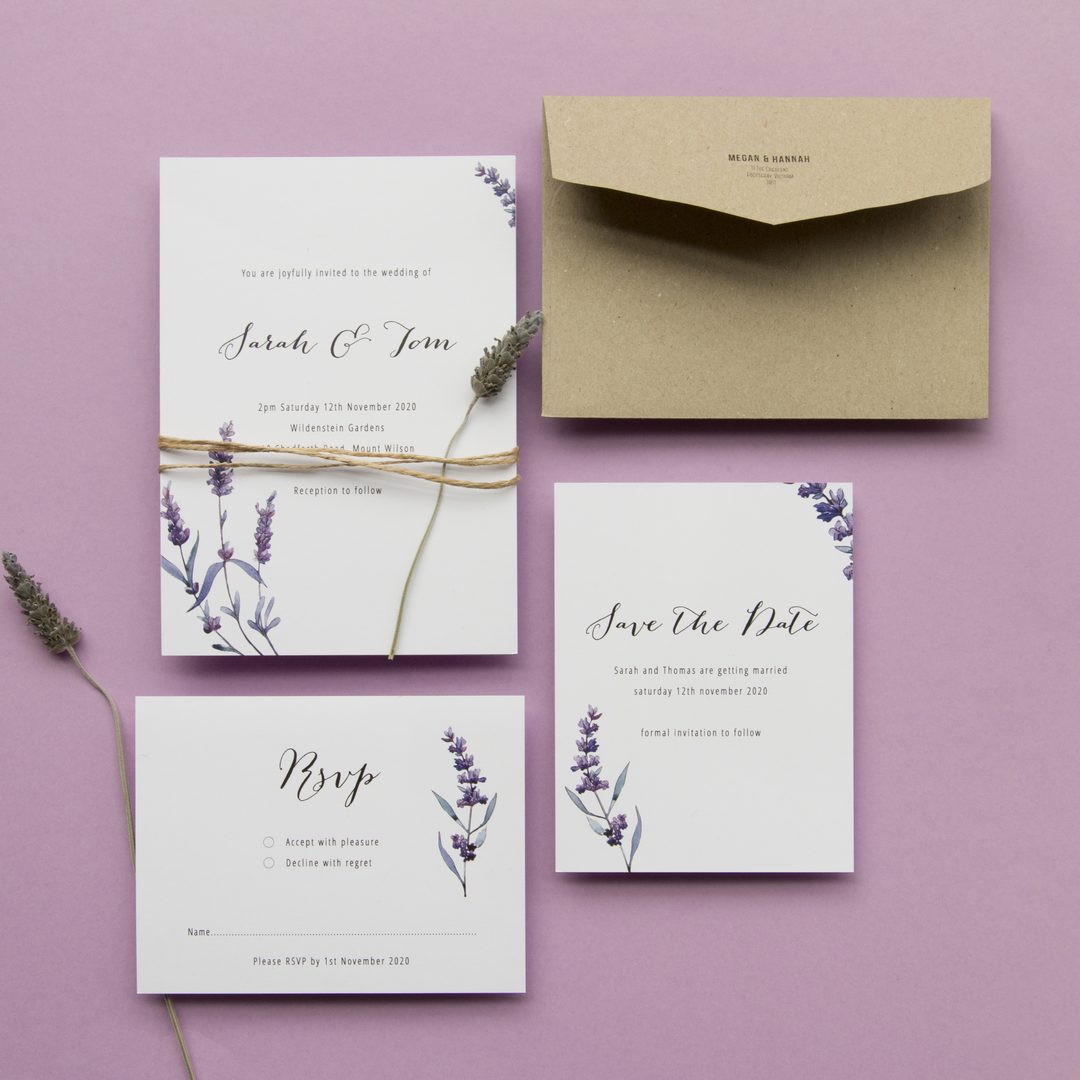
Persian weddings are among the most visually rich and symbolically layered celebrations in the world. Whether your family traces roots to Tehran or you are hosting a first-generation Iranian-American couple, the stationery you send is often the first glimpse guests get of the ceremony’s depth. This guide covers the two-part structure of an Iranian wedding, the centerpiece Sofreh Aghd spread and every item on it, the honey and sugar cone rituals that mark the ceremony’s most memorable moments, bilingual English and Farsi invitation wording, design motifs, and how Paperlust can help you bring it all together.
Planning stationery for a Greek Orthodox, Catholic, or Indian ceremony instead? We have guides for each tradition in this series.
Quick Reference
Persian Wedding Invitations at a Glance
- A traditional Persian wedding has two parts: the Aghd (ceremony) and the Aroosi (reception)
- The Sofreh Aghd is a ceremonial spread of roughly 15 symbolic items at the heart of the Aghd
- Gold is the defining color of Persian wedding design; cream, emerald, blush, and burgundy are the most common accent tones
- Bilingual English and Farsi invitations are traditional; Farsi runs right to left
- Farsi calligraphy styles: Nastaliq (ornate, classical) suits formal Aghd invitations; Naskh is cleaner and more legible
- Foil stamp and letterpress on Wild Cotton are the premium print choices for formal Aghd invitations
- Proofs delivered within 1-2 business days; two free rounds of edits included
- Orders over $350 USD qualify for free DHL Express international shipping
Browsing from outside the US?
Australia | United States | United Kingdom | Canada | New Zealand
The Two Parts of a Persian Wedding
A traditional Iranian wedding is divided into two distinct celebrations: the Aghd and the Aroosi.
The Aghd: The Legal Ceremony
The Aghd (عقد) is the formal marriage ceremony where the bride and groom, accompanied by their witnesses and families, sign the marriage contract. It is an intimate gathering. The room centers on the Sofreh Aghd, a ceremonial spread laden with symbolic items. The officiant recites prayers, asks the bride three times whether she consents, and the couple exchanges vows. An Aghd can be held at a family home, a garden, or a banquet hall.
The Aroosi: The Reception
The Aroosi (عروسی) is the reception that follows. In modern practice, both events happen on the same day, though historically they could be weeks or months apart. The Aroosi is larger, louder, and more festive: live music, Persian food, and a dance floor. Guests who attend only the Aroosi still join a meaningful part of the celebration.
Your invitation may cover one event or both. If they are held on the same day in the same venue, a single card works. If the timings differ, a separate insert card for the reception is the cleaner approach.
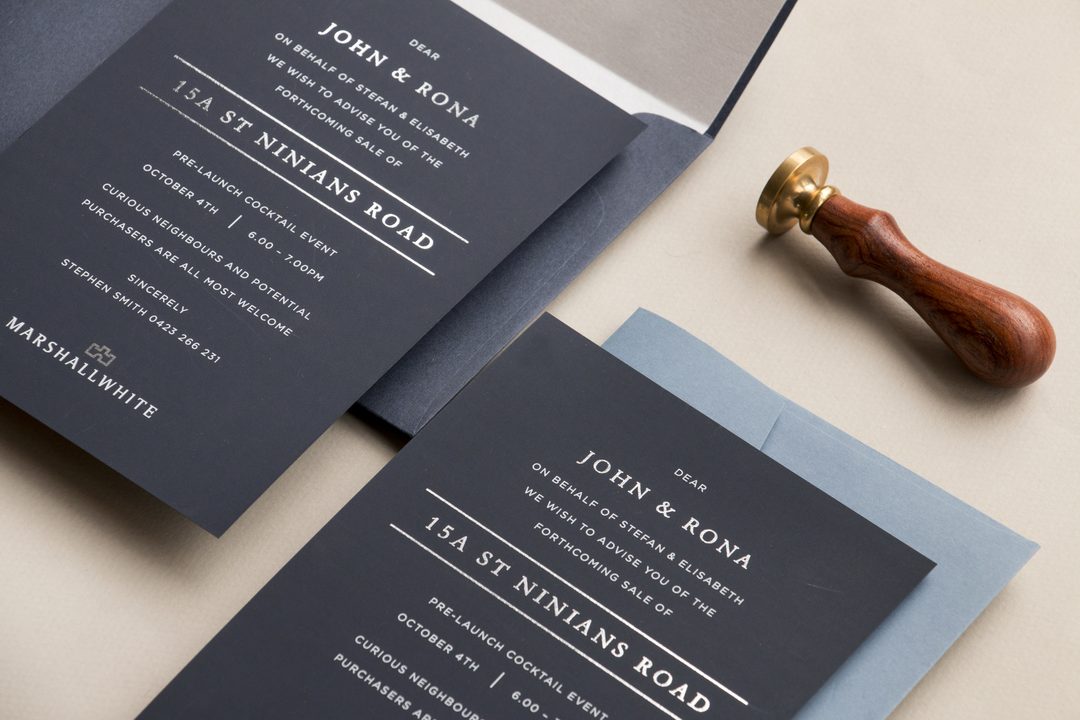

The Sofreh Aghd: What Every Item Means
The Sofreh Aghd (سفره عقد), which translates literally as “the ceremony spread,” is the visual heart of the Aghd. A cloth, often silk or brocade, is laid on the floor or a low table. On it, families arrange roughly fifteen symbolic items. Each piece carries its own meaning.
Mirror and Candelabra (Ayneh-ye-Bakht and Shamdaan)
The mirror reflects abundance and brightness into the couple’s future. Traditionally, the bride and groom see each other’s reflection in the mirror as the bride enters, making it their first shared view of the day in their wedding attire. The candelabra flanking the mirror represent light, passion, and the energy the couple brings into the marriage.
Bread (Naan-e-Sangak)
Flatbread, often traditional sangak, symbolizes prosperity and the sustenance the couple will provide for each other and their family.
Honey (Asal)
One of the most anticipated moments. After the vows are exchanged, the bride and groom each dip a pinky finger into a jar of honey on the Sofreh and offer it to the other to taste. The gesture represents a commitment to bringing sweetness into each other’s lives.
Sugar Cones (Kalleh Ghand)
Two large sugar cones are held over the couple’s heads by married female relatives during the ceremony. They grind the cones together so that sugar sprinkles over the newlyweds, showering them with sweetness and good fortune. Only women who are in happy, first marriages traditionally hold this role.
Herbs and Spices (Aatel-o-Baatel)
Seven types of herbs and seeds are arranged on the spread to ward off the evil eye and protect the couple from negative energy. Common choices include nigella seeds, wild rue, and poppy seeds.
Decorated Eggs (Tokhm-e-Morgh)
Eggs, often painted or decorated, represent fertility and the hope for children.
Nuts and Fruits (Noghl and Meeveh)
Sugar-coated almonds and fresh fruit represent sweetness, abundance, and a fruitful future. Guests are often offered noghl after the ceremony closes.
Needle and Thread (Nakh-o-Soozan)
A needle and thread are worked into a piece of fabric called the unity cloth. Married women sew stitches into it during the ceremony, symbolizing bonded destinies and the role the community plays in strengthening the union.
Holy Book (Ketaab)
Depending on the family’s faith, the spread may include a copy of the Quran, the Avesta (for Zoroastrian families), or another holy text. It anchors the ceremony in spiritual wisdom.
Gold Coins and Rose Water
Gold coins represent financial security and prosperity. Rose water symbolizes purity, grace, and beauty in the marriage.
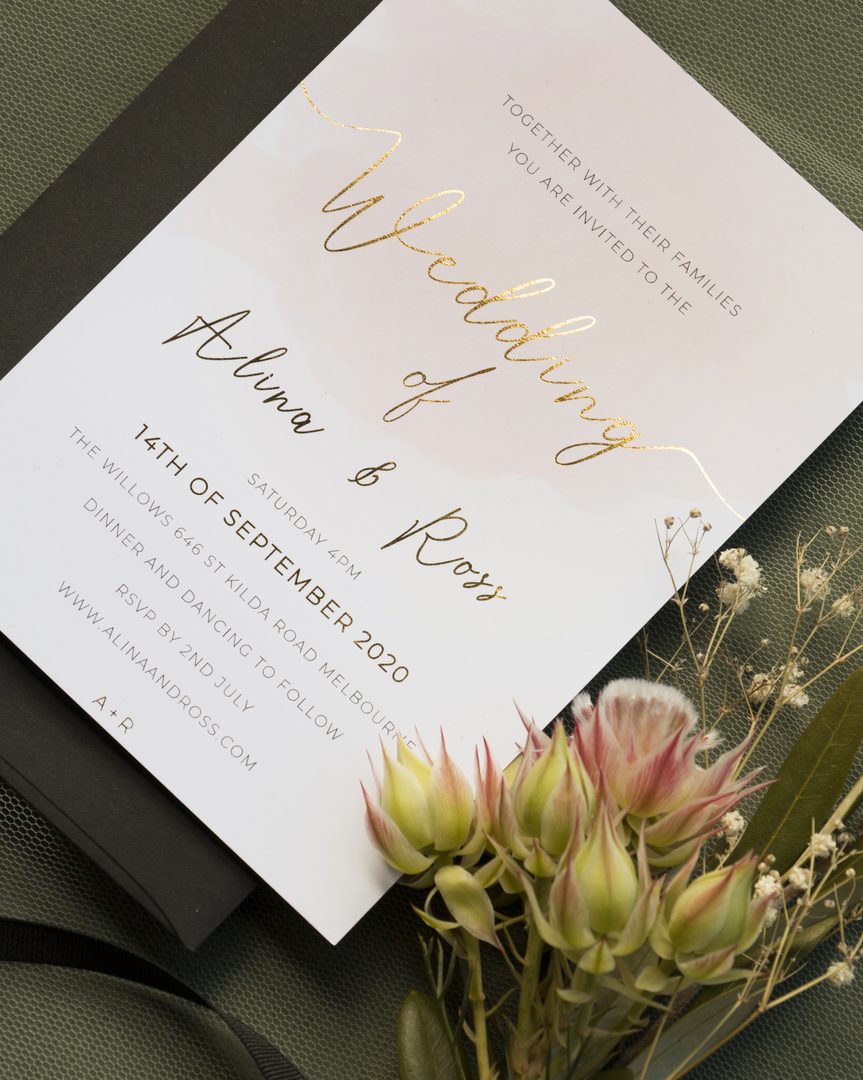
Bilingual Invitations: English and Farsi
Many Persian-American couples today choose bilingual invitations: English on the front (or right panel) and Farsi on the back (or left panel). Because Farsi is written right to left, a bilingual card is often designed so that the Farsi side reads from what an English reader would call the back of the card, each side complete in its own language.
Design Considerations for Bilingual Invitations
- Right-to-left text: Farsi script runs right to left. If your designer is not familiar with bidirectional text, send the Farsi copy as a finalized, pre-typeset PDF or vector file to avoid mirroring errors.
- Script style: Naskh is clean and readable; Nastaliq (the classical style) is more ornate and widely associated with formal Persian invitations. Nastaliq works beautifully for the couple’s names.
- Font pairing: On the English side, serif fonts with a delicate weight pair well with Nastaliq on the Farsi side.
- Gold accents: Gold ink or flat foil on the couple’s names, whether in English or Farsi, is a natural pairing given the prominence of gold throughout the Sofreh Aghd.
English Wording Example: Couple Hosting, Aghd and Aroosi on the Same Day
Together, we joyfully invite you to celebrate our marriage
Shirin Hosseini
and
Darius Moradi
Aghd ceremony at four o’clock in the afternoon
followed by the Aroosi reception at seven o’clock
The Grand Ballroom, Fairmont Hotel
San Francisco, California
Saturday, the fourteenth of June, two thousand and twenty-six
Black tie preferred
English Wording Example: Separate Events, Modern Tone
Modern couple-hosting, separate events:
Shirin Hosseini and Darius Moradi
request the pleasure of your company
at their Aghd
Saturday, June 14th, 2026 at 4 p.m.
Private residence, Los Angeles
Aroosi reception details enclosed
For the Farsi side, the structural content mirrors the English: names, event names (عقد / عروسی), date, time, and venue. The opening lines often include a verse of Persian poetry or a Quranic phrase. Your Paperlust designer can typeset the Farsi text once you provide the final approved copy from a native speaker or professional translator.
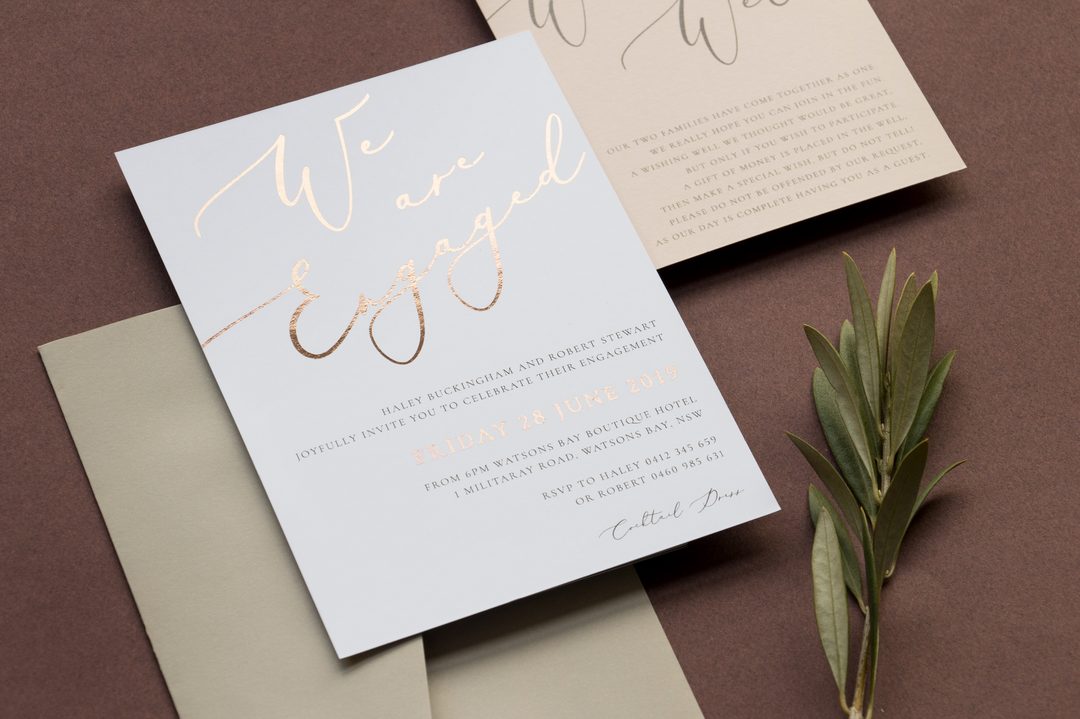
Persian Wedding Colors and Design Motifs
Persian wedding design is one of the most distinctive visual traditions in the world. Gold is the constant thread. Supporting palettes and classic motifs give you a rich vocabulary to work from.
Color Palettes
- Cream and gold: The most classic combination. Works across every print method.
- Emerald and gold: Richly traditional, particularly suited to formal Aghd invitations.
- Blush and gold: Softer and popular with modern couples who want a contemporary take on tradition.
- White and gold: Clean and elegant; allows the calligraphy to carry the design.
- Deep burgundy and gold: Dramatic, especially with foil stamp or flat foil on colored card stock.
Traditional Motifs
- Arabesque and geometric interlace patterns: The repeating floral and vine motifs found in Persian rugs and tilework translate beautifully to an invitation border or backing card.
- Pomegranates: A symbol of prosperity and fertility, the pomegranate appears throughout Persian art and is sometimes placed on the Sofreh Aghd.
- Roses and nightingales (Gol-o-Bolbol): One of the most enduring images in Persian poetry, a natural choice for a romantic border.
- Paisley (Boteh): An ancient Persian motif, instantly recognizable and highly decorative.
Print Methods That Suit Persian Invitations
| Print Method | Why It Works for Persian Invitations |
|---|---|
| Foil Stamp | Mirror-bright gold die-pressed into the card. Debossed impression adds a tactile luxury that suits formal Aghd invitations. Minimum 50 cards. |
| Flat Foil | Bright metallic gold finish without the deboss. Faster and more affordable than foil stamp. Works beautifully on cream or colored stocks. |
| Letterpress | Debossed impression and hand-mixed inks. Elegant, tactile, slightly softer metallic range. Suits couples who want a heritage feel. |
| Metallic Print | Subtle gold pigment at a fifth imaging station. Most affordable gold option. Great for large suites on a budget. |
| Digital Print | Full color at the lowest price point. Ideal when the design relies on color illustration rather than gold finish. |
Stationery Suite for an Iranian Wedding
A full Persian wedding suite typically includes several pieces, each with its own role.
Save the Date
Send 4-6 months ahead, or 8-12 months ahead for destination weddings. For Iranian families with many international guests, earlier is better. Browse Paperlust save the date cards for a bilingual option that lists both the Aghd and Aroosi dates, helping guests plan travel well in advance.
Invitation Card
The primary piece. If both ceremonies are on the same day and in the same location, a single card covers everything. If times or venues differ, the Aroosi details go on a separate reception insert.
Information Card
Persian weddings often include large guest lists with extended family traveling from multiple countries. An information card covering hotel blocks, transportation between venues, dress code guidance, and gift or donation preferences is genuinely helpful for out-of-town guests.
Program Card or Booklet
For guests who are not familiar with the Aghd, a brief program explaining the Sofreh items, the three-question consent ritual, and the honey and sugar cone moments transforms the ceremony from something they observe into something they understand. It is one of the most appreciated touches at a cross-cultural wedding.
Menu and Place Cards
If the Aroosi includes a seated dinner, menu cards in both English and Farsi are a gracious touch. Pair them with gold foil place cards for a cohesive look across the reception table. Browse Paperlust’s invitation collection to see suite-matched menus, place cards, and program options.
Ordering Persian Wedding Invitations from Paperlust
Paperlust carries 500+ designs from independent artists. For bilingual Farsi and English invitations, the process works as follows:
- Browse the full wedding invitations collection and choose a design with strong gold elements or an intricate border.
- A designer is assigned to your order and provides a proof within 1-2 business days.
- Submit your English and Farsi copy separately. The designer can typeset both languages, but the Farsi text should be reviewed and approved by a native speaker before the final proof is signed off.
- Two rounds of edits are included at no extra cost.
- For the most formal Aghd invitations, foil stamp and letterpress on Wild Cotton 600gsm are the premium choices. Flat foil on cream stock is the next tier.
- Orders over $350 USD qualify for free DHL Express international shipping, covering guests in the US, UK, Canada, and beyond.
- A $5 sample pack (seven designs across multiple print methods) lets you feel the paper and foil quality before you commit to a full order.
FAQ
What is a Sofreh Aghd?
The Sofreh Aghd (سفره عقد) is the ceremonial spread at the center of the Persian Aghd ceremony. A silk or brocade cloth holds roughly fifteen symbolic items: a mirror, candelabras, honey, sugar cones, herbs, decorated eggs, bread, nuts, fruit, a needle and thread, a holy book, gold coins, and rose water. Each item carries a meaning related to love, fertility, prosperity, or protection.
Do Persian wedding invitations need Farsi?
There is no rule requiring Farsi, but bilingual invitations are a meaningful choice for families with Farsi-speaking relatives. Many Iranian-American couples print English on one side and Farsi on the other. For families where all guests read English comfortably, English-only is entirely appropriate. The decision usually comes down to honoring elderly relatives and signaling cultural pride.
What colors are traditional for Persian weddings?
Gold is universal. The most traditional combinations are cream and gold, white and gold, and emerald and gold. Blush and gold is a popular modern interpretation. Deep burgundy with gold accents suits dramatic winter or evening ceremonies.
What is the difference between the Aghd and the Aroosi?
The Aghd is the legal ceremony where the marriage contract is signed and vows are exchanged around the Sofreh Aghd. It is typically intimate. The Aroosi is the reception: a larger, festive celebration with music, dancing, and Persian food. Modern weddings usually hold both on the same day, though historically they could occur weeks apart.
What is the honey ritual at a Persian wedding?
After the vows are complete, the bride and groom each dip a pinky finger into a bowl of honey on the Sofreh and offer it to the other to taste. It symbolizes their commitment to bringing sweetness into each other’s lives and is usually one of the most photographed moments of the Aghd.
Can Paperlust typeset right-to-left Farsi text on invitations?
Yes. Paperlust designers can typeset Farsi text. Because Persian/Farsi runs right to left, provide the final approved Farsi copy as text (not an image) for cleanest results, and have a native speaker review the final proof. Two free rounds of edits are included with every order.