
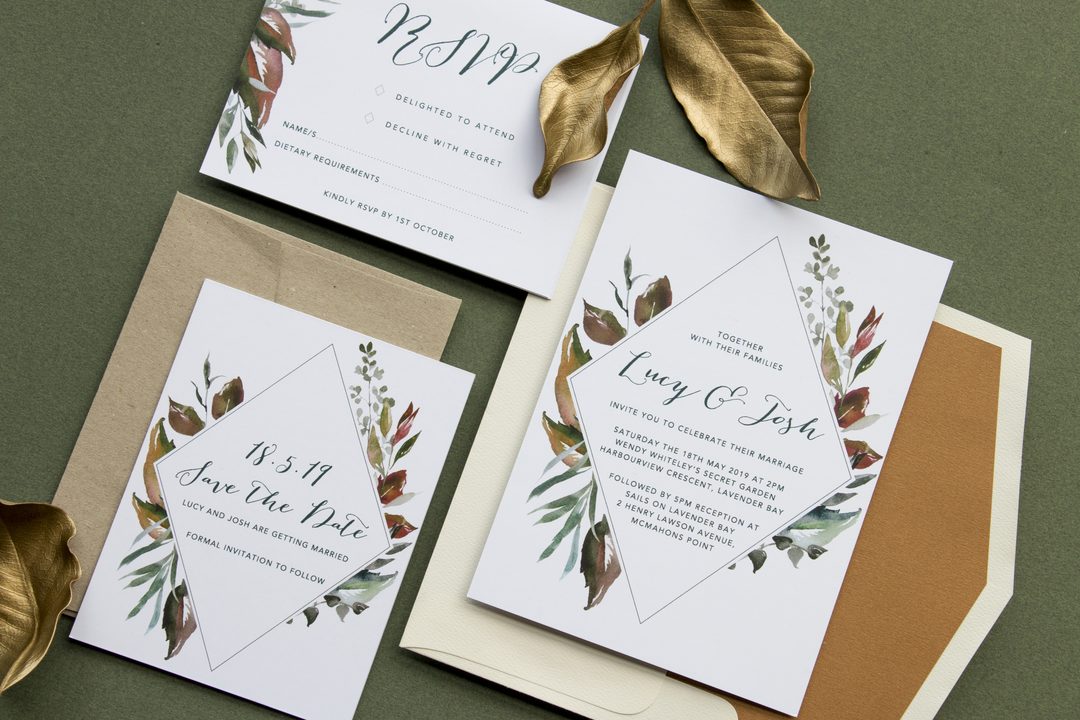
Planning a wedding after losing a parent carries its own particular weight. You want to honor the person who shaped you, to hold their name close to yours on one of the most important documents of your life. This guide gives you the wording you need, along with gentle, practical ways to carry their presence through your entire wedding day.
- The most common approach: “Mrs. Jane Hartley and the late Mr. Robert Hartley” in the host line
- Deceased parents work best in the relationship line, not as active hosts
- When both parents are gone, the couple typically self-hosts or families host together
- Wording applies equally to late fathers and late mothers
- Beyond the invitation: programs, memorial tables, reserved seats, and ceremony moments all carry their memory further
- There is no single right answer. Choose wording that feels true to your family.
The Etiquette of Including a Deceased Parent
Traditional invitation etiquette holds that a host line names the people actively issuing the invitation. A parent who has passed cannot technically host a wedding. That said, etiquette evolves, and most modern stationery professionals agree that naming a deceased parent in the relationship line (the “son/daughter of” construction) is entirely appropriate, respectful, and widely practiced.
The distinction worth understanding is this:
- Using “the late” in the host line (e.g., “Mr. and Mrs. Robert Hartley” where Robert has passed) implies the deceased is co-hosting, which some traditionalists find awkward. Most etiquette sources now accept it when the surviving parent is the primary host.
- Placing the late parent in the relationship line (“daughter of Mrs. Jane Hartley and the late Mr. Robert Hartley”) is universally accepted and adds warmth without raising questions.
Both approaches are used. The wording examples below cover both, so you can choose what fits your family’s style and the formality of your event.
Wording Examples: One Deceased Parent
Surviving Parent Co-Hosting (Formal, Traditional)
This is the most common scenario: one parent has passed, one is living, and the surviving parent is hosting or co-hosting with the other family.
and the late Mr. Robert Hartley
request the honor of your presence
at the marriage of their daughter
Catherine Rose Hartley
to
Oliver James Pemberton
son of Mr. and Mrs. Edmund Pemberton
along with Mr. and Mrs. David Calloway
invite you to celebrate the wedding of
Emma Louise Wren
and
James Andrew Calloway
Daughter-of / Son-of Construction (Relationship Line)
This form places the late parent in the relationship line rather than the host line. It is the safest, most widely accepted approach for formal invitations.
Catherine Rose Hartley
daughter of Mrs. Jane Hartley and the late Mr. Robert Hartley
and
Oliver James Pemberton
son of Mr. and Mrs. Edmund Pemberton
invite you to celebrate their marriage
son of the late Mr. Donald Calloway and Mrs. Susan Calloway
and
Emma Louise Wren
daughter of Mr. and Mrs. Thomas Wren
joyfully invite you to share in their wedding day
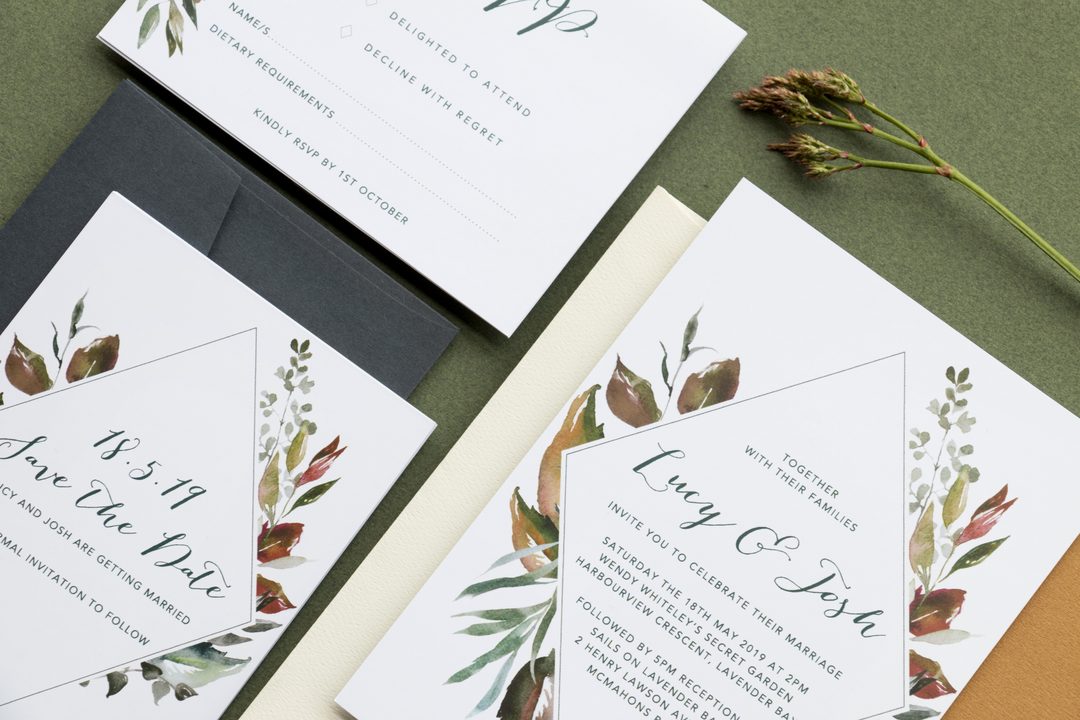

Modern and Informal Phrasings
For couples who prefer less formal language, a “loving memory” line in the body of the invitation honors a late parent without the complexity of traditional host structures.
William Charles Moore,
Sophie Grace Moore and Daniel Yuen
invite you to celebrate their marriage
whose spirit will be with us on this day,
Amelia Parsons and Noah Fletcher
invite you to join them in celebrating their marriage
Wording Examples: Both Parents Deceased
When neither parent is living, the couple typically hosts in their own names or alongside the surviving family from the other side. Including “the late” in the relationship line is the most graceful way to honor both.
request the honor of your presence
at the wedding of
Catherine Hartley
daughter of the late Mr. Robert Hartley
and the late Mrs. Jane Hartley
to their son, Oliver Pemberton
John and Mary Briggs
Lily Briggs and Samuel Okoye
joyfully invite you to celebrate their marriage,
knowing they would have been overjoyed to witness this day
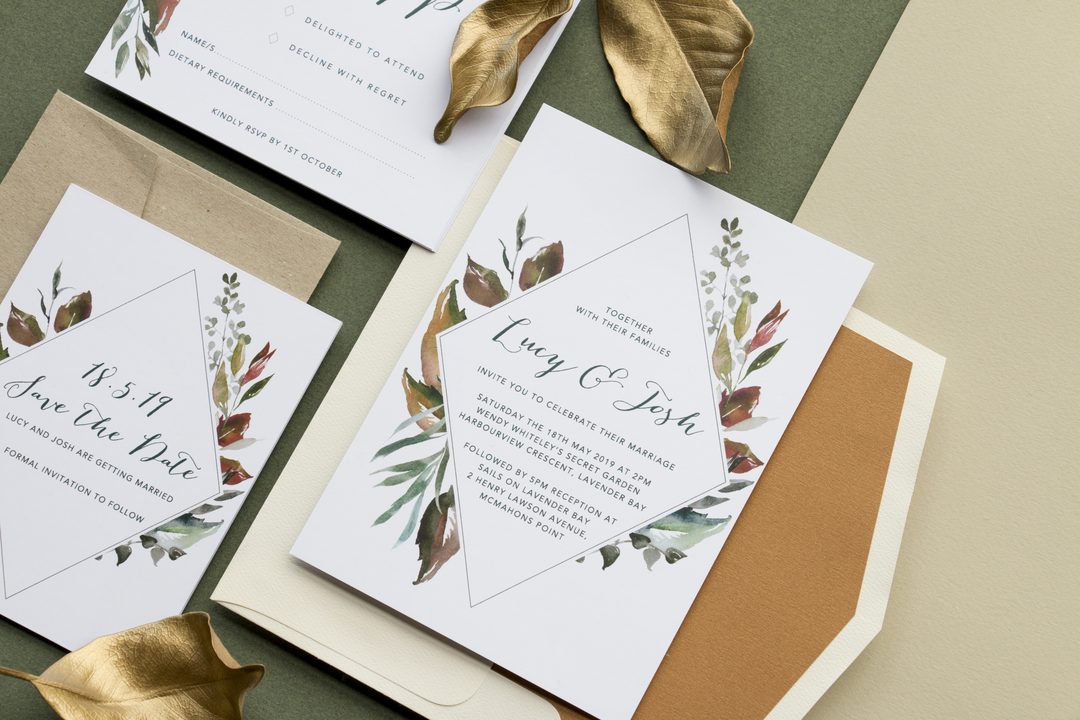
When a Step-Parent Is Involved
Blended families add complexity to invitation wording. The goal is to honor each relationship truthfully, without ranking them or creating awkward omissions.
along with Mr. and Mrs. Edmund Pemberton
invite you to celebrate the marriage of
Catherine Rose
daughter of the late Mr. Robert Hartley and Mrs. Helen Barnes
and Oliver James Pemberton
This structure names the biological late father in the relationship line while acknowledging the step-parent in the host line, keeping both relationships visible without hierarchy.
Is It Appropriate to Name a Deceased Parent as a Host?
This question comes up often, and the honest answer is: it depends on your family and your preferences.
Some families feel strongly that naming a late parent in the host line (“Mrs. Jane Hartley and the late Mr. Robert Hartley request…”) honors them fully and feels emotionally right. Others find it grammatically awkward or worry guests will be confused.
The clearest guidance is this:
- If it matters deeply to you to see your parent’s name at the very top of the invitation, the host-line construction is fine and widely understood.
- If you prefer an approach that is universally accepted with no potential for confusion, the relationship-line construction (“daughter of…and the late…”) is the safer choice.
- Either way, your instinct to include them is right.
Wording for the Ceremony Program
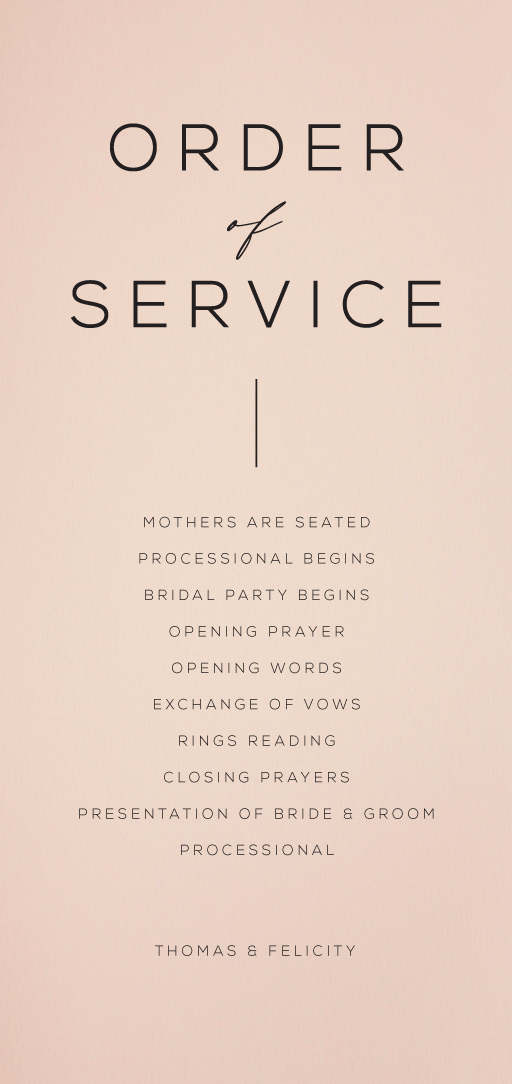
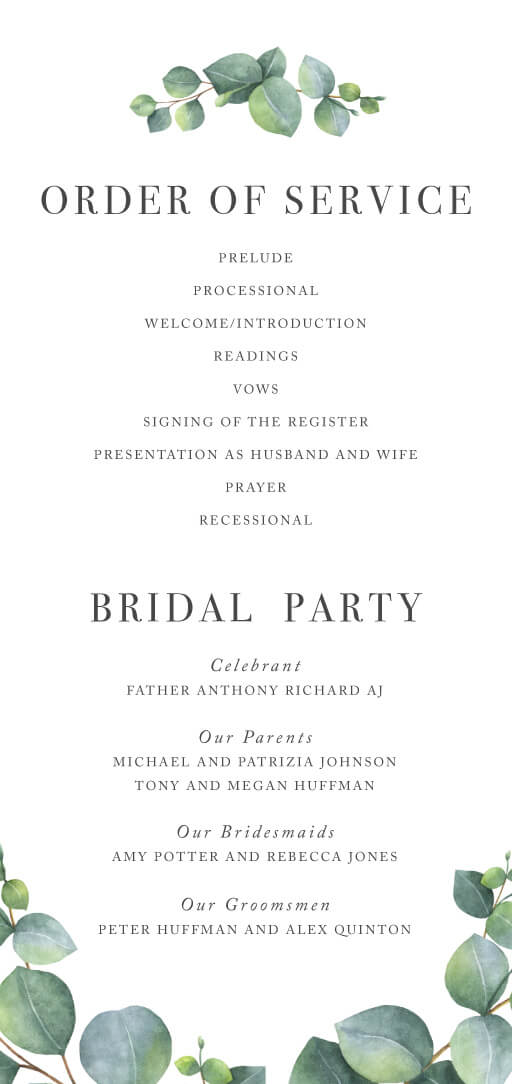
The invitation addresses guests before the day. The ceremony wedding program offers a second, deeper place to honor a late parent. Consider a brief dedication line inside the front cover:
He would have danced all night.
Ruth Ann Parsons (1954-2022),
whose love made this family possible.
A dedication in the program feels personal in a way an invitation cannot. Guests read it while they wait, quietly, in a moment that belongs entirely to the ceremony.
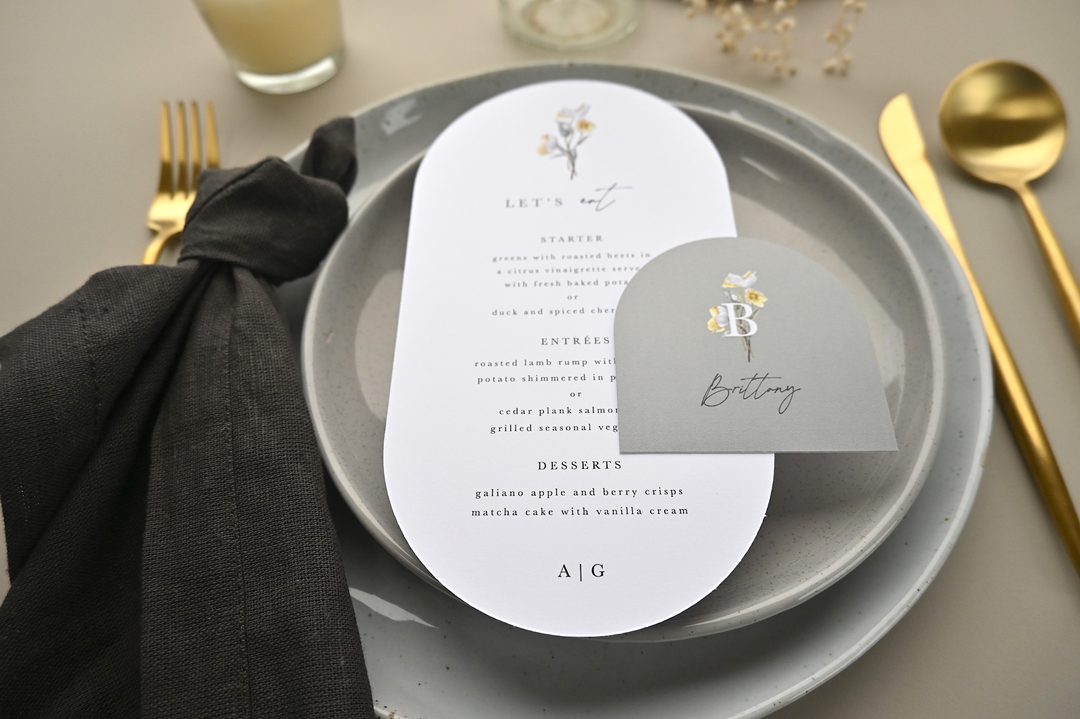


Beyond the Invitation: Other Ways to Honor a Late Parent
The invitation and program are only the beginning. Many couples find that weaving their parent’s memory through the day, quietly and meaningfully, brings them a sense of closeness.
A Reserved Seat
Place a single flower (their favorite, if you know it) on a chair in the front row with a small card: “Reserved in loving memory of Robert Hartley.” Guests understand immediately. The gesture costs almost nothing and carries enormous weight.
A Memory Table or Display
Set up a small table near the entrance or ceremony space with a framed photograph, a candle, and perhaps an object that belonged to them. A short card or stand can carry a quote they loved. This works especially well when both parents are gone and there is more to celebrate and acknowledge.
A Locket or Keepsake
Brides often carry a small locket with a photo of the late parent tucked inside their bouquet. A small charm, a piece of their jewelry worn as a bracelet or hair pin, or a square of fabric from their clothing tucked into a bouquet wrap keeps them physically close on the day.
A Candle Lighting
Some couples incorporate a candle lighting moment early in the ceremony to acknowledge those who are absent. A sibling or the other parent can light the candle while a brief passage is read. It is a brief, contained gesture that gives grief its proper acknowledgment without extending the ceremony significantly.
A Moment of Silence or Reading
A 30-second moment of silence, or a poem read by a sibling or close friend, gently names the absence. Popular choices include Mary Elizabeth Frye’s “Do Not Stand at My Grave and Weep” and Pablo Neruda’s “Sonnet XVII,” though any meaningful passage works. The reading’s placement before the vows or after the pronouncement tends to feel most natural.
A Toast
Invite a family member who knew the late parent well to offer a short toast at the reception that includes them. This is often the moment that lets guests laugh and cry together, sharing memories of someone many of them knew and loved.
What to Say in the Invitation When Asking About Dietary Restrictions vs. When Honoring Loss
One thing worth noting: the invitation itself should not carry extensive tribute text. It is a logistical document as much as an emotional one, and long passages of memorial language can tip the tone in a way that unsettles guests before they arrive.
The invitation names the parent clearly and briefly.
The program carries the dedication.
The ceremony holds the moment of silence or reading.
The reception holds the toast, the memory table, the reserved seat.
Layering these across the day means no single moment bears the full weight of the loss.
Paperlust’s $5 sample pack lets you compare paper stocks and print finishes in person, so you can commit to a full order with confidence.
Frequently Asked Questions
How do I include a late parent on my wedding invitation?
The most common approach is to use “the late” before their name. If your surviving parent is hosting, it reads: “Mrs. Jane Hartley and the late Mr. Robert Hartley request the honor of your presence.” If the couple is hosting, the relationship line works beautifully: “daughter of Mrs. Jane Hartley and the late Mr. Robert Hartley.” Both approaches are etiquette-appropriate.
Is it appropriate to name a deceased parent as a host on a wedding invitation?
It is accepted but not universal. Traditional etiquette suggests that only living people issue invitations, so some stationery stylists prefer the relationship-line construction. In practice, many families choose the host-line approach because it feels more prominent and emotionally meaningful. There is no wrong answer. Choose the form that feels truest to your family.
What is the wording when both parents are deceased?
When both parents are gone, the couple usually self-hosts or the other family hosts. The late parents appear in the relationship line: “daughter of the late Mr. and Mrs. Robert Hartley.” Alternatively, a dedicated memorial line at the top of the invitation (“In loving memory of…”) acknowledges them without placing them in the host or relationship lines at all.
Can I mention a late parent in a modern or casual invitation?
Yes. A “loving memory” line works beautifully in less formal invitations: “Together with their families, and in loving memory of her father, William Moore, Sophie and Daniel invite you to celebrate their marriage.” The tone stays warm and personal, and the acknowledgment is clear without formality.
Should I also honor a late parent in the wedding program?
Yes, and this is often where the tribute feels most meaningful. A brief dedication line inside the front cover of your ceremony program gives guests a quiet moment to acknowledge the absence before the ceremony begins. Many couples put just a name and a single sentence.
What if I feel uncomfortable listing a deceased parent but want to honor them?
You do not have to name them on the invitation at all. A reserved seat, a candle, a locket in the bouquet, or a toast at the reception can carry their memory just as powerfully. The invitation is one option, not an obligation. Do whatever feels right for your family.