
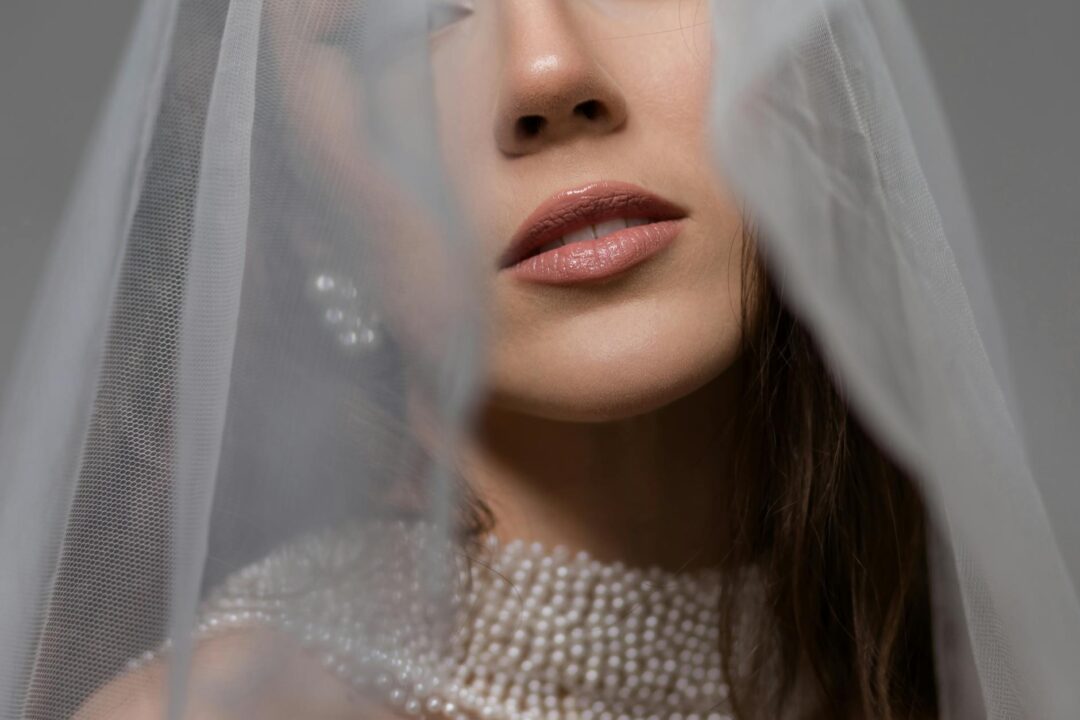


Your wedding hairstyle anchors every photograph you will ever look back on – and it has to perform from the ceremony through the last song of the night. Whether you are drawn to the timeless precision of a French chignon, the effortless romance of boho beach waves, or something entirely your own, the right style ties your whole bridal look together and stays that way. This guide covers 40+ wedding hairstyle ideas organized by hair length, aesthetic style, and venue type, plus a practical hair trial timeline, an accessory guide, and a touch-up kit checklist for the day itself.
- Book your bridal stylist 6-8 months before the wedding – popular stylists fill their books fast.
- Plan for at least two hair trials: one for the base style, and one with your actual veil and headpiece in place.
- Updos hold for 8-12 hours without touch-ups; loose waves and curls need a travel kit for the reception.
- Five factors narrow your choice: face shape, dress neckline, venue formality, climate, and whether you are wearing a veil.
- The three most-requested looks for 2026 are romantic half-up curls, low chignons, and boho loose waves.
How to Choose a Wedding Hairstyle
Scrolling through inspiration photos is a useful starting point, but the right wedding hairstyle is shaped by more than aesthetics alone. Five practical factors help narrow thousands of options down to the handful that will actually work for your specific look, venue, and hair type.
Face Shape
Understanding your face shape is one of the most reliable filters for bridal hairstyle decisions. While no rule is absolute, these guidelines give you a strong starting point:
- Oval face: The most versatile shape – virtually every hairstyle works. Classic updos, loose waves, braided looks, and sleek modern styles all suit an oval face equally well. You are the one bride whose biggest challenge is narrowing down from too many options, not too few.
- Round face: Create the illusion of length with volume at the crown, a pulled-upward updo, or face-framing layers that draw the eye vertically. Avoid styles that add significant width at the sides, such as a blunt half-down with maximum volume at the cheekbones.
- Square face: Soften angular jawlines with romantic waves, soft curls, or a deep side-swept style. Low side-parted buns and half-up styles with loose, flowing ends are particularly flattering. Anything that introduces curve and softness counterbalances the jawline’s natural structure.
- Heart face (wide forehead, narrow chin): Frame the lower face with low chignons, side-parted styles, and volume near the chin line. Avoid styles that add significant volume at the very top, as these emphasize the width of the forehead against a narrower jaw.
- Long face: Avoid tall updos that elongate the face further. Half-up styles, side-swept looks, and styles with width and volume at the sides are ideal for adding perceived width. A center-parted style often works better than a severe side part for longer face shapes.
Dress Neckline
Your dress neckline and your hairstyle interact in virtually every photograph taken that day, so they should work as a deliberate unit:
- V-neck and plunge: An updo or high bun elongates the neck and showcases the neckline as intended. The neckline does the visual work; the hair should frame rather than compete.
- Sweetheart: One of the most versatile necklines – almost any hairstyle works. The gentle curve of the neckline coordinates naturally with soft updos, loose curls, and half-up styles without requiring any specific hair direction.
- High neck or halter: A loose or half-up style softens the overall silhouette. An updo can work if it is deliberately soft and textured rather than severe and tightly pulled.
- Off-shoulder and strapless: An updo exposes the collarbone and shoulders precisely as the dress intends. A low chignon or braided bun is particularly elegant here – the geometry complements the horizontal line of the neckline.
- Illusion and lace-back: If the back of your dress is the design feature, choose a low updo or a half-up style that keeps the lace visible in photographs rather than covering it with falling hair.
Venue Formality and Climate
Where you are getting married shapes what your hairstyle should accomplish. A ballroom ceremony rewards structure and polish. A garden ceremony rewards softness and romance. A beach ceremony rewards practical wind resistance above almost everything else.
Climate is just as important as formality. Humidity is the adversary of smooth blowouts and fine straight styles. If your ceremony is coastal, tropical, or held during summer heat outdoors, updos and pinned styles hold far better than anything loose and flat-ironed. Ask your stylist specifically about the expected conditions at your venue when you discuss product choices – the difference between a humidity-sealing spray and no sealant at all can be dramatic in photographs taken three hours into the reception.
Veil or No Veil
The decision to wear a veil often shapes your hairstyle more than any other single factor. Cathedral and chapel veils (90-120+ inches) attach best to a low, structured bun or chignon – the comb anchors securely into the style and the veil hangs evenly without pulling asymmetrically. Blusher veils are compatible with updos and half-up styles. Fingertip and elbow veils are the most flexible and work across the widest range of hairstyles.
If you are skipping the veil entirely, you gain full creative freedom. Accessories like embellished headbands, statement combs, fresh florals, or dried floral arrangements can take center stage in a way that a veil sometimes makes difficult. Many brides who go veil-free in 2026 are using this freedom to invest in a single extraordinary hair accessory – a sculptured headpiece, an Art Deco comb, or a full dried floral crown – that becomes the centerpiece of the look.
Wedding Hairstyles by Hair Length
Hair length is the first practical filter your stylist will apply when you describe what you are hoping for. While extensions and padding can add volume or length, it is most useful to start with what you have and understand what is achievable naturally – and where the limits are.
Your invitation suite signals your aesthetic months before guests see your hair and makeup. Browse 200+ designs to match your overall vibe.
Long Hair (Mid-Back Length and Beyond)
Long hair is the most versatile starting point for bridal styling. A skilled stylist can create virtually any look – structured updos, cascading waves, intricate braided arrangements, or effortlessly loose styles. The main advantage of length is the sheer range of options available. The trade-off is that styling takes longer and requires more product to build and hold the structure through a full day and night.
- Low French chignon: The most enduring style in bridal history. Twisted or knotted at the nape, secure enough for a full cathedral veil, and flattering on virtually every face shape. Pearl pins or a floral comb add personality without changing the silhouette.
- Waterfall braid: A section of hair cascades through a loose plait along one side of the head, creating a delicate, romantic face-framing effect. The visual complexity belies how wearable the style actually is through a long reception.
- Loose bridal updo with tendrils: A gathered updo that is deliberately soft at the edges – pieces deliberately left out at the temples and jawline soften what might otherwise read as too formal. One of the most popular “middle ground” choices for brides who want structure without severity.
- Braided crown: A halo braid wrapping the entire head. Works beautifully for boho outdoor weddings and can be dressed up with scattered pins, fresh blooms, or dried florals.
- Soft curls worn down: Defined barrel curls or deep waves with the veil clipped at the crown or tucked underneath. One of the most photographed bridal looks. Requires strong hold product throughout and a touch-up curling iron for the reception if you want the definition to hold.
- Half-up twist with floral or pearl pins: The upper half of the hair twisted back and secured with decorative pins, leaving the remainder flowing. One of the most requested styles in 2026 – flattering, highly versatile, and practical enough for an all-day outdoor setting.
- Messy textured bun: Deliberately imperfect, romantically undone, and highly practical for beach and barn settings. Best finished with texture spray and wispy face-framing pieces that soften the transition from style to neck.
Medium Hair (Chin to Shoulder Length)
Medium hair is persistently underestimated in bridal styling conversations. With skilled technique – and light clip-in extensions if desired for added fullness – most bridal styles translate beautifully to shoulder length or shorter. Do not let anyone tell you that medium hair limits your bridal options meaningfully.
- Half-up half-down with soft curls: The natural choice for medium hair. No minimum length required – the key is well-defined curl in the lower half that stays visible and bouncy through the ceremony and reception.
- Textured updo: Stylists create elegant updos from medium-length hair by coiling, pinning, and adding texture spray throughout. The result is often indistinguishable from a long-hair version in photographs – particularly in the portrait shots that matter most.
- Side braid: A loose three-strand or relaxed fishtail braid swept to one side. Simple, romantic, and particularly flattering for garden and coastal ceremonies.
- Loose beachy waves: Defined with a large-barrel curling wand and finished with sea salt spray and a light oil for shine. One of the most efficient choices for the morning-of schedule – faster to achieve than an updo and equally stunning.
- French twist: A classic formal option that works from chin to shoulder length. A statement hairpin placed at the top of the twist adds a modern editorial touch without changing the overall formality.
- Vintage finger waves: A precise, deliberate style referencing 1920s and 1930s glamour. Requires a stylist who has specifically practiced traditional wave-setting technique – ask to see examples of their finger wave work before booking.
- Boho crown braid: Two braids that travel up and around the head, meeting at the back crown. A natural halo effect that works beautifully with medium hair and a simple floral accessory woven through.
Short Hair (Pixie to Chin-Length Bob)
Short-haired brides are having a definitive moment in 2026. Far from a limitation, a confident short bridal style creates bold, unforgettable portraits – particularly when paired with statement earrings and a well-chosen headpiece. Short hair often photographs more crisply than longer styles because there is no competing mass of hair in the frame around the face.
- Sculpted finger waves: Brings vintage Hollywood glamour to a short cut. The precisely set waves frame the face with deliberate elegance and read beautifully in both color and black-and-white portrait photographs.
- Sleek blowout: Clean, modern, and thoroughly contemporary. Let the earrings and the dress do the primary visual work – this style is a frame, not a statement. Pairs especially well with architectural and minimalist venues.
- Pinned-back sides with face-framing pieces: Decorative clips or pins tuck the sides back while soft pieces remain at the cheekbones and temples. A gentle, romantic interpretation that works across a wide range of wedding aesthetics.
- Retro victory roll: A front section rolled under and pinned at the crown or temple. Bold, confident, and deeply photogenic – a style that entirely owns the frame it occupies.
- Floral-adorned bob: Fresh blooms or preserved flowers tucked behind one ear or clipped into the style. Works brilliantly for garden, greenhouse, and outdoor botanical-venue weddings where the floral environment reinforces the look.
- Textured glossy bob: Styled with a flat iron for shine and visual precision. A jeweled clip placed at one side elevates it from everyday to full bridal without changing the essential structure of the cut.
Pixie and Buzz Cut
The shortest styles often produce the most striking bridal photographs. The goal is to embrace the length rather than try to disguise or work around it – and to use accessories, earrings, and makeup to complete the look with genuine confidence. These styles work best for brides who own the decision entirely.
- Embellished pixie: Crystal and pearl pins clustered at one side, or a delicate hairline of pins following the natural shape of the cut. Dramatic, precise, and elegant in a way that longer styles rarely achieve.
- Glossy slicked sides: Precision product application creates a sculptured, architectural look that suits contemporary, minimalist, and industrial-chic venues. Often paired with dramatic chandelier earrings or a statement collar neckline.
- Floral crown: A full or partial floral crown works brilliantly on the shortest cuts precisely because the face is entirely visible – nothing competes with the flowers or the expression, which is exactly what you want in wedding photographs.
- Bold blown-out top: Volume concentrated through the top section of the cut, close-trimmed sides left natural and precise. A modern editorial look that is especially at home in contemporary art-space and urban venue settings.
- Embellished texture: Product-enhanced texture throughout the top, with a small decorative pin or clip at one side. A confident, non-traditional choice for brides who want their personality to be the first thing visible in the photograph.
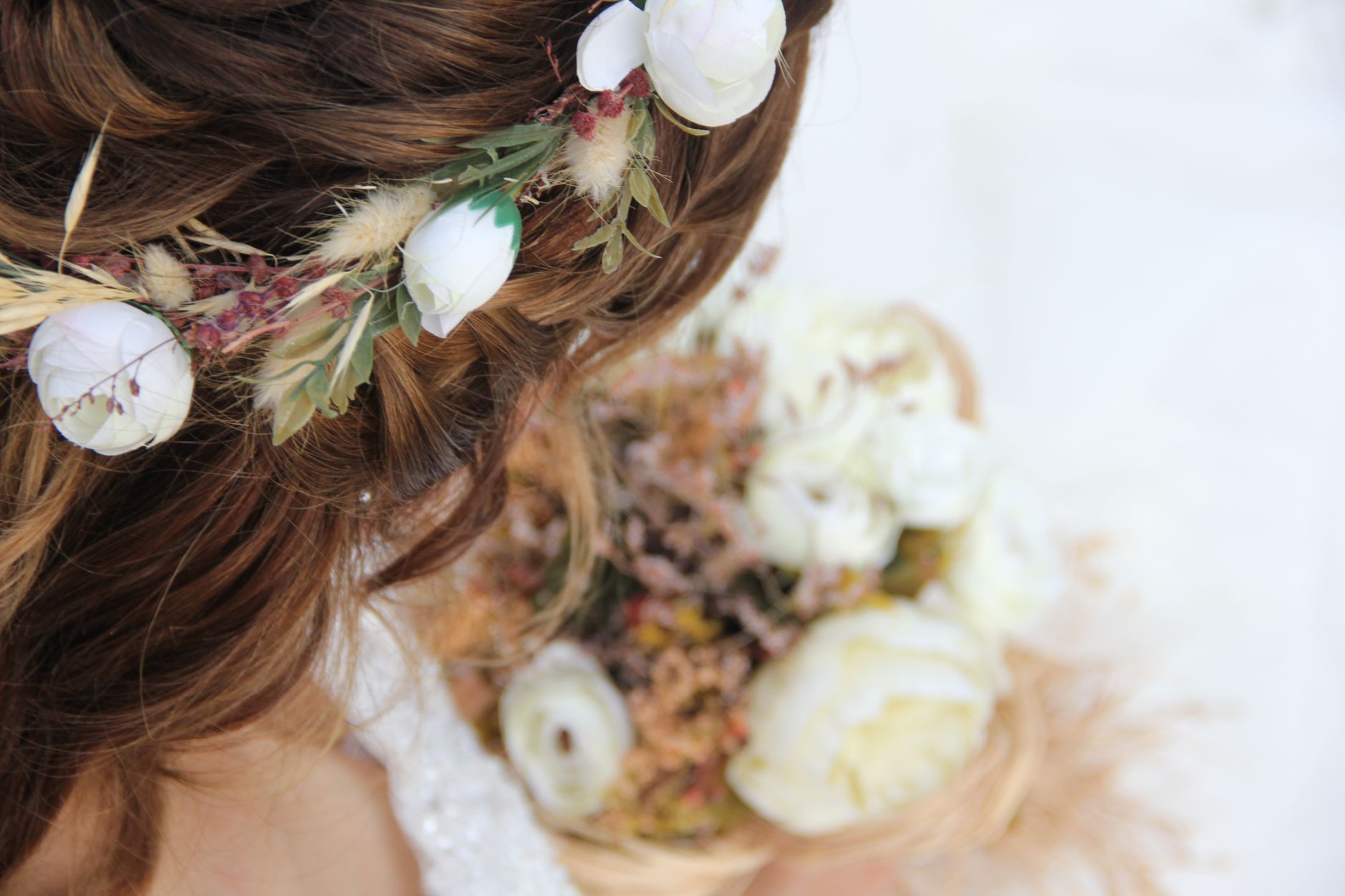
Wedding Hairstyles by Style
Once you know your hair length, the next filter is aesthetic style – the overall mood and silhouette of the look. Each category below includes five to seven specific ideas with enough descriptive detail to have a productive conversation with your stylist from the first meeting.
Classic Updos
Classic updos communicate elegance, timelessness, and formality. They suit every venue from garden to ballroom, hold beautifully through a full reception without significant touch-ups, and work with most veil types. They are also the most technically demanding category – choose a stylist with a strong, recent updo portfolio.
- Low chignon: Twisted or knotted hair gathered low at the nape of the neck. Pairs naturally with a cathedral or chapel veil. The most enduring style in bridal history – and still one of the most popular for good structural and aesthetic reasons.
- French twist: All hair swept to the back and twisted upward into a smooth vertical column. Sophisticated, architectural, and immediately recognizable as a formal bridal choice. Works best with straight or lightly textured hair.
- Rolled updo: Sections of hair rolled under and pinned in overlapping layers. Creates significant volume and structure – a more dramatic alternative to the chignon that suits brides who want height without going full ballerina.
- Ballerina bun: A clean, precisely centered bun placed at the crown. More contemporary than a traditional chignon, but equally formal and equally versatile with accessories. Often paired with minimalist jewelry and a simple veil.
- Braided updo with pearl pins: Braided elements woven through or around an updo base, then decorated with pearl-head or crystal pins. Adds texture and visual detail to what might otherwise be a simpler structure.
- Chignon with veil overlay: The veil comb is placed just above the chignon so the veil drapes over and around it, creating a layered, deeply classic look. Requires the chignon to be structurally solid enough to hold the weight without shifting.
- Knotted updo: Knotted rather than twisted or pinned – a more relaxed, contemporary take on the traditional updo that still holds well through eight to ten hours of dancing and movement.
Romantic Half-Up, Half-Down
Half-up styles are the most searched category in bridal hairstyling in 2026 – and for good reason. They offer the elegance of a formal updo with the visual softness of loose hair flowing at the back, and they work on nearly every hair type, length, and face shape. They are also more forgiving to adjust mid-reception if something needs attention.
- Half-up twist with loose curls: The upper sections twist back and secure at the crown, while the lower sections hang in soft, defined curls. Looks labored and intentional in photographs while wearing comfortably through a long day.
- Half-up with pearl or crystal comb: A simple version where a single decorative comb secures the upper section at the crown or slightly behind it. Quick to execute, striking in photographs, and easy to touch up if anything slips.
- Pull-through braid crown: A braided crown effect created by pulling hair up through itself, producing a romantic and textured half-up that has more visual complexity than its construction suggests.
- Half-up with fresh flowers: Scattered blooms or a deliberate cluster of florals fastened at the crown of the half-up. Works best at garden, vineyard, and outdoor settings where the floral environment reinforces the look.
- Boho half-up with face-framing tendrils: Loosely gathered at the crown with deliberately relaxed pieces left at the temples, cheekbones, and jawline. Effortless-looking in execution but requires skill to ensure the pieces are intentional rather than accidental.
- Half-up low bun with wispy tendrils: The gathered section forms a loose, impressionistic bun rather than a tight knot. Practical and consistently photogenic, particularly for all-day outdoor weddings where heat and movement are factors.
Boho Loose Waves
Boho waves are defined by intentional imperfection – textured, tousled, and romantically relaxed in a way that photographs as effortless even when significant time and product have gone into them. They suit outdoor venues and bohemian aesthetics especially well, and they have been among the most photographed bridal styles across social media for three consecutive years with no sign of fading.
- Effortless beach waves: Defined waves with a large-barrel curling wand, loosened by finger-combing once cool, and finished with a sea salt spray and light oil for texture and shine. Anti-humidity product is essential if the ceremony is outdoors.
- Loose braided waves: One or two subtle braids woven through loose hair, with the waves finished around them. Adds visual complexity without committing to a full braided look – a hybrid that works on medium and long hair equally well.
- Flower crown with loose waves: The canonical boho bridal combination. Works best at garden, vineyard, and tropical destination weddings. Choose seasonal blooms that will hold their structure for 8+ hours without wilting, or opt for a preserved arrangement.
- Textured boho bun with face-framing pieces: A deliberately loose, gathered bun with texture spray throughout and soft tendrils deliberately left at the face and temples. More polished than it appears in the mirror during styling.
- Undone mermaid waves: Large, deep waves from root to end with significant overall volume. Intensely romantic and one of the most impactful loose styles available. Requires the most styling time of any wave option and benefits most from a morning-after hair wash the night before.
- Festival braid with waves: A side braid or relaxed fishtail starts at the ear and travels through the loose waves – not a full plait, but an element woven through the hair that adds texture and visual interest to an otherwise standard wave look.
- Full fishtail braid: The entire length of hair gathered into a loose, deliberately undone fishtail braid. Bohemian, highly distinctive, and one of the most recognizable bridal looks for outdoor ceremonies. Requires long hair for the best effect.
Modern Sleek
Sleek bridal styles are having a definitive moment in 2026. Clean lines, mirror-smooth surfaces, and architectural precision appeal strongly to fashion-forward brides who want their bridal look to feel contemporary and intentional rather than traditionally romantic. The key is that every element of a sleek look needs to be perfect – there is nowhere for imprecision to hide.
- Low sleek bun: Hair pulled back without texture and gathered in a low, polished bun at the nape. Ultra-clean lines that pair with geometric jewelry and minimalist dress silhouettes. Requires a firm-hold gel or pomade and precise smoothing.
- Straight and glossy down: A precision round-brush blowout finished with a silicone glass-hair serum. Requires excellent natural hair texture or a pre-wedding keratin treatment. Works best in cool, dry conditions – not suited to humid or coastal venues.
- Slicked-back low ponytail: A refined, editorial interpretation. Applied with a smoothing brush and strong-hold gel, then finished with a silk or fabric wrap around the base. Statement earrings complete the look and carry most of the visual weight.
- Sculptured side part with pins: A deep, deliberate side part with the heavier side pinned back using jeweled or geometric pins. Creates asymmetry and visual interest within a fundamentally sleek silhouette.
- Glass-hair blowout: The trending technique of mirror-smooth, ultra-reflective hair achieved with a round brush and silicone serum. The look photographs distinctively well under venue lighting and has a strong editorial quality.
- Sleek high bun: Very structured, very modern, and in every respect the opposite of a messy bun. Works especially well at contemporary art-space, industrial-chic, or modern hotel venues where the geometric aesthetic of the space matches the precision of the style.
- Geometric pinned updo: Sections pinned in intentional, angular patterns rather than in flowing curves or waves. An avant-garde choice that reads powerfully in editorial and portrait photographs. Requires a stylist with genuine artistic confidence.
Vintage
Vintage bridal styles reference the distinct glamour of the 1920s, 1930s, 1940s, and 1960s – each decade with its own specific fingerprint. The key to executing a vintage look successfully is specificity: commit to one era and build the look consistently around it, rather than blending references in a way that reads as vague or unintentional.
- Old Hollywood waves: Large, glossy barrel waves set on one side, referencing 1930s and 1940s film glamour. Quintessentially elegant, highly photogenic in both color and black-and-white, and one of the most requested vintage looks across the full range of wedding aesthetics.
- Victory rolls: Sections of hair at the temples or crown rolled under and pinned in place. Associated with 1940s wartime glamour. Bold, deliberately retro, and deeply confident – a style that communicates a specific personality without apology.
- Finger waves: Flat, precisely sculpted S-waves set close to the head using a comb and wave clips. A 1920s look that requires genuine technical skill and should not be attempted by a stylist who has not practiced this specific technique. Ask to see their finger wave portfolio.
- Victory roll with pin curls: A combination of front victory rolls and clustered back pin curls. Detailed, labor-intensive, and unmistakably of the 1940s. Pairs best with a tea-length dress or a gown with deliberate vintage design elements.
- 1940s side-swept roll: One side of the hair gathered and rolled back while the other falls in soft waves. A gentler vintage interpretation that reads as deeply elegant rather than costumed – accessible for brides who want the vintage reference without full commitment to an era.
- Modern beehive: An updated 1960s silhouette with less aggressive height than the original and a more refined surface finish. At home in art deco, heritage property, and formal hotel venues where the architecture supports a bold hair statement.
- Bouffant with ribbon: A lifted, voluminous crown section dressed with a silk or grosgrain ribbon tied through the back. Playful, romantic, and unmistakably 1960s in its reference – a style for brides who want some levity in their look.
Glam
Glam bridal styles prioritize drama, shine, and maximum visual impact. They suit black-tie and ballroom venues most naturally but are increasingly requested for any formal or semi-formal setting where the bride wants her hair to function as a statement rather than simply a frame for the face.
- Big bouncy blowout: A full, volumized blowout with a deep curl at the ends that creates movement with every step. The quintessential bridal hair image for many brides – and one that photographs consistently well under every lighting condition from noon to midnight.
- Cascading curls: Precisely defined ringlets or deep barrel curls from mid-length to the ends. Time-intensive and technically demanding, but the result is deeply romantic and consistently popular for evening receptions.
- Crystal-embellished updo: A structured updo decorated throughout with crystal or high-quality rhinestone pins. Catches the light with every movement and creates a distinctly glamorous quality that no other accessory category quite replicates.
- High bridal ponytail: A high, sleek ponytail finished with a silk or fabric wrap at the base. A modern, fashion-forward alternative to a traditional updo that photographs particularly well in side-profile portraits and processional shots.
- Sparkling combs in loose curls: Loose, romantically styled curls with one or two jeweled combs placed at the crown or tucked behind one ear. A lower-maintenance route to glamorous bridal hair that still reads as intentional and polished.
- Sculpted high bun with gem pins: A tight, elevated bun dressed with scattered gemstone or pearl pins throughout. The pins carry the accessory weight while the style itself stays clean, geometric, and structurally precise.
- Jeweled half-up with dramatic curls: The upper section is pinned back with a statement jeweled piece while dramatic curls flow from the mid-section downward. Bridges the gap between updo formality and romantic loose styling in a way that photographs beautifully from both the front and the back.
Your hairstyle and your stationery should feel like the same wedding
The invitation suite sets the visual tone before any guest arrives. Browse Paperlust’s wedding invitation collection to find designs that coordinate with your chosen aesthetic – from classic and formal to boho and romantic. Over 500 exclusive designs, from $2.04 per card.
Wedding Hairstyles by Theme and Venue
Your venue is one of the most practical filters for narrowing your hairstyle choice. What looks stunning in a climate-controlled ballroom can become a challenge at a coastal ceremony or feel stiff and out of place at a relaxed barn wedding. The setting and your hairstyle should reinforce the same story.
When you confirm your venue and begin building your overall aesthetic direction, it is also the right moment to start thinking about how your stationery anchors the theme. Your 2026 wedding invitation design and your bridal look should feel like they come from the same creative world. A bride choosing boho waves and a flower crown should have invitations with an organic, handcrafted feel; a bride choosing a sleek modern updo should have invitations that are clean and contemporary. Once your style direction is locked, both the stationery and the hair decisions become significantly easier. You can also explore wedding signs and save the dates to build a fully cohesive suite from the first announcement through to your ceremony day signage.
Beach Wedding Hairstyles
Wind and salt air are the two primary challenges at a coastal ceremony. Braids, textured buns, and pinned half-up styles address both directly – they keep hair away from the face and resist movement far more reliably than loose styles. Fine blowouts and straight styles will not survive coastal conditions without significant product intervention, and even with intervention, they are high-risk choices for an outdoor beachside setting.
Top picks for beach weddings: a textured braided half-up with sections at the crown braided back and secured, leaving loose waves underneath; a low braided bun with all hair gathered and tucked tightly; effortless boho waves with strong-hold mousse applied before drying and an anti-humidity sealing spray before the final set; or a fresh flower crown with minimal loose styling for a sheltered or partially enclosed ceremony setup.
Stylist tip: apply a strong-hold mousse to wet hair before blow-drying, then layer with a dedicated anti-humidity sealing spray before the style is finished, and follow with hairspray. Avoid fine, straight styles regardless of what the morning weather looks like – coastal air shifts quickly and often without warning between ceremony and cocktail hour.
Garden Wedding Hairstyles
Garden and outdoor estate weddings reward romantic, soft styles. The natural floral environment pairs intuitively with loose curls, braided elements, and floral hair accessories. Wind is still a practical consideration, but rarely as extreme as direct coastal exposure.
Top picks for garden settings: a braided crown with loose waves flowing from underneath; a half-up style adorned with fresh seasonal blooms placed at the gather point; romantic loose curls finished with a delicate floral comb at one side; or a waterfall braid finished with a fingertip-length veil. Dried and preserved florals – pampas grass, dried lavender, pressed wildflowers – are increasingly popular for garden weddings that extend into the evening, because they hold their shape and color through hours of light and warmth without wilting.
Ballroom Wedding Hairstyles
Formal venues call for formal hair. Structure, precision, and surface polish are the guiding principles. The key advantage of an indoor climate-controlled environment is the flexibility it gives you – nothing is going to be undone by wind or humidity, so delicate styles that would be impractical outdoors become fully viable.
Top picks for ballroom settings: a low French chignon with a cathedral veil; sleek Old Hollywood waves swept to one side; a structured updo with a tiara or crystal headband as the primary accessory; or a ballerina bun scattered with pearl pins. Statement accessories can be bolder at a ballroom wedding precisely because the controlled environment will keep them positioned exactly as intended through a long reception.
Barn and Rustic Wedding Hairstyles
Rustic settings invite boho and deliberately undone aesthetics. Braids, textured buns, and relaxed waves feel completely natural against exposed beams, wildflower arrangements, string lights, and linen tablecloths. Overly formal precision updos can feel aesthetically mismatched in barn venues – a low bun with face-framing tendrils reads more naturally than a sleek precision chignon in a setting where everything else is warm and imperfect by design.
Top picks for barn and rustic settings: milkmaid braids (crown braids worn high across the head); a loose fishtail braid with a silk ribbon woven through it; a textured bun with face-framing tendrils and a simple vintage comb; or loose boho waves paired with a dried flower crown or a single large bloom tucked behind one ear.
Destination Wedding Hairstyles
For destination weddings, practical considerations come first. The local climate, the skill level of local stylists, the logistics of traveling with hair accessories, and the length of time between getting ready and the ceremony all shape what is genuinely achievable. For humid tropical destinations – Southeast Asia, the Caribbean, coastal Mexico – updos, braids, and pinned styles are significantly more reliable than loose styles. For European estate or French countryside settings, you have considerably more flexibility. Mountain venues in dry climates are the most forgiving of all.
If you are using a local stylist at your destination, bring your inspiration photos printed on paper (not just saved on your phone) and arrive at the trial with your veil, headpiece, and key accessories. Printed reference prevents the ambiguity of phone screens and cross-cultural interpretation. See our guide on addressing wedding invitations for complementary advice on coordinating your stationery suite across international guest lists – the same discipline of “prepare in detail, confirm in advance” applies to both.
Wedding Hair Accessories That Work in 2026
The right accessory finishes a bridal look. The wrong one competes with it. The principle to work from is that your accessories should reinforce the aesthetic your hairstyle has already established – not introduce a new element that the rest of the styling has not set up. A boho wave look with a formal diamond tiara often reads as stylistically conflicted in photographs.
Send save-the-dates 8-12 months out so guests can plan attire, travel, and your overall aesthetic register early.
Veils
Veils range from dramatic to barely-there, and the style and length of your veil directly shapes what hairstyle can support it effectively. The main categories:
- Cathedral veil (108-120+ inches): Requires a secure, structurally solid anchor – a low chignon or precision structured updo is essential. The weight of a cathedral veil will gradually pull a loosely pinned style apart through a long ceremony.
- Chapel veil (72-90 inches): Similar structural requirements to a cathedral veil, slightly more flexible. Still works best with a firmly structured base style at the nape or crown.
- Fingertip veil (36-45 inches): The most flexible of the longer veils. Compatible with updos, half-up styles, and even loose waves when attached at the crown. The most versatile veil category for brides still deciding between a formal and relaxed look.
- Elbow veil (25-30 inches): Works with almost any hairstyle. Light enough to attach cleanly to a half-up, a loose wave style, or a structured updo without adding significant weight or pull.
- Blusher veil: Usually attached as a face-covering layer to a longer veil. Compatible with any hairstyle that has a secure attachment point at the crown or mid-back.
- Birdcage veil: Vintage-inspired, positioned at the front of the head. Pairs most naturally with finger waves, victory rolls, sleek modern styles, and embellished short hair where the short veil does not compete with length behind the face.
Tiaras and Headbands
Tiaras have fully returned to bridal styling in 2026 – not as a throwback to the early 2000s, but as a deliberate and confident accessory choice. The current approach is either full vintage regality (a true tiara with height and genuine sparkle) or architectural minimalism (a thin, precise metal hairband with controlled ornamentation). Embellished fabric headbands with pearls, crystals, or woven thread sit between the two and pair naturally with half-up styles, loose waves, and romantic updos alike.
Hair Combs and Decorative Pins
A well-placed comb adds elegance and personal character without the commitment of a headband or tiara. Popular finishes in 2026 include pearl clusters arranged in asymmetric patterns, Art Deco geometric designs in gold or silver, hammered metal in matte or burnished finishes, and pressed or dried floral arrangements set in resin. The principle for combs: one statement piece placed with intention is more effective than three smaller combs scattered without clear placement logic.
Decorative pins – pearl-head, crystal-tipped, or hand-wrapped with wire – are the most versatile of all accessories. A cluster of pins scattered through an updo adds depth and visual complexity without adding structural bulk. They are also the easiest accessory to adjust or partially remove during the reception if the look needs freshening.
Fresh and Dried Florals
Fresh florals – single blooms, scattered petals, or a full halo crown – have been a staple of garden and boho weddings for years. The clear 2026 shift is toward preserved and dried florals: pampas grass, dried lavender, pressed wildflowers, and dried citrus slices that hold their shape and color through an eight-plus-hour day without wilting, browning, or dropping petals. Dried arrangements are particularly strong for fall and winter weddings where fresh floral availability can be limited and the textures of dried materials coordinate naturally with the warmth of the season.
Ribbons and Fabric Accessories
Knotted fabric headbands and silk ribbons tied through braids, buns, or woven through loose waves are a genuine 2026 trend with real longevity behind it. They bring softness, tactile texture, and a slight old-world quality to any bridal style. A wide grosgrain ribbon tied at the nape of a low bun, or a thin silk ribbon threaded through a fishtail braid, is one of the simplest and most photogenic finishing touches available at any price point.
Your full accessory selection should be confirmed by your second hair trial – bring everything to that appointment and test the complete look in natural light. Once your hairstyle aesthetic is finalized, align your stationery accordingly. Our 2026 wedding invitation wording guide covers every formality level from black-tie to elopement-casual, and our RSVP card wording guide helps match your reply card tone to your chosen aesthetic.
Wedding Hair Trial: Timeline and What to Bring
The hair trial is not optional – it is the most important investment you can make in your bridal look outside of choosing the stylist in the first place. It is the only opportunity to test your style under realistic conditions, work through any challenges with your stylist’s hands actually in your hair, and confirm that you feel genuinely, deeply comfortable in the look before the day itself. Budget for two trials as a minimum.
| Timeframe | Action | Notes |
|---|---|---|
| 6-8 months before | Book your bridal stylist | Top stylists in popular wedding markets book 12+ months out. Do not wait until you have every other detail confirmed. |
| 4-5 months before | Trial 1 – base style | Clean hair, no heavy product. Bring 3-5 specific inspiration photos – not 30 vague ones. Establish the direction. |
| 8-10 weeks before | Trial 2 – full accessories test | Bring your actual veil, headpiece, and statement earrings. Test the complete look and take photos in natural light. |
| 2 weeks before | Final confirmation | Confirm timing, number of people in the party, arrival order, and any final refinements from the second trial. |
| Night before | Wash and condition | For most styles, day-old hair grips product and pins better than freshly washed hair. Do not apply styling products overnight. |
| Wedding morning | Arrive ready to style | Clean, dry, product-free unless your stylist has specified otherwise. Bring the touch-up kit and all accessories. |
What to Bring to Every Trial
- 3-5 specific inspiration photos – not 30 vague screenshots from different aesthetics. Choose images that show the exact angle, texture, and accessory placement you want to discuss.
- Your veil, headpiece, or comb – even a placeholder of similar weight and shape if you have not yet purchased the final piece. The weight of a veil changes how a style holds and sits.
- Your statement earrings – especially if they are large or architectural. Earrings frame the face and change how the complete look reads from a distance in ways that are hard to predict without testing.
- A V-neck or backless top if your dress has that neckline – test the full visual relationship between the neckline and the hair from the neck up.
- Hair extensions if you are planning to use them – bring them to every appointment so your stylist can work with them integrated into the style.
- Water and a snack – trials take 2-3 hours and you will be sitting mostly still with your neck at awkward angles for extended periods.
After your first trial, photograph the result in multiple lighting conditions – near a window, in a dimly lit room, and outdoors if possible. What reads correctly under bright salon lighting may look different under candlelight or in direct afternoon sun. Send a few photographs to your maid of honor or a trusted friend who will give you an honest assessment rather than an encouraging one. For more on coordinating your full planning timeline, our save the date wording guide covers a complementary approach – test early, iterate based on feedback, confirm with confidence before committing.
Wedding Hair on the Day Of: Touch-Up Kit and Schedule
The morning-of experience is shaped more by your getting-ready schedule than by any other single factor. Brides who run out of time do not end up with bad hair – they end up with rushed hair, elevated stress, and a photographer who cannot start the portrait session on time. Build the schedule conservatively from the start and protect it against slippage.
Building Your Getting-Ready Schedule
A reliable planning standard: budget 60-90 minutes for the bride’s hair and 45-60 minutes per bridesmaid. With four bridesmaids plus the bride, that is approximately 4.5-5 hours of hair time for a single stylist working sequentially. Most couples book two stylists to compress the morning into something manageable – it is one of the better investments available in the day-of experience and reduces the stress on the entire party.
A sample schedule for a 4:00pm ceremony with a bridal party of five and two stylists present from 7:00am:
- 7:00am – Stylists arrive; bridal party hair begins, two chairs running simultaneously
- 9:00am – First two bridesmaids’ hair complete; next two begin including MOH
- 11:00am – Bride’s hair begins (allow 75-90 minutes; no rushing this session)
- 12:30pm – Makeup begins for bridesmaids while bride finishes hair
- 2:00pm – Bride’s makeup
- 3:00pm – Dress on, first portraits begin with the photographer
- 3:30pm – Depart for ceremony
Build in at least 20-30 minutes of explicit, unscheduled buffer somewhere in the morning. Something almost always runs late – a bridesmaid who arrives later than expected, a style that takes longer than the trial suggested, a dress that requires more time to put on than anticipated. A built-in buffer prevents one delay from cascading through the entire morning schedule.
Touch-Up Kit Essentials
Pack a small kit and hand it to your maid of honor at the start of the reception. It is her responsibility to know what is in it and how to use the key items. Brief her on what to do if specific elements of your style start to slip – a bun that is loosening, a pin that has shifted, waves that are falling flat.
- Bobby pins in the same color as your hair – at least 20-30 pins
- Clear hair elastics – backup for any element of the style that uses one
- Strong-hold hairspray
- Fine-tooth rat-tail comb for smoothing or detailing specific sections
- Travel-size dry shampoo for a volume refresh mid-reception
- A mini travel curling iron or wand if your style includes waves or defined curls
- A few extra decorative pins matching your headpiece (in case any are lost during the reception)
- Shine or smoothing serum – a single pump smooths flyaways after hours of dancing
Wedding invitations that match your style
From foil-stamped classic elegance to romantic letterpress and clean modern digital print – Paperlust offers 500+ exclusive designs for every wedding aesthetic. Designer proofs within 1-2 business days, free white envelopes included.
From minimalist flat foil to romantic watercolor letterpress, browse the full collection and order free samples before you commit.
Frequently Asked Questions About Wedding Hairstyles
When should I book my wedding hair stylist?
Book as early as possible – ideally 8-12 months before your wedding date. Top bridal stylists in popular wedding markets are often booked 12+ months in advance, especially for spring and fall Saturday weddings. If you are working with a shorter planning timeline, begin outreach immediately and have two or three backup stylists identified before your first meeting.
How many hair trials do I need?
Plan for at least two. The first trial establishes the base style and gives your stylist a chance to assess your hair’s texture, weight, and how it responds to product and heat. The second trial – at 8-10 weeks before the wedding – tests the complete look with your actual veil, headpiece, and earrings in place. A third trial is worth booking for complex or multi-element looks, or any time something felt significantly off after the second session.
Should I wash my hair the day before my wedding?
For most styles, yes – wash and condition the night before, but do not apply any styling product afterward. Day-old hair holds texture spray, pins, and braids significantly better than freshly washed hair, which can be too smooth and slippery to grip. If your chosen style requires very clean, silky hair – a glass-hair blowout or sleek flat-ironed look – wash the morning of instead, and confirm this approach with your stylist at the second trial.
How long does wedding hair take?
Budget 60-90 minutes for the bride and 45-60 minutes per bridesmaid. Complex styles – intricate multi-element braids, pin-curl sets, or looks incorporating extensions – can take 90-120 minutes for the bride. Always confirm expected timing with your stylist when you book, and again after the second trial when you have finalized the look.
Should I wear a veil with an updo?
Absolutely – a veil with an updo is one of the most classic and photographically enduring bridal combinations. A low chignon with a cathedral veil, or a structured updo with a blusher veil, are reliably elegant pairings. The critical requirement is that your updo is structurally solid enough to hold the comb’s weight through a full ceremony and reception. Test this specifically at your second trial by wearing the veil for at least an hour.
Can I wear my hair down for my wedding?
Yes. Loose and partially loose styles are beautiful and photograph with a natural, romantic quality. The trade-off is practical: loose hair is more affected by wind, humidity, and hours of dancing, and it requires ongoing maintenance throughout the reception. A strong-hold anti-humidity spray, a touch-up kit with your maid of honor, and a clear plan for how the style will be managed after the bouquet toss are all worth discussing with your stylist in advance.
What is the best wedding hairstyle for humidity?
Updos, braids, and pinned styles are consistently the most humidity-resistant options available. If your venue or wedding season is likely to involve heat and moisture – an outdoor summer ceremony, a coastal venue, a tropical destination – discuss your options explicitly with your stylist. Ask what products they plan to use and request specific anti-humidity sealing sprays. Consider also doing a partial outdoor trial run in conditions similar to your venue if at all possible.
Do I need hair extensions for my wedding?
Only if you want them. Extensions add volume, length, or fullness where your natural hair cannot, but they are not necessary for a beautiful bridal style at any hair length. If you are considering extensions, introduce them to your stylist at least 3-4 months before the wedding so they can be incorporated into all hair trials and you can test how they wear and hold through a realistic timeframe.
How do I make wedding hair last all day?
Three factors make the biggest practical difference: a strong-hold base product applied before styling begins, quality hairspray used at multiple stages throughout the styling process, and structural pins placed at the actual load-bearing points of the style rather than purely decoratively. Updos generally hold well for 8-12 hours with proper preparation. Loose styles will need some maintenance attention during the reception, which is the job of your touch-up kit.
What is trending in wedding hairstyles for 2026?
The most prominent trends in 2026 include romantic half-up, half-down styles with deliberate face-framing tendrils; sleek modern updos paired with sculptured geometric accessories; effortless boho waves for outdoor and garden weddings; embellished styles using scattered crystal and pearl pins as the primary accessory statement; and dried and preserved florals replacing fresh-bloom crowns in many outdoor and barn settings. The glass-hair sleek blowout is also trending strongly for contemporary and minimalist weddings.
How much does wedding hair cost?
Bridal hair styling on the wedding day typically ranges from $150 to $400, depending on style complexity, the stylist’s experience level, and your location. Hair trials generally cost $75-$150 each. Bridesmaids’ hair is typically $75-$150 per person. Booking a stylist who specializes in bridal work – with a portfolio of wedding-day looks specifically – is consistently worth the premium over a general salon appointment for the most important photographs of your life.
Can short-haired brides wear a veil?
Yes. A blusher veil or a birdcage veil can attach beautifully to a pixie cut or short bob with the right comb or clip placement. Work with a stylist who has specific experience with short bridal hair – the attachment point and angle of the comb matter considerably at shorter lengths. If a veil does not feel right or practical, a statement comb, embellished headband, or fresh floral arrangement is equally striking and often more cohesive with a short style.
Should my bridesmaids have matching hairstyles?
Coordinated does not mean identical. Matching within a style category – all half-up styles, all loose waves, all pinned – creates visual harmony in group photographs without making everyone look like the same look at different sizes. Allow each bridesmaid to adapt within the chosen style family to suit her own face shape and hair type. A shared accessory element, such as the same style of pin or a matching floral color, is often enough to visually tie the group together.
What face shape does a bridal updo suit?
Most face shapes suit a well-constructed updo. For round faces, choose an updo with deliberate height at the crown to add vertical length. For heart-shaped faces, opt for styles with volume near the chin line – a low bun rather than a high one. For square faces, add soft romantic tendrils around the face to soften the angular jawline. Oval faces suit virtually any updo configuration, which is precisely why generic stylist advice so often defaults to the question of what you love rather than what flatters.
What is the difference between a chignon and a bun?
The terms are often used interchangeably in bridal contexts, but technically a chignon refers to a smooth, knotted, or twisted style worn specifically at the nape of the neck – the name comes from the French term for the nape of the neck. A bun is a broader category describing any hair gathered and secured in a rounded shape, placed anywhere from the nape to the crown. A chignon is always a form of bun; not every bun is a chignon.
Paperlust as featured in
Vogue Australia · Marie Claire Australia · The Sydney Morning Herald · Harper’s Bazaar Bride