
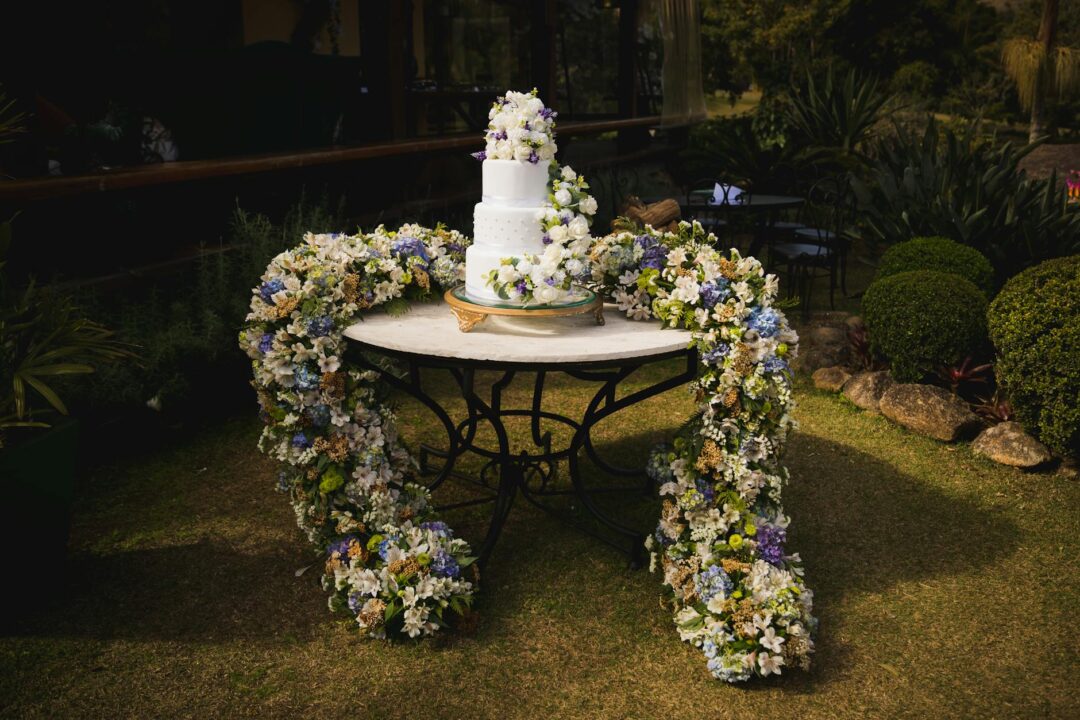


Your wedding cake is one of the most photographed objects of your entire reception – and one of the few elements guests will still talk about years later. Whether you are envisioning a towering fondant masterpiece draped in sugar florals, a stripped-back naked cake crowned with dried pampas and fresh figs, or an architectural painted showpiece that could hang in a gallery, 2026 is a remarkable moment for wedding cake design. Bakers are pushing creative limits at every price point, styles are more varied than ever, and the gap between a stunning cake and a budget-friendly cake has never been smaller. This guide covers everything: how to choose your style, what your budget actually buys, the 50+ design directions worth knowing, and the practical questions you need to answer before you book.
- Average wedding cake cost is $300-$700 for most couples; luxury designs with hand-crafted sugar florals or sculpted fondant can reach $5,000 or more
- A practical starting rule: plan one tier per 30 servings – two tiers for up to 60 guests, three tiers for 75-120, four or five tiers for larger weddings
- Book your baker 6-12 months ahead – top decorators in major cities fill their date books a full year out, especially for peak-season Saturdays
- Buttercream handles warm weather better and is easier to cut; fondant holds sharper detail and transports more safely for intricate architectural designs
- The save-the-top tradition means wrapping your top tier carefully and freezing it to eat on your first anniversary – done right, it keeps beautifully
How to choose a wedding cake
The best wedding cake fits your day – not just a photo you saved six months ago. Five factors shape the decision before you ever look at a single portfolio or taste a single crumb.
Style and theme
Your cake should feel like it belongs in the room. A sleek black-tie reception at a Manhattan hotel calls for something entirely different than a barefoot coastal ceremony at sunset. Start by defining your overall aesthetic – formal and traditional, romantic and floral, modern and architectural, or bohemian and relaxed – and let that steer you toward a design family. Once you know whether you are drawn to clean lines or abundant ornamentation, sweet softness or dramatic contrast, the right baker will emerge naturally from that shortlist. If you are still pinning down your visual direction, our round-up of wedding invitation trends for 2026 covers the dominant design movements shaping weddings this year – which maps directly to what is trending in cake aesthetics.
Season and climate
Season affects cake choice more than most couples realize. Summer weddings in warm climates need a baker experienced with heat-stable frostings – buttercream made with a higher ratio of shortening, or fondant-covered cakes that travel in a refrigerated van. All-butter buttercream can melt and slip in outdoor summer settings, so if your reception is open-air in July, discuss this explicitly with your baker at the first meeting. Spring and fall give you the most freedom. Winter weddings open the door to rich, dramatic designs – deep burgundy fondant, dark chocolate ganache drip, or moody painted finishes – that would look jarring in midsummer. The season also determines which fresh flowers are available for cake decoration, which matters if you want florals that match your bouquet and centerpieces exactly.
Dietary requirements
More couples are factoring in guest dietary needs from the very first cake conversation. Confirm with each baker whether they can accommodate gluten-free sponges, nut-free kitchens, dairy-free buttercream, and vegan recipes. A smart approach: have one tier made to an alternative recipe so guests with restrictions receive real cake rather than a packaged substitute. Ask directly whether the kitchen is a dedicated allergen-free space or whether cross-contamination is possible – for guests with severe allergies, this is a safety question, not a preference. Get the answer in writing.
Venue logistics
Tall, elaborate cakes require refrigeration, assembly space at the venue, and a skilled delivery team. Before you fall for a six-tier sculpted masterpiece, ask your venue: Does it have a dedicated catering or prep room where the cake can be assembled and stored cold before the reception? How far is the loading area from the reception room? Is there a freight elevator or stairs only? Most premium bakers will do a venue site visit as part of their booking process – include this in your negotiation if it is not offered automatically. The delivery window, setup conditions, and kitchen access all determine what is practical versus merely beautiful in photographs.
Budget
Wedding cake pricing scales sharply with design complexity. A smooth fondant cake with minimal decoration is far more affordable than a sugar floral cascade that requires a decorator to hand-sculpt 150 individual petals over two days. Set a realistic budget before your first baker meeting – the industry benchmark is $7-$15 per serving as a starting guide, with premium bakers in major cities charging $15-$25+ per serving for intricate designs. See the full cost breakdown in the next section. One critical note: always ask whether the quote includes delivery, setup, and any structural hardware (cake boards, dowels, pillars). A cake quoted at $800 can become $1,100 after add-ons.
Wedding cake costs: what to expect in 2026
Wedding cake pricing is driven by design complexity far more than size. A two-tier naked cake with a handful of fresh flowers can cost $400; a three-tier cake with hand-crafted sugar florals from a sought-after decorator can cost $3,000 or more for the same number of servings. Here is a realistic cost and planning framework:
A custom menu card for the dessert course or cake table elevates the moment and gives guests something to keep. Browse menu options.
| Tier count | Approx. servings | Typical cost (USD) | Book how far out |
|---|---|---|---|
| 2 tiers | 30-60 | $300-$700 | 3-6 months |
| 3 tiers | 75-120 | $800-$2,000 | 6-9 months |
| 4 tiers | 130-200 | $2,000-$4,500 | 9-12 months |
| 5+ tiers | 200+ | $5,000+ | 12+ months |
What drives the price beyond tier count:
- Design complexity – hand-crafted sugar florals, painted fondant, and sculpted architectural elements each add significant labor hours; a simple smooth-fondant cake and a sugar-flower cascade at the same size can be $1,500 apart
- Frosting type – fondant typically costs more due to material and application time; textured palette-knife buttercream can be equally labor-intensive when done well
- Specialty flavors – exotic ingredients (real elderflower cordial, high-percentage single-origin chocolate, imported liqueurs) add to ingredient cost
- Tasting session – most premium bakers charge $25-$75 per tasting, typically credited back to your invoice when you book
- Delivery and setup – typically $75-$200 depending on distance and assembly complexity; ask for this as a line item
- Baker reputation and market – boutique cake artists in New York, Los Angeles, or Chicago charge significantly more than equally talented bakers in smaller cities
The display-cake-plus-sheet-cake strategy. A popular approach for larger weddings: order a smaller showpiece cake (typically two or three tiers) for the table, ceremony, and photos, and supplement it with sheet cakes baked in the same flavors, cut in the kitchen and served to guests. The display cake handles the visual impact; the sheet cakes handle the headcount. This approach can reduce your total cake spend by 30-40% without compromising what guests see or taste. Ask your baker if this is an option – most are happy to accommodate it.

Wedding cakes by style: 50+ design ideas
The ten style families below cover the dominant aesthetic directions in 2026, each with specific design directions you can take to your baker or use as a starting brief for your first meeting.
Classic white
The traditional white wedding cake has not lost its power – it has become more refined. Contemporary classic white cakes move away from stiff royal icing and toward flawless technique: perfectly sharp fondant edges, precisely piped buttercream, and thoughtful embellishment that does not overwhelm the form. These cakes photograph beautifully under any lighting condition and remain the safest choice for a broad guest demographic.
- Smooth ivory fondant with hand-piped royal icing swags and a delicate monogram medallion at the front
- Three-tier buttercream with a loose cascade of sugar peonies and ranunculus descending from the top tier
- Stacked fondant tiers with ribbon-wrapped bases in ivory silk and a pearl cluster at the crown
- Bas-relief fondant panels with classic scroll and feather motifs in soft white-on-white relief
- White-on-white textured fondant with micro sugar pearl details pressed into each tier surface
- Square tiers wrapped in handmade fondant lace with a cluster of fresh gardenias at the base
Modern minimal
Less is more – and in 2026, minimal cakes are among the most-requested styles at high-end urban venues. Clean lines, deliberate restraint, and a single statement element define this look. A thin metallic band, one brushed gold leaf, a geometric disc topper at an asymmetric angle – the single detail does all the visual work. These cakes feel confident and sophisticated, and they pair naturally with contemporary venue spaces: converted warehouses, gallery rooms, and rooftop receptions.
- Two-tone stacked tiers with a sharp palette split between ivory and warm stone grey
- Concrete-effect fondant tiers with a single hand-applied gold leaf placement at the front face
- Sleek ivory buttercream with architectural brushed-gold disc toppers at three varying heights
- Tall, narrow four-tier cake in matte white with a single fine copper geometric ribbon at each tier base
- Half-glazed semi-naked cake with a clean palette-knife side scrape and one architectural white orchid stem
- Monochromatic design in three graduating shades of champagne fondant with chrome hardware accents
Rustic naked
The naked and semi-naked cake trend has been evolving steadily for a decade, and in 2026 it has matured into something genuinely considered. Where early naked cakes were simply unfrosted, the current versions are more deliberately styled: curated dried botanicals chosen for specific texture, seasonal flowers color-matched to the wedding palette, and deliberate imperfection that reads as artful rather than unfinished. These cakes work particularly well at barn, winery, and outdoor garden venues.
- Classic exposed sponge with fresh garden roses, dried pampas grass, and draping eucalyptus garland
- Semi-naked with a thin, textured outer layer of pale buttercream and a dried botanical crown at the top
- Caramel drip over exposed sponge layers, with whole fresh figs, blackberries, and rosemary sprigs
- Bark-effect naked cake with a faux wood-grain exterior and foraged greenery arranged at the base
- Waterfall of fresh seasonal stone fruit and berries (figs, plums, cherries, peaches) cascading over the tiers
- Multi-flavor naked cake with individual calligraphy tier-flavor cards identifying each layer for guests
Floral
Fresh florals on cakes are at a peak moment in 2026, with couples working closely with florist and baker together to coordinate exact bloom varieties. The best results happen when the florist and cake decorator communicate directly rather than working from separate briefs. Sugar-crafted florals are also experiencing an artistic renaissance – contemporary sugar florists produce petals that are indistinguishable from real ones at arm’s length, and their work will outlast fresh flowers through the entire reception.
- Full fresh flower cascade descending from the top tier to the base in an exact match of the bridal bouquet palette
- Single statement bloom cluster set at a deliberate offset angle – not perfectly centered – for an artless, natural feeling
- Delicate hand-painted sugar magnolia spray across one face of the cake with fine stem and leaf detail
- Pressed edible dried flowers embedded directly into smooth pale buttercream panels
- Floral halo of fresh flowers floating in a perfect ring around the mid-tier junction
- Sculpted sugar peony and ranunculus trio at the base, with a few individual petals scattered naturally at the foot
- Wild meadow style – sweet peas, chamomile, anemones, cornflowers, and soft grasses spilling down one side
Geometric
Geometric cakes appeal to couples who love architectural precision and graphic structure. These designs require highly skilled fondant work – precision matters here more than in any other style, because a slightly off-angle plane or uneven edge reads immediately. The result, when executed well, is a showpiece that dominates the room. These look especially strong against neutral backdrops and pair well with industrial or contemporary venue aesthetics.
- Hexagonal-shaped tiers with fine geometric gold trim scored along each horizontal edge
- Faceted fondant tiers sculpted to catch and reflect light from multiple angles, like a cut gemstone
- Sharp angular abstract fondant panels with contrasting color-block insets between each geometric plane
- Origami-fold fondant panels alternating in matte white and pale gold, inspired by Japanese paper sculpture
- Concrete-grey triangular fondant with a single metallic copper geometric inset on one face
- Bold grid-pattern fondant with alternating deep and pale tones in a clean repeating graphic motif
Painted and marbled
The wedding cake as canvas. Watercolor, oil-painting-effect, and marbled fondant designs have moved from novelty to a genuine established category – but the best examples remain remarkable. The key discipline is restraint: one strong visual technique per cake, executed with mastery, rather than combining multiple effects. A watercolor cake that tries to also be marbled becomes chaotic. Commit to one direction and let the baker pursue it fully.
- Watercolor wash in dusty rose, warm sage, and ivory that bleeds softly and naturally across the fondant surface
- Oil-painting-effect botanicals with real brushstroke texture rendered in food-safe paint – dramatic at close range
- Marble fondant in ivory and warm grey with fine gold vein detailing running through each tier
- Soft ombre gradient transitioning from a deep warm blush at the base to near-white at the top tier
- Hand-painted botanical illustration wrapping each tier in a continuous scene – a garden that circles the cake
- Dark midnight base with iridescent silver swirls for a moody deep-ocean or galaxy effect
- Geometric color-block in two bold complementary palette tones with clean sharp edges between each field
Sculpted and textured
Texture-forward cakes occupy a sophisticated space between minimal and maximalist. The baker’s handwork is central to the aesthetic – these cakes are meant to show the craft. Each one is inherently unique, because no two hand-applied textures come out identically. They photograph exceptionally well in low raking light that emphasizes the dimensionality of the surface, and they look strong on fabric-draped or candlelit cake tables.
- Precisely pleated fondant tiers that echo the pleating detail of a couture gown – a popular choice for formal ceremony aesthetics
- Cascading sculpted fondant petal layers building organically from the base tier upward
- Wave-form fondant sculpted in continuous motion across each tier, creating a fluid, living silhouette
- Deep geometric grooves scored into each tier, creating strong light-and-shadow contrast that shifts with movement
- Ruffled fondant arranged like draped fabric, soft and dimensional without being overly romantic
- Bas-relief monogram panel surrounded by a sculpted botanical wreath – high-detail, heirloom quality, genuinely unique
Boho textured
The boho cake aesthetic leans into organic imperfection, natural materials, and earthy tones. Palette-knife work, dried botanicals, and intentionally uneven finishes replace the precision of fondant smoothing. These cakes feel personal, warm, and genuinely relaxed – they are among the most photogenic styles in natural light and work beautifully at outdoor, vineyard, or garden venue settings.
- Palette-knife combed buttercream in layered terracotta, warm ivory, and sandy ochre tones
- Dried pampas grass crowning the top tier with pressed botanical accents applied to the sides
- Geode-slice effect with food-safe crystals and amethyst pigment set into a raw-cut side face
- Fault-line design where the interior – colored sponge layers and tucked flowers – bursts through a deliberate crack in the outer fondant
- Macrame-inspired fondant ribbon wrap in warm off-white, referencing the texture of woven textile
- Wabi-sabi imperfect clay-like textured finish with intentional uneven edges and visible hand impressions
- Wild herbs and dried florals pressed into the sides: dried lavender, chamomile heads, rose petals, and thyme sprigs
Vintage
Vintage wedding cakes draw from the delicate piping traditions of Victorian and Edwardian pastry craft – but the best contemporary versions feel fresh rather than costume-party derivative. The detail is precise, the palette is restrained (ivory on ivory, soft gold on cream), and the overall effect is one of quiet opulence. Pair with genuine antique cake stands and silver candlestick holders for maximum impact.
- Fine cornelli lace piping covering the entire surface in intricate swirling detail – labor-intensive but extraordinary up close
- Chandelier sugar pearl drops suspended from each tier junction like a chandelier pendant arrangement
- Cameo-style sugar portrait plaque – a bride’s profile, a floral arrangement, or a monogram – set as the visual centerpiece
- 1920s Art Deco gold stenciling in geometric repeating pattern with crisp, defined edges and warm gold metallic pigment
- Victorian-era raised monogram in fondant with an elaborate scroll border and delicate sugar leaf wreath
- Sugar forget-me-not and sweet pea collars at each tier junction for a delicate, English-garden-party feeling
Black tie
Bold, dramatic, and unapologetically luxurious. Black tie cakes make a statement that matches the scale and grandeur of a formal evening reception. Dark palettes, architectural precision, and metallic finishes define this category. These designs require confident execution – a black fondant cake that is not perfectly smooth looks sloppy in a way that an ivory cake does not – so book a baker with specific experience in dark-palette work.
- Sleek all-black fondant with Art Deco geometric gold bands scored at each tier
- Mirror glaze finish in deep charcoal or midnight navy with a full reflective metallic sheen
- Dark moody fresh florals in deep burgundy, aubergine, midnight blue, and near-black foliage against pale fondant
- Dramatic tall narrow tiers in ebony fondant with brushed platinum ribbon at each base
- Geometric black-and-white high-contrast fondant with sharp chrome disc and hardware accents
- Dark chocolate ganache drip over ivory fondant with real gold leaf applied at the drip points
- Architectural black tiers with a single edible gold brushstroke gesture sweeping across one face – graphic and assured
Wedding invitations that match your cake aesthetic
From classic white foil to modern minimal and romantic botanical, Paperlust has 500+ exclusive designs across digital print, flat foil, letterpress, and more. Your stationery suite sets the visual tone before a single guest arrives – browse the full collection to find your match. Check out our guide to 2026 invitation wording for inspiration on the whole suite.
Wedding cake sizes and servings: how many tiers do you need?
Sizing a wedding cake involves two calculations: how many guests you are feeding, and whether you plan to serve the entire cake at the reception or hold the top tier back for the anniversary tradition. Most bakers plan for a standard serving size of approximately one slice per adult guest – typically a 1 inch by 2 inch by 4 inch portion, which is the catering industry standard. Here is a practical sizing reference:
| Configuration | Approx. servings | Best for | Notes |
|---|---|---|---|
| 2-tier (6″ + 8″) | 30-50 | Micro weddings, elopements, intimate receptions | Consider sheet cakes if headcount grows |
| 3-tier (6″ + 8″ + 10″) | 75-100 | Small to mid-size receptions | Most popular configuration overall |
| 3-tier (6″ + 9″ + 12″) | 100-130 | Mid-size to larger receptions | Wider tiers give more presence on the table |
| 4-tier (5″ + 7″ + 9″ + 11″) | 140-180 | Large receptions, tall visual impact | Requires structural support dowels between tiers |
| 5-tier (4″ + 6″ + 8″ + 10″ + 12″) | 200+ | Grand receptions, maximum visual statement | Plan for experienced baker and refrigerated delivery van |
How to calculate your exact size: Take your confirmed guest count from your RSVP cards, subtract any guests who have confirmed dietary restrictions that will be handled separately, and add 10% as a buffer for second-portion requests. If you are doing the display-plus-sheet-cake approach, your display cake only needs to serve about 30% of that total – the rest is handled in the kitchen. Share this math transparently with your baker and they will recommend the right configuration for both visual impact and practical yield.
Tier height matters too. Standard tiers are 4 inches tall. Extended tiers at 5-6 inches add dramatic height without requiring additional width – a popular choice for achieving a tall, elegant silhouette in a smaller venue footprint. Ask your baker whether they offer extended-height tiers as part of their design repertoire.
Wedding cake flavors and fillings: the top 12 choices
Most three-tier cakes allow for one or two different flavors across the tiers – a smart way to please a broader range of guests. Here are the 12 most popular and well-reviewed flavor combinations, with notes on when each works best.
Match place cards to your cake’s color palette, foil accents, or floral details. Browse foil, letterpress, and digital options.
Classic vanilla
Madagascar bourbon vanilla sponge with Swiss meringue vanilla buttercream is the benchmark – almost universally loved and the safest choice when you do not know your guest demographic well. This is also the cleanest canvas for intricate buttercream or fondant work, since the flavor does not compete with the decoration. Do not dismiss it as boring: the best vanilla wedding cakes, made with high-quality vanilla bean paste, are genuinely extraordinary.
Lemon elderflower
Driven into the mainstream by high-profile royal weddings, lemon elderflower has become a modern classic. The pairing of bright citrus sponge with the floral, honey-like elderflower Swiss meringue buttercream is genuinely elegant. It suits spring and early summer weddings particularly well and works in warm weather (the elderflower nectar adds stability to the buttercream). One of the most consistently praised flavors in post-wedding surveys.
Dark chocolate fudge
Rich, crowd-pleasing, and visually dramatic when cut – the dark interior against a pale frosted exterior creates a beautiful reveal at the cake-cutting moment. Dark chocolate sponge paired with salted caramel ganache filling and dark chocolate Swiss meringue buttercream is the premium execution. Pair with a ganache drip exterior design for a cake that looks as intense as it tastes.
Red velvet
Red velvet has been popular for decades and does not show any sign of decline. The deep crimson interior creates one of the most photogenic cake-cutting moments available, and the slightly cocoa-flavored, tender crumb with cream cheese frosting is beloved across all age groups. This flavor works especially well as one tier of a multi-flavor cake since it adds visual drama when a single slice is photographed.
Champagne and prosecco
Champagne-infused sponge with champagne buttercream is exactly as celebratory as it sounds. The flavor is subtly floral and lightly boozy – not overpowering, but unmistakably special. This is a popular choice for the top tier specifically, since that tier is often saved and eaten at the anniversary and the champagne connection reinforces the celebratory sentiment. Ask your baker to use real champagne rather than artificial flavoring for the best result.
Salted caramel
Salted caramel has become a modern classic – appearing in everything from the caramel drip naked cake to intricate fondant tiers filled with house-made caramel compote. The combination of deep, buttery caramel with a touch of sea salt flatters almost every other flavor in a multi-tier setup and pairs particularly well with almond sponge or brown butter cake as the base. One of the most consistently ordered options at premium bakeries.
Lemon raspberry
Sharp, bright, and genuinely refreshing – lemon sponge with a fresh raspberry compote filling and lemon Swiss meringue buttercream is a crowd-pleaser at summer weddings. The natural blush-pink of the raspberry compote creates a beautiful color reveal at each slice, and the tartness of the combination cuts through the sweetness of a rich frosting. One of the top choices for outdoor warm-weather receptions where lighter flavors are preferred.
Carrot cake
Carrot cake’s popularity in wedding settings has grown steadily over the past five years, driven by couples who want a flavor that is genuinely different and who know that their guests will talk about it. A well-made carrot cake – dense, warmly spiced, loaded with freshly grated carrot and toasted walnuts – paired with whipped cream cheese frosting is exceptional. This works particularly well for fall and early winter weddings where the warming spices feel appropriate to the season.
Almond and amaretto
Classic almond sponge with amaretto-soaked layers and Italian meringue buttercream has a sophisticated, European-pastry quality that distinguishes it from more mainstream flavor choices. The almond flavor complements both white and dark chocolate fillings. This is a popular choice among couples who want something that feels elevated without being alienating. One note: confirm nut-allergy awareness with your baker and have an alternative tier available.
Earl Grey and lavender
One of the standout flavor trends of 2026 – Earl Grey-infused sponge (bergamot-forward, aromatic, and slightly floral) paired with honey lavender Swiss meringue buttercream is genuinely distinctive. This flavor combination suits garden, greenhouse, and botanical venue aesthetics particularly well and photographs beautifully when the cake is decorated with dried lavender and grey-blue accents. It is an easy conversation starter at the reception as guests ask about the unusual and memorable taste.
Coconut lime
Coconut sponge with lime curd filling and coconut cream cheese frosting is an ideal choice for tropical, coastal, or destination wedding settings. The bright citrus-and-coconut combination feels celebratory and summery without being cloying, and it pairs naturally with fresh tropical flower decoration. For outdoor summer and beach weddings, this is one of the most consistently requested options among couples planning warm-climate celebrations.
Strawberry champagne
Vanilla champagne sponge with fresh strawberry compote filling and whipped champagne buttercream is a romantic, light option that works year-round but particularly well in late spring and early summer when strawberries are at peak season. Fresh strawberries pressed into the sides or arranged at the base add a beautiful color contrast and connect the flavor to the visual decoration. One of the most photographed flavor pairings when paired with a semi-naked or minimally frosted style.
Complete your cake table with custom wedding signage
A cake table sign – “Sweet beginnings”, a monogram, your wedding date – frames your cake for photos and adds a finishing touch that guests notice. Paperlust prints wedding signs on fabric or PVC board in your exact palette. While you are planning the full reception look, our guide to wedding songs for every moment covers the perfect cake-cutting track too.
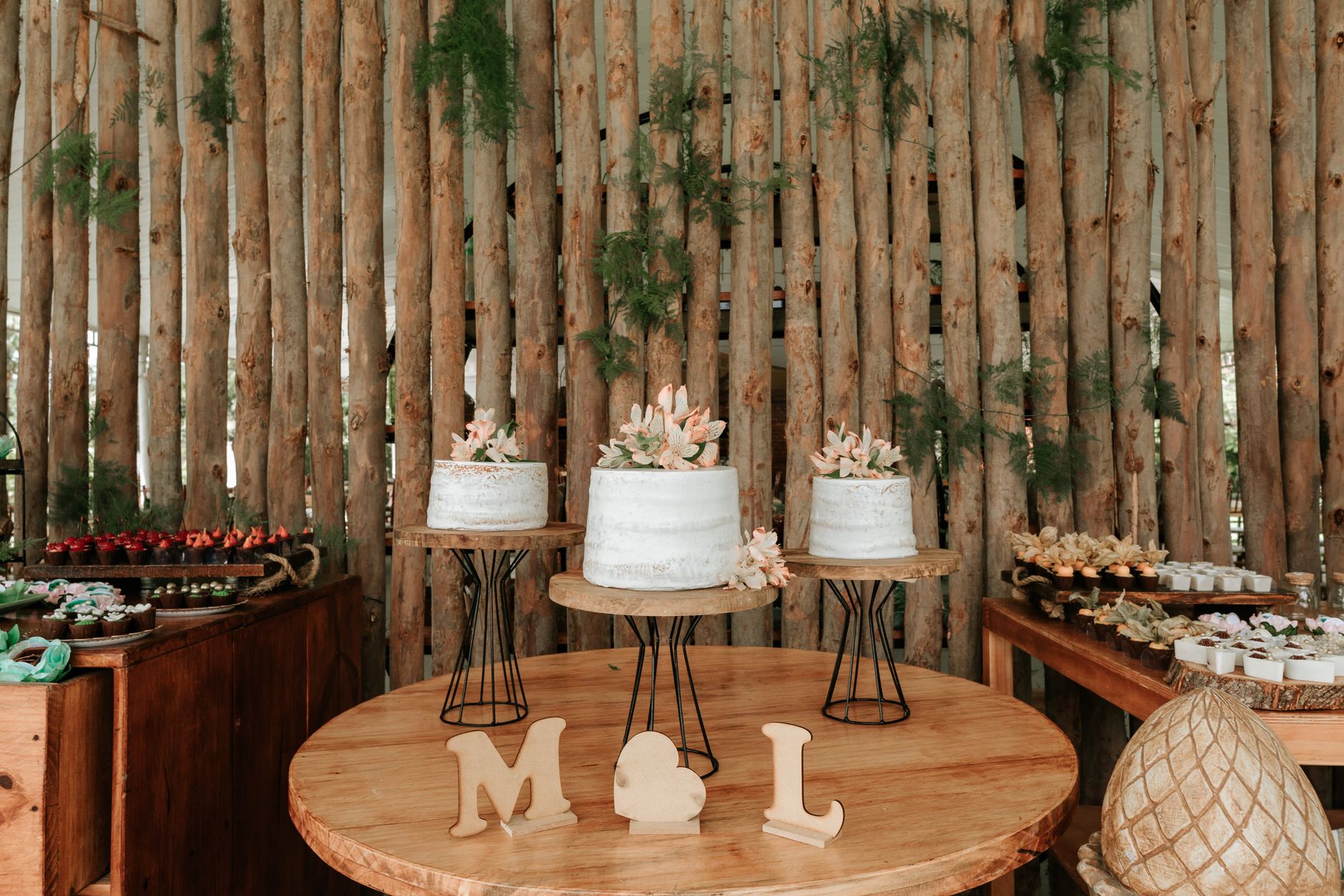
Wedding cake toppers
The topper is the punctuation mark at the top of your cake – the final design decision that brings the whole piece together. The right topper reinforces your aesthetic; the wrong one breaks it. Here are the main categories with guidance on when each works best.
Fresh and preserved florals
Fresh flowers as a topper are among the most popular choices in 2026 and integrate beautifully with the broader floral program of the wedding. Coordinate with your florist to have a small matching arrangement prepared for the cake at the same time as the reception centerpieces. For couples who want something that lasts beyond the day, dried and preserved florals (dried roses, dried pampas, preserved baby’s breath) make gorgeous toppers and can be kept as a keepsake. Ask your baker whether they work directly with your florist or whether you need to coordinate separately.
Monogram toppers
The classic monogram – initials or combined letters in acrylic, wire, wood, or sugar – is timeless and personalizes the cake without competing with the design. Acrylic monogram toppers in gold, silver, rose gold, or mirrored finishes are available at a wide range of price points and typically arrive before the wedding to be approved and brought to the venue. Wire monograms have a more artisanal, handmade feeling that pairs well with rustic, boho, and garden aesthetics. Sugar monogram plaques crafted by the baker are the most integrated option, creating a seamless visual connection between the topper and the cake itself.
Custom figurines
Custom cake toppers depicting the couple – either as illustrated figurines, clay figures, or more abstract sculptural forms – are back in a contemporary form that bears no resemblance to the stiff plastic figurines of decades past. Modern options include hand-sculpted clay figures in the couple’s actual outfits, illustrated paper cut-out toppers, and resin figurines created from photographs. These are a genuinely personal choice and work at any aesthetic register from playful and whimsical to formally romantic. Lead time is typically 6-8 weeks, so order early.
Calligraphy and text toppers
A word, phrase, or date rendered in hand-lettered calligraphy on an acrylic or wood panel makes a simple and universally legible topper. Common choices include the couple’s wedding date, a meaningful phrase (“Forever begins today”, “And so the adventure begins”), or simply the surnames. These are among the most photogenic toppers because text is immediately readable in photographs and anchors the image with a specific emotional message. They pair well with clean, minimal, and contemporary cake designs where an ornate topper would be too much.
Acrylic and metallic disc toppers
Geometric acrylic discs, metallic circular frames, and sculptural hardware toppers have become the signature topper of the modern minimal aesthetic. A single large gold ring balanced at a slight angle, a cluster of metallic discs at varying heights, or a clean arch in brass wire are all in heavy rotation in 2026 wedding photography. These are inexpensive relative to custom figurines and can be sourced from specialty stationery and wedding supply retailers. They also survive the reception and make a beautiful shelf decoration afterward.
Vintage and heirloom toppers
Using a family heirloom cake topper – from a grandparent’s wedding, for example – is a deeply meaningful choice that connects your day to your family’s history. Vintage porcelain bride-and-groom figurines, antique silver bells, and ornate Victorian-style crystal toppers are all seeing a revival among couples who want an authentic vintage element rather than a reproduction. If you are using an antique topper, have it cleaned and checked for stability well in advance – most bakers require toppers to be delivered ahead of the wedding day to confirm they work with the design.
Cake cutting etiquette and photography setup
The cake cutting is a formal moment in the reception program – one of the most photographed transitions of the entire event. Handled well, it is an elegant and memorable pause; handled without thought, it gets fumbled in dim light with the photographer in the wrong position. Here is how to get it right.
When in the reception timeline to cut
The industry standard is to cut the cake after the main course but before guests begin departing – typically around the 2-3 hour mark of the reception. Cutting too early means the cake sits unserved for a long time (buttercream and fresh flowers begin to show wear); cutting too late means guests who have left early miss the moment entirely. Discuss timing with your venue coordinator, caterer, and photographer as a coordinated block in the evening timeline. Your photographer should know the cake cutting is coming 10-15 minutes before it happens so they can set up properly. For a full reception timing guide, our complete address-and-timing resource covers how to pace your evening so every planned moment lands well.
The cutting technique
The traditional first cut is made together – both partners placing their hands on the knife, cutting one slice together from the bottom tier, then feeding each other a piece. This bite-feeding moment is deliberately playful. In contemporary receptions, many couples skip the face-smashing variation and go for a clean, photogenic feeding instead – your call entirely. After the ceremonial cut, the caterer or venue team takes over to cut and serve the remainder. Never attempt to cut and serve the full cake yourselves; professional portioning ensures consistent servings and protects the structural integrity of the remaining cake during service.
Photography positioning for the cutting
For the best photograph, the cake should be positioned with its most decorated face visible to the camera and with soft, directional light (not direct overhead fluorescent). If your venue allows repositioning the cake table before cutting, ask for it to be placed near a window (during daylight) or near the warmest ambient lighting in the room (for evening receptions). The photographer should be positioned slightly to the side – not directly face-on – to capture both partners and the cake at three-quarter angle. A second photographer or videographer behind the couple captures the over-the-shoulder perspective that often produces the most intimate images.
The cake cutting song
Many couples choose a specific song for the DJ or band to play during the cake cutting – a lighthearted or romantic track that sets the mood for the moment and cues the room to gather. Classic choices range from “Can’t Help Falling in Love” to playful options like “Sugar” by Maroon 5. Your DJ should know this in advance and have it queued. If you have not yet finalized your reception music, our complete guide to wedding songs covers the cake cutting and every other musical moment of the day.
Cake table setup
The cake table background matters as much as the cake itself. A plain wall, a floral installation, or a custom cake table sign behind the cake creates the backdrop for the photos that will be shared. White linen tablecloths are the default; ask whether your venue uses linen or paper underlays and bring your own if the default is paper. A cake stand that elevates the cake above table height adds visual impact and keeps the base of the cake in frame when photographed from standard camera height. Custom wedding signs – a “Sweet beginnings” board, a monogram sign, or a welcome-to-the-reception panel – frame the cake beautifully and are visible in the cutting photographs.
Save-the-top tradition: how to freeze your top tier properly
The save-the-top tradition has roots in 19th-century English wedding cake customs, when the top tier was preserved and eaten at the christening of the couple’s first child. In contemporary practice, it is most commonly saved and eaten on the first wedding anniversary – a ritual that connects the anniversary celebration back to the wedding day itself.
Done correctly, a frozen cake tier can taste remarkably good a year later. Done incorrectly (inadequate wrapping, a frost-heavy freezer, freezer odors absorbed into the sponge), it can be a disappointing experience. Here is the correct process:
Step 1: Remove all non-edible decorations
Before wrapping, remove all non-edible elements from the top tier: fresh flowers, floral wire picks, structural hardware, acrylic or wire toppers, and any fresh fruit. Remove any wooden dowels or cake boards if accessible. If the top tier has sugar flowers or fondant decorations that are edible, these can stay but may absorb moisture during freezing and lose their texture – acceptable for eating but not visually pristine.
Step 2: Chill before wrapping
Place the top tier uncovered in the refrigerator for at least 1-2 hours before wrapping. A cold, firm cake wraps more easily and maintains its shape during the wrapping process. A room-temperature cake with soft frosting will smear and distort under plastic wrap pressure.
Step 3: Wrap in plastic wrap
Wrap the chilled tier tightly in at least 3-4 layers of plastic wrap (cling film), pressing the wrap firmly against the frosting surface to exclude as much air as possible. Air exposure is the primary cause of freezer burn and flavor degradation. Be thorough – cover the top, sides, and bottom of the tier completely before adding the outer layers.
Step 4: Wrap in aluminum foil
Over the plastic wrap, add 2-3 tight layers of aluminum foil. The foil provides a secondary moisture barrier and provides additional protection against freezer odors from other stored foods. Label the foil clearly with the date and contents – this is especially important if your freezer is shared.
Step 5: Place in a zip-lock bag or airtight container
For maximum protection, slide the wrapped tier into a large zip-lock freezer bag (remove as much air as possible before sealing) or place it in an airtight freezer-safe container. This third layer of protection is optional but meaningfully extends the quality of the cake over 12 months.
Step 6: Thaw correctly the day before your anniversary
Move the tier from the freezer to the refrigerator 24-48 hours before your anniversary dinner. Allow it to thaw completely and slowly in the refrigerator – do not rush-thaw at room temperature, which causes condensation and soggy frosting. Once fully thawed, remove all wrapping 30-60 minutes before serving and allow it to come to room temperature. Taste a small amount before serving to your guests – if the quality is not what you hoped, this is the moment to pivot to something else rather than discovering it at the table.
Note on timing: Your first anniversary falls on the same date as your wedding, which means you will be sending your save the dates for your vow renewal (if you choose to celebrate) around the same time. A fitting full circle. For additional first-anniversary traditions and gift ideas, search for “first anniversary paper gifts” – paper is the traditional material for the first year, which is a beautiful connection if you have any leftover stationery from your wedding suite.
Browse 200+ invitation designs filtered by style and palette to set the same visual tone your cake will deliver.
Frequently asked questions
How much does a wedding cake cost on average?
The average wedding cake in the United States costs between $300 and $700 for most couples – typically a two or three-tier design with moderate decoration. Cakes with hand-crafted sugar florals, intricate painted fondant, or sculpted architectural elements from boutique decorators can cost $2,000-$5,000 or more. Pricing is driven by design complexity and baker reputation more than size – two cakes of the same tier count can differ by $1,500 based on decoration alone. Budget around $7-$15 per serving as a realistic starting range, with premium bakers charging $15-$25+ in major cities.
What is the difference between fondant and buttercream?
Fondant is a sugar paste rolled into sheets and draped over the cake – it creates a smooth, matte surface ideal for detailed decoration, sharp edges, and intricate painted or sculpted work. Buttercream is a fat-and-sugar frosting that can be applied smoothly (for a clean finished look) or texturally (palette-knife, ruffled, combed). Fondant holds its shape better in warm weather and during transport, making it the professional choice for elaborate designs. Buttercream tastes better to most people, is more forgiving in summer heat if made with a shortening-based recipe, and produces the soft, textured aesthetics associated with naked, boho, and minimalist styles. Many contemporary cakes use buttercream as the primary finish with fondant used only for specific decorative elements.
When should I book my wedding cake baker?
Book your baker 6-12 months before your wedding date. For peak-season Saturdays (particularly May through October) in major cities, 9-12 months is the safer window for top-tier decorators. Once you have your venue confirmed and your approximate guest count estimated, the cake baker conversation can begin – you do not need a finalized guest count before the initial booking. Most bakers hold a date with a deposit, with final design and serving-count confirmation happening 2-3 months before the wedding. Do not delay this booking – it is consistently ranked by couples as one of the things they wished they had done earlier.
How much cake do I need per guest?
The standard catering portion for a wedding cake is one slice per adult guest, with a typical slice measuring 1 inch wide by 2 inches deep by 4 inches tall (what bakers call a “party slice” or “event serving”). This is smaller than a typical cafe slice, which is why many couples are surprised by how many servings their cake yields. Add 10% to your confirmed guest count as a buffer. If you are also serving dessert or a candy bar, some couples reduce the cake order to 75-80% of the guest count, since not every guest will want cake after a full dessert. Discuss this explicitly with your baker rather than making assumptions.
Can I have different flavors in different tiers?
Yes – this is standard practice and most bakers accommodate it happily. A three-tier cake can have three different flavors, giving you maximum choice without doubling the cost. The most common approach is to have the largest bottom tier in the most crowd-pleasing flavor (vanilla or chocolate), the middle tier in a second choice, and the top tier – if you are saving it – in something special like champagne or lemon elderflower. Inform your baker which tiers correspond to which flavors and ask how they label slices during service so guests know what they are receiving.
How far in advance can my baker make the cake?
Most wedding cakes are baked 2-4 days before the wedding, with decoration completed 1-2 days out and final assembly happening on the morning of the wedding or at the venue. Fondant-covered cakes can be assembled slightly earlier (up to 3 days) since the fondant protects the sponge from drying out; buttercream cakes are typically finished closer to the delivery date. Your baker will manage this timeline based on their workflow – trust their scheduling judgment, which is based on experience with what holds quality and what does not. Your role is to confirm final design and serving numbers by the deadline they specify (typically 2-4 weeks before the wedding).
What is a groom’s cake?
The groom’s cake is a Southern American tradition in which the groom receives a separate, personalized cake that reflects his personality, interests, or a shared joke – a football field, a favorite sports team’s logo, a hobby or profession rendered in cake and fondant. It is typically cut and served alongside the wedding cake or boxed as a favor for guests to take home. This is entirely optional, adds to your overall cake budget, and is more common in some regions than others. Discuss with your baker if you want to pursue this – it typically requires its own tasting and design brief separate from the wedding cake process.
How do I handle guests with dietary restrictions?
The most practical approach is to have one tier made to an alternative recipe that accommodates the most common restrictions at your wedding. If you have several guests who are vegan, one vegan tier means they receive real cake and not a substitute. For gluten-free, the same logic applies – have a dedicated gluten-free tier baked in a separate pan with no cross-contamination. For nut allergies, confirm with your baker whether their kitchen uses shared equipment with nut-containing products. Inform your catering team which tier or slices are which so the alternative-diet portions reach the right guests. Add a note on your invitation suite or wedding website about dietary accommodation options – this is increasingly expected by guests.
Can I save money with a display cake and sheet cakes?
Yes, and this is one of the smartest cost strategies available. Order a small showpiece display cake (typically two tiers) for the ceremony, photos, and cutting moment – then have the kitchen serve sheet cakes baked in the same flavors. Guests rarely know the difference, and you can reduce your total cake spend by 30-40% while maintaining full visual impact. This approach requires coordination with your venue or catering team (who need kitchen space and time to pre-cut the sheet cakes) but is widely practiced and accepted. Ask your baker directly whether they offer this and what the pricing looks like for a combined showpiece-plus-sheet-cake order.
What song should play during the cake cutting?
The cake cutting song sets the emotional register for that moment of the reception – it can be romantic, playful, or a personal choice that means something specific to the couple. Classic romantic options include “Can’t Help Falling in Love,” “The Way You Look Tonight,” and “At Last.” Popular lighter options include “Sugar” by Maroon 5, “Sweet Thing” by Van Morrison, and “Pour Some Sugar on Me” for a fun crowd reaction. Our full wedding songs guide covers every moment from processional through last dance. Give the song choice to your DJ or band at least two weeks before the wedding so they have time to source and rehearse it.
How do I transport a wedding cake safely?
Transportation is the baker’s responsibility when you book a delivery service – and it should remain so. A multi-tier wedding cake is one of the most structurally fragile objects at any wedding, and transporting it yourself in a personal vehicle (even with every precaution) is a high-risk decision. Professional wedding cake bakers transport in refrigerated vans on flat, non-slip surfaces and often travel with spare frosting and tools for emergency touch-ups at the venue. If you are working with a baker who does not offer delivery, factor in the full risk of self-transport before agreeing. If you must transport yourself, keep the car cold, drive flat roads without hard braking, and have the baker assemble tiers at the venue rather than en route.
Can I request a cake tasting before I book?
Yes – and you should. Most wedding cake bakers offer tasting sessions as a standard part of the booking process, typically for a fee of $25-$75 per session, often credited back to your invoice when you book. A tasting session lets you sample 4-6 flavors, discuss fillings and frosting types, look at the baker’s portfolio in person, and assess whether their aesthetic sensibility aligns with your vision. Bring photos of your inspiration, your invitation suite (for color and design reference), and a clear sense of your guest count and budget. Most tastings last 45-60 minutes. Book 2-3 tastings with different bakers before making a decision – this is one of the most enjoyable parts of the wedding planning process.
What should I display the cake on, and how should I set up the cake table?
The cake stand elevates the cake visually and keeps the base in camera frame – choose one that is 4-6 inches above table height for standard photography. A marble or mirrored cake stand creates a strong base visual that coordinates with most aesthetics; natural wood pedestals pair with rustic and boho styles; clear acrylic risers work with modern and minimal designs. The table itself should be covered in a fabric that complements your palette – white or ivory linen is the universal default. Add a custom cake table sign or monogram sign for a backdrop that makes the cutting photographs self-contained and shareable. Keep the table clear of clutter – a few small bud vases or tapered candle holders are all that should compete with the cake for attention.
How should leftover cake be stored after the reception?
Buttercream-finished cakes can be stored at room temperature for up to 2 days if the venue is cool. In warmer environments, store in the refrigerator. Fondant-covered cakes can also be refrigerated, but condensation may form on the fondant surface when brought back to room temperature – this typically evaporates without damaging the surface but can cause minor color changes in painted or printed fondant. Fresh flower decorations should be removed before storage. Slice and wrap individual portions in plastic wrap before refrigerating for the cleanest storage and easiest distribution. Cake stores well in the freezer for up to 3 months when wrapped correctly, using the same technique described in the save-the-top section above.
Paperlust in the press: Featured in Vogue Australia, Marie Claire Australia, The Sydney Morning Herald, and Harper’s Bazaar Bride as a leading destination for premium wedding stationery and design.