
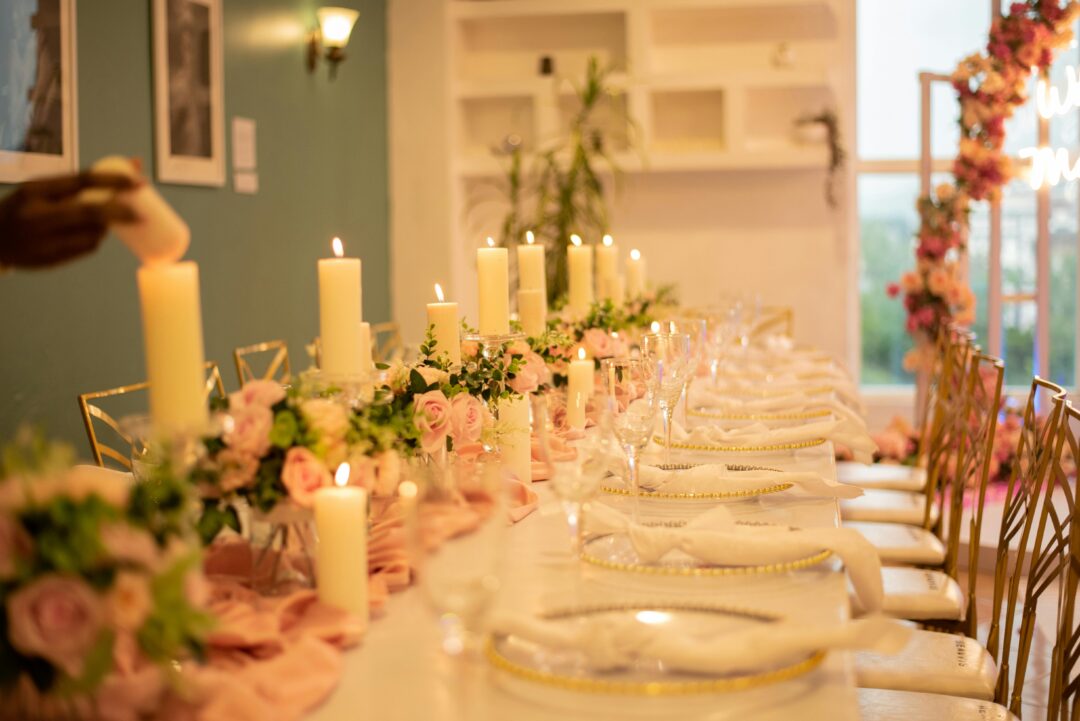

- Micro weddings typically host 20-50 guests, with some couples going as intimate as 10-15.
- WeddingWire reports micro weddings grew 23% year-over-year; Pinterest search interest is up 33% for 2026.
- Smaller guest counts free up serious budget for upgraded venues, gourmet catering, and luxury stationery.
- Key 2026 trends include restaurant buyouts, multi-day celebration weekends, editorial photography, and chef’s-table dining experiences.
- Fewer guests means you can hand-deliver invitations and splurge on premium print methods, letterpress or foil stamp, for the same total spend as a standard-run digital suite.
- Paperlust invitations start from $2.04/card with designer proofs in 1-2 business days.
Micro weddings have moved from a pandemic-era workaround to one of the most intentional choices couples are making in 2026. If you have been following the full wedding trends guide for 2026, you already know intimacy is the defining thread of the season, and micro weddings are where that thread runs deepest. This guide covers every major micro wedding trend shaping celebrations right now, plus the stationery details that make small-scale events feel extraordinary.
Why Micro Weddings Are Rising in 2026
For years, the default wedding script called for 100, 150, even 200 guests, a sprawling production driven as much by family obligation as personal desire. As of 2026, a growing wave of couples is rewriting that script entirely.
The numbers are striking. WeddingWire data shows micro weddings, defined as celebrations with fewer than 50 guests, grew 23% year-over-year heading into 2026. Meanwhile, The Knot Real Weddings Study pegs the average US wedding at 131 guests and a $35,000 budget; couples choosing micro formats are redirecting the savings from 80+ fewer guests toward quality, not quantity. Pinterest reported a 33% surge in micro wedding searches for 2026, signaling this is far from a niche preference.
Three cultural forces are accelerating the shift:
- Post-pandemic recalibration. After years of delayed celebrations and scaled-back events, many couples discovered they actually preferred smaller gatherings, and they are not reverting to the old model.
- Cost consciousness without compromise. Inflation has pushed full-scale weddings further out of reach for many couples. A micro wedding lets you spend on the things that matter (venue, food, photography, stationery) without funding an event for people you see once a decade.
- Authenticity over optics. Younger couples in particular are prioritizing the guest experience over the guest count. A 30-person dinner where every single person is deeply loved feels more meaningful than a 180-person ballroom where the couple spends 45 seconds at each table.
For couples planning 2026 micro weddings, the timing is ideal. Vendors who once prioritized volume are increasingly carving out premium packages for intimate events. Venues that were inaccessible for large groups (private dining rooms, boutique hotels, art galleries) are now within reach.
What Counts as a Micro Wedding?
The term gets used loosely, so it helps to be precise. Most wedding planners and industry researchers define a micro wedding as a ceremony and reception with 20-50 guests. Some couples push further toward 10-20, sometimes called an “ultra-micro” or intimate elopement-style wedding, while others land closer to 50-75 and still describe the event as micro in spirit if not strictly by count.
| Event type | Typical guest count | Typical US budget range |
|---|---|---|
| Elopement | 2-10 guests | $5,000 – $15,000 |
| Micro wedding | 20-50 guests | $15,000 – $40,000 |
| Intimate wedding | 50-75 guests | $30,000 – $55,000 |
| Traditional wedding (US avg) | 131 guests | ~$35,000 (The Knot, 2025) |
Budget-wise, micro weddings do not automatically mean cheap, they mean efficient. Many couples spend just as much as they would on a traditional wedding but allocate it completely differently: a Michelin-starred private dining room instead of a hotel ballroom, a curated four-course menu instead of a buffet, letterpress invitations instead of digital-print cards. The per-guest spend goes up; the total guest count goes down. That trade-off is exactly the point.
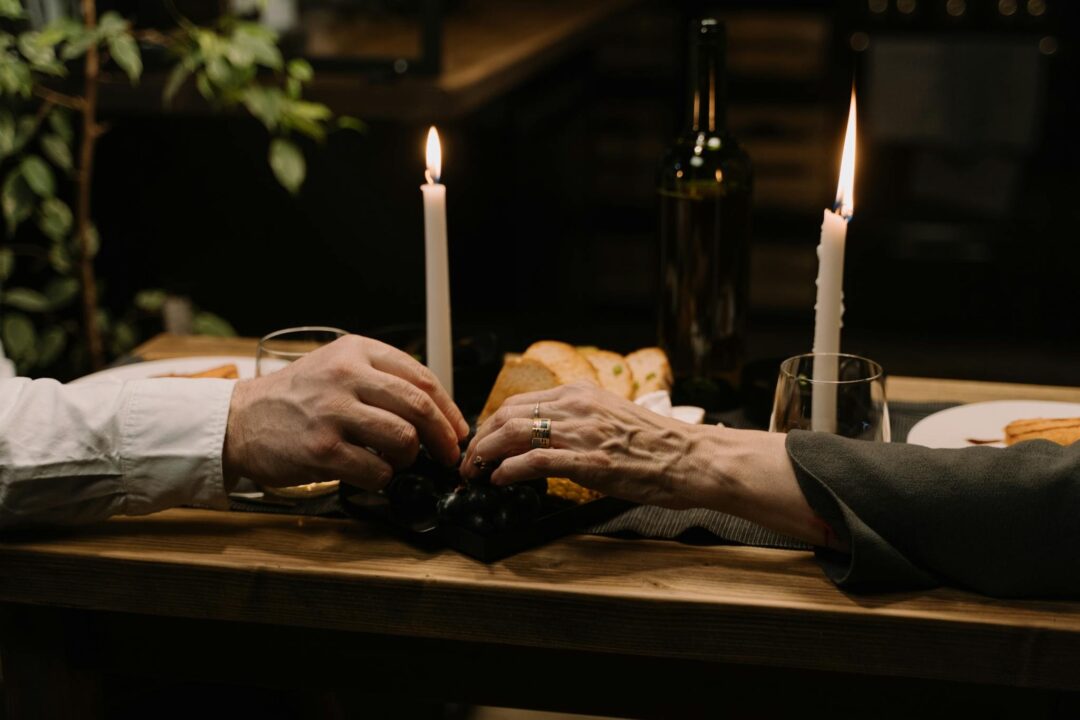
10 Micro Wedding Trend Ideas for 2026
For couples planning 2026 micro weddings, these are the trends defining the most memorable celebrations right now, from venue choices to ceremony details to photography approaches that treat an intimate wedding not as a smaller version of a big wedding, but as its own entirely different (and better) thing.
1. Intimate Restaurant Buyouts and Supper-Club Receptions
One of the defining micro wedding trends of 2026 is the private restaurant buyout. Instead of a traditional venue, couples are booking beloved neighborhood restaurants, modern wine bars, and Michelin-recognized chef’s counters for the entire evening. The result is a wedding that feels like an exceptional dinner party, because it is.
Restaurant buyouts work particularly well for micro weddings because the venue is already optimized for hospitality. The kitchen is staffed, the ambiance is curated, and the beverage program is expert-level. Couples often work with the chef to create a custom prix-fixe menu that reflects their personal tastes, dishes from the city where they met, a shared favorite cuisine, or produce from a farm that has meaning to them. The restaurant’s existing decor, lighting, and tableware reduce the need for extensive rentals. For 25-40 guests, a private dining room at a respected restaurant can cost significantly less than a traditional wedding venue while delivering a far more memorable experience.
2. Multi-Day Celebration Weekends for a Close Inner Circle
Micro weddings lend themselves to something traditional large weddings rarely can: the extended celebration weekend. When your guest list is 30 instead of 150, you can actually spend meaningful time with everyone. In 2026, couples are leaning into this by building Friday-through-Sunday programs, a welcome dinner on Friday, the ceremony and dinner on Saturday, and a casual brunch on Sunday before guests depart.
The weekend format transforms the wedding from a single event into a true gathering. Guests bond with each other over multiple meals rather than exchanging quick hellos at a cocktail hour. The couple gets to be fully present at each moment instead of sprinting through a packed timeline. Practically, the costs spread across the weekend, a rented house or boutique hotel block is often more affordable per-night than a single high-production-value ballroom event. For guests traveling from out of town, a full weekend also justifies the trip in a way a single Saturday ceremony cannot.
3. Destination Micro Ceremonies with a Reception at Home Later
The two-part celebration is having a major moment in 2026. Couples are marrying in a destination location (a coastal clifftop, a Tuscan villa, a national park) with just their closest family and friends (sometimes as few as 10-15 people). Months later, they host a larger reception-only event at home for the extended circle of friends and colleagues.
This structure gives couples both things: the deeply intimate, visually stunning ceremony they actually want, and the social celebration that honors broader relationships. From a stationery perspective, the two-phase approach creates interesting creative opportunities, a formal invitation suite for the destination ceremony and a more casual, reception-specific invite for the home event. It also means stationery budgets for both events are modest in quantity, which creates room to go premium on print quality for the destination invites.
4. Elevated Food and Beverage Experiences: Chef’s Tables and Wine Pairings
When you are not feeding 130 people, you can afford to feed 30 people extraordinarily well. In 2026, micro wedding couples are using the guest-count reduction to fund culinary experiences that would be financially impossible at scale: chef’s-table dining with live fire cooking, curated wine pairings from a sommelier, craft cocktail stations designed around the couple’s favorite spirits, and dessert courses that go well beyond a standard tiered cake.
Some couples are partnering with private chefs or pop-up restaurants to create fully custom menus. Others are booking Michelin-starred venues that do not typically cater to weddings at all, because 25-30 covers fits neatly into what those kitchens handle on a regular service night. The food and beverage experience at a well-planned micro wedding is often the element guests remember most vividly, and it signals that the couple prioritized their guests’ experience over the visual spectacle of a large-scale production.
5. One-of-a-Kind Custom Favors and Gifts for Every Guest
Thirty guests means you can give each person a genuinely thoughtful, personalized gift, not a generic cookie tin or a candle with a label. In 2026, micro wedding couples are treating the favor as a love language: custom illustrated portraits of each guest’s family, a bottle of wine from a vineyard with personal meaning, a handwritten note paired with something the couple knows each person will love.
This level of personalization is only possible because the guest list is small enough to know every person on it deeply. It also reflects a broader shift in how micro couples think about hospitality: each guest is a VIP, not an attendee. The per-unit cost of a truly bespoke favor is irrelevant when you only need 30. Stationery fits naturally here too, personalized place cards, custom printed favor tags, and individually addressed thank-you notes all reinforce the same message: you were chosen deliberately, and we thought about you specifically.
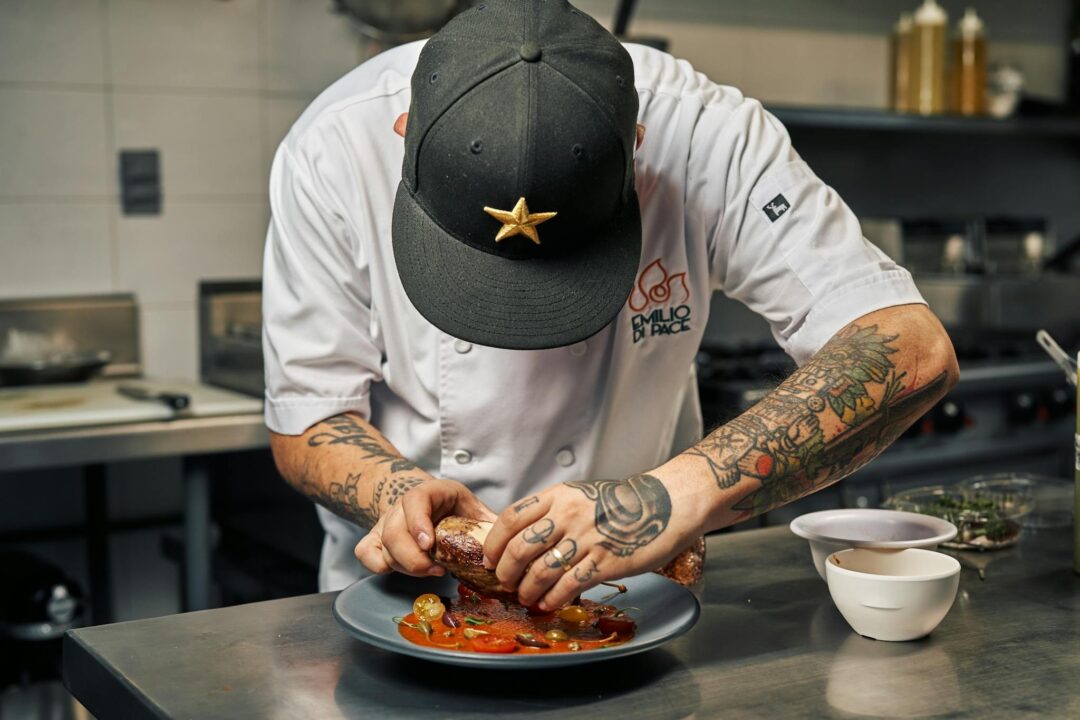
6. Editorial Photo Sessions Replacing Traditional Wedding Photography
Traditional wedding photography, the choreographed family formals, the first-dance shot from the back of the room, is losing ground at micro weddings. In 2026, intimate couples are increasingly commissioning editorial-style photography that looks more like a fashion shoot or a high-end magazine feature than a conventional wedding album.
Editorial wedding photography prioritizes mood, light, texture, and genuine emotion over posed line-ups and event documentation. Because micro weddings have a smaller cast, the photographer can spend more time with each moment and each person. Sessions often include intentional portrait time in beautiful locations (a garden at golden hour, a candlelit corner of the venue) and the resulting images have a quality and intimacy that large-scale wedding photography rarely achieves. For couples who are active on social media or value aesthetics deeply, the editorial approach produces content that genuinely reflects who they are, not just what happened at their wedding.
7. Luxury Venue Upgrades Enabled by Smaller Guest Counts
Venue choice is where the micro wedding budget math becomes most visible. A boutique hotel’s private terrace that would require a minimum spend of $50,000 for a 150-person event might be achievable for $20,000 with 35 guests. An art gallery that simply does not take large events becomes available. A historic estate normally reserved for corporate retreats opens up for a single weekend.
As of 2026, micro couples are accessing venues that were genuinely out of reach for traditional-scale weddings, spaces defined by their beauty and exclusivity rather than their capacity. The venue becomes a statement in itself rather than a backdrop. Guests arrive to a location that signals intention and taste, not just function. This upgrade is one of the most concrete returns on keeping the guest list tight, and it is driving more couples to consider micro formats even when family pressure might push toward a larger list.
8. Extended Honeymoon Investment
Micro weddings tend to generate meaningful per-person savings, and in 2026 couples are channeling a significant portion of those savings into the honeymoon. Instead of a one-week resort stay, they are booking three-week trips, two weeks in Japan followed by a week in Kyoto’s countryside, or a month across Portugal and southern Spain.
The honeymoon investment also shifts: rather than a package tour designed for the masses, micro couples tend to choose slow travel with high-quality accommodations (private ryokans, design hotels, rented villas) that mirror the intentional, quality-over-quantity ethos of the wedding itself. Some couples also report that the lower-stress planning process of a micro wedding means they actually arrive at the honeymoon relaxed rather than exhausted, which changes the entire experience. The wedding is the beginning of the adventure, not the end of a grueling production.
9. Deeply Personalized Ceremony Elements
With 25-40 guests, every person in the room knows the couple well. That changes what a ceremony can do. In 2026, micro wedding ceremonies are dropping generic scripts in favor of custom vows written specifically for the moment, curated music playlists that trace the couple’s relationship in songs, and meaningful readings chosen from literature or letters that actually matter to them.
Officiants at micro weddings often have a real relationship with the couple, a close friend, a family member, or a celebrant who has done multiple sessions with them in advance. The intimacy of the guest list gives permission to get specific: naming inside jokes, referencing shared experiences, letting the ceremony feel like a conversation with the people in the room rather than a performance for a crowd. The result is a ceremony guests genuinely remember, not because it was produced, but because it was true.
10. Supper-Club-Style Reception Seating
Assigned tables, round tops of 10, a room full of separate conversations: the traditional reception seating plan is designed for scale. Micro weddings make something else possible, the long communal table. In 2026, supper-club-style receptions with a single shared table (or two parallel tables) are one of the most requested formats among micro couples.
The long table changes the energy of a reception entirely. Everyone can see everyone else. Conversation flows across the full length of the table, not just within a single eight-person island. The table becomes a centerpiece in itself (styled with long floral runners, individual menus, tapered candles, and place cards) and the visual impact is far more striking than a scattered collection of round tops. Practically, it also simplifies seating logistics considerably. No complicated table assignments, no escort card confusion. Guests find their name, sit down, and the evening begins.
Built for small guest counts
Minimalist wedding invitations
Designed for intimate guest lists from 10 to 50, short minimums, premium paper stocks, and editorial typography.
Invitation Considerations for Micro Weddings
Stationery choices look different when your guest count is 30 instead of 130. That difference opens up creative and financial possibilities that most couples never consider when planning at traditional scale.
Smaller print runs unlock premium print methods
The most significant shift: with 30-50 invitations instead of 150, the per-unit premium for luxury print methods becomes entirely manageable. Letterpress printing, with its characteristic tactile impression pressed into thick cotton paper, or foil stamp with its mirror-bright metallic finish, these are print methods many couples assume are out of budget. For a micro wedding, they frequently are not. The same total spend that would cover digital-print invitations for 150 guests can fund a stunning letterpress or foil-stamped suite for 40.
At Paperlust, wedding invitations start from $2.04/card in digital print, with letterpress and foil-stamp options available for couples who want the full luxury finish. Because micro couples order in smaller quantities, the total outlay stays controlled even at a higher per-card price point.
Hand-delivery becomes a viable option
Thirty invitations fit in a tote bag. That means hand-delivery, genuinely a meaningful gesture for close family and friends, is logistically possible in a way it is not for a 150-person guest list. Hand-delivering an invitation, especially one printed on thick Wild Cotton letterpress stock or with an elegant foil-stamped suite, creates a first impression that no envelope dropped in a mailbox can replicate. It is also an excuse to see people before the wedding and share the excitement in person.
Personalized details scale beautifully
Custom wax seals, vellum belly bands, individually calligraphed outer envelopes, envelope liners, and details cards, the full suite treatment is not only feasible at micro scale, it is advisable. Each element reinforces that this wedding is curated, deliberate, and exceptional. Paperlust’s designer proof service means couples see exactly how every detail looks before printing, with proofs delivered in 1-2 business days and two rounds of edits included.
Seed paper: a meaningful option for eco-conscious couples
For 2026 micro wedding couples who care about sustainability, plantable seed paper invitations are a genuinely differentiated choice. Guests can plant the invitation after the wedding and grow wildflowers or herbs, a living reminder of the day. At micro scale, seed paper is cost-effective and the lower volume means the environmental trade-off (seed paper requires more water and energy to produce than standard stock) is minimal. It also fits thematically with the intentional, quality-over-quantity ethos that defines the micro wedding movement.
Browse save the dates and wedding signs to complete your stationery suite, each can be matched to your invitation design for a cohesive look across every touchpoint of the day.
- Made in Melbourne since 2014, 500+ exclusive designs from independent artists
- Named Westpac Business of Tomorrow 2017
- 100% happiness guarantee: free reprint or full refund
- Designer proof in 1-2 business days; two rounds of edits included
- Free DHL express shipping on orders over $350 USD
- Plant a tree with every order
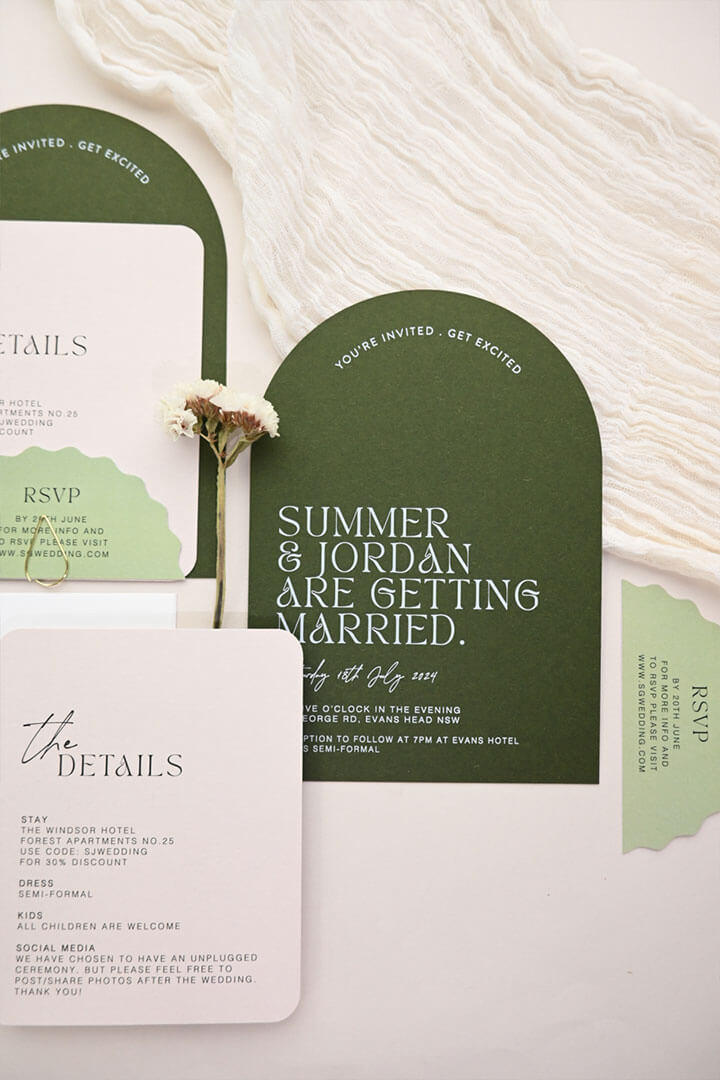
Mark the day
Wedding signs + place cards
For an intimate guest count, every detail matters. Welcome signs, place cards, and reception menus to complete the look.
Frequently Asked Questions About Micro Weddings in 2026
How many guests is considered a micro wedding?
Most wedding industry professionals define a micro wedding as one with 20-50 guests. Some couples go smaller, as few as 10-15, which is sometimes called an ultra-micro wedding or an elopement-style celebration. The defining feature is not a strict headcount but the intention: every guest is there because they have a close, meaningful relationship with the couple.
Are micro weddings less expensive than traditional weddings?
Not necessarily, but they allocate the budget differently. Micro weddings often have a similar or even higher per-guest spend, because couples redirect the savings from fewer guests into higher-quality food, a more exclusive venue, and more personalized details. The total budget can be lower, but many micro couples spend just as much as they would have on a larger wedding, they just get a dramatically better experience for the same money.
What are the most popular micro wedding venues in 2026?
Private restaurant dining rooms, boutique hotels, art galleries, historic estates, and outdoor spaces like private gardens or national park permits are all popular for 2026 micro weddings. The smaller guest count opens up venues that could not accommodate a traditional wedding, spaces defined by character and beauty rather than raw capacity.
Can you have a micro wedding and still do all the traditional elements?
Yes. A micro wedding can include every traditional element (ceremony, reception, first dance, cake cutting, toasts) just at a more intimate scale. Many couples find the smaller format actually makes traditional elements more meaningful because every moment is shared with people who are genuinely close to them.
How do I handle inviting extended family who are not on the micro guest list?
Communication is key. Most couples who have navigated this successfully are transparent from the start, sharing that they are keeping the wedding very small, often with just immediate family and the closest friends. Framing it as a deliberate, positive choice (rather than a cost-cutting measure) helps. Some couples host a separate celebration party after the wedding for extended friends and family who were not on the ceremony list.
What kind of invitations work best for micro weddings?
Because micro wedding guest lists are small, often 20-50 people, couples can invest more per card in premium print methods. Letterpress and foil-stamped invitations are popular choices because the smaller total quantity keeps the overall spend manageable even at a higher per-card price point. Hand-delivered invitations are also practical at micro scale and make a significant impression on close family and friends.
How far in advance should we send micro wedding invitations?
For a local micro wedding, 6-8 weeks in advance is standard. For a destination micro wedding or one requiring guests to make travel arrangements, 3-4 months is more considerate. Save the dates should go out 6-12 months in advance if travel is involved, and earlier is always better for destination events.
Is a micro wedding right for us if we have a large family?
This is one of the most common tensions for couples considering a micro format. There is no universal answer, but many couples in this situation choose to keep the ceremony itself very small, immediate family plus closest friends, and host a larger celebration party afterward for extended family and acquaintances. This approach lets the couple have the intimate wedding they want without completely excluding people who expect to be included.
What does a micro wedding typically include in the stationery suite?
A complete micro wedding stationery suite often includes: save the dates, the main invitation, a details/information card, an RSVP card (or digital RSVP instructions), and day-of items like programs, menus, place cards, and table signage. Because the quantities are small, it is cost-effective to invest in premium print methods and cohesive design across the full suite.
Do micro weddings work for destination ceremonies?
Micro weddings are extremely well-suited to destination formats. Because the guest count is low, the couple can realistically host guests at a destination without the logistics of coordinating travel and accommodation for 100+ people. Many destination micro couples cover accommodation costs for their small group, which is feasible when the list is 20-30 people.
What are the best micro wedding trends for 2026 specifically?
For couples planning 2026 micro weddings, the standout trends are: private restaurant buyouts, multi-day celebration weekends, editorial photography replacing traditional wedding photography, supper-club long-table seating, curated chef’s-table dining experiences, and deeply personalized ceremony elements including custom vows and curated music. Each of these trends is made possible, or made better, by the intimate scale of a micro wedding.
How do I find vendors who specialize in micro weddings?
Search specifically for vendors who mention intimate weddings, micro weddings, or elopements in their portfolio and marketing. Many high-end chefs, boutique venues, and editorial-style photographers actively prefer micro formats because the work is more creative and collaborative. WeddingWire and The Knot both have search filters that can help narrow vendor results by wedding size.
Can we use seed paper invitations for a micro wedding?
Absolutely, and micro weddings are one of the best use cases for seed paper. Because quantities are small, the per-unit cost of plantable seed paper is more manageable. Guests receive an invitation they can plant after the wedding to grow wildflowers or herbs, a living keepsake that fits perfectly with the intentional, meaningful approach that defines the micro wedding ethos.
Image credits
- Deji Prince on Pexels