

—
Planning your wedding stationery starts with a single question: what do you actually need? With dozens of card types available and no shortage of inspiration online, it is easy to over-order or, just as common, skip something your guests would have appreciated. This guide cuts through the noise with a clear 3-tier framework covering what every wedding needs, what most couples order, and what is genuinely optional.
At a glance: the 3-tier wedding stationery checklist
- Tier 1 – Essential: Invitation, RSVP card (or digital equivalent), day-of menu
- Tier 2 – Highly Recommended: Save the date, details/information card, ceremony program, place cards or seating chart, thank you cards
- Tier 3 – Optional: Table numbers, favor tags, wishing well card, welcome sign, hashtag sign, rehearsal dinner invitations
- Minimum viable suite (budget/intimate wedding): Invitation + digital RSVP + day-of menus
- Print method tip: Flat foil adds mirror-bright metallic accents; letterpress creates a pressed tactile impression. Both can be mixed in one suite.
- Budget rule of thumb: Allocate 1-3% of total wedding budget to stationery for a 100-guest wedding
The original version of this article launched in 2015, when the typical stationery suite was 4-5 cards and digital RSVPs were still a novelty. In 2026, couples have far more options: digital save the dates, QR code RSVP cards, seating chart boards, hashtag signs, welcome signs, and full suite coordination across pre-ceremony, ceremony, and reception. This refresh adds all of it.
The Original Breakdown: Essentials vs. Non-Essentials
The core of the original article still holds up. Here is the existing guidance, preserved and lightly updated:
The Save the Date: Non-Essential (Conditional)

Save the dates are non-essential unless you are having a destination or overseas wedding, or your wedding falls in peak season when guests are likely to have competing commitments. If your wedding is local, relatively small, and your guests have flexible schedules, you can send your invitation directly with 8-10 weeks notice. For everyone else, a save the date sent 6-12 months out is worth every cent.
In 2026, digital save the dates are a practical alternative for couples who want to get the date out quickly without waiting on print production. Browse save the date designs to find a style that matches your suite.
The Wedding Invitation: Essential
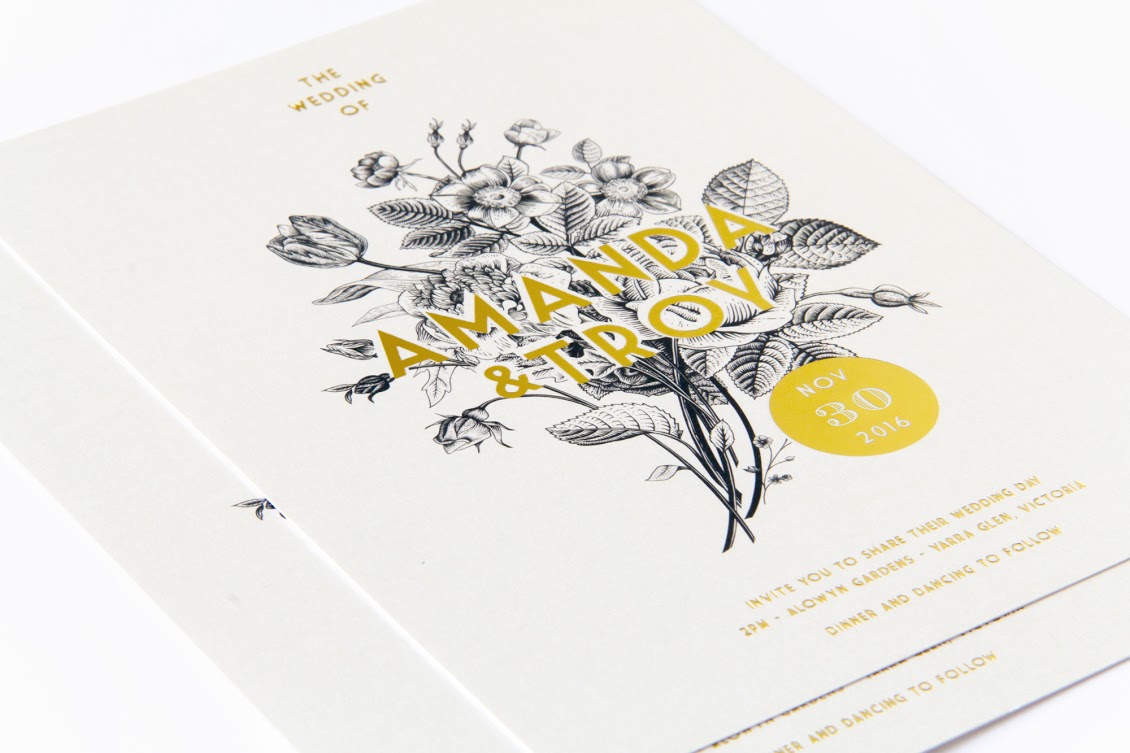
The wedding invitation is the one piece of stationery every wedding needs. It establishes the tone for your entire day and answers the basics: who, what, when, and where. Keep the wording on the invitation itself lean. Additional details about transport, accommodation, and registry can go on a separate information card so the invitation remains a clean, beautiful object.
The RSVP Card: Essential (Conditional)

You need to know who is attending. Whether you use a physical RSVP card or a digital form on a wedding website depends on your wedding style and guest demographics. Formal weddings benefit from the complete suite experience of a physical RSVP. Casual or smaller weddings can handle RSVPs digitally without any loss of elegance. A well-used RSVP card or form also collects dietary requirements, meal preferences, and even song requests, so do not treat it as a formality.
The Information and Directions Card: Non-Essential (Conditional)

If your wedding is straightforward, local venue, easy transport, no overnight stays, an information card is optional. But for weddings with multiple locations, interstate or overseas guests, or complex logistics, including an information card in the envelope will save you dozens of individual calls. It is non-essential in theory but almost always worth including in practice.
The Wishing Well or Registry Card: Conditional

Gift registry information does not belong on the invitation itself. If you want to include it, a separate wishing well or registry card is the accepted way. You can also combine this information with your details card if the stack is getting large. Alternatively, add a registry link to your wedding website or QR code card.
The Menu Card: Non-Essential
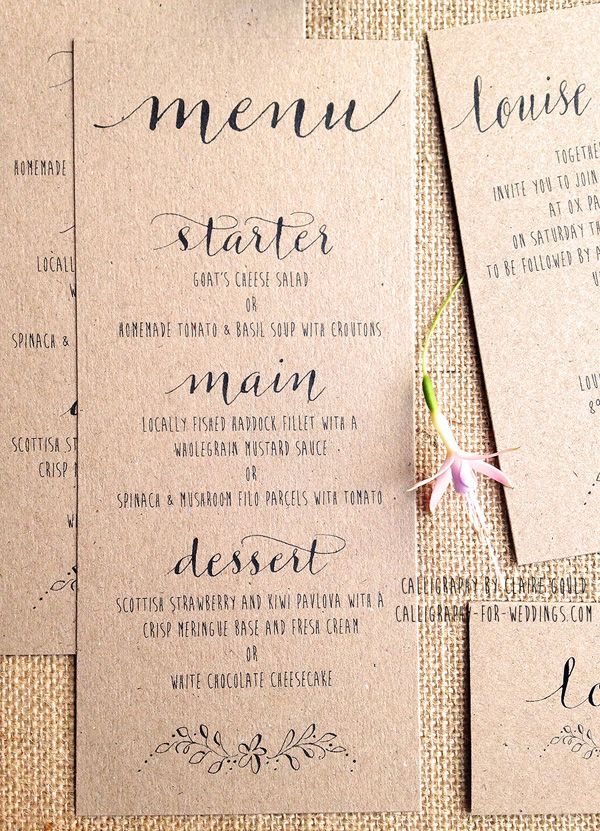
A pre-event menu card mailed with the invitation suite is non-essential for most weddings. Unless you are hosting an extraordinarily formal dinner where the cuisine is a centerpiece of the event, guests do not need to know the menu months in advance. Collect dietary requirements via the RSVP instead, and provide the actual menu on the day.
The Menu: Essential

Do not confuse the pre-event menu card (non-essential, sent with invitations) with the day-of menu (essential, provided at each place setting or displayed on the table). A day-of wedding menu tells guests what they are eating, handles dietary labeling, and doubles as a keepsake at styled tables. Provide it per seat or as a table card, both work.
The Order of Ceremony or Wedding Service Card: Non-Essential (but a Good Idea)

A ceremony program is non-essential if your ceremony is short and informal. It becomes highly recommended when you have a church ceremony, traditional elements, responsive readings, or guest participation (songs, vows, responses). It also gives guests something to hold and read during the pre-ceremony wait.
Table Place Cards or Seating Chart: Essential (Conditional)

If you have assigned seating, you need either place cards at each seat, a seating chart display near the entrance, or both. For weddings under 40 guests with open seating, neither is required. For anything with assigned tables, one or the other is essential.
The wedding website and couples email, Non-essential (but handy)
A wedding website is not a stationery item, but it directly affects how many printed cards you need. A good wedding website can replace or supplement your information card, RSVP card, registry card, and even your save the date. The catch: not all guests will navigate it successfully, so it works best as a complement to printed stationery rather than a full replacement.

Tier 1 Essential: Stationery Every Wedding Needs
These three items are non-negotiable. Every wedding, regardless of size, style, or budget, needs some version of each.
Wedding Invitations
The invitation is the foundation of your stationery suite. It communicates the formality of the event, establishes the visual identity that carries through to day-of stationery, and gives guests everything they need to show up at the right place at the right time. At a minimum, your invitation needs: full names of the couple (and hosts if applicable), ceremony date and time, ceremony venue name and address, and a way to RSVP.
Paperlust offers 500+ invitation designs across digital print, flat foil, letterpress, metallic, and white ink. Pricing starts from $2.04 per card for digital print.
RSVP Mechanism
You need guest responses. The format is up to you: a physical RSVP card returned by mail, a QR code on the invitation that links to a digital RSVP form, or simply an email address and deadline printed on the invitation. What matters is that the mechanism is clear, has a firm deadline, and captures at minimum: attendance confirmation, dietary requirements, and meal preference if you are offering a choice.
Day-of Menu
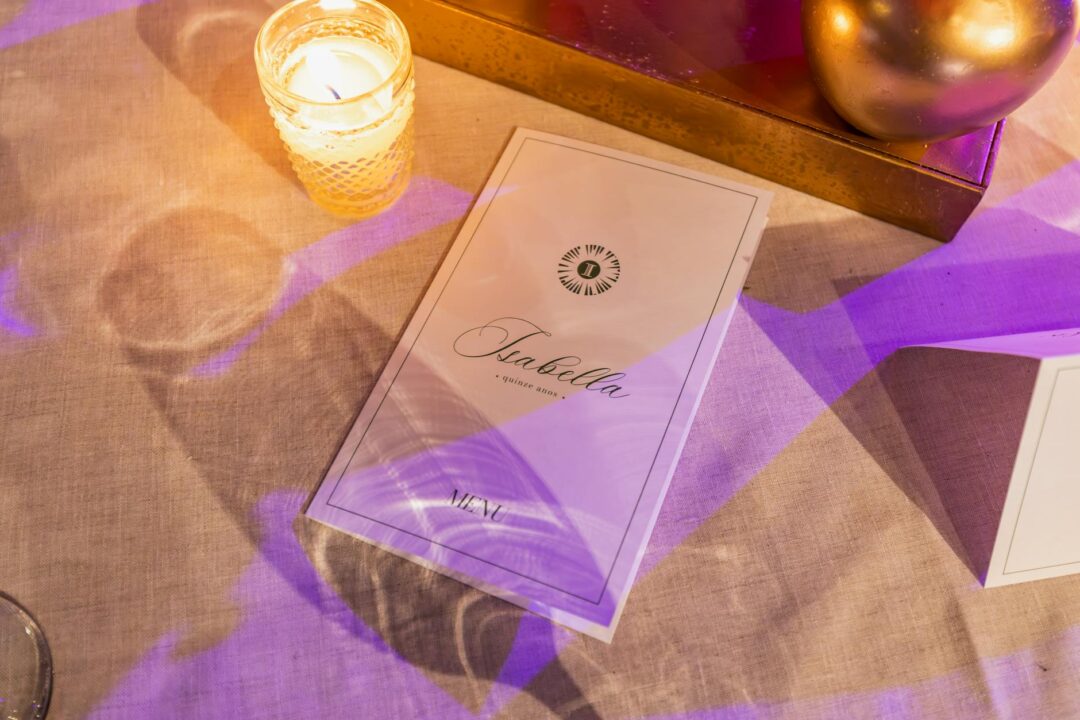
Guests need to know what they are eating. A printed menu per seat or per table is the standard for sit-down receptions. This is different from the pre-event menu card that sometimes gets tucked into invitation suites; the day-of menu is provided at the venue and belongs in every formal or semi-formal wedding.
| Item | Why It Is Essential | Digital Alternative |
|---|---|---|
| Wedding invitation | Tells guests when, where, and what to wear | Digital invite (limited for formal weddings) |
| RSVP mechanism | You need a head count for catering and seating | Online form, wedding website, or email |
| Day-of menu | Guests need to know what they are eating and note allergens | Chalkboard, printed signage, QR code at table |
Tier 2 Highly Recommended: Most Couples Order These
These items are not strictly required at every wedding, but the majority of couples order them, and most couples who skip them wish they had included them.

Save the Dates
Send save the dates when any of the following applies: your wedding is more than 6 months away; guests need to travel (interstate or international); your date falls in a peak period (summer, holiday weekends, long weekends); or your guest list includes families with school-age children who need to plan around academic calendars. Send 9-12 months out for destination weddings and 6-8 months out for local weddings.
Browse save the date designs at Paperlust, with styles ranging from flat foil metallic cards to minimalist digital-print postcards.
Details or Information Card
Your invitation should stay clean and uncluttered. Anything beyond the ceremony essentials (transport options, hotel room blocks, parking, dress code clarifications, children policy, registry link, wedding website URL) belongs on a details card. For weddings with interstate or international guests, a details card is as important as the invitation itself.
Ceremony Program
A ceremony program is highly recommended for: religious ceremonies with responsive readings; ceremonies over 20 minutes; weddings where guests will not know everyone in the wedding party; and ceremonies with live music where the song titles add meaning. Programs also serve as a keepsake, particularly for couples whose ceremony is a significant part of their day.
Place Cards or Seating Chart
For any wedding with assigned seating (nearly all weddings with sit-down receptions), you need one of these. A seating chart board near the entrance is the modern standard: guests find their table, then find their seat using a place card at the table. Paperlust prints seating charts on PVC board, fabric, acrylic, and mirror acrylic.
For an individual seat-level solution, place cards with each guest’s name printed by the Paperlust design team are the tidiest option. Individual printing adds a personal touch that DIY hand-writing rarely matches at scale.
Thank You Cards
Etiquette aside, thank you cards are a practical necessity. Send within 3 months of the wedding. Ordering them as part of your original suite is more cost-effective than returning later, and it ensures the design stays consistent with your stationery theme.
| Item | When to include | When you can skip it |
|---|---|---|
| Save the date | Destination, peak season, 6+ months out | Small local wedding under 4 months out |
| Details card | Complex logistics, out-of-town guests | Wedding website covers all logistics |
| Ceremony program | Religious or long ceremony, wedding party intros | Short, casual, civil ceremony |
| Place cards / seating chart | Assigned seating at sit-down reception | Open seating / cocktail-style reception |
| Thank you cards | All weddings where guests bring gifts | Elopement with no gifts received |
Tier 3 Optional: Based on Style, Budget, and Guest Count

These items enhance the guest experience and contribute to a cohesive aesthetic, but no one will notice if they are absent. Add them when your budget allows and your venue or wedding style calls for them.
Table Numbers
Table numbers are optional at small weddings where guests can easily find their assigned seats, but they become a practical necessity at 80+ guests or in large venues. At styled weddings, table numbers are also a design element: flat foil gold numbers on a tented card, or letterpress numbering on 600gsm Wild Cotton, contribute to the table aesthetic rather than just serving a wayfinding function.
Welcome Sign
A welcome sign at the ceremony or reception entrance sets the tone as guests arrive. It is the most photographed piece of wedding stationery after the invitation. Materials for Paperlust welcome signs include PVC board, fabric, acrylic, and mirror acrylic, with vinyl foil text available as a print finish. If you have the budget for one optional item, a welcome sign delivers the most visible return.
Hashtag Sign
For couples who want wedding photos shared with a consistent hashtag, a small sign at the bar or photo booth area prompts guests. This is entirely optional and trend-driven. If you are not planning to aggregate guest photos on social media, skip it.
Favor Tags
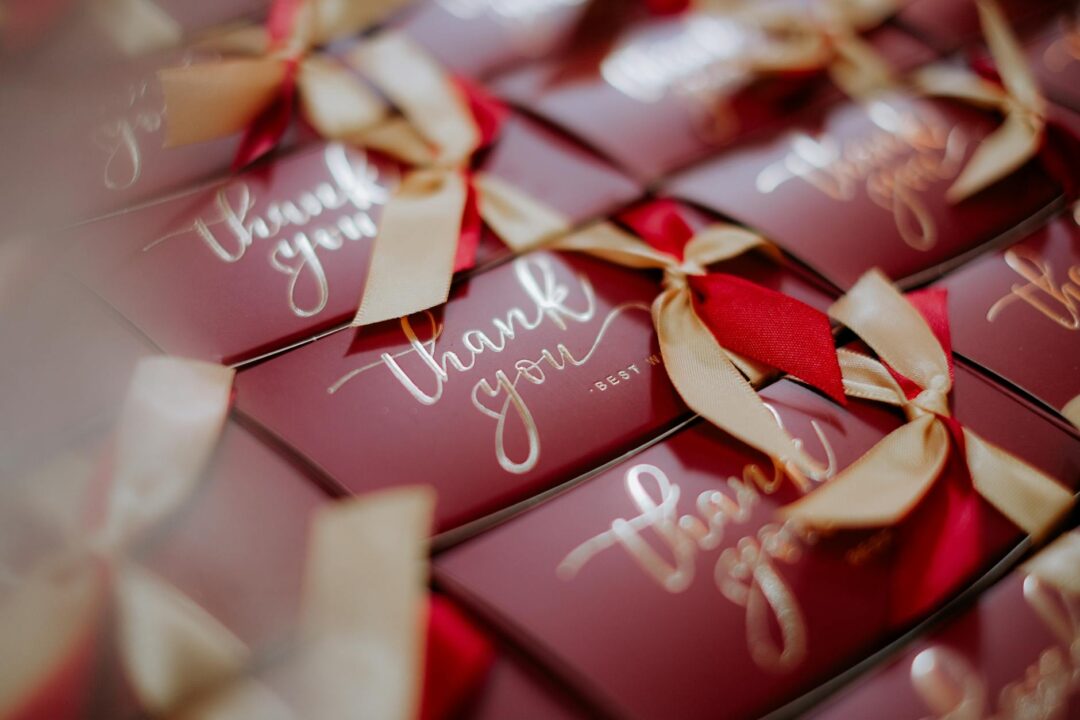
Favor tags are relevant only if you are giving out physical wedding favors, which many couples now skip in favor of charitable donations. If you are giving favors, a printed tag with the couple’s name and wedding date elevates even a simple favor. Order with your suite to match the design.
Wishing Well Card
A dedicated wishing well or gift registry card is optional if your wedding website already carries that information prominently. Include one if your guest list skews older (guests less likely to check a website), or if a significant number of guests were not given a website URL in advance.
Rehearsal Dinner Invitations
Rehearsal dinner invitations apply only if you are hosting a rehearsal dinner. For small, informal rehearsal gatherings where the attendees are all in the immediate wedding party (and already know the details), a phone call or group message is sufficient. For larger or formal rehearsal dinners with family and extended wedding party members, a printed invitation is appropriate.
Digital Alternatives in 2026
Every optional item above has a digital equivalent. QR codes can replace table numbers, welcome signs can carry a digital hashtag prompt, and favor tags can be replaced with a card linking to a charity donation. The question is never paper vs. digital in isolation; it is what best serves your guests and reflects your wedding’s personality. Many 2026 couples use a hybrid approach: printed essentials and Tier 2 items for a polished physical experience, digital alternatives for optional items to manage costs.
Minimum Viable Stationery: What You Can Get Away With
For intimate weddings, micro-weddings (under 20 guests), elopements with a small celebration, or couples on a tight budget, here is the absolute minimum stationery set that still delivers a complete guest experience:
The 3-item minimum suite
- Printed invitation, non-negotiable for any formal or semi-formal gathering. Even at 10 guests, a printed invitation sets the occasion apart from a casual party.
- Digital RSVP, use a free wedding website or a simple form. For very small weddings, a phone call or text thread works, but a digital form is more organized for tracking.
- Day-of menus, printed per seat or as a folded tent card per table. These are inexpensive to produce and handle dietary labeling professionally.
The 5-item budget suite
For couples with a modest stationery budget who still want a coherent suite:
- Invitation (with details and RSVP details printed on the invitation itself, to save on separate cards)
- Save the date, if the wedding is more than 5 months away
- Day-of menus
- Place cards (print all guest names at once for a per-unit cost far lower than individual calligraphy)
- Thank you cards (order with the original suite at the lowest per-card price)
Stretch the budget with the 15% bundle discount
Paperlust offers 15% off when you order 3 or more card types. Ordering your invitation, save the date, RSVP card, and thank you cards together in one session unlocks this discount automatically. See the full wedding stationery collection for all items that qualify.
Wedding Stationery by Wedding Type
Not all weddings have the same stationery requirements. Here is a quick reference by wedding type:
| Wedding type | Essential | Recommended | Usually skip |
|---|---|---|---|
| Formal / black-tie (100+ guests) | Invitation, RSVP, details card, day-of menu | Save the date, program, seating chart, place cards, thank yous | Hashtag sign, favor tags (unless part of decor) |
| Semi-formal / garden wedding (50-100) | Invitation, RSVP, day-of menu | Save the date, details card, program, place cards, thank yous, welcome sign | Rehearsal dinner invites (if small wedding party) |
| Casual / backyard / cocktail (under 50) | Invitation, RSVP mechanism | Save the date (if out-of-town guests), thank yous | Seating chart, program, table numbers, favor tags |
| Destination wedding | Invitation, save the date (12+ months out), details card with travel logistics | Program, menus, place cards, welcome sign for venue | Favor tags |
| Micro-wedding / elopement (under 20) | Invitation | Thank you cards, day-of menu if sit-down meal | Most Tier 2 and all Tier 3 |
Print Methods: Choosing the Right Finish for Your Stationery
Once you have decided which items to order, the next decision is print method. Each technique creates a different tactile and visual effect, and price varies accordingly.
- Digital print, full color, most affordable, fastest production. Best for: information cards, programs, menus, save the dates, and any item where photography-quality imagery is important. Starting price from $2.04 per card (invitations).
- Flat foil, mirror-bright metallic finish applied in gold, silver, rose gold, copper, and more. No custom die required, minimum order of 10 cards (30 for 350gsm Heavyweight stock). Best for: invitations and save the dates where you want a metallic accent without the production time of a custom die process. Flat foil has shorter lead time than letterpress.
- Letterpress, ink pressed into 300gsm or 600gsm Wild Cotton paper, creating a visible debossed impression with a tactile quality no digital process can replicate. Best for: formal invitations, programs, and place cards where the tactile finish is a priority. Pairs beautifully with flat foil accents. Production takes approximately 20 business days.
- Metallic print, gold or silver pigment applied at a 5th imaging station; more subtle than foil but more affordable. Best for: couples who want a hint of metallic without the higher minimum or production time of flat foil.
- White ink, prints on dark or colored stocks (kraft, navy, black, color stock). Best for: moody, dramatic, or high-contrast designs.
For a full suite with a cohesive look, you can mix methods: letterpress invitation with flat foil accents, digital RSVP and details cards in the same design, and letterpress place cards at the reception. The Paperlust design team handles suite coordination across methods so the aesthetic stays consistent.
For the full suite overview, see the wedding stationery suite guide covering how to coordinate every item from save the date to thank you card.
Minimum Viable Stationery: FAQs
What stationery do you need for a wedding?
Every wedding needs at minimum: a printed invitation, an RSVP mechanism (physical card or digital form), and day-of menus for a sit-down reception. Everything else is optional and depends on your wedding style, guest count, and budget.
What is a wedding stationery suite?
A wedding stationery suite is a coordinated set of printed cards designed in a matching style. A standard suite includes the invitation, RSVP card, details/information card, and envelopes. Extended suites add save the dates, menus, programs, place cards, seating charts, table numbers, and thank you cards, all in the same design family.
Do you need a seating chart at a wedding?
Not always. Open seating works well for cocktail receptions, micro-weddings under 20 guests, and very casual gatherings. For sit-down receptions with assigned tables, a seating chart at the entrance (or individual place cards at each seat) prevents confusion and helps catering staff deliver meals correctly. Once your guest list exceeds 40-50 people, some form of seating guide is strongly recommended.
Do you need RSVP cards if you have a wedding website?
No. A wedding website with an online RSVP form is a fully acceptable alternative to physical RSVP cards for most weddings. Physical RSVP cards are preferred for formal or black-tie weddings, or when your guest list includes older guests less comfortable with online forms. Many couples use both: a physical card for guests who prefer it, with the website URL printed on the invitation for those who want to RSVP digitally.
How much should I spend on wedding stationery?
A general guideline is 1-3% of your total wedding budget. For a $30,000 wedding, that is $300-$900 for stationery. Couples who prioritize the aesthetic experience of beautifully printed invitations often allocate 3-5%. Paperlust’s 15% bundle discount (when ordering 3 or more card types) and starting prices from $2.04 per invitation card make it possible to order a full coordinated suite within most budgets.
When should I order wedding stationery?
Order save the dates 8-10 months before the wedding, and send them immediately on receipt. Order invitations 4-6 months before the wedding and mail them 8-10 weeks before the date (12 weeks for destination weddings). Order day-of items (menus, programs, place cards, seating charts) 6-8 weeks before the wedding once your final guest list and menu are confirmed. Allow extra time for letterpress, which has approximately 20 business day production.
What is the difference between flat foil and letterpress?
Flat foil applies a mirror-bright metallic film to the paper surface. There is no debossing or impression, the card remains flat. Letterpress presses ink into the paper using a relief plate, leaving a visible tactile depression (deboss) in the stock. Flat foil is faster and has a lower minimum order (10 cards). Letterpress takes approximately 20 business days and uses 300gsm or 600gsm Wild Cotton paper exclusively. Both can be used in the same design for a combined metallic-and-tactile effect.
Do I need ceremony programs at my wedding?
Programs are not required but are strongly recommended for: religious ceremonies with responsive readings or congregational songs; ceremonies over 20 minutes long; weddings where guests will not know the members of the wedding party by sight; and ceremonies where the order of events has personal significance (readings, tributes, cultural elements) that you want guests to follow along with. At a short civil ceremony with under 30 guests, programs are optional.
Can I mix print methods across my wedding stationery suite?
Yes. Mixing methods is common and often makes practical sense. A typical approach: letterpress invitations for the hero piece, digital print for RSVP and details cards (faster and more affordable), and flat foil menus or place cards at the reception. The key is keeping the design consistent, same typefaces, color palette, and layout structure, so the suite reads as cohesive even if the finishes vary.
What wedding stationery can I skip to save money?
The items most couples can safely skip: a pre-event menu card (guests do not need to know the menu months in advance), favor tags (if you are not giving physical favors), wishing well cards (if your wedding website has the registry), and rehearsal dinner invitations for a small informal gathering. The items worth keeping even on a budget: your invitation (the first impression of your wedding), thank you cards (etiquette-driven and inexpensive), and some form of day-of menu (prevents dietary confusion at the venue).
For a day-of printable version of this checklist, see the wedding day stationery checklist. For the full ordering timeline and suite coordination guide, see the complete 2026 wedding stationery checklist.
Ready to build your wedding stationery suite?
From essential invitations to day-of menus and seating charts, Paperlust has every piece of your suite covered. 500+ designs, 5 print methods, and a dedicated designer on every order. Orders over $350 USD ship free via DHL Express.
Everything beyond the invitation. Custom stickers, labels, and venue signage at Paperlust Print Shop.
Really nice and to the point, wedding stationery list! I loved the gift tag. Great job!