

Choosing a wedding celebrant in Australia is one of the most legally consequential decisions you will make in your wedding planning. Unlike the United States, where a friend can get ordained online in minutes, Australia requires that your ceremony be conducted by a Commonwealth-registered marriage celebrant. Get this right and your wedding is legally valid. Get it wrong and you may be married in spirit but not on paper.
This guide covers everything Australian couples need to know: the legal framework, the Notice of Intended Marriage (NOIM) and its mandatory one-month lodgement window, the three types of celebrant available to you, realistic fee benchmarks by state, and a practical checklist for choosing someone whose style matches yours.
- Only a Commonwealth-registered marriage celebrant can legally solemnize your wedding in Australia. Friends and unrecognized ministers are not authorized.
- You must lodge a Notice of Intended Marriage (NOIM) at least one full calendar month before your ceremony date. This is a legal minimum, not a guideline.
- The three main options are: civil celebrant (fully personalized, $700-$1,200 typical), religious minister ($350-$600), and registry office ($250-$320).
- Fee benchmarks for 2025-2026: legals-only from AUD $400-$600; full personalized ceremony AUD $800-$1,200; premium celebrants $1,500+.
- Verify any celebrant on the Attorney-General’s Department official register before booking.
The Australian legal framework: who can marry you
Marriage in Australia is governed by the Marriage Act 1961 (Cth). Under that Act, only four categories of person are authorized to solemnize a marriage:
- Commonwealth-registered marriage celebrants: civil (non-religious) celebrants who have completed a nationally recognized qualification and are registered with the Attorney-General’s Department.
- Commonwealth-registered religious marriage celebrants: ministers of religion from recognized denominations who choose to register under the Commonwealth scheme rather than under their denomination’s separate authorization.
- Ministers of religion from recognized denominations: including most mainstream Christian churches, some Jewish and Islamic organizations, and other faiths that hold recognized status under the Act.
- State and territory officers: registry office celebrants employed by state bodies such as NSW Registry of Births, Deaths and Marriages, which offer structured civil ceremonies.
The key takeaway: a friend, family member, or self-ordained person cannot legally marry you in Australia. If you want a loved one to lead a meaningful part of your ceremony, they can do so as a speaker, reader, or MC, but a legally registered celebrant must be present to conduct the formal solemnization and sign the marriage register.
You can verify any celebrant on the Attorney-General’s Department official register. This search is free and takes two minutes. Always check before you pay a deposit.
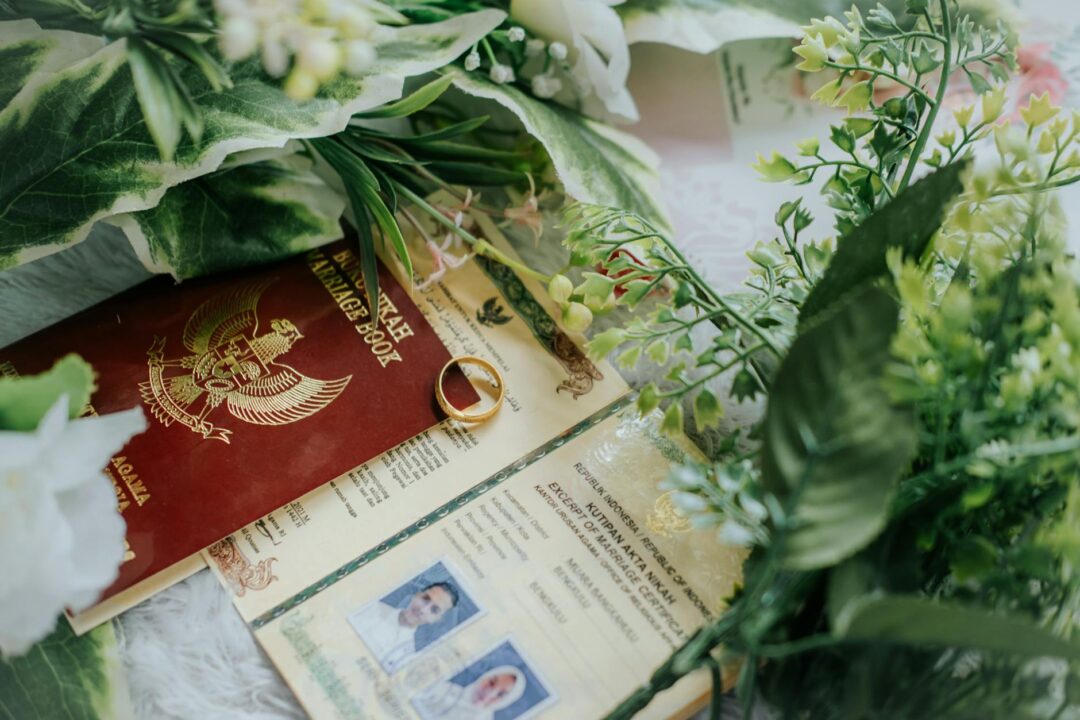

The Notice of Intended Marriage (NOIM): the paperwork you cannot skip
The NOIM is the legal form that gives notice of your intention to marry. Under the Marriage Act 1961, it must be lodged with your celebrant a minimum of one full calendar month before the ceremony date. This is not a guideline. It is a statutory minimum. Failing to lodge the NOIM in time means your celebrant cannot legally conduct your ceremony on that date.
What the NOIM covers
- Both parties’ full legal names, dates of birth, and residential addresses
- Birthplace (city and country) for each party
- Details of any previous marriages (including evidence of divorce or death certificate where applicable)
- Signature by both parties in the presence of a witness (usually the celebrant at the initial consultation)
NOIM timeline at a glance
| Step | Timing | Who arranges it |
|---|---|---|
| Book your celebrant | 6-18 months before the wedding (popular dates fill fast) | Couple |
| Sign and lodge the NOIM | At least 1 full calendar month before ceremony (18 months maximum) | Celebrant + couple |
| Present ID and eligibility documents | At or before NOIM lodgement | Couple (celebrant checks and retains copies) |
| Receive official marriage certificates | Issued by state/territory registry after the celebrant lodges the paperwork post-ceremony | State/territory registry |
Most experienced celebrants will begin this process at your first or second meeting, typically 3-6 months before the wedding. The 18-month maximum means you can lodge the NOIM early without any issue. The critical risk to manage is lodging it too late.
Documents you will need to bring
- Current passport or birth certificate
- Proof of age (passport or driver license)
- If previously married: decree absolute (divorce certificate) or death certificate of former spouse
- If born overseas: a translated birth certificate may be required
Three types of wedding celebrant in Australia
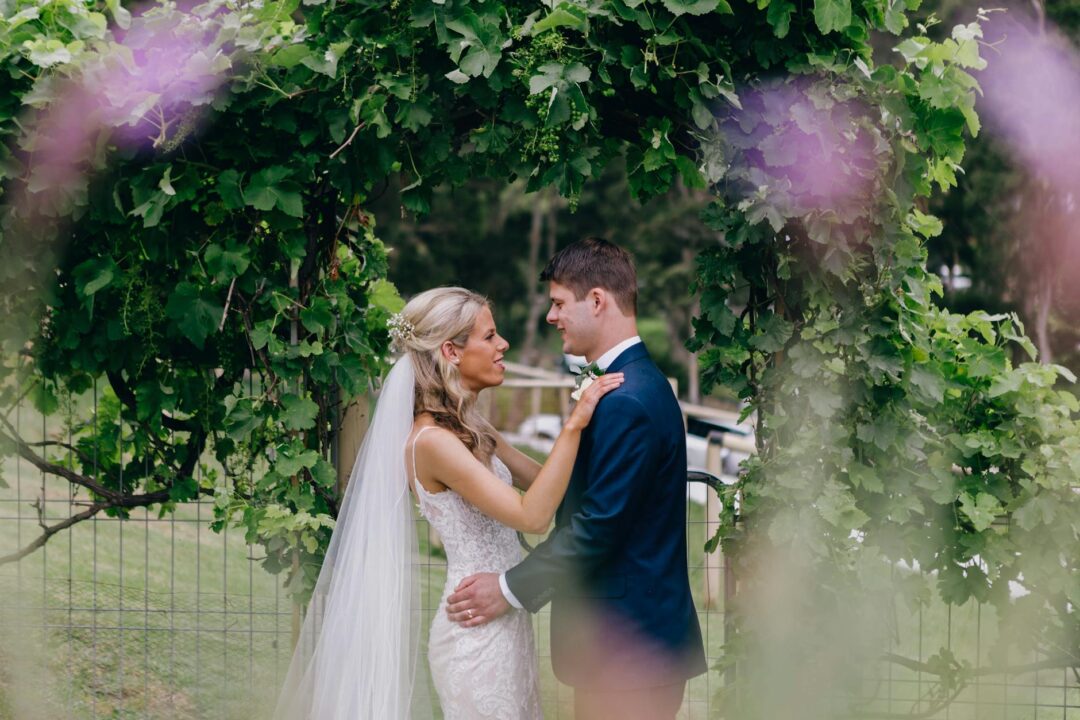
1. Civil marriage celebrant (Commonwealth-registered)
This is the most popular choice for Australian couples who want a personalized, non-religious ceremony. A civil celebrant is licensed, fully independent, and can marry any eligible couple regardless of religion, background, or sexual orientation. They work closely with you to write a ceremony that reflects your story, from the processional structure to the vow wording to any cultural or symbolic rituals you want to include.
A standard civil celebrant package typically includes:
- Initial consultation(s) to understand your story and preferences
- Lodgement and management of the NOIM
- A fully written and customized ceremony script
- Assistance with vow writing
- Guidance on any rituals (sand ceremony, handfasting, unity candle)
- Rehearsal at the venue (sometimes included, sometimes an add-on)
- PA system and microphone at the ceremony
- Signing and lodging of all post-ceremony documents with the registry
Typical fees (2025-2026): AUD $700-$1,200 for a full personalized ceremony; AUD $400-$600 for a legals-only ceremony with minimal customization.
2. Religious minister or celebrant
A minister of religion from a recognized denomination can solemnize a legal marriage while conducting a faith-based ceremony. This path suits couples who are practicing members of a recognized faith and want their ceremony grounded in that tradition.
Key considerations:
- Most require both parties (or at least one) to be members of the faith
- Many require pre-marriage counseling (usually 4-8 sessions)
- Religious celebrants may lawfully decline to perform same-sex marriages; civil celebrants may not
- The ceremony content follows doctrinal requirements and cannot be freely customized
- Fees may be structured as a “donation” to the church rather than a direct service charge
Typical fees: AUD $350-$600, though this varies significantly by denomination and whether a donation to the church is also expected.
3. Registry office ceremony
State and territory registries offer structured civil ceremonies at their offices or approved locations. These are simple, legally valid, and significantly cheaper than a private civil celebrant. The trade-off is minimal personalization: the ceremony follows a set format with limited room for your own story or vow customization.
Typical fees: AUD $250-$390 for the ceremony, plus the state registration fee for your official marriage certificate (AUD $30-$100 depending on state and processing speed).
A registry ceremony works well for couples who plan a larger celebration separately. A symbolic ceremony with family and friends, with the legal paperwork handled quietly beforehand.
What does a wedding celebrant cost in Australia in 2025-2026?
| Ceremony type | Typical fee range (AUD) | What’s included |
|---|---|---|
| Registry / courthouse | $250-$390 | Legal ceremony at registry office, standard format |
| Legals-only civil celebrant | $400-$600 | Legal vows, NOIM, certificate lodgement, brief ceremony |
| Standard civil celebrant | $700-$1,200 | Full custom ceremony, multiple consultations, PA system, vow writing support |
| Premium civil celebrant | $1,500-$2,500+ | High-demand, highly reviewed celebrants; may include rehearsal, extended script writing, extras |
| Religious minister | $350-$600 | Faith-based ceremony, may include pre-marriage counseling, church donation often separate |
The national average for a full-service civil celebrant sits around AUD $875-$1,030 across multiple industry surveys (2024-2025 data). Metropolitan areas with higher demand, including Sydney, Melbourne, Brisbane, and Canberra in peak season (September through April), often price into the upper end of these ranges. Regional celebrants may charge less but sometimes add a travel surcharge if your venue is outside their standard radius.
Extra costs to budget for
- Travel: Most celebrants include travel within a defined radius (e.g., 30 km); anything beyond may attract a per-kilometre or flat travel fee
- Rehearsal: Sometimes included, sometimes a separate fee of AUD $100-$300
- PA system hire: Some celebrants own their own system; others hire it or pass the cost on
- Official marriage certificate: Ordered from your state/territory registry after the ceremony; typically AUD $40-$99 (standard vs. priority turnaround)
- Weekend and public holiday surcharges: Common on Sundays and public holidays
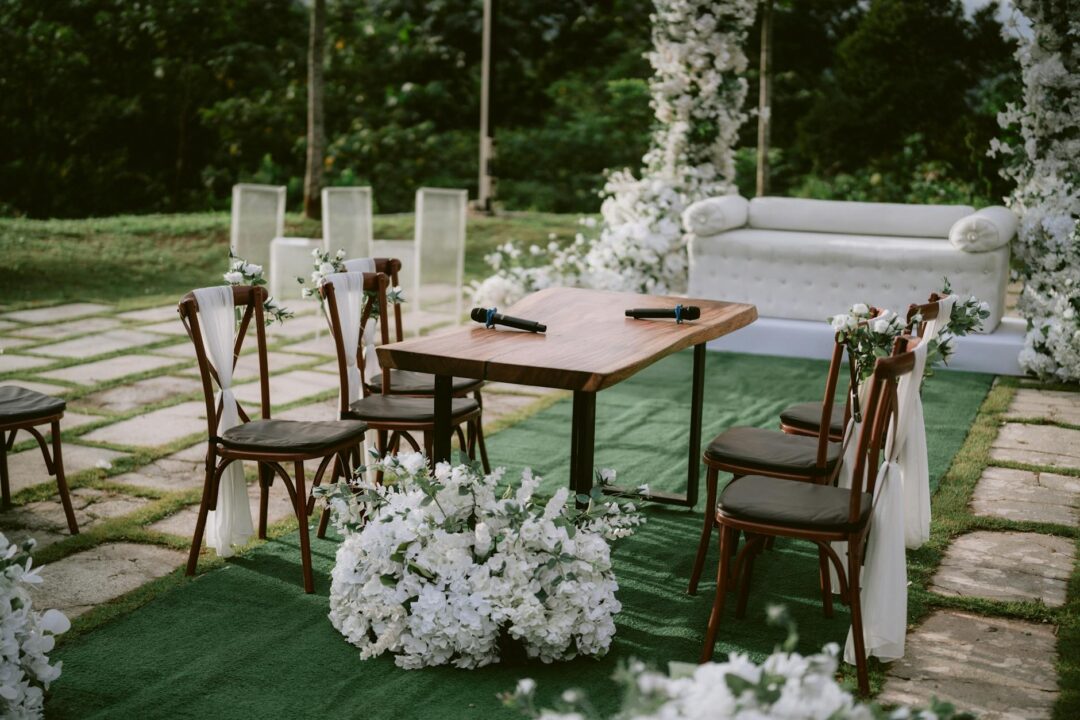
How to choose the right celebrant for your ceremony
Finding a celebrant who is legally qualified is the baseline. The harder part is finding one whose energy, communication style, and level of ceremony customization match what you want. Below is a practical framework for making the decision.
Step 1: Verify their legal registration
Before anything else, search the Attorney-General’s Department register. Enter the celebrant’s name or postcode. Only proceed with celebrants who appear on this register. Do not skip this step even if a friend recommends them enthusiastically. An unregistered celebrant conducting your ceremony risks the legal validity of your marriage.
Step 2: Check style fit through real examples
Ask to read a sample ceremony script or watch a video of a ceremony they have conducted. The legal vows take about 2 minutes; everything around them is the celebrant’s craft. You are looking for:
- Tone: warm and humorous vs. formal and reverent vs. casual and relaxed
- Structure: do they write a full biographical narrative, or keep it tight and focused?
- Flexibility: will they incorporate your own vow wording, rituals, or family readings?
- Pacing: is the ceremony the right length for your preference (20-40 minutes is typical for a full ceremony)?
Step 3: Clarify what is included in the fee
Get a written quote with itemized inclusions before signing anything. Specifically confirm:
- How many in-person or video consultations are included
- Whether rehearsal at the venue is included or an add-on
- Travel radius and what happens if your venue is outside it
- Whether the PA system is their own or hired (and who pays)
- How many rounds of script edits are included
- Whether they handle the complete NOIM process (most do, but confirm)
Step 4: Check availability and conflict policy
Top celebrants in major cities book out 12-18 months ahead for peak spring and autumn Saturdays. For a September or October Saturday, begin your search a full year out. Also ask what happens if the celebrant is ill or has a family emergency on your day: do they have a backup arrangement or will they help you find a substitute?
Step 5: Read verified reviews
Google Reviews and Easy Weddings are the most reliable sources for Australian celebrant reviews. Look for recency (within 12-18 months), volume (10+ reviews is meaningful), and specificity. Reviews that describe the ceremony itself rather than just “amazing and professional” carry more signal.
What your celebrant does on the day
A Commonwealth-registered marriage celebrant has both a legal function and a performance function on the day. The legal elements are non-negotiable; the rest is shaped by your brief.
What happens after the ceremony
Your celebrant is responsible for lodging the signed marriage registration form with your state or territory registry. This is what creates the official record of your marriage. After processing (timing varies by state, typically 4-8 weeks), you can order your official marriage certificate from the registry. This is the document you will need for changing your name, updating your passport, and any other legal purposes.
Note: the “marriage certificate” your celebrant provides on the day (often a decorative keepsake certificate) is not a legal document for these purposes. The official certificate comes from the registry.
Booking timeline: when to start looking
Australian wedding culture varies by state and season, but the following benchmarks apply broadly:
- 12-18 months before: Start shortlisting celebrants if you have a peak-season Saturday (September through April) in a major city. The best-reviewed civil celebrants in Sydney, Melbourne, and Brisbane book out at this horizon.
- 9-12 months before: Realistic booking window for most dates in metro areas. Begin consultations, confirm style fit, and pay your deposit.
- 6 months before: Absolute minimum for a full-service civil celebrant. At this stage your choices narrow.
- 3 months before: Lodge your NOIM. This gives a comfortable buffer above the one-month legal minimum.
- 1 month before: Legal minimum for NOIM lodgement. Do not rely on this if you can avoid it.
- 6-8 weeks before: Finalize the ceremony script with your celebrant and distribute order-of-service programs to your print partner so they arrive before the day.
For a broader view of the planning timeline from venue to vendor booking to stationery orders, see our complete guide to planning a wedding.
Stationery your celebrant will recommend you order
A ceremony is more than vows. It is also a visual and tactile experience for guests. Your celebrant will often mention these stationery elements when discussing the day’s structure:
- Order-of-service programs: Help guests follow the ceremony structure, know when to stand, and follow along with any readings or hymns. Especially helpful for guests who are unfamiliar with the format.
- Wedding invitations: Your celebrant needs your ceremony details (venue, start time) locked down before they will finalize your script. Once they are confirmed, get your invitations to print so they arrive 6-8 weeks before the day.
- Ceremony signage: Welcome signs, seating direction signs, and order-of-service boards help guests navigate the venue from arrival to ceremony start.
For inspiration on how to decorate the ceremony space itself, see our guides to wedding ceremony decoration ideas and wedding arch ideas for 2026. If you are still working through the full structure of a ceremony script, our wedding ceremony script guide has a complete template with the legal vows and optional reading slots built in.
If your venue or theme inspires something with an Australian natural palette (eucalyptus, coastal, or relaxed garden), take a look at Australian wedding canape ideas for the reception that follows, and wedding photo ideas to brief your photographer on ceremony shots worth capturing.
Ready to design your wedding stationery?
Browse 500+ exclusive designs from independent Australian and international artists. Designer proofs in 1-2 business days, free overnight shipping in Australia, free DHL Express on orders over $350 USD.
Frequently asked questions
Can a friend marry us in Australia?
No. Under the Marriage Act 1961 (Cth), only a Commonwealth-registered marriage celebrant, a minister of religion from a recognized denomination, or a state/territory registry officer can legally solemnize a marriage in Australia. A friend can lead a symbolic or vow-renewal ceremony, but the legal ceremony must be conducted by a registered celebrant. This is a fundamental legal difference from the United States, where many states allow online ordination.
What is a NOIM and how far ahead do I need to lodge it?
A Notice of Intended Marriage (NOIM) is the legal form that gives official notice of your plan to marry. It must be lodged with your celebrant a minimum of one full calendar month before the ceremony date. There is also a maximum: it cannot be lodged more than 18 months in advance. Most celebrants begin the NOIM process at your first consultation, typically 3-6 months before the wedding. Lodging it 3 months ahead is a comfortable and widely recommended buffer.
How do I verify that a celebrant is legally registered?
Search the Attorney-General’s Department’s find-a-celebrant tool at ag.gov.au. You can search by name, location, or postcode. Only celebrants who appear on this register are authorized to conduct legal marriages in Australia. Always check before paying a deposit, regardless of how well-reviewed or well-recommended the celebrant is.
How much does a wedding celebrant cost in Australia?
Fees range from approximately AUD $250-$390 for a registry office ceremony to AUD $400-$600 for a legals-only civil ceremony, AUD $700-$1,200 for a full personalised ceremony with an independent celebrant, and AUD $1,500+ for high-demand premium celebrants. The national average for a full-service civil celebrant is around AUD $875-$1,030 based on 2024-2025 industry data. Additional costs may include travel, rehearsal, PA hire, and your official marriage certificate from the state registry.
How long is a typical wedding ceremony in Australia?
The legal elements of a ceremony take roughly 3-5 minutes. A full, personalized ceremony with a welcome, biographical narrative, readings, vows, ring exchange, and pronouncement typically runs 20-35 minutes. Registry ceremonies and legals-only ceremonies can be as short as 10-15 minutes. Your celebrant will help you structure the timing to match your preferences and the overall flow of your day. For a sample structure, see our wedding ceremony script guide.
What documents do I need to provide to my celebrant?
You will need to provide your birth certificate or current passport (to confirm identity and age), plus evidence of any previous marriages: a divorce certificate (decree absolute) or death certificate of a former spouse. If you were born overseas, a translated birth certificate may be required. Your celebrant will advise on the specific documents needed based on your circumstances. All originals or certified copies must be sighted by the celebrant before or when you sign the NOIM.
About Paperlust
Paperlust is a designer-led wedding stationery studio founded in Melbourne in 2014. We work with 500+ independent Australian and international designers to offer exclusive wedding invitations, save-the-dates, order-of-service programs, and ceremony signage across digital, foil, letterpress, and metallic print methods. Designer proofs are delivered within 1-2 business days. Australian shipping is free and overnight via Startrack; international DHL Express is free on orders over $350 USD. Every order plants a tree, and our 100% happiness guarantee covers free reprints or a full refund.