
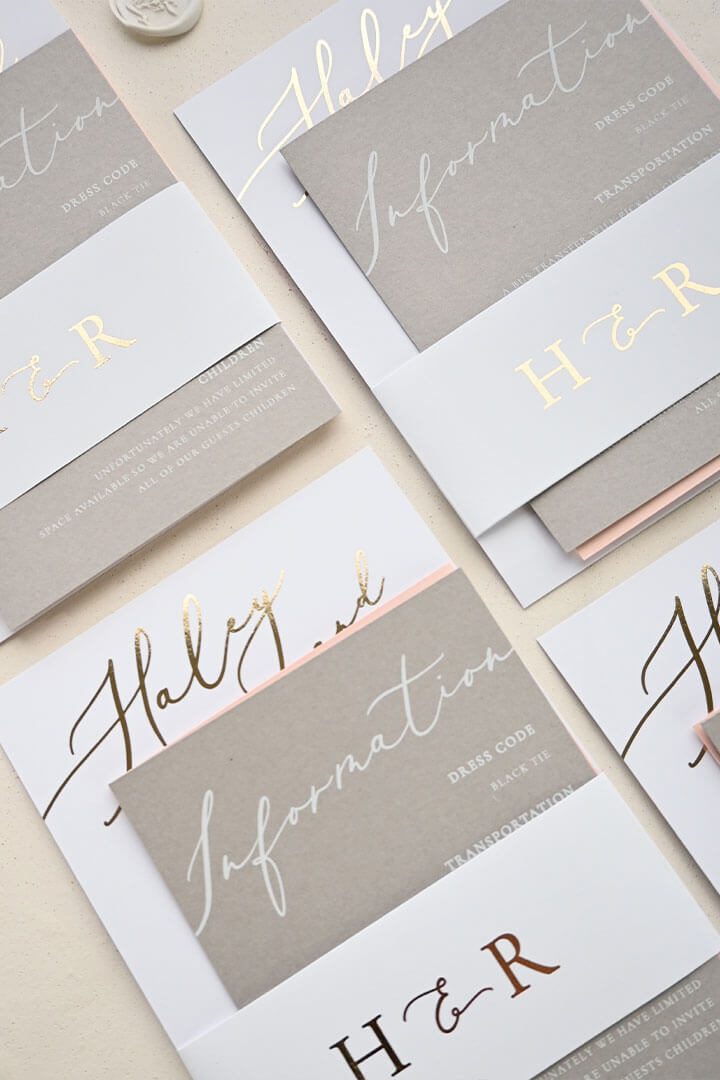
- Vintage weddings in 2026 draw from a wide range of eras – Victorian romance, 1920s Art Deco, 1940s Hollywood glamour, and 1970s cottagecore all have active communities of devotees.
- The defining characteristic is patina and age – antique props, heirloom details, and a color palette that reads “found rather than bought.”
- Historic venues (mansions, libraries, old theaters, estate homes) are the natural setting for vintage weddings.
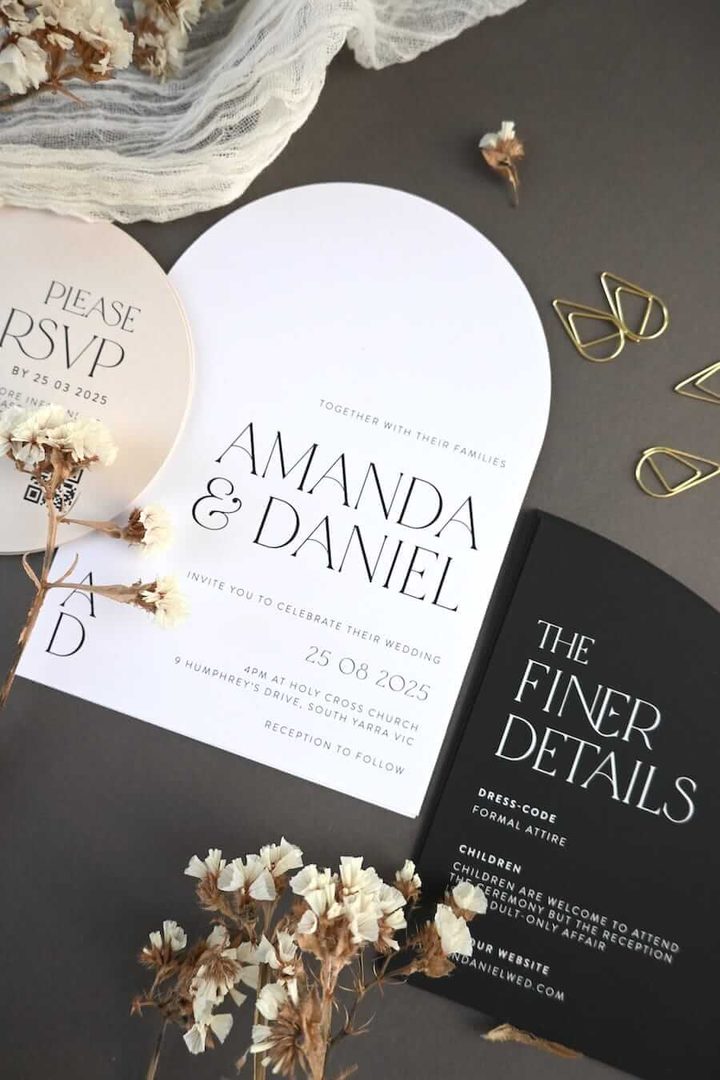
- Vintage stationery excels with letterpress and foil stamp print methods on thick cotton paper – tactile, timeless, and deeply on-brand.
- A vintage wedding typically costs $20,000-$45,000 for 50-100 guests, with the venue being the largest budget driver.
A vintage wedding is, at its heart, an act of romance with the past. It borrows the best details of bygone eras – the craftsmanship of Victorian silverware, the glamour of 1920s Art Deco, the soft palette of a faded French photograph – and weaves them into a celebration that feels simultaneously historical and entirely personal. In 2026, vintage is one of the most layered and nuanced wedding aesthetics, with couples increasingly specific about which era they are drawing from rather than mixing everything into a vague “antique” pile. This guide covers every element of planning a beautiful, intentional vintage wedding, from era selection to stationery to venue sourcing.

Choosing Your Vintage Era
The first decision in planning a vintage wedding is which era inspires you. Each has a distinct visual language, and mixing two eras indiscriminately tends to look confused rather than eclectic. Here is a brief guide to the five most popular vintage wedding eras in 2026:
| Era | Visual Signature | Color Palette | Stationery Style |
|---|---|---|---|
| Victorian (1837-1901) | Ornate lace, cameos, pressed botanicals, candlelight | Ivory, burgundy, dusty rose, antique gold | Engraving-style letterpress, botanical border |
| Art Deco (1920s) | Geometric gold patterns, feathers, pearls, crystal | Black, gold, champagne, deep emerald | Foil stamp geometric, art deco typography |
| Mid-Century (1940s-50s) | Graceful silhouettes, pastel palette, atomic-era motifs | Powder blue, blush, mint, warm white | Retro script, pastel watercolor, gold foil |
| Bohemian 1970s | Macrame, bell sleeves, earth tones, folk patterns | Burnt orange, amber, avocado, ivory | Folk illustration, earth-tone letterpress |
| English Country (Edwardian) | Wicker, garden party, linen, rose-covered walls | Soft green, blush, cream, lavender | Script letterpress, garden rose illustration |
Vintage Wedding Color Palettes
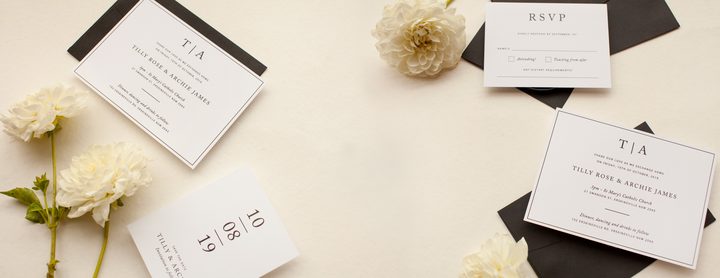
Vintage palettes share one characteristic: they look faded or patinated rather than fresh and bright. The goal is color that feels “found in a drawer” – aged, layered, and richly toned rather than sharp and high-contrast.
- Antique Rose: Dusty rose, warm ivory, aged gold, muted green – the most universally appealing vintage palette
- Art Deco Glamour: Champagne, deep black, gold, emerald or sapphire accent
- Sepia Tones: Warm brown, ivory, amber, rust – literally the color palette of antique photographs
- Lavender and Sage: Dusty lavender, faded sage, warm white – distinctly Edwardian
- Victorian Dark: Deep burgundy, forest green, plum, aged brass – dramatic and moody
Vintage Wedding Venues
The venue is the single most important element in a vintage wedding – a contemporary glass-and-steel space cannot be styled into feeling historical, regardless of how many antique props are added. These are the best venue types for a vintage celebration:
Historic Mansions and Estate Homes
Period mansions and estate homes provide the most authentic vintage atmosphere. Original architectural details – carved moldings, marble fireplaces, parquet floors, and wainscoting – do the decorating. Many historic properties are available for private event hire through estate management companies, local historical societies, or platforms like Peerspace.
Libraries and Literary Spaces
A wedding in a beautiful library – mahogany shelving, reading rooms, architectural ladders – photographs extraordinarily well and fits a Victorian or literary-romantic aesthetic perfectly. Many public and private libraries offer event hire; expect to pay a premium for exclusive use.
Old Theaters and Opera Houses
Ornate Victorian and Edwardian theaters have the original architecture that money cannot replicate: gilded balconies, velvet curtains, dramatic chandeliers. Perfect for Art Deco or theatrical vintage weddings. Often available on dark nights when no performance is scheduled.
Vineyard Estates and Chateau Properties
French or Italian-inspired chateau properties with stone architecture, iron gates, and formal gardens create a European vintage atmosphere. Popular in California wine country and throughout the South.
Museums and Gallery Spaces
Art museums with period collections or natural history museums create a distinctly intellectual vintage environment. Permit processes are more complex, but the resulting photography is exceptional.
Vintage Wedding Decor Ideas
The Prop Layer
Vintage weddings are built on props more than any other style. The sourcing strategy matters: antique markets, estate sales, eBay, and specialist vintage wedding prop rental companies are your primary resources. Key prop categories:
- Antique mirrors: Used as signage, backdrop elements, and table number displays
- Vintage suitcases and trunks: As risers, card boxes, or entrance styling
- Ornate picture frames: For seating charts, signage, and memory table displays
- Candleabra and antique candleholders: The fastest way to create period atmosphere at any table
- Vintage glassware and silverware: Mismatched but cohesive, collected from thrift stores and antique markets
- Typewriters and vintage books: Decorative accents for welcome tables and cocktail areas
- Birdcages and wire cloches: Used as card holders, favor displays, or floral vessels
Linen and Textile Choices
- Lace table overlays on ivory or blush tablecloths
- Velvet table runners in deep jewel tones for Art Deco weddings
- Linen in warm ivory or oat for Edwardian and mid-century aesthetics
- Aged or tea-stained fabric elements (achievable with a tea bath at home)
Floral Styling
- Garden roses in dusty, aged tones (dried or fresh dusty miller, amnesia roses, dried hydrangea)
- Dusty miller as foliage – its silvery appearance reads immediately as vintage
- Pressed flower arrangements (literal botanical specimens in frames or table displays)
- Carnations – having a major revival as a vintage-coded bloom, available in beautifully aged blush and dusty pink tones
- Antique vases, teapots, and mismatched vessels as floral containers
Vintage Wedding Invitations and Stationery
Wedding stationery is where vintage aesthetic is most directly and powerfully expressed. The materials and print method choices carry as much meaning as the design itself – a letterpress invitation on thick cotton paper communicates “handcrafted, timeless quality” the moment it arrives in the mail, before the design is even seen.
- Best print methods for vintage: Letterpress on Wild Cotton (pressed into paper – creates a tactile antique feel); foil stamp (adds the debossed impression of engraving – appropriate for Art Deco and Victorian styles)
- Paper stocks: 300gsm or 600gsm Wild Cotton for letterpress; 380gsm Premium for foil stamp; avoid anything bright white or glossy
- Design elements: Copperplate or engraving-style typography, botanical borders, cameo motifs, geometric Art Deco patterns, crest or monogram elements
- Color palette for ink: Antique gold, dusty rose, deep burgundy, forest green, warm black – nothing neon or overly saturated
- Gold foil options: Pale gold or champagne foil reads more antique than bright mirror gold; copper foil is a warm alternative
Paperlust’s vintage wedding invitations include designs spanning Art Deco, Victorian botanical, and romantic antique styles. Letterpress printing on Wild Cotton paper – available at Paperlust – is the closest modern equivalent to historically produced handcrafted invitations. The complete wedding invitations collection includes matching save the dates, menus, and programs across all design families.
Vintage Wedding Attire
Bridal Gowns
Choosing a vintage or vintage-inspired wedding dress requires deciding first which era you are drawing from:
- Victorian: High-neck lace, long sleeves, full skirts with a train, ornate embroidery. Contemporary versions often retain the lace and neckline details while modernizing the silhouette.
- 1920s Art Deco: Drop-waist silhouette, beaded fringe, headband or tiara, T-bar shoes. The Great Gatsby aesthetic.
- 1940s-50s: Nipped waist, full skirt (tea or ball gown length), pearl accessories, demure neckline. Think Grace Kelly or Audrey Hepburn.
- Authentic vintage gowns: Bridal vintage boutiques and estate sales occasionally yield original period gowns. Require professional restoration and resizing but carry irreplaceable historical character.
Accessories
- Vintage or heirloom jewelry – borrowed pearls, grandmother’s brooch, antique earrings
- Birdcage veil or cathedral veil with original lace border
- T-bar heels, Mary Janes, or kitten heels for period-appropriate footwear
- Long gloves for Art Deco and mid-century aesthetics
- Hair styled in period-appropriate waves: finger waves for 1920s; victory rolls for 1940s; soft chignon for Victorian
Vintage Wedding Food and Drink
Catering Concepts
- Afternoon high tea: Perfect for Victorian and Edwardian aesthetics – tiered stands, finger sandwiches, scones, cream, and period cakes
- Cocktail party with vintage canapes: Deviled eggs, shrimp cocktail in glass coupes, liver pate on toast rounds – genuinely mid-century appetizers that read as quirky and intentional in 2026
- Formal seated dinner: Multi-course plated meals with vintage china, silver service, and candlelit tables feel deeply period for Victorian and Edwardian aesthetics
Drinks
- Classic cocktails: Sidecar, French 75, Bee’s Knees, Manhattan – Prohibition-era drinks suit Art Deco weddings perfectly
- Champagne tower – a genuinely vintage presentation that reads as theatrical and fun in 2026
- Elderflower cordial and cucumber lemonade for non-alcoholic options with a period feel
- Vintage-labeled wine bottles (custom labels available through specialty vendors) as a personalization detail
Wedding Cake
For Victorian and Edwardian aesthetics: a classic tiered white fondant cake with delicate hand-piped detailing is actually period-appropriate and looks beautiful. Art Deco: black and gold geometric fondant or a clean white cake with gold foil geometric decoration. Mid-century: a naked or semi-naked cake with pressed edible flowers.
Vintage Wedding Planning Timeline
| Timeframe Before Wedding | Key Tasks |
|---|---|
| 12-18 months | Book historic venue (these book furthest in advance); begin antique prop sourcing |
| 10-12 months | Book photographer (specifically one with period-style editing experience), book caterer |
| 8-10 months | Order save the dates; begin letterpress invitation design |
| 6 months | Send invitations; finalize attire; continue prop sourcing |
| 3-4 months | Order menus, programs, and place cards; begin floral consultations |
| 1-2 months | Final prop inventory and styling plan; coordinate delivery/setup logistics with venue |
Complete Your Vintage Stationery Suite
- Wedding programs – elegant folded programs with a period-appropriate design, tied with ribbon or twine
- Wedding menus – placed at each setting in the same design family as your invitations
- Place cards – letterpress or foil stamp on thick cotton stock; names in copperplate or period script
- Wedding thank you cards – maintain the vintage aesthetic in your post-wedding correspondence
Frequently Asked Questions: Vintage Wedding Ideas
What is a vintage wedding style?
A vintage wedding style draws visual and aesthetic inspiration from a past era – Victorian, Art Deco, mid-century, Edwardian, or 1970s cottagecore. It is characterized by antique or heirloom props, period-inspired attire and florals, a patinated color palette, and historic or architecturally rich venues.
Which vintage era is most popular for weddings in 2026?
Art Deco (1920s) and Victorian remain the two most searched vintage wedding aesthetics in 2026. The 1970s boho-vintage aesthetic has grown significantly, driven by interest in folk-inspired fashion and earthy palettes. Edwardian garden-party aesthetics are increasingly popular in the South and Northeast.
What flowers are used in vintage weddings?
Dusty miller (silvery foliage), amnesia roses (naturally aged blush-brown tone), dried hydrangea, pressed botanicals in frames, carnations (in a major vintage revival), and garden roses in muted, dusty tones. Arrangements lean toward lush and imperfect for Victorian and Edwardian styles; more structured and geometric for Art Deco.
What is the best print method for vintage wedding invitations?
Letterpress on Wild Cotton paper is the gold standard for vintage wedding stationery – the debossed impression echoes historical hand-press printing. Foil stamp adds the debossed, engraved quality of traditional engraved invitations, which were the premium standard for formal wedding stationery throughout the Victorian and Edwardian eras.
Where do I find antique props for a vintage wedding?
Estate sales and antique markets are the primary sources. Online marketplaces including eBay, Etsy, and Facebook Marketplace have extensive vintage prop inventory. Specialist vintage wedding prop rental companies exist in most major markets. For high-value items (antique silverware, candleabra, mirrors), rental is usually more cost-effective than purchasing.
What venues work best for vintage weddings?
Historic mansions, Victorian-era estate homes, libraries with period architectural detail, old theaters and opera houses, and vineyard chateau properties are the best venues for vintage celebrations. The venue needs to have original period architectural character – no amount of decorating can replicate original plaster moldings, parquet floors, or marble fireplaces.
How much does a vintage wedding cost?
A vintage wedding typically costs $20,000-$45,000 for 50-100 guests, with the historic venue being the largest single budget item. Premium letterpress stationery, professional prop sourcing and styling, and period-appropriate florals add up, but many vintage elements (thrifted glassware, borrowed heirlooms, rented props) are actually budget-friendly compared to new equivalents.
Can I incorporate a vintage aesthetic without a historic venue?
Yes, but selectively. Focus on the prop layer (antique table decor, vintage glassware, candleabra), the stationery (letterpress or foil stamp), and the florals (dusty, aged tones). A contemporary venue with a vintage prop and decor strategy can work reasonably well, though the photographic results will not match what a genuinely historic space provides.
What is the difference between vintage and antique in wedding styling?
In wedding context, “vintage” typically means inspired by or sourced from the period 1920-1980. “Antique” formally refers to items over 100 years old (pre-1926 at current date). In practice, many wedding stylists and vendors use the terms interchangeably. For wedding planning, the more useful distinction is between “period-authentic” (items actually from the era) and “vintage-inspired” (new items designed to look period).
This guide was produced by the Paperlust content team, drawing on hundreds of vintage wedding stationery commissions spanning Art Deco, Victorian, and mid-century aesthetics. Paperlust’s letterpress and foil stamp print methods on Wild Cotton paper are particularly well-suited to vintage wedding stationery. Paperlust has been designing and printing wedding stationery from its Melbourne studio since 2014, with a 100% happiness guarantee on every order.