

A wedding welcome bag is one of those small gestures that guests remember for years. Whether your loved ones have flown across the country or simply driven two hours to be with you, finding a thoughtfully curated bag waiting in their hotel room tells them, before a single vow is spoken, that you are glad they made the journey. This guide covers everything: what goes inside, how to style it for your wedding aesthetic, how to budget it sensibly, and the one stationery element that ties the whole thing together.
- Budget $15 to $35 per bag; one bag per room (not per guest) is standard etiquette.
- The personalized note card is the highest-impact item in any bag; never skip it.
- Local snacks, water, and a weekend itinerary card are the non-negotiable core trio.
- Style the bag to match your wedding aesthetic: beach, bohemian, classic, destination, or rustic.
- Hotel delivery typically costs $3 to $5 per bag; confirm logistics 4 to 6 weeks before the wedding.
- Eco-friendly alternatives (seed packets, reusable totes, local honey jars) resonate with sustainability-minded guests.
- Order printed inserts, itinerary cards, and note cards at least 3 weeks before the wedding date to allow for production and delivery.
What Is a Wedding Welcome Bag (and Who Gets One)?
A wedding welcome bag is a curated collection of small gifts and practical items given to guests who are traveling to attend your wedding. The tradition grew out of destination weddings, where couples wanted to ease the effort their guests had made to be there, but today welcome bags are common at any celebration where guests are staying overnight, whether at a five-star hotel, a vacation rental, or a family home.
Who receives a welcome bag?
The standard approach is one bag per hotel room, not one per guest. This is the etiquette most wedding planners and venues follow because it keeps costs and logistics manageable. If you have a blended guest list where some guests are local and some are traveling, it is perfectly acceptable to limit bags to out-of-town guests only. If budget is tight, prioritize your closest family members and the wedding party.
Welcome bags vs. welcome baskets vs. welcome boxes
The terms are often used interchangeably, but the container you choose does shape the experience. Tote bags are the most popular because guests can reuse them after the wedding. Kraft paper boxes feel more curated and photograph beautifully, which matters if your photographer is documenting the getting-ready details. Welcome baskets suggest a rustic or farmhouse aesthetic and are better suited to barn or vineyard venues. Pick the container that fits your aesthetic first; the contents follow from there.
What to Include in a Wedding Welcome Bag: Master Checklist
Think of the contents in three layers: practical items guests will actually use, local flavor that makes the bag feel specific to your wedding, and personal touches that only you could have included. For a printable version organized by category, see our definitive wedding welcome bag checklist.
Practical layer
- Bottled water – two bottles per room, or a reusable water bottle guests can keep
- Snacks – individually wrapped crackers, nuts, granola bars, or local cookies
- Mini pain reliever – ibuprofen or aspirin packets; guests will thank you the morning after
- Lip balm or hand lotion – especially useful at beach, desert, or mountain weddings
- Mints or gum – always appreciated before a ceremony
- Stain remover pen – a quiet hero for anyone who spills at the reception
- Band-aids – particularly valuable when guests are wearing new shoes
Local flavor layer
- Regional specialty snack – pralines in New Orleans, saltwater taffy at a beach wedding, local honey at a farm venue
- Local coffee or tea – a small bag from a nearby roaster adds authenticity
- Mini local hot sauce or jam – unusual, memorable, and a great conversation starter
- Tourism brochure or custom map – a printed guide to restaurants, activities, and attractions near the venue
Personal touch layer
- Custom welcome note card – handwritten or professionally printed; the single most important item in the bag
- Weekend itinerary card – times, addresses, and dress codes for every event
- Custom tag or label – tied to the bag itself with your names and wedding date
- Small favor – a candle, a seed packet, a custom luggage tag, or anything that reflects your personalities
Welcome Bag Ideas by Wedding Style
The most successful welcome bags feel like an extension of the wedding itself. Match the aesthetic and the contents become part of the visual story your guests carry home.
Bohemian welcome bag ideas
Lean into natural textures and earthy tones. Use a woven basket or a jute tote printed with your names in hand-lettered script. Fill it with dried wildflowers, a mini beeswax candle, locally sourced lavender honey, and seed paper that guests can plant after the wedding. A flat foil note card in warm gold on kraft paper matches the palette perfectly. Avoid cellophane wrapping; linen squares or tissue paper in terracotta, sage, or blush work better for the boho aesthetic.
Classic and formal welcome bag ideas
For black-tie or formal weddings, the container and presentation matter as much as the contents. A structured white or cream box tied with satin ribbon immediately signals the register of the event. Include a calligraphy-printed note card on thick cotton stock, high-quality chocolate truffles, sparkling water, and a monogrammed luggage tag. The stationery choices here carry the most visual weight, so invest in a note card that matches your invitation suite.
Beach and coastal welcome bag ideas
A canvas tote with a beach motif is the go-to container here. Pack sunscreen, a hair tie or scrunchie, a small bottle of aloe vera gel, locally made sea salt caramels or coconut snacks, and a custom watercolor note card featuring a wave or shell illustration. If the venue is a resort, a personalized luggage tag is a practical extra that guests will use on the flight home.
Destination wedding welcome bag ideas
For weddings where guests have traveled internationally, the bag carries extra emotional weight. Source the heavy items (water, local snacks, beverages) at your destination rather than packing them, which simplifies logistics and keeps the contents authentically local. The printed stationery elements, note cards, itinerary cards, and custom tags, should be ordered in advance and packed flat. These are the items that cannot be sourced on arrival and that guests are most likely to keep as a memento. Our destination wedding welcome bag notes guide covers note wording and bag ideas tailored to guests traveling from afar.
Rustic and farmhouse welcome bag ideas
Think mason jars, burlap, and plaid ribbon. Fill a kraft paper bag or wooden crate with local jam, homemade granola, a mini bottle of whiskey or local cider, and a small potted succulent. Handwritten tags or a letterpress note card on thick cotton stock fits this aesthetic better than anything digital or glossy. The design language here is warmth, craftsmanship, and intentionality.
Welcome Bag Ideas by Budget Tier
Budget anxiety is one of the main reasons couples skip the welcome bag altogether. The table below shows what is achievable at three realistic spending levels. All prices are approximate per bag, assuming you assemble the bags yourself rather than using a fulfillment service.
| Budget tier | Approx. cost per bag | What fits | Best for |
|---|---|---|---|
| Thoughtful essentials | Under $15 | Kraft tote, water, 2 snack items, hand-printed note card, mints | Intimate weddings, large guest counts, tight budgets |
| Curated mid-range | $15 to $30 | Canvas tote, water, 3 to 4 snacks, local treat, printed note card and itinerary card, lip balm | Most couples; good variety without overspending |
| Elevated experience | $30 to $60 | Branded tote or structured box, premium local food items, custom candle or favor, foil-printed note card and itinerary, pain reliever, stain pen, luggage tag | Destination weddings, luxury venues, smaller guest counts |
| Luxury keepsake | $60+ | Curated gift box from a specialist, monogrammed items, premium spirits or wine, artisan chocolate, letterpress note card on cotton stock, custom luggage tag | Intimate weddings (under 30 rooms), high-end venues, VIP guests |
How to stretch your budget without cutting corners
Order snack items in bulk from a warehouse club or direct from a specialty food supplier rather than buying individually from a grocery store; the per-unit cost can drop by 40 to 60 percent. Print your note cards and itinerary cards in a single batch order: minimum order quantities at professional print houses make per-card pricing significantly cheaper at 50 cards than at 10. Reuse or repurpose the container by choosing a tote bag that guests will genuinely carry after the wedding, which makes the bag feel like a gift rather than just packaging. If you are assembling everything yourself, our DIY wedding welcome bags guide walks through the process step by step.
The Personalized Note Card: The One Item You Should Not Skip
If you are cutting any single item from the welcome bag for budget reasons, do not let it be the note card. A short, warm message from the couple is the element guests mention most often when asked what made a welcome bag feel special. It transforms a collection of snacks into a personal gesture and signals to guests that they were thought of individually, not just as a logistical category.
What to write on a welcome bag note card
The most effective welcome notes are brief, specific, and warm. They do three things: thank guests for coming, acknowledge the effort of travel if applicable, and give guests a sense of the weekend ahead. You do not need to say much. Three to five sentences is plenty. For ready-to-use wording, browse our welcome bag note wording examples for every tone.
“We are so glad you’re here. Whether you’ve traveled across the country or just across town, having you with us this weekend means everything. We’ve packed a few essentials to get you settled, and we can’t wait to celebrate with you tomorrow. The weekend schedule is tucked inside so you know exactly when and where to be. See you soon – [Names]”
“With warmest welcome and deepest gratitude, we are honored to have you join us for our wedding celebration. This small collection of treats is our way of thanking you for making the journey. Please find enclosed the weekend itinerary with full details for each event. We look forward to sharing this occasion with you. With love, [Names]”
Printed note cards vs. handwritten notes
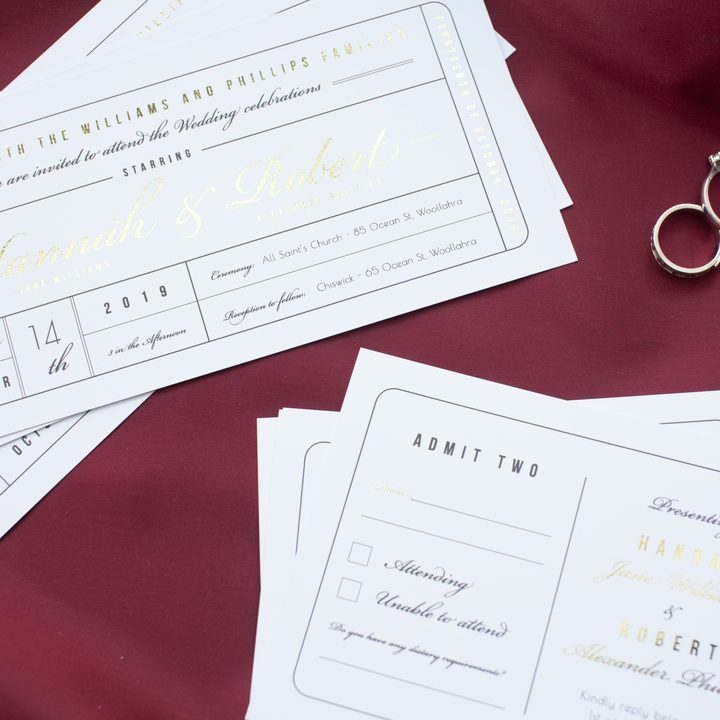
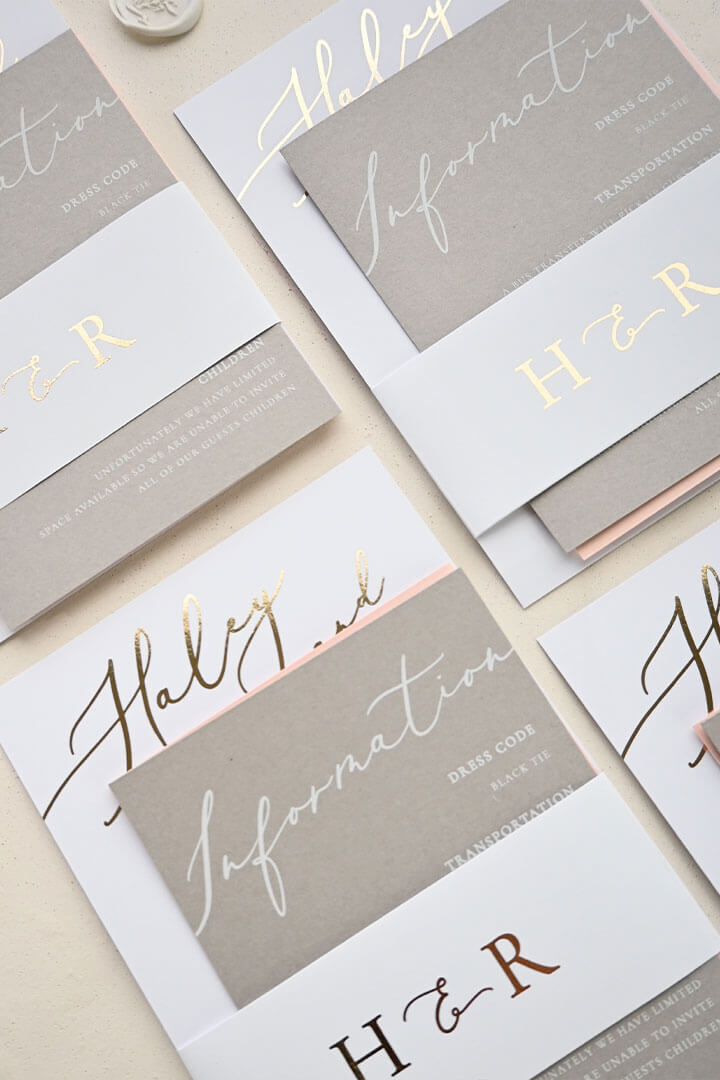
Handwritten notes feel more personal but are not practical for guest counts above 30 or so. The better approach is a professionally printed note card with your names, wedding date, and a warm message already typeset, with a small space at the bottom where you or your partner add a two-line personal addition by hand. This gives you the warmth of handwriting at scale. Flat foil on a matte card stock adds a gold or silver metallic touch that matches most invitation suites without adding significant cost at small quantities.
The itinerary card: the note card’s essential companion
Guests arriving on a Thursday for a Saturday wedding need to know: Is there a welcome dinner Thursday night? Where is it, and what time? What is the dress code? Is there a shuttle from the hotel? A well-designed itinerary card answers all of these questions before guests have to ask. It also reduces the number of “what time does it start again?” texts you receive from family members in the 48 hours before the ceremony. Print one per room and include it alongside the note card in the bag. For help with what to put on it, see our weekend itinerary card wording guide.
Packaging, Boxes, and Presentation Ideas
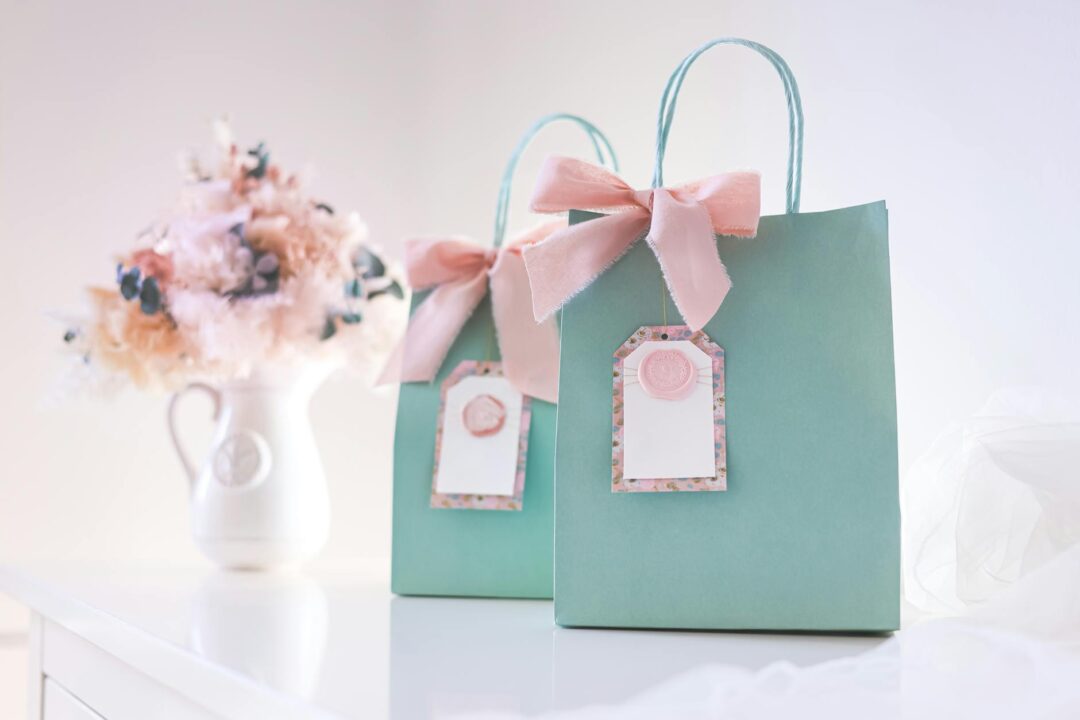
The container is the first thing guests see, and it sets the emotional tone before they reach inside. Invest modestly in a container that reflects your wedding aesthetic and that guests will actually want to keep or reuse.
Tote bags
Canvas totes are the default for good reason: they are inexpensive in bulk, they photograph well, and guests genuinely reuse them. A simple monogram print or your wedding date is enough customization. If your venue is a beach destination, opt for a natural cotton or recycled material tote rather than anything synthetic.
Kraft boxes and structured gift boxes
A white or cream box with a lid feels more like a gift and less like a convenience kit. These work best for formal or classic weddings and pair beautifully with a note card that has the same paper finish as your invitation suite. Wrap the box with a satin ribbon in your wedding color and add a custom tag with the guest’s name for an extra personal touch.
Wicker baskets and crates
Rustic and farmhouse weddings are the natural home for this option. Line a small wicker basket with tissue paper in your color palette, nestle the items inside, and finish with a ribbon bow and a printed tag. Guests often keep the basket afterward for storage.
Wrapping and finishing touches
Whatever container you choose, the finishing details matter. Tissue paper in your wedding colors, a pressed flower or dried botanical sprig laid on top, and a sticker seal in your monogram all cost very little but significantly elevate the perceived value of the bag. A custom sticker or label with your names and wedding date serves double duty as both a seal and a keepsake.
Logistics: When and How to Deliver Welcome Bags
Even the most beautiful bag becomes a source of stress if the logistics are not sorted in advance. The earlier you contact your hotel or venue coordinator about delivery, the smoother this piece of the wedding will be. For couples planning a destination wedding, cross-referencing this section with the Destination Wedding Stationery Guide will help you coordinate the printed elements alongside your full stationery timeline.
Hotel delivery: what to know
Most hotels will accept and distribute welcome bags on your behalf, but the process and fees vary significantly by property. Our hotel welcome bags guide goes deep on coordinating delivery; here is what to sort out early:
- Confirm the hotel’s policy at least 4 to 6 weeks before the wedding. Some hotels have specific drop-off windows and charge $3 to $5 per bag for delivery to rooms.
- Provide a finalized guest room list with each guest’s name and room number. The hotel cannot deliver bags without confirmed room assignments, which often are not finalized until check-in day.
- Designate a point of contact who will drop off the bags at the hotel. This is usually the wedding coordinator, a parent, or a trusted bridesmaid or groomsman.
- Aim for check-in day delivery so bags are in rooms when guests arrive, not after they have already settled in.
Self-delivery alternatives
If your guests are not all staying at the same hotel, or if the hotel fees are prohibitive, you can distribute bags at the rehearsal dinner, a pre-wedding welcome party, or the ceremony itself as guests arrive. This approach is more personal and saves on hotel fees, but it requires someone to manage the physical handoff, which adds a task to an already busy weekend.
Destination wedding logistics: the packing problem
For international weddings, the smartest strategy is to pack lightweight, flat items (tote bags, printed tags, note cards, and dry snacks) in your checked luggage and source heavy or liquid items (water, local spirits, perishables) on arrival at your destination. Shipping welcome bags internationally is expensive, slow, and unreliable for time-sensitive items. The printed stationery pieces are the exception: because they are flat, light, and irreplaceable, order them at home well in advance and carry them with you.
Eco-Friendly Welcome Bag Alternatives
Sustainability-minded couples increasingly want welcome bags that leave a positive footprint rather than adding to landfill. The following alternatives resonate with guests who share those values and are also genuinely practical.
Seed paper inserts and plantable note cards
Seed paper is embedded with wildflower, herb, or vegetable seeds and grows when planted in a pot or garden. It can be printed with your wedding date and names, making it both a functional note card and a memento that guests can grow at home. Pair seed paper note cards with organic snacks and a reusable linen bag for a fully sustainable welcome set.
Reusable totes and zero-waste packaging
A high-quality organic cotton tote with a simple screen-printed monogram is one of the most used post-wedding items guests receive. Skip the individual plastic bags and tissue paper; wrap items in reusable cloth napkins in your wedding colors instead, which guests can also keep.
Local and artisan products
Choosing products made within 50 miles of your venue reduces transportation emissions and supports local makers. A jar of local honey, a small-batch jam, a packet of loose-leaf tea from a nearby farm, or a candle from a local chandler all score high on both sustainability and authenticity. These items also tend to be more interesting and memorable than generic chocolates or candy.
Donation in lieu of a physical bag
For very sustainable-focused couples, a printed card inside a simple envelope explaining that a donation has been made to a charity in each guest’s honor is a meaningful alternative to a physical bag. Choose a cause that is personal to you as a couple. This approach works best for weddings where guests already know you well and will understand the sentiment.
Going Deeper: The Rest of the Welcome Bag Cluster
This guide gives you the full picture on welcome bags. The guides below dig into specific corners of the topic with more detail and ready-to-use copy:
- Wedding welcome bag note wording: 20 examples for every tone – tonal variations from casual to formal, destination-specific angles, and examples for every family dynamic.
- What to put in a wedding welcome bag: the definitive checklist – a master checklist organized by category, with notes on what to skip, how to source locally, and how to sequence the bag assembly.
- DIY wedding welcome bags: a step-by-step guide – how to assemble bags yourself, DIY printing options, and packaging principles for the major wedding aesthetics.
- Hotel welcome bags for wedding guests: logistics and ideas – a practical breakdown of hotel delivery, with scripts for communicating with coordinators, timeline checklists, and cost comparisons.
- Destination wedding welcome bag notes: wording and ideas – welcome note wording and bag ideas tailored to guests who have traveled for a destination wedding.
To coordinate the printed pieces that hold a welcome bag together, see our guides to weekend itinerary card wording and travel and accommodation insert cards.
Ready to print your welcome bag note cards?
Browse 500+ designer stationery styles. Flat foil, letterpress, and digital print. Proofs in 1 to 2 business days, free with every order.
Frequently Asked Questions
Do you have to give welcome bags at a wedding?
Welcome bags are a gesture, not a requirement. They are most expected at destination weddings where guests have traveled specifically for the event. For local weddings, they are a nice touch but not an obligation. If budget is a constraint, a single printed note card delivered to out-of-town guests is appreciated and costs very little.
How much should wedding welcome bags cost?
Most couples spend between $15 and $35 per bag. A budget under $15 is achievable with a simple kit of water, one or two snacks, and a printed note card. Bags in the $30 to $50 range include a curated mix of local treats, a custom favor, and professionally printed stationery. Luxury bags for small guest counts can reach $60 to $100 per bag with artisan products and premium packaging.
When should welcome bags be delivered to the hotel?
Ideally, bags should be delivered to the hotel on the check-in day for out-of-town guests, typically the day before the wedding. Coordinate with the hotel’s events coordinator at least 4 to 6 weeks in advance to understand their delivery policy, any fees (usually $3 to $5 per room), and the required guest room list format.
What should I write on a wedding welcome bag note?
Keep it brief and warm: three to five sentences is the sweet spot. Thank guests for coming, acknowledge their travel if they have traveled far, give a sense of the weekend ahead, and close with your names. Include the weekend itinerary on a separate card rather than in the note itself, so the note stays personal and the itinerary stays practical.
Should welcome bags be one per person or one per room?
One bag per hotel room is the standard etiquette and significantly reduces cost and logistics. A couple or family sharing a room receives one bag between them. For the wedding party or immediate family, you may choose to give each person their own bag as a more personal touch.
What is the best container for a wedding welcome bag?
The best container is one that matches your wedding aesthetic and that guests will actually reuse. Canvas totes are the most popular because they are practical, affordable, and reusable. Kraft gift boxes feel more curated and photograph well. Wicker baskets work well for rustic and farmhouse weddings. Avoid plastic bags or single-use containers if sustainability is important to you.
Can I put food in a wedding welcome bag?
Yes, and food is one of the most appreciated elements. Stick to individually wrapped, shelf-stable items: granola bars, nuts, crackers, local chocolates, candy, or local specialty snacks. Avoid anything that needs refrigeration, has a strong smell, or could be a common allergen without clear labeling. If you include alcohol (a mini bottle of wine or spirits), be aware of local hotel policies on delivering alcohol to rooms.
How far in advance should I order welcome bag stationery?
Order printed welcome bag note cards, itinerary cards, and custom tags at least 3 weeks before your wedding date. This allows time for design proofing (typically 1 to 2 business days), production (around 8 to 10 business days for digital print), and international shipping if needed. For destination weddings, order even earlier to give yourself time to pack items in your luggage.