
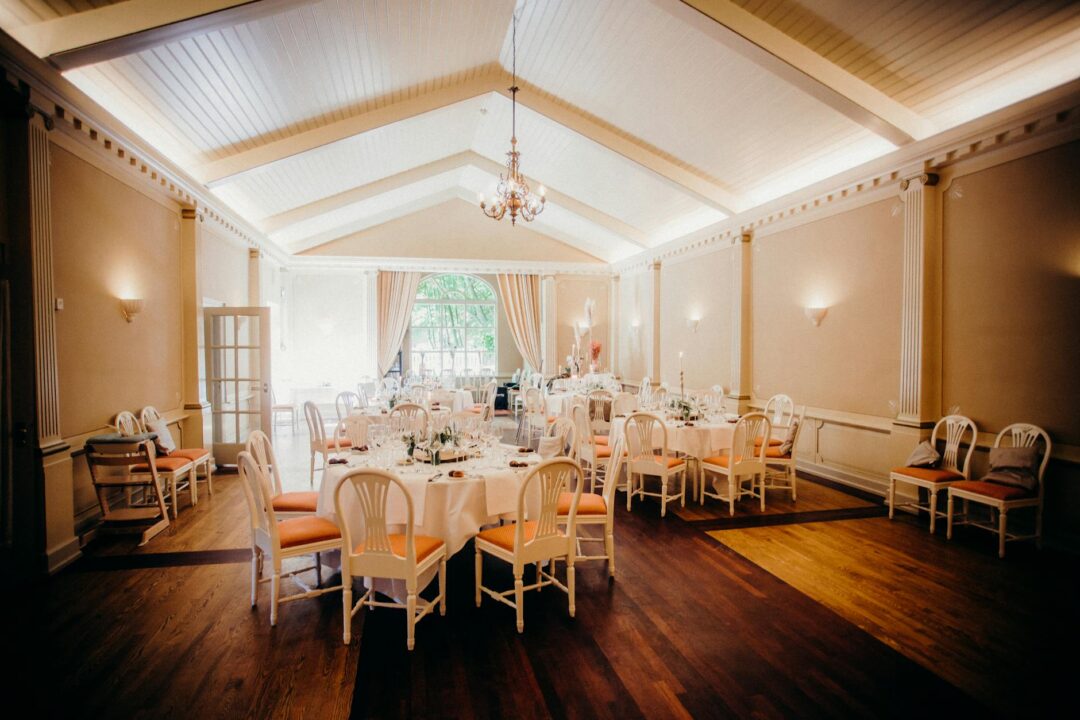
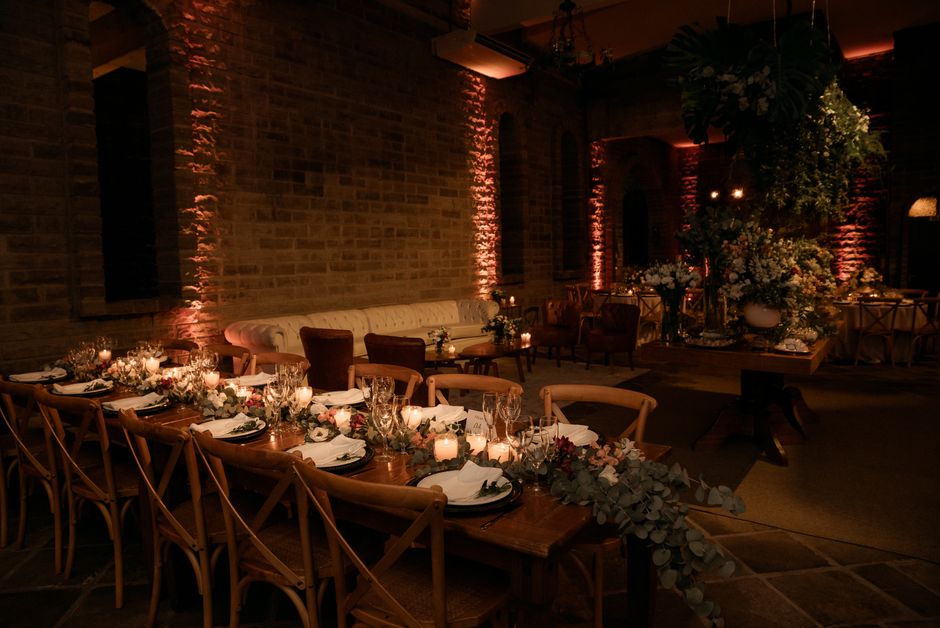

Your wedding ceremony lasts maybe thirty minutes. Your reception lasts five or six hours – and those are the hours your guests will talk about for years. The right decorations transform a rented hall or garden tent into a world that feels entirely yours: the textures, the glow, the scent of flowers, the little personal touches that make people lean over and whisper “this is so them.” Getting reception decor right is equal parts logistics and creativity, and this guide covers both.
Below you’ll find 60+ specific decoration ideas organized by zone, style, and budget tier, plus honest cost breakdowns, DIY versus hire comparisons, and every FAQ couples ask when planning their reception. Whether you’re working with $3,000 or $30,000, there is a version of your dream reception in here.
- Reception decor typically accounts for 30-45% of the total wedding budget – the single largest line item after catering.
- The five highest-impact zones are: entrance, dining tables, dance floor, lighting rig, and signage – allocate budget here first.
- Lighting upgrades (string lights, uplighting, candles) deliver the best ROI of any decor category – they transform a space at relatively low cost.
- Custom wedding signs on fabric or printed PVC board anchor every zone and serve double duty as functional wayfinding and photo backdrops.
- The DIY-versus-hire tipping point is roughly 50 guests – below that, thoughtful DIY can look stunning; above it, professional hire almost always wins on quality and sanity.
- Book florists, lighting companies, and rental firms 9-12 months out for peak season dates – good vendors fill quickly.
How to plan your wedding reception decor
Jumping straight to Pinterest inspiration boards before doing the groundwork is the single biggest mistake couples make. Decor that photographs beautifully in a Tuscan villa may look flat or overwhelming in your venue’s low-ceilinged banquet room. Start with the constraints, then build the vision.
Step 1: Audit your venue first
Before you spend a dollar or pin a single image, spend an hour at your venue with fresh eyes. Walk every space your guests will use – entry corridor, cocktail area, main dining room, restrooms, outdoor zones. Note ceiling height (it determines what lighting rigs and floral installations are feasible), existing architectural features you can enhance or need to hide, ambient light at your event time (daylight, sunset, or full dark), and any venue rules around candles, confetti, or hanging things from the ceiling. Take photos and measurements. This audit will save you from falling in love with ideas your venue literally cannot accommodate.
Step 2: Set your decor budget before anything else
The industry average for US weddings in 2026 is approximately $3,500-$6,500 for reception decor, not including catering, cake, or entertainment. Luxury weddings often spend $15,000-$50,000 on decor alone. Before you speak to a single florist or rental company, agree on your total number and then use the budget allocation framework in the dedicated section below to spread it across categories. Going in without a number means vendors will upsell you constantly and it becomes very hard to say no.
Step 3: Define your theme and color palette
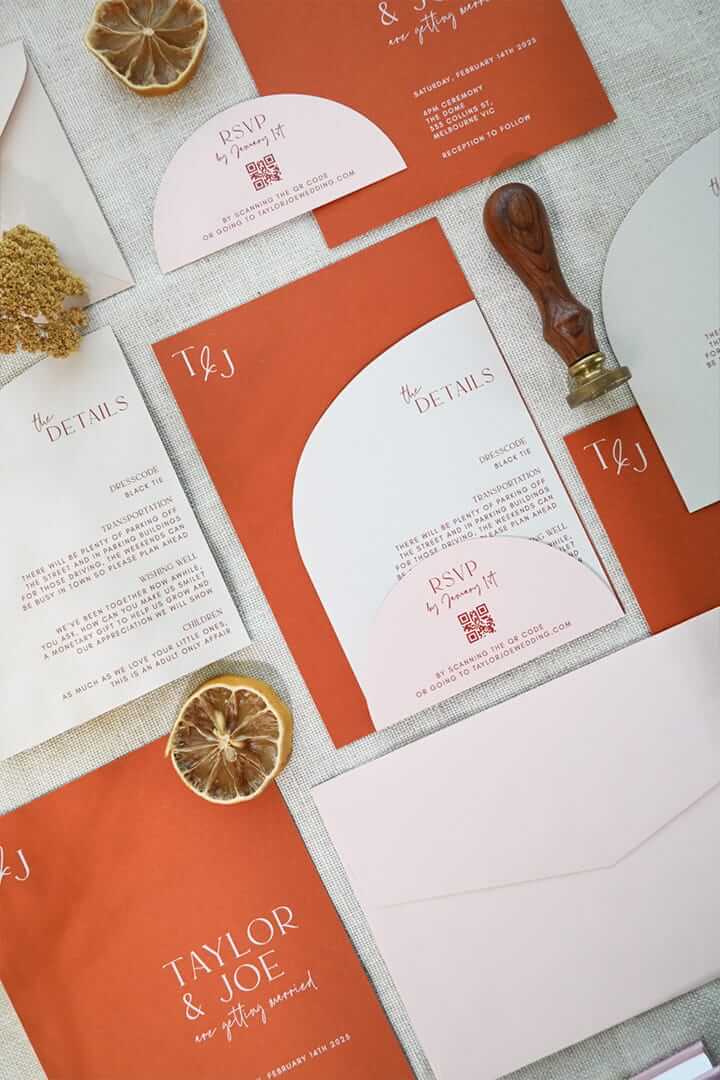
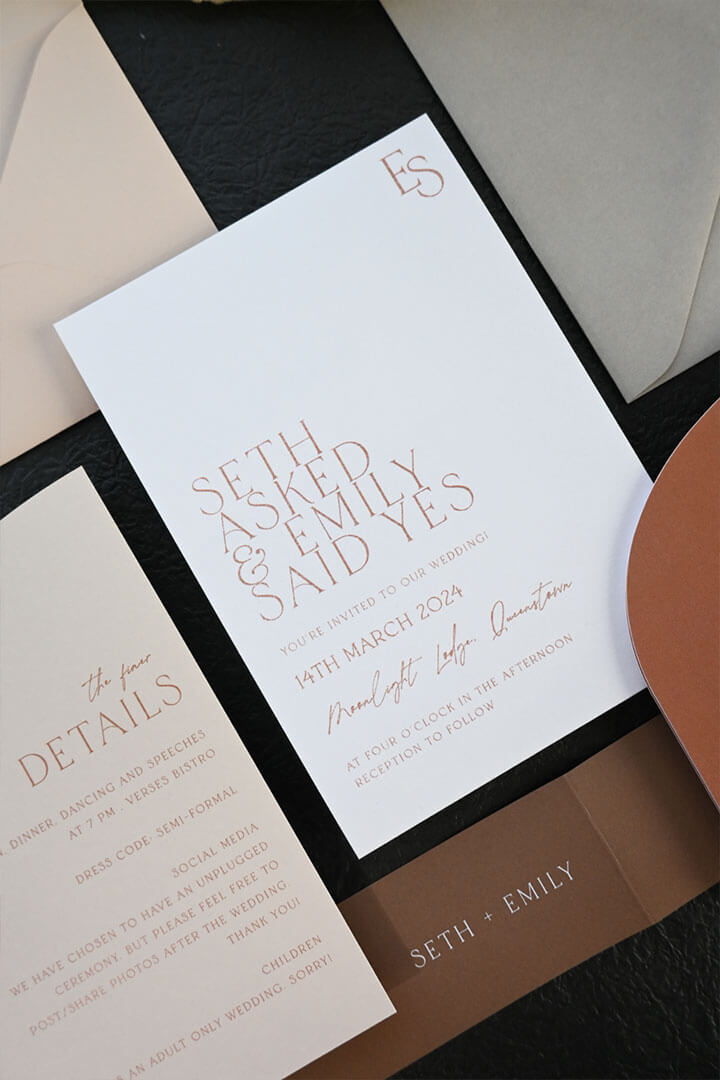
Your theme and palette should already be established by the time you get to reception planning – it should flow from your invitations and save the dates. If you started with a wedding invitation style and color palette, use that as your decor anchor. Blush and gold invitations suggest warm, romantic decor. Deep navy and white stationery implies a crisp, modern look. Every decoration decision – florals, linens, tableware, signage – should feel like it came from the same design family as your paper suite.
Step 4: Build your must-have versus nice-to-have list
Write two columns. In the first: the elements that are non-negotiable for your vision (tall centerpieces, a flower wall, custom neon sign – whatever matters most to you). In the second: the ideas that would be lovely but you could live without. When budget gets tight, you protect column one and trim column two. This list also helps when speaking with florists and rental companies – you can give them clear priorities rather than letting them drive the quote.
Wedding reception decor by zone
A reception venue is made up of distinct zones, each with its own function and its own decor opportunities. Treating them as a connected system rather than individual areas creates a cohesive guest experience from arrival through send-off.
Place cards bring your reception design together and guide guests to their seats. Browse foil, letterpress, and digital options.
Entrance and arrival area
The entrance is the first impression your guests get of the reception space, and it sets the emotional tone for everything that follows. High-impact entrance ideas include:
- Statement archway or arbor: A freestanding structure draped in florals, greenery, or fabric at the door signals “something special is inside.” Works for both indoor and outdoor venues.
- Escort card display: Rather than a flat table with envelopes, create a display – a mirror, a hanging wire grid, a wooden ladder, or a floral wall with place cards clipped or tucked in. Guests spend 30-60 seconds here; make it beautiful and easy to navigate.
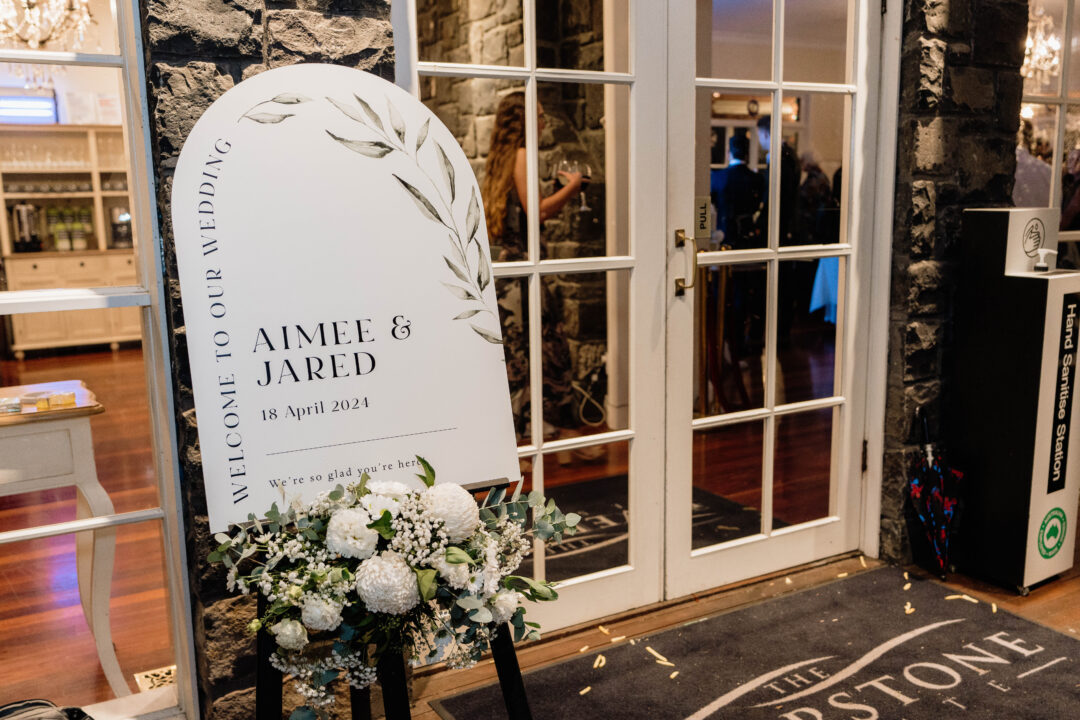
- Welcome sign: A large format sign (24 x 36 inches or bigger) with your names, wedding date, and a warm welcome message. Fabric signs hold color beautifully under flash photography and don’t glare the way acrylic can.
- Balloon installation or column: For couples who want a more playful, festive entrance, balloon arches in your palette colors are a high-value, relatively low-cost option.
- Greenery columns: Tall eucalyptus or boxwood topiary columns flanking the entry create an elegant, garden-party feel without the cost of full floral arrangements.
Cocktail hour space
Cocktail hour is often treated as an afterthought in decor planning, but it’s where your guests spend the first hour while you’re taking portraits. A well-decorated cocktail space makes the transition from ceremony to reception feel intentional. Key elements include smaller florals or bud vases on high-tops, lounge furniture if your venue allows it, a signature cocktail sign or menu chalkboard, and good lighting. A photo opportunity at cocktail hour – a simple floral backdrop or branded neon sign – gives guests something to do and generates great candid photos.
Dining tables
Dining tables are where guests spend most of the evening, making this the zone with the highest decor impact on the overall experience. The essential elements to consider:
- Linens: Your tablecloth and napkin choices anchor everything else. White or ivory linen is the neutral canvas. Colored linens (dusty blue, sage, blush, terracotta) make an instant statement without adding cost to florals.
- Centerpieces: The anchor of every table. See the dedicated centerpieces section below for detailed ideas and cost ranges.
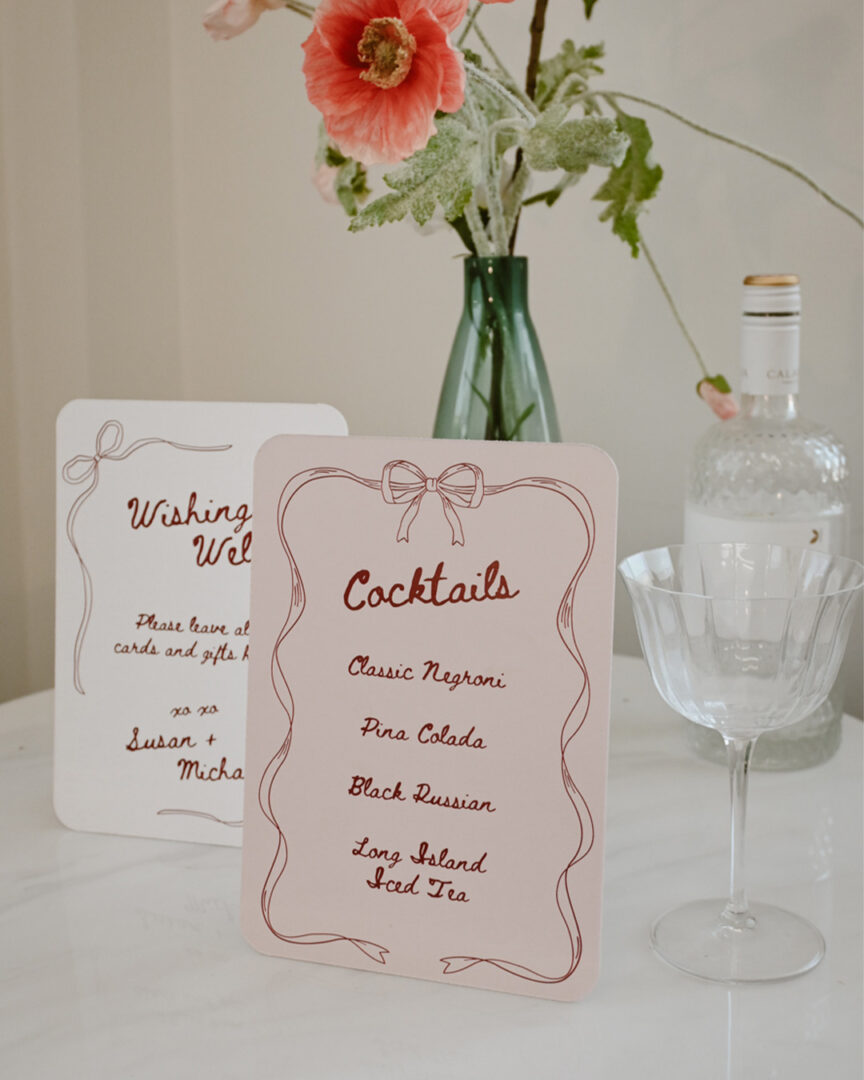
- Table numbers: These are functional and decorative. Options range from simple acrylic or paper numbers in frames to custom-printed signs with venue or location names instead of numbers (“The Amalfi Table,” “The Bali Table”).
- Place cards: Individual wedding place cards at each seat add a personal touch and help guests find their seats quickly. They can match your invitation suite exactly, reinforcing the visual language of your whole wedding.
- Menus: Per-guest printed menus double as keepsakes and reduce server confusion. They also eliminate the awkward moment where guests don’t know what’s coming.
- Candles and votives: A scattering of tea lights or taper candles on every table is one of the cheapest and most effective decor additions available. They add warmth and movement at minimal cost.
Dance floor
The dance floor is the emotional center of the reception from the first dance through the send-off. Decor ideas that make it feel special:
- Monogram projection: A gobo light projecting your initials or a custom pattern onto the dance floor is elegant and requires no physical setup.
- Dance floor wrap: Vinyl wraps with geometric patterns, floral designs, or your names and date turn a plain wooden or vinyl floor into something personalized.
- Perimeter uplighting: Ring the dance floor with uplights in your accent color. When the lights dim for dancing, this glow creates a stage effect.
- Suspended floral chandelier: A hanging floral installation directly above the dance floor is a dramatic focal point that photographs beautifully during the first dance.
- Confetti or petal send-off: If your venue permits it, a confetti cannon or petal toss moment on the dance floor creates a memorable photo and a fun guest experience.
Bar area
Guests spend a lot of time at the bar, making it prime decor real estate. A custom bar sign with your signature cocktail names is both functional and decorative. Adding bud vases or small floral arrangements at bar-top height softens the utilitarian feel. A printed menu sign or chalkboard listing the cocktail menu with cute names (“The First Dance,” “The Vow Sour”) adds personality. For outdoor or rustic receptions, a wooden bar cart or vintage cart from a hire company makes the bar feel like a curated installation rather than a service point.
Lounge seating
A lounge corner – typically 2-3 sofas or armchairs, a low coffee table, and soft lighting – gives older guests and non-dancers a comfortable place to settle in after dinner while keeping them in the celebration. Hire companies offer a range of styles from mid-century modern to rustic to glam. A decorative rug anchors the space, and a few throw cushions in your palette colors tie it to the overall theme. Lounge areas also become natural gathering spots for group photos.
Photo wall and backdrop
A designated photo backdrop – typically 8 feet wide by 8 feet tall – gives guests a spot to take photos throughout the night and generates organic content on your behalf. Popular options for 2026:
- Flower wall: A full floral wall in your palette colors. Can be fresh (expensive but beautiful) or a high-quality silk-and-dried flower mix for budget-conscious couples.
- Geometric frame with florals: A brass or gold geometric frame with clusters of flowers at the corners is modern and works in smaller spaces.
- Custom fabric backdrop: Printed fabric with a pattern or wash of color in your palette. Can incorporate your names or monogram.
- Neon sign on greenery wall: A custom neon quote or your names in neon against a wall of preserved greenery. Very popular for 2026.
- Balloon backdrop: An organic balloon installation in your colors – this is one of the most cost-effective backdrop options at scale.
Restrooms
Restrooms are not something most couples think about decorating, but a small basket of comfort items (mints, bobby pins, safety pins, lip balm, hand cream) with a handwritten or printed “refreshment basket” card is a detail that guests notice and remember. A small floral arrangement or candle on the vanity, and a framed print or funny sign on the wall, takes the space from purely functional to thoughtful. Cost: almost nothing, impact: disproportionate.
Centerpieces: the anchor of every table
Centerpieces are the decor element that guests interact with most directly – they look at them for hours during dinner. They set the height, color, and texture tone for the whole tablescape. The key decisions are height (tall and dramatic versus low and intimate), floral versus non-floral, and DIY versus florist-made.
Tall centerpieces (24 inches or higher) create a dramatic ballroom look and allow guests to talk across the table without eye contact being blocked. They work best in rooms with high ceilings (14 feet or more) and are a signature look for glam, ballroom, and formal weddings.
Low centerpieces (under 12 inches) are more intimate, allow easy conversation across the table, and work in any ceiling height. They suit rustic, garden, and relaxed-style weddings particularly well. A cluster of three low arrangements (varying heights: 6, 9, and 12 inches) at different spots along a long table gives a lush, garden party feel at a lower cost than a single tall arrangement.
Non-floral centerpiece ideas that are genuinely beautiful: candle clusters of varying heights, lanterns with trailing greenery, stacked vintage books with a bud vase, terrariums, fruit arrangements (lemons and greenery for Mediterranean themes, pomegranates and figs for fall), and sculptural dried grasses (pampas, bunny tail, wheat). These options often cost significantly less than fresh flowers and photograph just as well.
Budget ranges: DIY low floral arrangements, $20-40 per table. Mid-range florist arrangements, $75-150 per table. Statement tall arrangements from a florist, $200-400 per table. Luxury installations at premium florists, $500+ per table.
Custom wedding signs that tie every zone together
From your welcome sign at the entrance to table numbers, menus, and the seating chart – custom-printed signs on fabric or PVC board anchor your reception decor and serve as beautiful photo backdrops. Designed by our independent artists, printed in Melbourne, and delivered to your door.
Wedding signage that works
Signage is the connective tissue of a well-decorated reception – it guides guests, reinforces your visual identity, and serves as a backdrop in virtually every photo taken during the night. The mistake most couples make is treating signs as an afterthought or printing them at home on a laser printer. Custom-designed signs in your wedding palette and font style, printed on quality materials, elevate every zone they appear in.
Welcome sign
The first sign guests see as they arrive. Ideally 24 x 36 inches or larger – you want it readable from 15 feet away. Standard messaging includes your names, wedding date, and a one-line welcome (“Tonight we celebrate,” “Welcome to our wedding celebration”). Fabric welcome signs hold color under flash photography and don’t produce the reflective glare that acrylic signs can. Printed PVC board is another durable option with a clean, modern finish. For a premium touch, vinyl foil lettering in gold, silver, or rose gold applied over the base print adds a metallic accent without the full cost of a foil-stamp invitation suite.
Seating chart and escort displays
The seating chart is one of the highest-traffic pieces of signage at your reception – every single guest interacts with it at arrival. A fabric seating chart in your palette colors is both beautiful and practical: fabric doesn’t glare under flash, doesn’t tip over in a breeze like acrylic, and can be made at very large format (4 feet x 5 feet or larger) to accommodate many guests. Organize alphabetically by last name, not by table number – guests don’t know their table assignment, but they do know their own name.
Table numbers and table names
Table numbers can be printed on cards in frames, custom-printed on wood or acrylic backing, or custom-printed as standalone signs. For couples who want to skip numbers entirely, named tables add personality – use a theme that means something to you (places you’ve traveled, books you love, wines, national parks). Just include a key so guests can find their table without a map.
Menu and bar signs
A single large menu sign per table, or individual wedding programs that include a menu section, gives guests something to read during the cocktail-to-dinner transition and eliminates repeated questions to servers. Bar menu signs listing signature cocktails with names add a fun, personal layer. A “His & Hers Drinks” or “The Love Potion” format on a chalkboard or printed sign is a consistently popular touch.
Direction and wayfinding signs
For venues spread across multiple rooms or outdoor areas – a ballroom for dinner, a separate area for dancing, restrooms in a different wing – small directional signs prevent confusion and reduce the number of guests wandering lost. Arrow-format signs on stakes (for outdoor) or framed signs on easels (for indoor) do the job without looking utilitarian when they match your overall sign design.
Wedding reception lighting ideas
Lighting is the single highest-ROI decor investment at a wedding reception. The right lighting transforms any space – it creates warmth, depth, intimacy, and drama. Poor lighting makes even expensive florals and linens look flat in photos and feel cold in person. Budget accordingly.
Chandeliers and pendant lights
If your venue already has chandeliers, make sure they’re turned to a warm dimmer setting (not bright white fluorescent) before guests arrive. If your venue doesn’t have statement overhead lighting, chandelier rentals from event hire companies are widely available. Crystal chandeliers work for glam and formal themes. Rattan or organic pendant clusters suit boho and garden aesthetics. Industrial Edison bulb pendants feel right in barn or modern-industrial venues. Costs range from $200-600 per chandelier for rentals, including rigging, depending on size and complexity.
Fairy lights and string lights
Few decor additions transform a space as dramatically as a canopy of string lights draped across the ceiling. A matrix of warm-white string lights 6-8 inches apart across the full ceiling height creates a starfield effect that makes any space feel magical. For outdoor tent receptions, string lights threaded through the tent roof liner are a staple of the romantic outdoor aesthetic. Cost: $300-800 for a medium venue ceiling installed by a lighting hire company, or significantly less if your venue already has hooks and you’re working with battery-operated options.
Candles and votives
Candlelight is irreplaceable – it creates a warmth and movement that no LED product fully replicates (though flameless LED candles have gotten genuinely good and are required by venues that prohibit open flame). Budget $80-150 for enough tea lights and votives to cover 15-20 tables. Taper candles in brass or silver candlestick holders add height to tabletop arrangements. A row of pillar candles on a ceremony table or fireplace mantle creates an altar-like focal point. Always check your venue’s candle policy before committing – some require enclosed votives only, others ban all open flame.
Projection mapping and gobos
A gobo projector casts a pattern, your monogram, or a custom image onto the wall, floor, or ceiling. Monogram gobos (your initials in script or block letters) are a classic reception touch. Botanical or geometric patterns projected onto walls can transform a plain white room. Full projection mapping – where the entire surface of a room is mapped with moving graphics – is a high-end option (typically $2,000+) that creates a dramatic, immersive effect. Most DJ packages include basic gobo projection; ask during vendor interviews.
Neon signs
Custom neon signs have been one of the fastest-growing wedding decor trends for the last three years and show no signs of slowing in 2026. Popular phrases include the couple’s surname, “Mr. & Mrs.,” “forever starts now,” and custom monograms. Signs can be hired or purchased (purchased signs become keepsakes for the home). A neon sign placed against a greenery wall, a brick wall, or as a bar backdrop creates an instant photo magnet. Budget $150-400 for a quality custom neon sign, hire or purchase.
Uplighting
Uplighting – LED lights placed on the floor along the perimeter of the room and pointed upward – washes the walls and ceiling in your chosen color. The effect is particularly dramatic in ballrooms and large event spaces. Most DJ and lighting hire companies include uplighting packages. For a 100-guest ballroom with 20-30 uplights, budget $300-600. Color-changing (DMX-controlled) uplights allow the room to shift from warm white during dinner to your signature color for dancing. This is one of the most dramatic transformations available at a relatively modest cost.

Floral installations that go beyond centerpieces
Structural floral installations – ceiling pieces, flower walls, archways, hanging elements – are the wow moments of a reception. They’re also the most expensive single decor elements, so prioritize carefully. One statement installation anchoring your key zone (the dance floor ceiling, the photo backdrop) will have more impact than spreading the same budget across multiple smaller pieces.
Custom menu cards add a polished editorial moment to each place setting and double as a keepsake. Choose from flat-lay, single-card, or folded formats.
Ceiling installations
A suspended floral chandelier or ceiling cloud above the dance floor or the head table creates a dramatic focal point that anchors the room. Fresh flower ceilings are stunning but expensive: expect $1,500-5,000+ for a large-scale fresh installation. Dried and preserved flower ceilings (dried roses, pampas, lunaria) are increasingly popular because they photograph beautifully, last the entire event without wilting, and can often be done at 60-70% of the cost of fresh.
For a budget-friendly ceiling moment, consider a greenery garland swag between chandeliers or lighting rigs. Eucalyptus swags at $30-60 per linear foot create a lush, garden-party overhead effect at a fraction of the cost of full floral installations.
Flower walls
A full flower wall (typically 8 feet x 8 feet) serves as a reception backdrop, photo wall, and statement piece simultaneously. Fresh flower walls are priced at $800-2,500 depending on flower choice and density. High-quality silk or artificial flower walls for hire are available at $300-600 and photograph well if the quality is good – view samples in person before committing. A hybrid approach – a mix of dried, preserved, and select fresh stems – gives a fresh appearance at a more manageable cost. Pair with a custom neon sign for a high-impact photo spot guests will use all night.
Archways and ceremony-to-reception transfers
If you had a floral arch at your ceremony, consider whether it can be transported and repurposed at the reception. Many florists will plan for this from the start – a ceremony arbor that gets moved to frame the sweetheart table or reception entrance. Coordinate this specifically with your florist during the planning process; it requires advance logistics but saves significant money on florals overall.
A fresh floral archway specifically for the reception entrance, framing the doorway guests walk through to enter the dining room, is a highly photogenic and emotionally impactful moment. The “entering the room for the first time as a married couple” photo beneath a floral arch is a consistent favorite.
Hanging installations
Hanging elements – suspended from the ceiling above tables or the dance floor – add vertical dimension to reception decor. Options include: hanging single-stem bud vases (inverted) at varying heights above a long table, suspended circular floral hoops in groups above dining tables, greenery garland loops between lighting points, and hanging lanterns. All hanging elements require advance coordination with your venue to confirm they can rig from the ceiling and that the load capacity is sufficient for what you’re planning.

Wedding reception decor by style
Your overall style shapes every decor decision. Here are the seven most popular reception aesthetics for 2026 with specific decor elements for each.
Modern and minimalist
Defined by clean lines, negative space, and intentional material choices. Key decor elements: monochromatic table settings (all-white or all-black with a single accent), geometric centerpieces using architectural greenery (fiddle-leaf, tropical leaves, sculptural branches), matte black or brushed gold candleholders, and a single large-scale art installation rather than many smaller pieces. Signage uses sans-serif typography on white or cream backgrounds. Avoid floral overload – in minimalist decor, less is genuinely more.
Boho and romantic
Layered, textured, and drawn from nature. Key elements: macrame backdrops, pampas grass and dried flower arrangements, mismatched vintage rentals (different chairs, varied candleholders), terracotta and rust tones alongside cream and sage, trailing greenery garlands down table centers, low arrangements with wildflower textures, candlelight at every surface. Signage uses calligraphy-style fonts on kraft paper or wood. The boho aesthetic actively rewards imperfection – pieces don’t have to match perfectly.
Rustic and barn
Warm, natural, and relaxed. Key elements: wooden farm tables (no tablecloths, or burlap runners), Mason jar candle holders, wildflower or herb arrangements, Edison bulb string lights, a hay bale lounge corner, wooden signage with hand-lettered text, lanterns along pathways. The rustic aesthetic is one of the most DIY-friendly because imperfection is part of the charm. Many hire companies specialize in rustic prop rentals (wagon wheels, old doors, wooden barrels).
Glam and glamorous
Maximalist, high-shine, and unapologetically extravagant. Key elements: crystal chandeliers, mirrored table surfaces or placemats, sequined or metallic linens, tall white-and-gold floral arrangements, gold charger plates, metallic balloon installations, neon signs, and a dance floor with gobo monogram projection. The glam aesthetic is the most expensive to execute well because it relies heavily on professional hire and floristry. Rental table mirrors, crystal vases, and gold candelabra are available from event hire companies and make the biggest visual difference.
Vintage
Nostalgic, curated, and layered with patina. Key elements: mismatched vintage china hired from specialty companies, dried flower arrangements (roses, lavender, dusty miller), lace table runners, sepia-tone signage, doily-wrapped candle holders, antique frames for table numbers and escort displays, and a palette of dusty rose, sage, champagne, and warm ivory. The vintage look works especially well with a mix of round tables (for conversation) and long feasting tables.
Coastal and tropical
Breezy, relaxed, and nature-forward. Key elements: tropical foliage (monstera, banana leaf, birds of paradise), white, seafoam, and coral palette, rattan and natural fiber textures, driftwood and shell accents, blue glass votives, linen napkins in natural tones, and an outdoor or open-air venue to maximize the effect. Signage uses casual, beachy typography. Coconuts, citrus fruit, and tropical greenery can all serve as centerpiece elements at very low cost.
Romantic garden
Abundant, soft, and botanical. Key elements: overflowing floral centerpieces in blush, cream, and dusty rose, trailing greenery on every surface, a canopy of string lights or a tent full of fabric draping, garden chair hire, wildflower arrangements in ceramic vessels, and a palette that draws from an English garden in late spring. The romantic garden aesthetic is the most consistently popular US wedding reception style and the one most florists are best equipped to execute.
DIY versus hire: an honest comparison
The DIY question comes up at every budget level. The honest answer is that DIY saves money when it’s truly DIY-friendly and costs money when it isn’t. Fresh flowers, complex lighting installations, and professional-grade furniture rentals are almost always better handled by professionals. Signage, welcome baskets, favors, and escort card displays are genuinely DIY-able with good results.
| Decor element | DIY viability | DIY cost (est.) | Hire cost (est.) | Verdict |
|---|---|---|---|---|
| Low floral centerpieces (per table) | High – with practice | $25-50 | $80-180 | DIY wins at under 50 guests |
| Tall floral centerpieces (per table) | Low – requires skill | $80-150 | $200-400 | Hire recommended |
| Candles and votives | Very high | $60-120 total | $80-150 (included in styling) | Always DIY |
| String light canopy | Low – rigging required | $200-400 (lights only) | $400-900 (installed) | Hire for safety + look |
| Uplighting (20 units) | Low – technical | $500-800 (purchase) | $300-600 (hire + install) | Hire almost always cheaper |
| Welcome sign | Medium – design skill required | $40-80 (materials) | $80-180 (custom printed) | Custom print for quality result |
| Flower wall / floral backdrop | Low for fresh, medium for dried | $400-800 (fresh DIY) | $600-1,800 (hire) | Hire unless you’re skilled |
| Escort card display | Very high | $30-80 (frame + cards) | $100-300 | Always DIY |
| Lounge furniture | Not practical | N/A | $400-1,200 (hire) | Always hire |
| Neon sign (custom) | Not practical | N/A | $150-400 (hire or purchase) | Purchase as keepsake |
Wedding reception decor budget allocation
Knowing how much to allocate to each decor category prevents the most common mistake: spending 80% of the decor budget on florals and having nothing left for lighting, signage, and rentals – which are often the elements that matter most to guests during the event. The following allocation framework is based on average US reception decor budgets in 2026.
| Decor category | % of decor budget | Example: $5,000 budget | Example: $12,000 budget |
|---|---|---|---|
| Florals (all – centrepieces, installations, bouquets) | 35-45% | $1,750-$2,250 | $4,200-$5,400 |
| Lighting (string lights, uplighting, gobo, candles) | 20-25% | $1,000-$1,250 | $2,400-$3,000 |
| Rentals (furniture, linens, specialty tableware) | 15-20% | $750-$1,000 | $1,800-$2,400 |
| Signage and stationery (signs, place cards, menus) | 8-12% | $400-$600 | $960-$1,440 |
| Photo backdrop / statement installation | 8-10% | $400-$500 | $960-$1,200 |
| Details and extras (favors, comfort baskets, misc.) | 5-8% | $250-$400 | $600-$960 |
Note that this framework excludes cake, DJ/band, catering, and photography – those are separate budget lines in most wedding planning tools. The decor budget above covers purely visual and environmental elements.
One practical note: always hold 10% of your decor budget in reserve until one month before the wedding. Last-minute additions, vendor price increases, and the inevitable “we want one more thing” moments are universal in wedding planning. Having a small float means you can say yes without stress.
Wedding invitations that set the tone for your reception
Your reception decor vision starts with your invitation suite – it’s the first visual preview guests get of your wedding aesthetic. Choose from 500+ exclusive designs across digital print, flat foil, letterpress, and metallic finishes, designed by independent Australian and international artists. Orders start from $2.04 per card and include a designer proof within 1-2 business days.
Welcome signs, seating charts, and bar menus tie your reception decor into one cohesive design language. Browse our full sign collection.
Frequently asked questions
How much should I budget for wedding reception decorations?
For most US weddings in 2026, reception decor costs between $3,500 and $8,000 for a 80-120 guest wedding. Budget weddings with strong DIY skills can come in at $1,500-2,500. Luxury wedding decor for 150+ guests with a professional florist, lighting company, and full rental package typically starts at $12,000-15,000 and goes significantly higher. The single biggest variable is florals – specifically centerpieces. Choosing non-floral centerpiece options (candles, greenery, lanterns) is the most effective way to reduce the total decor spend.
What are the most important wedding reception decorations to prioritize?
In order of impact on both guest experience and photography: (1) lighting, particularly warm overhead lighting and candles on every table, (2) table centerpieces, (3) the entrance and seating chart display, (4) the photo backdrop area, and (5) signage throughout the venue. If you have to cut something, cut lounge furniture, restroom details, and bar decor before touching any of the top five.
When should I book my wedding florist?
For peak season dates (May through October, particularly Saturdays), book 9-12 months in advance. Top florists in most US cities fill their peak season calendars by the previous September or October. For off-peak dates or Friday and Sunday weddings, 6-9 months is generally sufficient. Even if you haven’t finalized every detail, booking a florist with a deposit and a rough concept conversation secures your date and gives you time to refine the vision.
Can I mix and match different decor styles?
Yes, and most successful reception decors do. The key is choosing a primary palette and sticking to it across all elements, even if the styles vary. A warm, earthy palette (terracotta, sage, ivory) can work across bohemian, rustic, and minimalist elements simultaneously. What breaks cohesion is not style mixing but palette mixing – combining cool grays and navy with warm terracotta and gold creates visual confusion regardless of how well each individual element works on its own.
Do I need a wedding planner to coordinate reception decor?
A wedding planner is not strictly necessary, but a day-of coordinator (a less expensive option) is highly recommended for any wedding with more than 60 guests. The coordinator manages vendor setup timelines, makes sure everything is placed correctly before guests arrive, handles last-minute issues, and ensures your decor vision is executed as planned. Without coordination, couples often find that lighting was set up differently than discussed, signs were placed in the wrong spots, or candles weren’t lit before guests arrived.
What’s the best way to incorporate personal touches into reception decor?
Personal touches have the most impact when they’re woven into guest-interaction points: place cards with a personal note to each guest (or at least a thoughtful seating decision), table names drawn from places or things that mean something to you as a couple, a welcome sign that includes a quote or phrase that’s meaningful in your relationship, photos of you two on the escort card display, and a bar menu where the cocktails have names drawn from your relationship milestones. These touches cost very little and create emotional resonance that expensive floral arrangements don’t.
How do I make sure my reception decor looks good in photographs?
Warm lighting (not overhead fluorescent white), candles on every table, and at least one strong vertical element (tall centerpiece, floral arch, neon sign) per key zone are the most important factors for photographs. Also: avoid very dark or very saturated linens (they absorb flash and look flat), prefer natural materials over highly synthetic ones (real or dried flowers photograph better than plastic florals), and ensure your photo backdrop area is independently lit. Share an outline of your decor plan with your photographer before the wedding so they can identify the best angles and times for each zone.
Is it worth renting specialty tableware (gold chargers, unique glassware, etc.)?
For glam, vintage, or formal weddings, yes – specialty tableware rentals have a major visual impact and are one of the most cost-effective ways to elevate a tablescape. Gold charger plates at $1-2 per plate, vintage or coupe glassware at $1-3 per piece, and specialty cutlery at $2-5 per place setting can transform a standard catering setup into something that looks entirely curated. Confirm with your venue and caterer before renting – some venues have exclusive catering agreements that restrict outside tableware.
What’s the difference between a wedding stylist and a florist?
A florist focuses specifically on flowers – arranging, sourcing, and delivering all floral elements. A wedding stylist manages the overall visual concept of the event: they source and coordinate all non-floral decor (linens, tableware, candles, signage, furniture, backdrops), and often work in partnership with a florist. For a cohesively styled wedding, a stylist is valuable if your vision extends significantly beyond flowers. For a primarily floral-focused reception decor, a skilled florist who works with your stated vision is usually sufficient.
How far in advance should I set up reception decorations?
Professional vendors typically need 2-4 hours for setup, depending on the complexity of the install. A florist with a full venue install (ceiling flowers, all table centerpieces, ceremony-to-reception florals) may need 4-6 hours. Lighting companies installing a full string-light canopy typically need 3-4 hours. Confirm venue access times during the booking process – some venues don’t allow vendor access until 2-3 hours before the event start time, which can create setup crunches for complex installs.
What wedding reception decorations are trending in 2026?
The strongest trends for 2026 US receptions: sustainable and dried/preserved florals (as an alternative or supplement to fresh flowers), custom neon signs as statement pieces and photo backdrops, organic balloon installations in earth tones and pastels, fabric-based signage replacing acrylic, personalized place cards and table names, and warm earthy palettes (terracotta, sage, warm ivory, rust) alongside continuing demand for classic all-white and blush romantic aesthetics. Ceiling and overhead installations – chandelier clusters, hanging floral clouds, fabric canopies – continue to grow in popularity for their dramatic photographic impact.
How do I coordinate my reception decor with my wedding invitations?
Your wedding invitation suite is the first visual preview guests get of your wedding aesthetic – the color palette, typography style, and overall formality set expectations. For strong visual consistency, use your invitation’s primary and secondary colors as your table linen and centerpiece palette, carry the typography style into your reception signage design, and choose floral varieties that echo the motifs in your stationery (botanical illustrations, floral prints, geometric patterns). This creates a through-line from the moment guests open their mailbox to the moment they walk into your reception. Browse 2026 wedding invitation trends to find a style direction that will translate beautifully into a full reception decor concept.
What should I do with wedding decorations after the reception?
Plan this before the wedding, not at midnight when you’re exhausted. Options: designate a family member or friend to collect specific items (bouquets, place cards, the welcome sign) you want to keep. Contact your florist in advance about donating centerpieces to a local hospital or hospice – many have donation programs and can coordinate pickup. Some hire items will be collected directly by the vendor the next morning. Anything you want to keep personally – your custom wedding signs, neon sign, or personalized place cards – needs to be specifically set aside by a designated person because it won’t automatically happen in the send-off rush.
As featured in: Vogue Australia, Marie Claire Australia, The Sydney Morning Herald, and Harper’s Bazaar Bride.