
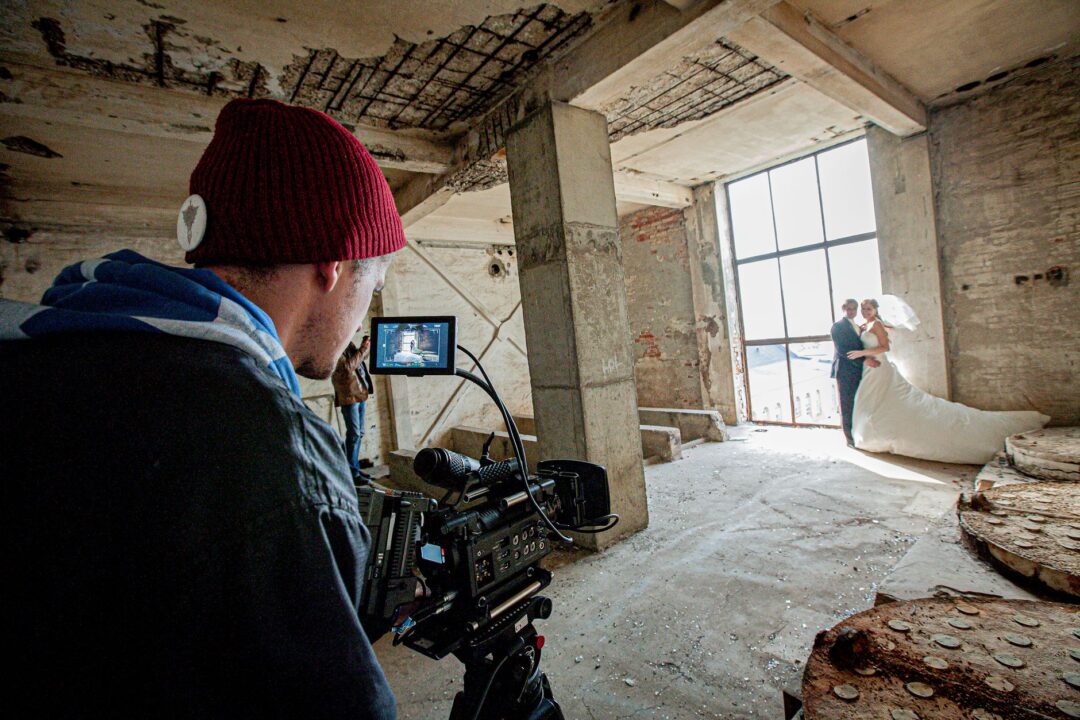
Most couples in the US pay between $1,500 and $5,000 for a wedding videographer in 2026, with the national average around $2,300 according to The Knot’s Real Weddings Study. What you actually spend depends on how many hours you need, what deliverables you want, and whether you’re adding drone footage, a second shooter, or bundling with photography.
Wedding video is one of the most underestimated line items in a wedding budget. Flowers fade, the cake disappears, and the DJ packs up before midnight, but a well-made wedding film is something you and your family will come back to for decades. Yet couples often deprioritize video early in the planning process and scramble to find coverage later, sometimes paying a premium or settling for a less experienced filmmaker.
This guide covers everything you need to know: package tiers and what they include, the cost of combining a photographer and videographer, add-ons worth the splurge, how to read a quote, and where to find savings without sacrificing quality. For a broader look at how videography fits into your spending, our complete wedding budget breakdown puts it in context.
—
- National average: $2,300 (The Knot Real Weddings Study)
- Typical range for most couples: $1,500 to $5,000
- Budget packages (3-5 hours, highlight reel only): $1,000 to $2,000
- Mid-tier packages (6-8 hours, highlight + full ceremony edit): $2,000 to $4,000
- Premium / cinematic packages (8-12+ hours, full-length film): $5,000 to $10,000+
- Biggest cost drivers: coverage hours, experience level, number of deliverables, location
- Popular add-ons: second shooter ($500-$1,500), drone footage (varies), overtime ($200-$400/hr)
- Money-saving tip: bundle photo and video from one studio and save 15-25%
—
How much does a wedding videographer cost?
According to The Knot’s Real Weddings Study, the average wedding videographer costs $2,300 nationally. That sits in the middle of a very wide market. The Knot’s data also shows a median of around $1,900, with the lower quarter of couples spending closer to $1,000 and the upper quarter paying around $3,300 or more.
Zola reports a higher national average of $3,993, with most couples spending between $3,200 and $4,800 for a full-day package with a mid-tier professional. That higher figure reflects a growing trend toward more comprehensive packages, including longer coverage windows and full-length cinematic edits.
The gap between sources is meaningful: it tells you that what couples consider a “complete” videography package has changed, and that your budget goals will determine which tier of the market you’re shopping in. Regardless of source, the figures agree on direction: videography represents roughly 8% of total wedding spend.
For the full picture of where videography fits in your wedding spending, see our guide to average wedding costs in 2026.
Wedding videographer cost breakdown
The single biggest variable in a videography quote is the combination of coverage hours and deliverables. More hours mean more footage, and more footage means more editing time, which is where most of a videographer’s labor cost lives.
| Package Tier | Coverage Hours | Main Deliverables | Typical Price Range |
|---|---|---|---|
| Budget / Content Creator | 2-4 hours | Raw or lightly edited clips, fast delivery | $500-$1,500 |
| Basic / Highlight Only | 3-5 hours | 3-5 minute highlight reel | $1,000-$2,000 |
| Standard | 6-8 hours | Highlight reel + edited ceremony | $2,000-$4,000 |
| Full Day | 8-10 hours | Highlight + ceremony + toasts/speeches | $3,500-$6,000 |
| Cinematic Feature | 10-12+ hours | 30-90 min full-length film + highlight | $6,000-$10,000+ |
*Sources: The Knot Real Weddings Study, Candid Studios pricing research*
Highlight film vs. full-length wedding film
A highlight film (also called a highlight reel or wedding film) is typically 3 to 10 minutes long. It is edited cinematically, set to music, and designed to capture the emotional peaks of your day: the ceremony, the first look, the first dance, and key moments in between. This is the format most couples share with family and post online.
A full-length film (sometimes called a documentary edit or feature film) runs 30 to 90 minutes. It captures the full ceremony, speeches, toasts, and reception in sequence, without cutting for pace. Think of it as an archive rather than a highlight: you will not watch it every year, but you will want it when someone in the family is getting married and asks to see the vows.
Both films come from the same footage shot on the same day. Choosing both is a deliverable decision, not a shooting-day decision. Most mid-tier and premium packages include both.
Add-on costs
| Add-On | Typical Cost |
|---|---|
| Second videographer | $500-$1,500 |
| Drone / aerial footage | $300-$1,500+ (varies by operator and scope) |
| Overtime beyond package hours | $200-$400 per hour (Zola) |
| Raw footage delivery | $500-$1,500 |
| Same-day highlight edit (played at reception) | $500-$2,000 |
| Rush / expedited editing | $200-$500 |
| Physical delivery (USB, custom packaging) | $50-$200 |
Drone add-on pricing varies widely depending on whether the videographer is a licensed FAA Part 107 drone operator or subcontracts aerial work. Always confirm the operator’s license in your contract before booking.
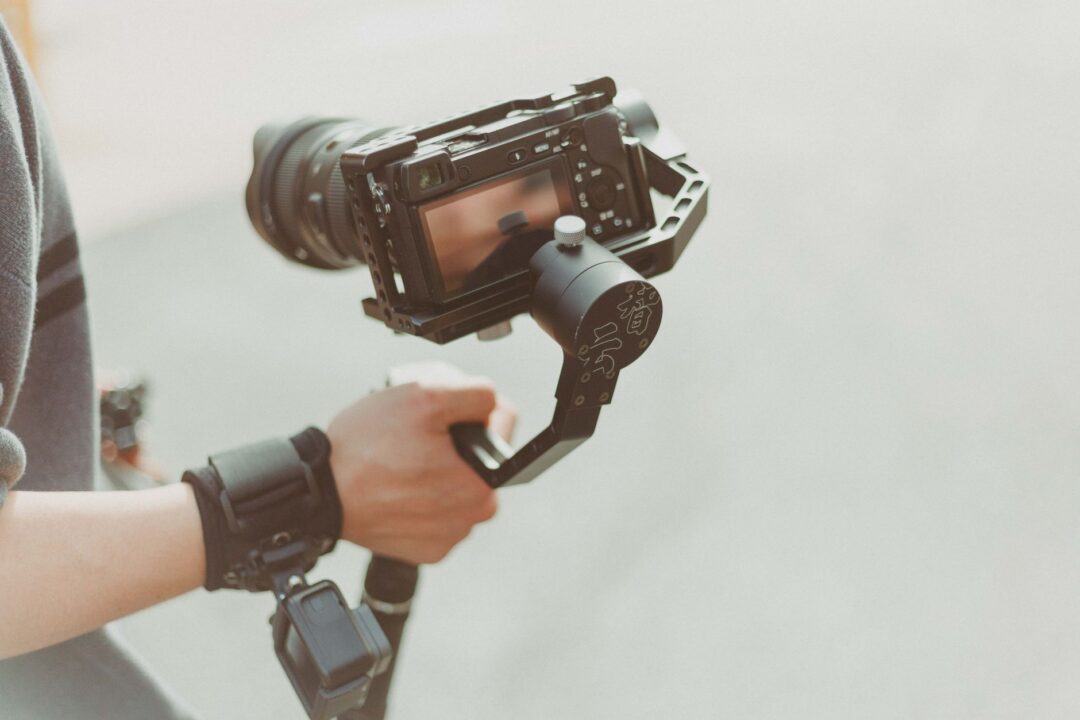

What drives the cost of wedding videography
Coverage hours. Time on-site is the primary cost driver. Packages are typically priced for a fixed number of hours; overtime is billed at a separate rate (commonly $200-$400/hr). If your ceremony venue is a 45-minute drive from the reception and your day runs long, overtime adds up quickly.
Experience and portfolio quality. An entry-level videographer may charge $800 to $1,500 for a basic package. An established filmmaker with a recognizable style, a strong editorial approach, and hundreds of weddings on their portfolio commands $4,000 to $8,000 for the same hours. The editing and storytelling skill, not the camera gear, is what you are paying for at the premium tier.
Team size. A solo videographer can only be in one place at a time. During getting-ready coverage, that means one location. A two-person team captures the bride’s prep and the groom’s prep simultaneously, which makes the final film significantly richer. Second shooter rates typically add $500 to $1,500.
Location. Destination or remote venues require travel, gear transport, and sometimes accommodation. Most videographers build in a free travel radius (often 50-75 miles) and charge beyond it. Shooting in a major metro market like New York or San Francisco also carries a regional premium.
Deliverables and editing time. A 4-minute highlight reel is a very different editing project from a 60-minute cinematic feature. Color grading, sound design, music licensing, multicam cutting, and audio sync all take time. The more polished and comprehensive the final product, the more post-production labor goes into it.
Season. Peak season runs May through October, with Saturday bookings in June, September, and October the most competitive. Popular videographers in those windows fill up 12 to 18 months in advance. Off-peak bookings sometimes come with reduced rates or more availability to negotiate add-ons.
What’s included vs. what costs extra
Understanding this distinction prevents sticker shock at invoice time.
Typically included in standard packages:
- Travel within a defined radius (usually 50-75 miles from the videographer’s base)
- All camera and audio equipment
- Edited highlight film, delivered digitally
- Music licensing
- One round of revisions
Typically NOT included without an upcharge:
- Drone / aerial footage
- Raw, unedited footage files
- A second videographer
- Same-day highlight edit for the reception
- Expedited editing and delivery
- Physical delivery (USB drive, custom box)
- Travel beyond the included radius
Always request an itemized quote that lists each deliverable explicitly. The base price advertised online is almost always the entry-level package, not the price for everything you will actually want.

Photographer and videographer combined packages
A large portion of the searches in this cost cluster are specifically about hiring a photographer and videographer together, and for good reason: bundling these two vendors is one of the most effective ways to reduce your total spend.
Many studios and creative teams offer combined photo/video packages. According to Wezoree, most couples who book both services from a single vendor save 15-25% compared to hiring two separate professionals. A single-studio package also tends to produce a more cohesive visual story, since both the photos and the film share the same creative direction and lighting approach.
For reference, mid-range wedding photography packages typically run $3,000 to $5,000. (For the full breakdown, see our wedding photographer cost guide published in this same wave.) Adding a mid-tier videography package ($2,000-$3,500) brings the standalone combined cost to roughly $5,000 to $8,500. A bundled studio package at the same tier often lands at $4,500 to $7,000, representing real savings.
The trade-off: you are placing both deliverables in the hands of one creative team. If the style is the right fit, the results are cohesive and worth it. Vet the combined portfolio carefully before committing, and make sure you love their work across both mediums, not just one.
Wedding videographer cost by region
Location matters to your final price. The Knot’s Real Weddings Study breaks down average videography spend by region:
| Region | Average Cost |
|---|---|
| Mid-Atlantic | $3,000 |
| Northeast / New England | $2,700 |
| Midwest | $2,200 |
| West | $2,200 |
| South / Southeast | $2,100 |
| Southwest | $2,100 |
*Source: The Knot Real Weddings Study*
These are regional averages. Within each region, major metro markets run at the high end. Videographers in New York City, Los Angeles, and San Francisco regularly start their pricing at $3,500 to $4,500 for a basic package. Smaller cities and rural markets in the Midwest and South tend to offer the most competitive pricing.
Zola’s market-level data shows San Francisco averaging $6,091 and Salt Lake City averaging $3,005, illustrating how dramatically city-level demand can push costs above the regional mean.

How to save on your wedding videographer
1. Bundle photo and video. The 15-25% savings from booking both with one studio (per Wezoree) is one of the clearest and most reliable ways to reduce combined vendor spend. Start your search with studios that advertise both services.
2. Shorten the coverage window. If you are not concerned about getting-ready footage and are willing to skip the final hours of the reception, a 4-6 hour package instead of an 8-10 hour package cuts cost meaningfully without sacrificing the ceremony and key reception moments.
3. Choose highlight film only. A polished 5-8 minute highlight captures the emotional arc of your day beautifully and is the format you will actually watch regularly. If a full-length documentary is not a priority, staying in the highlight-only tier keeps you in the $1,500 to $3,000 range with a skilled mid-tier videographer.
4. Book early. Popular videographers in peak-season markets fill their calendars 12 to 18 months out. Booking early gives you the most choice at every price point and sometimes better rates before a videographer raises prices as their calendar fills.
5. Consider a content creator for minimal coverage. Wedding content creators are a newer category, focused on delivering short, social-media-ready clips quickly, usually within 24 hours. They typically charge $500 to $999 according to Zola and are not a replacement for a full cinematic edit, but they serve a different need.
6. Skip the same-day edit. A same-day reception highlight, where a short edit is played for guests during the event, sounds impressive but adds $500 to $2,000 and requires considerable on-site setup. It is rarely worth the cost unless it is a genuine priority.
Questions to ask before you book
For a comprehensive list of what to ask every potential videographer, our detailed guide questions to ask your wedding videographer covers the essentials. A few to start with:
- What packages do you offer, and what is included in each?
- How many hours of coverage does the package include, and what is your overtime rate?
- Will you personally be filming on the day, or will you send a team member?
- How do you handle backup equipment and contingency plans?
- When can we expect the final delivered films?
- Do you carry liability insurance, and will you provide a signed contract?
FAQ
How much does a wedding videographer cost per hour?
Most videographers price by package rather than by the hour. When overtime is billed, expect $200 to $400 per hour beyond your included package hours, according to Zola. If you find a videographer who books hourly, rates typically start around $150 to $300 per hour, though this pricing structure is uncommon.
What is the average cost for a wedding photographer and videographer together?
Booking both services from a single studio typically runs $4,500 to $7,500 for mid-tier quality, compared to roughly $5,000 to $8,500 when hiring separately. Bundling saves most couples 15-25% according to Wezoree. See our wedding photographer cost guide for a full breakdown of photography pricing.
What is the difference between a highlight film and a full-length wedding film?
A highlight film is a 3 to 10 minute cinematic reel, set to music, capturing the emotional peaks of your day. A full-length film runs 30 to 90 minutes and includes the complete ceremony, speeches, and reception in sequence. Both are edited from the same footage shot on your wedding day.
Is drone footage worth adding?
Drone footage adds aerial scale to venue shots and couple portraits that ground-level cameras cannot achieve. If your venue allows drones and has interesting outdoor scenery or architecture, aerial footage can genuinely elevate the final film. Confirm the videographer holds an FAA Part 107 drone operator license before booking this add-on.
How far in advance should I book a wedding videographer?
For peak-season Saturday dates (May through October), book 9 to 12 months in advance. Popular videographers in major metro markets can fill up 12 to 18 months out. For off-peak dates or smaller markets, 6 months is generally sufficient.
Is it worth hiring a videographer if my budget is tight?
Most couples who skipped videography say they regret it more than almost any other vendor choice. If budget is a constraint, a shorter highlight-only package or a content creator in the $500 to $999 range is a much better option than skipping video entirely. The ceremony vows, the first dance, and parent dances are moments you cannot recreate.
—
The next step after locking your vendors
Once your videographer and photographer are confirmed and your date is set, the next task is letting guests know. They need enough lead time to make travel plans, especially for destination weddings or guests coming from out of state. Save-the-dates from Paperlust are designed by independent artists and printed on premium card stock, with full customization to match your aesthetic.
When you are ready to move to formal invitations, explore our full range of wedding invitations and find a design that fits your vision and your budget.
For a complete line-by-line breakdown of every wedding expense, start with our 2026 average wedding cost guide.
—
Sorting your wedding stationery?
Before you commit to a look, order a $5 sample pack from Paperlust and see the paper stocks, foil, and print finishes in your own hands. It is the surest way to lock in invitations you love without guessing from a screen.