
Australia ·
United Kingdom ·
New Zealand ·
Canada
Planning wedding welcome bags is one of those tasks that sounds simple until you realize you need 80 of them ready by Friday. Whether you love the idea of a fully hands-on DIY build or you’re leaning toward a curated kit that ships to the hotel, the choice comes down to your time, budget, and how much you want the bags to feel genuinely yours. This guide walks you through every step of the DIY route and gives you an honest side-by-side with ready-made options so you can decide with confidence. If you’re still working out what to include in the bags themselves, start with the full wedding welcome bag guide before coming back here for the assembly deep-dive.
- DIY welcome bags run $7-$20 per bag; professionally curated kits start around $40-$60 per bag and can exceed $150.
- For 50-150 bags, block out a full day of assembly with helpers, using an assembly-line method that cuts per-bag time to 3-5 minutes.
- Start sourcing supplies 4-6 weeks out; assemble bags 1-2 weeks before the wedding.
- The custom note card is the single item that makes the biggest difference in either the DIY or ready-made route.
- Paperlust note cards and gift tags print in your wedding suite’s font and palette, tying the bag to your stationery design.
- Hotel drop-off should happen 1-2 days before earliest check-in. Coordinate in advance with the front desk.
DIY vs Ready-Made: The Real Trade-Off
The decision is simple once you put it in writing: DIY costs less money and more time; ready-made costs more money and far less time.
For most couples doing 50-100 bags, DIY runs between $7 and $20 per bag when you buy snacks, water, and packaging in bulk. At the higher end of that range you are adding custom totes, premium local treats, or full-sized products. Ready-made or professionally curated bags from a gifting company typically start at $40-$60 per bag for a mid-range experience, and can climb to $100-$150 if you want artisan contents and branded packaging.
The time cost is the part that surprises couples most. A batch of 75 bags done properly (sorting, packing, tying, labeling) takes 6-10 hours of hands-on work, even with an efficient assembly line. Spread that over two or three people for a weekend afternoon and it is very manageable. Try to do it alone the night before the wedding and it becomes a nightmare.
When DIY wins:
- Budget is tight and you have a willing crew for one afternoon.
- You want a personal touch no kit can replicate (a handwritten note, locally sourced items, custom-printed inserts in your exact wedding font).
- You enjoy crafting and want this to be part of the planning experience.
When ready-made wins:
- You are coordinating a destination wedding from far away and cannot ship fragile or perishable goods.
- Your guest count is above 150 and assembly time is prohibitive.
- You are already maxed out on tasks and the cost difference is manageable.
The hybrid route works well for many couples: buy a neutral tote bag or kraft box in bulk, source snacks and water yourself, and order a Paperlust printed note card and luggage-style gift tag in your suite’s design to make the whole thing feel intentional. This approach costs $10-$15 per bag and takes significantly less time than building every element from scratch.
Choosing Your Bag, Box, or Basket
The container sets the tone and dictates how heavy or bulky your contents can be. These are the most common options for wedding welcome bags:
Kraft paper bags with handles
- Most affordable option at $0.50-$2 per bag in bulk.
- Works for lighter contents: snacks, a note card, small bottles, mints.
- Add tissue paper filler for a polished look.
- Limit: not great for heavy items like full water bottles unless you double-bag.
Cotton tote bags
- Reusable, which guests appreciate.
- Cost: $2-$6 per bag in bulk (plain canvas); custom printed totes run $8-$15 each but require minimum order quantities of 24-50.
- Handles water bottles and heavier snacks easily.
- Best for outdoor or bohemian wedding aesthetics.
Gift boxes with lids
- Most polished presentation, especially for luxury or black-tie weddings.
- Cost: $1.50-$5 per box; rigid lid boxes run higher.
- Stackable for storage and transport, which makes delivery easier.
- Tissue paper and a custom note card on top complete the unboxing feel.
Wicker baskets
- Suits rustic, garden, or vineyard weddings.
- Cost: $3-$8 per basket; heavier and bulkier to transport.
- Line with fabric or tissue to stop small items from falling through.
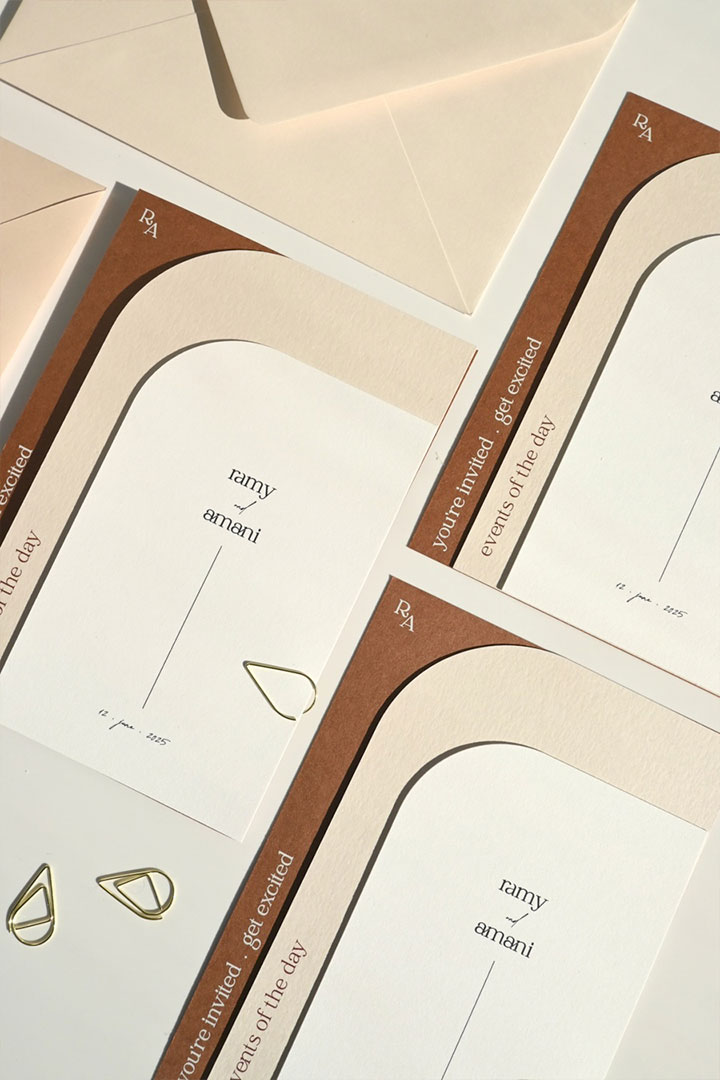
Quick rule of thumb: match the container to your invitation suite style. If your stationery is modern and minimal, a clean white gift box with a printed note card is the better fit than a rustic kraft bag. If your invitation uses a botanical watercolor motif, a kraft bag with a custom printed gift tag in the same colors ties the experience together.
Sourcing Items for DIY Welcome Bags
Good sourcing is what separates a welcome bag that feels curated from one that feels random. The goal is a mix of practical (water, snacks, pain relief) and personal (a local specialty, a note that shows you planned this for them).
Practical staples to source in bulk
- Water bottles or mini sparkling water cans. Buy from Costco, Sam’s Club, or restaurant supply stores for the best price.
- Single-serve snacks: mixed nuts, granola bars, pretzels, or chips.
- Gum or mints (individually wrapped).
- Ibuprofen or acetaminophen in 2-pack foil sachets (sold for event use, not loose pills).
- Electrolyte packets. Liquid IV or Emergen-C in single-serve stick packs are popular options.
Local and personal touches
- One specialty item from your region carries the most sentimental weight: a locally made jam, a regional chocolate bar, a small bag of coffee from a neighborhood roaster.
- A custom-printed note card or map of the area. This is the item guests keep.
- A small card listing your favorite local restaurants, late-night spots, or things to do if they have a free afternoon before or after the wedding.
Packaging supplies
- Tissue paper in your wedding colors.
- Ribbon or twine for wrapping.
- A luggage-style gift tag with the guest’s name and room number. This is especially useful at hotels so staff can sort delivery correctly.
- Kraft sticker seals or wax seals for paper bags.
Where to buy in bulk: Amazon Business, Costco, and restaurant supply stores like Restaurant Depot handle the practical goods well. For specialty snacks, local farmers markets or wholesale candy sites give you regional character at reasonable unit costs. Order early. Shipping delays on bulk orders have a way of arriving the week of the wedding if you leave it too late.
Designing and Printing Your Custom Inserts and Note Card
The custom note card is the most impactful item in the bag, full stop. It is the one thing that makes a welcome bag feel made for these specific people at this specific wedding, rather than assembled from a general gifting template. Guests keep a well-designed note card; they throw away the snack wrappers.
For the DIY route, you have three options:
Option 1: Match your wedding stationery suite (recommended)
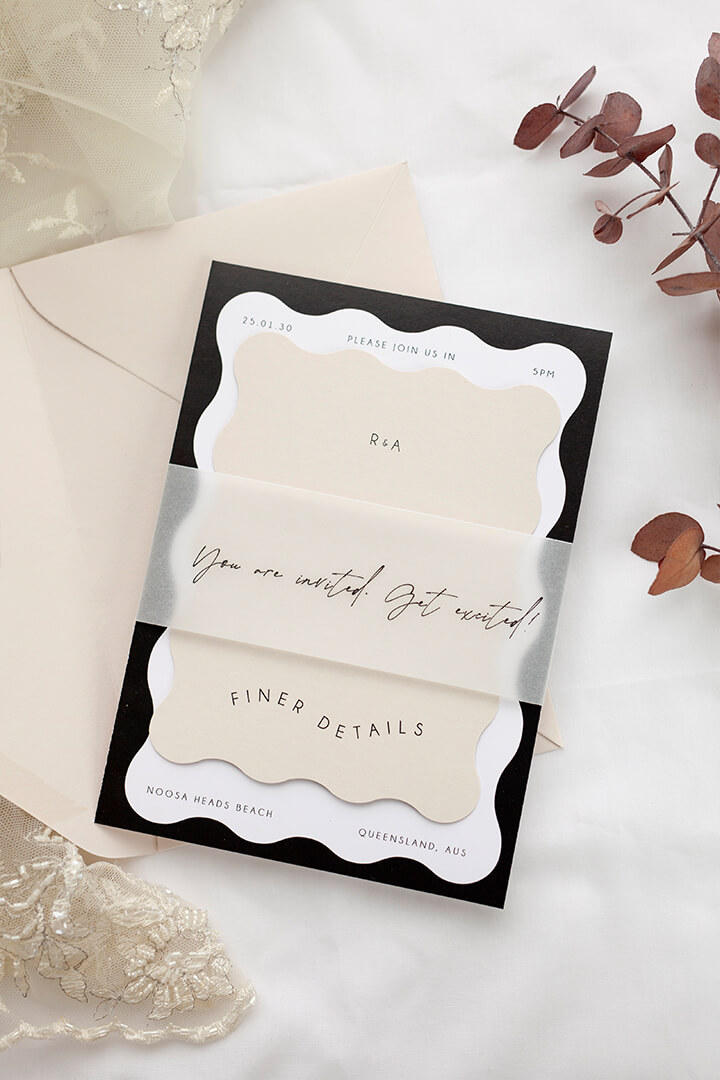
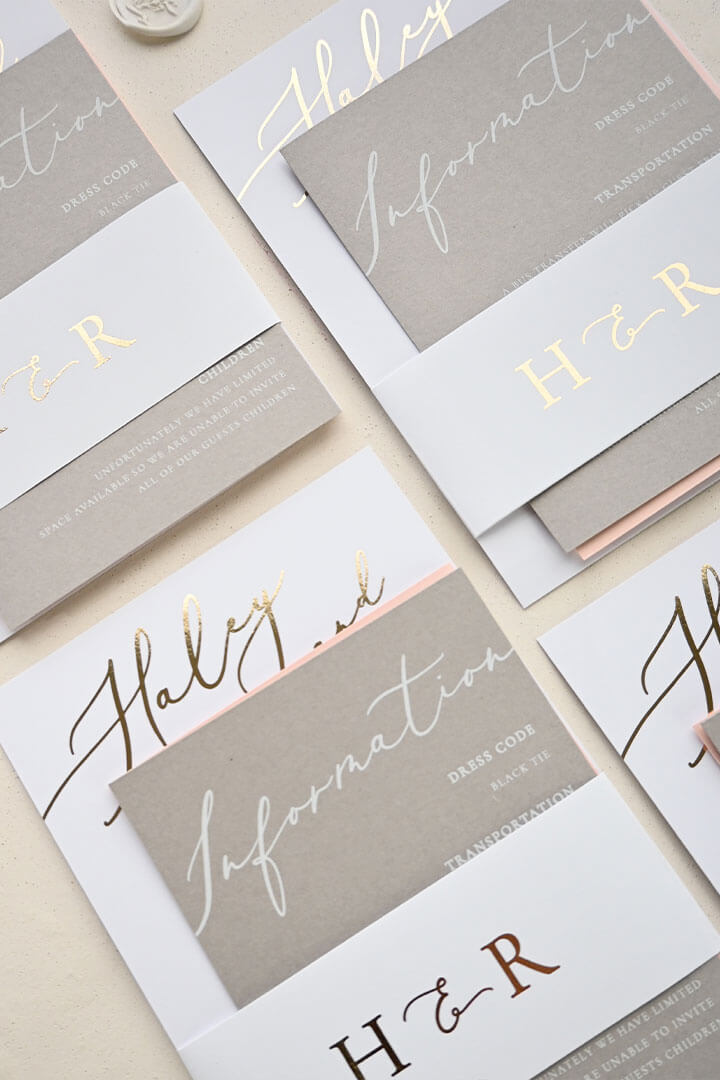
If your wedding stationery is already designed and ordered, ask your stationer about adding a note card or gift tag in the same design. At Paperlust, the same design file used for your invitations can be applied to a custom note card so the font, color palette, and motifs are identical. The result is a bag that feels like a cohesive part of your wedding stationery suite, not an afterthought.
Paperlust note cards are available in digital print (fastest, most affordable) and flat foil (gold, rose gold, silver, or one of ten additional metallic colors) for couples who want a finish that matches a foil invitation. Proofs come back within 1-2 business days.

Option 2: Design your own inserts
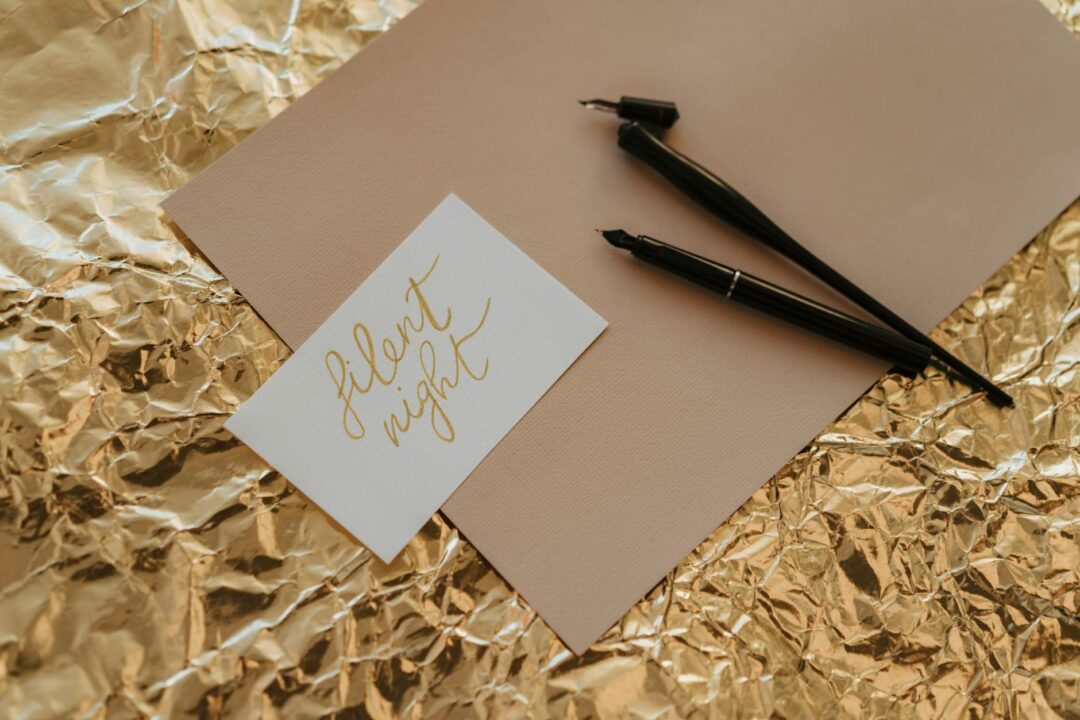
Tools like Canva make it straightforward to produce a welcome letter, itinerary card, or local area map that you print at home or through a local print shop. Keep the design simple: two colors, your wedding font if you have it, and a clean layout. Print on at least 120gsm card stock so it does not feel flimsy.
What to include on a printed insert:
- A warm personal welcome (2-4 sentences; see the note wording guide for templates).
- The wedding day schedule with times and locations.
- Venue address and parking information.
- Transportation details (shuttle times and pickup points if you are running one).
- A brief list of local recommendations or a simple neighborhood map.
Option 3: Handwritten notes
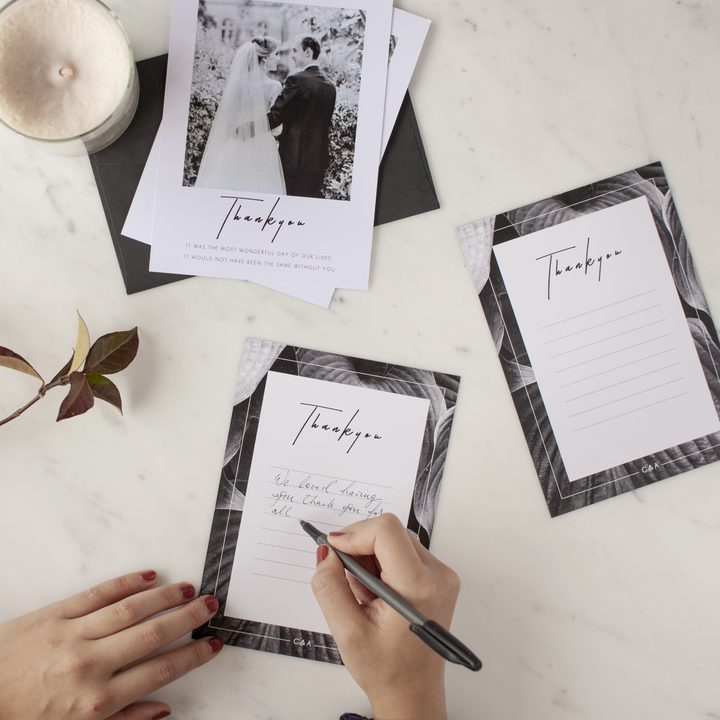
For small guest counts (under 30 bags) a handwritten note on heavyweight card stock is genuinely the most personal choice. Use a card that matches your stationery’s color scheme and write 3-5 lines to each group. Do not underestimate the time this takes: at 5 minutes per note you are looking at 2.5 hours for 30 bags.
Wording samples for a printed or handwritten note:
With love, [Names]
[Names]
For more wording templates, including formal and casual variations, visit the full welcome bag note wording guide.
Assembling Welcome Bags in Bulk: A Step-by-Step Process
Assembly is where most DIY welcome bag projects go wrong. People underestimate the time, set up no system, and end up with inconsistent bags and a chaotic workspace. The assembly-line method below is used by professional event gift companies and works just as well for home assembly.
Step 1: Count and verify your inventory
- Count every item against your guest count before you start. Add 5-10 extras to your order for spares, breakage, and last-minute additions to the guest list.
- Lay everything out by type so you can see at a glance if anything is short.
- Check for items that need special handling: perishable treats, fragile glass bottles, or items that could spill if tipped.
Step 2: Set up your packing station
- Use a long table or kitchen counter with clear zones: bags/boxes on the left, then each item type in the order it will go in, finishing supplies (ribbon, tags) on the right.
- Have a finished-bag staging area clearly separated from work-in-progress bags.
- Keep a checklist at the station with exactly what goes in each bag so helpers can work without constant questions.
Step 3: Pre-stage your bags
- Open all bags and line them up in a row.
- Add tissue paper or filler to all bags before any product goes in. This is faster done in one pass.
- For gift boxes: unfold and assemble all lids ahead of time and stack them separately.
Step 4: Run the assembly line
- Add one item type to all bags in a single pass before moving to the next item. Walk down the line adding water bottles to all bags, then snacks to all bags, then inserts to all bags.
- This single-item-per-pass method is 2-3x faster than stuffing one bag at a time.
- Place heavier items (water, heavy snacks) first, lighter items (mints, note cards) on top.
- Place the printed insert or note card last, visible at the top so guests see it first when they open the bag.
Step 5: Close and label
- Tie ribbon or twine consistently across all bags before moving on. Assign this task to one person so the finish looks uniform.
- Attach gift tags or luggage tags. If you are delivering to multiple hotels, mark hotel name and room number (or just hotel name if rooms are assigned later) on each tag now.
- A wax seal or kraft sticker across the top of paper bags gives a finished look in seconds.
Step 6: Box and stage for transport
- Pack completed bags into clean boxes or large bins for transport, standing upright so they do not tip.
- Label each transport box with the hotel name and number of bags inside.
- See the hotel welcome bag logistics guide for drop-off protocols and what to tell the front desk.
Realistic time estimates for a crew of 2-3:
| Batch size | Estimated assembly time |
|———–|————————|
| 25 bags | 2-3 hours |
| 50 bags | 4-5 hours |
| 75 bags | 6-7 hours |
| 100 bags | 8-9 hours |
| 150 bags | 12-14 hours |
Cost Comparison: DIY vs Curated Kits
The table below gives you real numbers for a mid-range welcome bag targeting 75 guests. Prices are approximate USD based on bulk purchasing in 2026.
| Item | DIY Cost (per bag) | Ready-Made (per bag) |
|---|---|---|
| Bag or box | $0.75 – $2.50 | Included |
| Water / drinks | $1.00 – $2.00 | Included |
| Snacks | $2.00 – $4.00 | Included |
| Pain relief / mints | $0.50 – $1.00 | Included |
| Custom printed note card | $1.00 – $3.00 | Generic or $5-$10 upgrade |
| Tissue paper + ribbon | $0.50 – $1.00 | Included |
| Local specialty item | $2.00 – $5.00 | Usually not included at base |
| Total per bag | $7 – $18 | $40 – $150 |
| Total for 75 guests | $525 – $1,350 | $3,000 – $11,250 |
| Your time investment | 6-7 hours (crew of 2-3) | 2-3 hours (decisions only) |
Key takeaways from the numbers:
- The biggest DIY savings come from bulk purchasing snacks and beverages yourself rather than buying pre-assembled kits.
- A custom printed note card adds only $1-$3 per bag to the DIY budget but delivers a disproportionate share of the perceived quality.
- Ready-made services vary enormously in what “included” means. Always confirm whether hotel delivery, luggage-style tagging, and a welcome note are part of the quoted price or charged separately.
- The hybrid approach (your own bags + your own snacks + a Paperlust note card and gift tag) typically lands at $10-$15 per bag and reduces assembly time by 30-40% compared to fully DIY.
Time Planning: When to Start Assembly
The single biggest mistake couples make with welcome bags is leaving assembly too close to the wedding. Here is a realistic backwards-planning timeline.
6-8 weeks before the wedding: Decide and design
- Lock in your guest count for out-of-town guests receiving bags.
- Choose DIY, ready-made, or hybrid.
- Design your custom note card and gift tag and place the print order. Paperlust proofs arrive in 1-2 business days, but allow time for edits and standard production.
- Decide on contents and identify where you will source each item.
4-6 weeks before: Source and order
- Order bags, boxes, and packaging supplies in bulk.
- Order non-perishable snacks in bulk (Amazon Business, Costco, restaurant supply).
- Confirm your note cards and gift tags are ordered and delivery is on track.
- Source your local specialty item from local markets, specialty food shops, or boutique online retailers.
2-4 weeks before: Receive and check inventory
- Count everything as it arrives. Flag shortfalls immediately. Reordering takes time.
- Check for damaged or unusable items (crushed boxes, missing tags, wrong quantities).
- Confirm hotel drop-off logistics and what time bags need to be there. See the hotel logistics guide for exact questions to ask the front desk.
1-2 weeks before: Assemble
- Run the full assembly session using the step-by-step process above.
- Pack completed bags into clearly labeled transport boxes.
- Keep perishable items out until 24-48 hours before drop-off.
1-2 days before: Deliver to hotel
- Drop off bags at hotel with a typed list of guest names, room numbers (if known), and any special notes for the front desk.
- Confirm the hotel’s bag distribution process: will they deliver to rooms, hand out at check-in, or leave at a designated table?
- Add any perishable items at this point if not already packed.
What if you are running behind? If you are inside two weeks and have not assembled yet, you can still do it with a focused session. Simplify your contents (drop anything that requires special prep or sourcing), call in help, and prioritize getting the note card right. It is the one element guests remember and photograph. Everything else is bonus.
FAQs
How much should I budget for DIY wedding welcome bags?
Plan for $7-$20 per bag for a practical, well-curated DIY welcome bag. At the lower end you get a kraft bag with water, snacks, mints, and a printed note card. At the higher end you are adding a reusable tote, local specialty items, and premium packaging. For 75 guests, that is $525-$1,500 total.
How early should I start assembling welcome bags?
Aim to complete assembly 1-2 weeks before the wedding. Source and order supplies 4-6 weeks out, and place your custom note card print order at least 6-8 weeks before the wedding to allow for proofing, edits, and production. Rushing print orders in the final week usually means paying for express production.
What is the most important item to include in a wedding welcome bag?
A custom printed note card or welcome letter. It is the only item that tells guests this bag was made specifically for them at your wedding, and it is the piece they keep long after the snacks are gone. The rest of the bag contents can be simple and practical. The note makes the difference.
Can I DIY welcome bags for a destination wedding?
Yes, but with adjustments. For destination weddings, shipping bulk supplies across the country or internationally is expensive and risky. A practical approach is to ship your custom printed note cards and gift tags (lightweight, non-perishable) from home, then source snacks and beverages locally at the destination the week before. Order a flat of local water from a grocery store near the venue and pick up regional snacks on arrival. This keeps shipping costs low while preserving the personal elements.
Is there a minimum order for Paperlust note cards?
Yes, minimum order quantities vary by print method. Digital print note cards have lower minimums, making them practical for smaller guest counts. Flat foil note cards have a minimum of 10 cards. Check the product page for current minimums, or contact Paperlust’s live chat for guidance before ordering.
How do I assemble welcome bags quickly for a large group?
Use the assembly-line method: open all bags first, add tissue paper to all, then add one item type to all bags before moving to the next item. This single-pass approach is 2-3 times faster than stuffing one bag at a time. With a crew of three people, 75 bags can be assembled in 5-6 hours.
What goes inside a wedding welcome bag?
See the complete what to put in a wedding welcome bag guide for a full list by category. In brief: a custom welcome note, water, snacks, pain relief, mints, a local specialty item, and the wedding weekend schedule. Keep bags practical and light. Guests are carrying them from check-in to their room.
Ready to design your custom welcome bag note card?
Match your note cards and gift tags to your wedding suite. Proofs in 1-2 business days.