
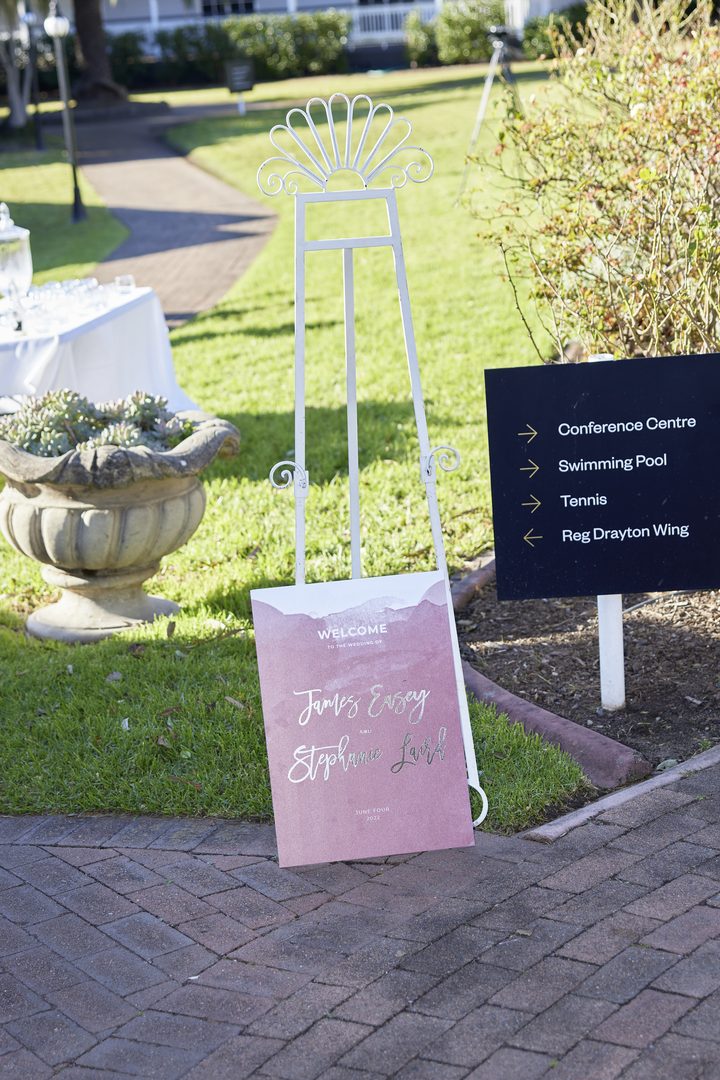
A tropical wedding is a full sensory experience – the sound of waves, the scent of plumeria, the warm glow of golden hour light over an ocean horizon. In 2026, tropical wedding design has moved beyond bamboo and fake leis into something genuinely sophisticated: lush florals, thoughtful palettes, and the kind of relaxed elegance that only warm-weather destinations deliver. Whether you are planning a Hawaii elopement or a Florida Keys celebration for 200, this guide has everything you need.

- Top destinations: Hawaii, Florida Keys, Tulum, Puerto Rico, Caribbean islands
- Color palette: Coral, turquoise, ivory, warm gold, deep tropical greens
- Key florals: Orchids, plumeria, anthurium, monstera, birds of paradise
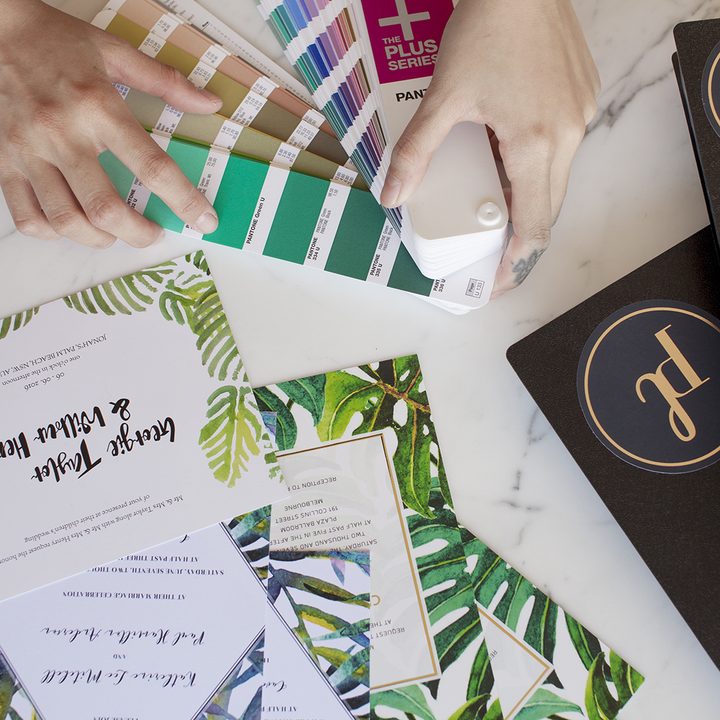
- Stationery vibe: Watercolor botanicals, bright linen paper, foil on deep jewel backgrounds
- Attire: Flowy gowns, linen suits, open-toe footwear
- Timing tip: Avoid peak hurricane season (August-October) for Caribbean and Gulf destinations
Choosing Your Tropical Wedding Destination
The destination sets every other decision. Each tropical region has a distinct character – choose the one that matches the atmosphere you want to create for your guests.
Hawaii
Hawaii is the gold standard for tropical weddings in the US. Maui, Oahu, Kauai, and the Big Island each offer distinct landscapes – from Maui’s black-sand beaches to Kauai’s lush cliffside ridges. Local florists have access to the most authentic tropical blooms, and the light quality for photography is exceptional year-round.
Florida and the Florida Keys
The Florida Keys offer accessible destination wedding vibes without requiring international travel. Key West in particular has a deeply romantic atmosphere, established wedding vendor infrastructure, and open-air venues with ocean views. Miami offers a more urban-tropical aesthetic for couples who want to merge beach and skyline.
Tulum, Mexico
Tulum has become one of the most sought-after wedding destinations in North America for couples who want jungle, ruins, and cenote access alongside pristine beach ceremonies. The aesthetic is organic and luxurious – boutique hotels surrounded by jungle, open-air cenote dinners, and candlelit beach receptions.
Puerto Rico
A US territory that requires no passport for American couples and guests, Puerto Rico offers colonial architecture in San Juan, rainforest backdrops, and some of the Caribbean’s most beautiful beaches. The wedding industry is well-developed and English-speaking.
The Tropical Color Palette
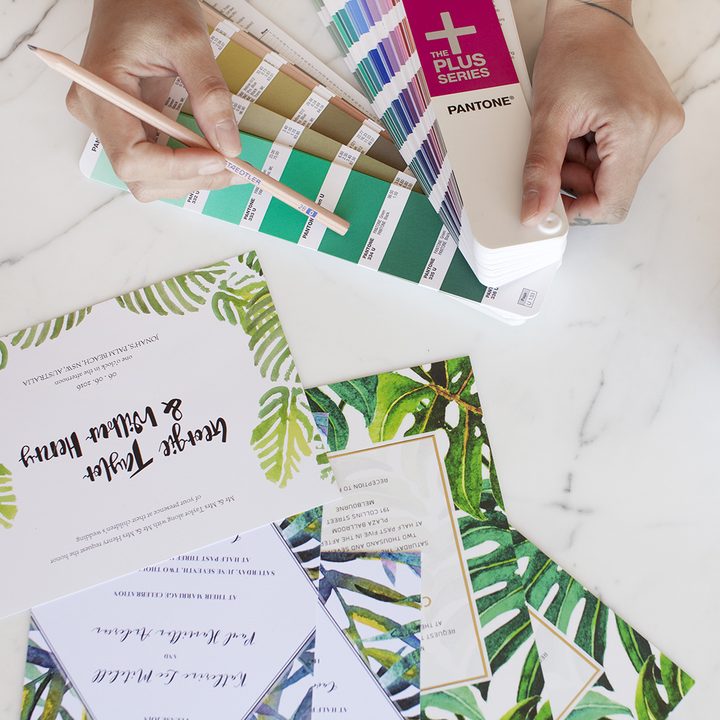
Tropical palettes in 2026 lean toward sophisticated rather than neon. The approach is to use nature’s colors – coral reef pinks, ocean turquoise, jungle greens – but apply them with restraint:
| Palette | Primary Colors | Accent | Vibe |
|---|---|---|---|
| French Polynesian | Coral, mustard, ivory | Deep tropical green | Upscale island luxury |
| Ocean Modern | Turquoise, ivory, sand | Warm gold | Clean beach elegance |
| Jungle Romantic | Deep green, blush, cream | Terracotta | Lush and intimate |
| Sunset Tropical | Hot pink, orange, coral | Gold leaf | Bold and celebratory |
Tropical Wedding Florals
Tropical florals are arguably the most distinctive element of this wedding style – there is nothing quite like plumeria, orchid, and anthurium at scale. In 2026, the trend is toward abundant, textural arrangements that feel like the jungle and the reef came to the party together.
Signature Tropical Flowers
- Orchids (especially white, purple, and hot pink dendrobium) – the backbone of most tropical arrangements
- Plumeria – warm, fragrant, and iconic; perfect for leis and table posies
- Anthurium – dramatic, architectural, long-lasting
- Bird of Paradise – tall, sculptural, unmistakably tropical
- Garden roses in mustard and coral – for a French Polynesian-meets-island aesthetic
Complementary Greenery
- Monstera leaves – oversized and graphic, works as both foliage and statement piece
- Palm fronds – movement and texture in ceremony arches
- Pampas grass – adds a modern editorial quality to tropical arrangements
- Lau’a’a fern (if in Hawaii) – authentically local and beautiful in leis and hair arrangements
Decor and Tablescapes
Ceremony Setup
Natural wood arches draped with orchids and greenery are the tropical ceremony standard. Rattan or bamboo guest chairs, a coconut shell welcome bag at each seat, and an aisle lined with tropical foliage and scattered plumeria petals set the scene. For beach ceremonies, consider a fabric arch rather than a rigid wood frame – it moves beautifully in the ocean breeze.
Tablescapes
Tropical tablescapes mix organic textures with warm, vibrant blooms. Key elements include: woven wicker chargers, hand-painted linens with botanical motifs, citrus fruits mixed into floral centerpieces, and fresh tropical flowers as napkin adornments. Avoid overly formal white linen – a natural, sun-bleached linen or a bold jewel-tone cloth works much better in a tropical setting.
Guest Touches
Greenery leis for guests (a Hawaiian tradition symbolizing warmth and welcome), fresh orchid flower crowns available for bridesmaids and guests, and orchid-garnished signature cocktails (think lilikoi margarita or hibiscus spritz) make your tropical wedding feel immersive rather than just decorative.
Tropical Wedding Stationery
Your stationery signals the experience before guests even arrive. Tropical wedding invitations should be vibrant but not cartoonish – the goal is inviting, not theme-party.
Best Approaches
- Watercolor botanicals: Hand-illustrated orchids, monstera, or plumeria on a cream or ivory base – warm and personal
- Flat foil on deep jewel stock: Gold foil text on deep teal or forest green card stock for a dramatic, high-end look
- Linen-texture paper: A more relaxed, organic option; pairs well with a loose script font and a palm leaf illustration
- Digital print with vivid color: Full-bleed tropical illustration around the card border, with clean text in the center
Design tropical wedding invitations that set the scene
Vibrant digital print, gold flat foil on jewel-tone stock, and more – from $2.04 per card
Pair your invitations with equally vivid save the dates – destination weddings need 9-12 months notice, so send your save the dates as soon as your venue is confirmed. A destination save the date with travel information and your wedding website URL is standard.
Attire for a Tropical Wedding
Wedding Gown
For a beach or outdoor tropical ceremony, lightweight and breathable fabrics are non-negotiable. Chiffon, organza, and light silk are all good choices. A flowing A-line or column gown moves beautifully in a beach breeze. Avoid structured ballgowns with heavy underskirts – they photograph beautifully but are genuinely uncomfortable in tropical heat.
Suit and Resort Wear
Linen is the tropical groom’s best option – it breathes, it moves, and it photographs in a way that reads as relaxed elegance. Linen suits in warm ivory, tan, sand, or sage are all on-trend for 2026. Some tropical couples opt for tropical guayabera shirts for a more authentic destination feel. Avoid black wool suits – they absorb heat and look out of place on a beach.
Footwear
Open-toe sandals, nude strappy heels, or even barefoot for beach ceremonies. Bridesmaids in flat sandals that match the palette. Groomsmen in leather sandals or light loafers. The practical rule: if your footwear cannot handle sand or grass, reconsider.
Food, Drinks, and Catering
Menu Ideas
Lean into local flavors. In Hawaii: poke, grilled fresh fish, taro-based dishes, lilikoi and guava desserts. In Florida: stone crab, grilled shrimp, key lime pie. In Tulum: fresh ceviche stations, grilled street-style tacos elevated to reception quality, agua fresca bars. The most memorable tropical wedding menus use local ingredients prepared with culinary sophistication.
Signature Cocktails
A signature cocktail station is almost mandatory at a tropical wedding. Popular options: lilikoi (passion fruit) margarita, hibiscus spritz with prosecco, classic piña colada elevated with fresh pineapple juice, spicy watermelon mezcal. Name them after the couple or the destination.
Planning Tips for a Destination Tropical Wedding
- Book 12-18 months ahead for popular Hawaii and Tulum venues – availability is tight year-round
- Avoid hurricane season (June-November for the Gulf and Caribbean; August-October is peak risk)
- Hire local vendors wherever possible – local florists know which blooms are actually available and at what quality
- Plan for shade and heat – provide fans, cold towels at cocktail hour, and parasols for outdoor ceremonies in direct sun
- Build in a day-before and day-after experience – guests who travel this far want more than just the wedding day
- Send travel information early – detailed accommodation blocks, airport options, and a digital wedding website help guests plan and commit
Tropical Wedding Photography Tips
Tropical light is extraordinary – but it requires planning to capture well. Flat noon sunlight bleaches color and creates harsh shadows; golden hour light transforms everything it touches. Here is how to work with tropical light rather than against it.
Timing Your Shots
The golden hour before sunset is your primary photography window. In Hawaii and the Caribbean, golden hour typically runs 5:00-6:30 PM depending on season. Build your ceremony and portrait timeline backward from this window. A 3:00 PM ceremony followed by a 4:00 PM cocktail hour and a 4:45 PM portrait session positions you perfectly for golden hour beach portraits at 5:30 PM.
Shade Management
Midday sun between 11 AM and 3 PM is typically harsh and unflattering for portraiture. If your ceremony must fall in this window, position it under tree shade, under an arch with a fabric canopy, or in a covered pavilion. Dappled shade under palms is more flattering than full tropical sun and creates a more interesting quality of light in photographs.
Handling Wind and Ocean Conditions
Beach ceremonies involve real wind – which is beautiful in photographs when managed, and chaotic when not. Discuss with your photographer how to position the arch and guests to use wind direction advantageously. A flowing chiffon gown in a sea breeze photographs beautifully; an upswept hair arrangement in the same breeze does not. Plan accordingly.
Underwater and Cenote Portraits
If your destination includes access to a cenote, lagoon, or calm ocean water, consider an underwater portrait session. Destination wedding photographers increasingly offer this as a separate session on the day before or after the wedding. The resulting images are genuinely unlike anything else and translate the destination in a way that surface portraits cannot.
Guest Experience: Making a Destination Wedding Genuinely Special
Guests who travel to a destination wedding make a significant commitment of time, money, and vacation days. The responsibility of the couple is to make that commitment feel thoroughly worthwhile through the entire experience – not just the wedding day itself.
The Welcome Bag
A welcome bag in each guest’s hotel room is the standard destination wedding hospitality gesture. Contents that work: a local snack or food item unique to the destination, a custom itinerary card for the wedding weekend, sunscreen and insect repellent, a branded tote bag for beach days, and a handwritten note from the couple. Keep it practical and locally inspired.
The Wedding Weekend
A destination wedding is most rewarding when it extends across a full weekend or 3-4 days. Consider: a welcome dinner or cocktail party on the eve of the wedding, daytime activities (snorkeling, hiking, beach day) on the wedding day morning, and a farewell brunch the day after. This gives guests who have traveled the content to justify the trip and creates a richer shared experience than a single-day event.
Local Experiences
Building in authentic local experiences – a luau for Hawaii guests, a rum tasting in the Caribbean, a cenote visit in Tulum – shows guests that the destination is more than a backdrop. These experiences become the stories guests tell for years after the wedding, and they are often the most memorable elements of the entire trip.
Tropical Wedding Cake and Dessert Ideas
The wedding cake at a tropical destination wedding is an opportunity that many couples underuse. Rather than defaulting to the standard tiered fondant cake, consider dessert concepts that reflect the location and climate.
Tropical Flavors Worth Considering
Local flavors are your starting point. In Hawaii: lilikoi (passion fruit) curd filling, coconut cake with toasted coconut exterior, guava and cream cheese. In Florida and the Caribbean: key lime, mango, fresh pineapple, rum-soaked sponge. In Tulum: hibiscus, cajeta caramel, Mexican chocolate. A cake that tastes like the destination is both a culinary and a narrative choice – it tells the story of where you are.
Heat-Stable Finishing Techniques
A tropical climate creates real challenges for traditional fondant-covered or buttercream-finished cakes. Fondant becomes tacky in humidity; buttercream can slide in heat above 80 degrees. Work with your pastry chef to choose heat-stable finishes: Swiss or Italian meringue buttercream (more stable than American), fondant with a dry air-conditioned pre-ceremony window, or a fresh flower-decorated naked cake that requires no buttercream exterior at all.
Dessert Bar as Alternative
A tropical dessert bar – with individual portions of local pastries, fruit-based desserts, churros, and a small cutting cake for the ceremony – distributes the dessert experience across the reception rather than centering it on one moment. This format works better in outdoor tropical settings where heat management of a full tiered cake is logistically challenging.
Tropical Wedding Favors That Guests Actually Keep
Wedding favors have a poor reputation for ending up discarded. Tropical destinations offer an opportunity to give favors that guests genuinely want and will use.
Favors That Work
- Local specialty food items: Hawaiian macadamia nut honey, local hot sauce, artisan sea salt from the region, local coffee or tea – consumable, destination-specific, and genuinely appreciated
- Custom sunscreen or after-sun: Practical at a tropical wedding; branded with the couple’s name and date
- Seed packets: Native tropical plant seeds (when agricultural rules allow for bringing back across borders) or locally native flowering plants
- Custom woven friendship bracelets: Made by local artisans in the wedding colors; a souvenir that connects the favor to the craft traditions of the destination
- Personalized stationery set: A few notecards in the wedding’s design language – guests who attended a beautiful wedding appreciate something that lets them share it with others through written correspondence
Frequently Asked Questions
What is the best time of year for a tropical wedding in Hawaii?
April through June and September through early November are the sweet spots – lower humidity, less rainfall, and lighter tourism than peak summer. December through March can bring rain to the windward sides of the islands. The leeward (western and southern) coasts are reliably dry year-round.
How much does a destination tropical wedding cost?
A modest destination wedding in Hawaii for 50 guests might run $30,000-$60,000 including venue, catering, florals, and travel for the couple. Larger productions at luxury resort properties can reach $150,000 or more. Tulum and Puerto Rico often offer more competitive pricing for comparable quality.
What should tropical wedding invitations include?
All the standard details plus: a travel block section or separate travel card with accommodation recommendations, your wedding website URL, a note about the dress code appropriate to the climate (often “resort formal” or “tropical formal” rather than strict black tie), and the destination’s country or state for international guests unfamiliar with the location.
Can tropical wedding flowers be kept after the wedding?
Many tropical flowers dry beautifully – orchids, protea, and pampas grass all make excellent dried arrangements. Ask your florist to set aside a handful of blooms for drying. Fresh plumeria and anthurium do not dry as well but are often pressed successfully.
What is “resort formal” dress code for a tropical wedding?
Resort formal means: floor-length or midi gowns for women in light fabrics and bright or pastel colors; linen suits, pressed trousers with a linen shirt, or a tropical guayabera for men. It signals “dress up, but not black tie” and acknowledges the tropical setting.