
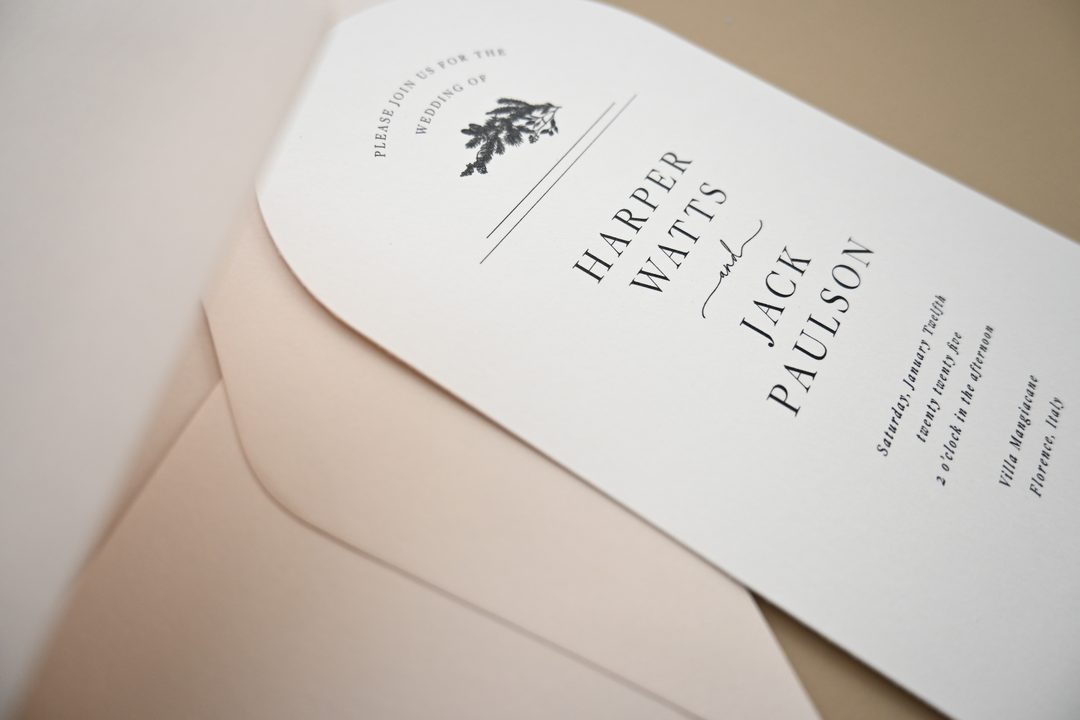
Champagne is not gold. It is not blush. It sits in a category of its own: a warm, luminous neutral that flatters every skin tone, pairs with almost any accent color, and reads as quietly luxurious in every venue from barn to ballroom. If you are drawn to a palette that feels timelessly elegant without feeling cold or overly matchy, a champagne wedding may be the direction you have been looking for.
This guide covers everything you need to build a cohesive champagne wedding from the ground up, including exact color combinations with hex codes, invitation styles, floral and decor choices, attire guidance, and ideas for every season.
- Defining hue: Warm beige-gold, softer and earthier than metallic gold, distinct from blush or ivory
- Best accent colors: Gold, blush, sage green, navy, dusty rose, terracotta, pewter
- Hex code for champagne: #F7E7CE (light), #E8C97A (warm champagne), #D4AF6F (golden champagne)
- Themes it suits: Garden, ballroom, vineyard, barn, coastal, boho, classic formal
- All seasons: Works year-round; gold accents warm it for autumn/winter, florals cool it for spring/summer
- Invitation finishes: Flat foil gold, letterpress on cotton stock, metallic print, foil stamp
- Paperlust starting price: from $2.04 per card (digital print)
Why Champagne Works as a Wedding Palette
Champagne sits at the intersection of warm and neutral. Unlike pure white (which can read clinical) or gold (which can feel heavy), champagne holds warmth without demanding attention. It reads differently depending on what it is paired with: alongside ivory linens it feels ethereal; next to sage greenery it feels organic and garden-fresh; beside navy it becomes crisp and formal.
The color photographs beautifully. In natural light, champagne reads as a soft luminous gold. In candlelight it glows. Photographers tend to love it because it adds warmth to skin tones without introducing the color casts that come with bolder palettes. If you want photos that look timeless in twenty years, champagne is a reliable choice.
It is also one of the most versatile palettes for a mixed bridal party, because champagne-toned gowns and suits flatter a wide range of complexions and are available at every price point.
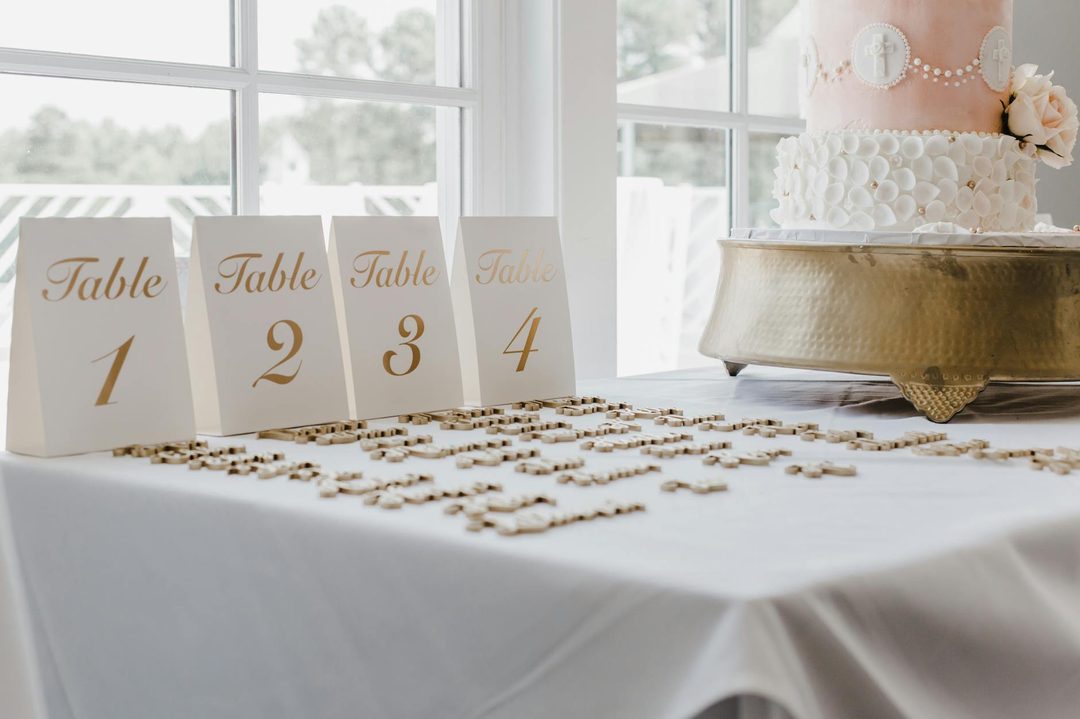

Core Champagne Palette Combinations
Below are four proven combinations with specific hex codes and styling notes.
Champagne and Gold
The classic pairing. Champagne plays the soft neutral field while gold handles the metallic accent work.
| Color | Hex | Use it for |
|---|---|---|
| Light champagne | #F7E7CE | Linens, invitation background, bridesmaid fabric |
| Warm champagne | #E8C97A | Floral ribbon, candle holders, charger plate edge |
| Gold (accent) | #C9A843 | Foil on invitations, cutlery, signage lettering |
| Ivory (softener) | #FFFFF0 | Envelope liners, vellum overlays, table napkins |
Styling note: Use a 60-30-10 ratio. Champagne fills 60% of your surfaces (linens, walls, gowns). Gold handles 30% of accents (hardware, invitation foil, centerpiece vessels). Ivory or cream fills the remaining 10% as a softening element. This stops the palette from reading too heavy or metallic.
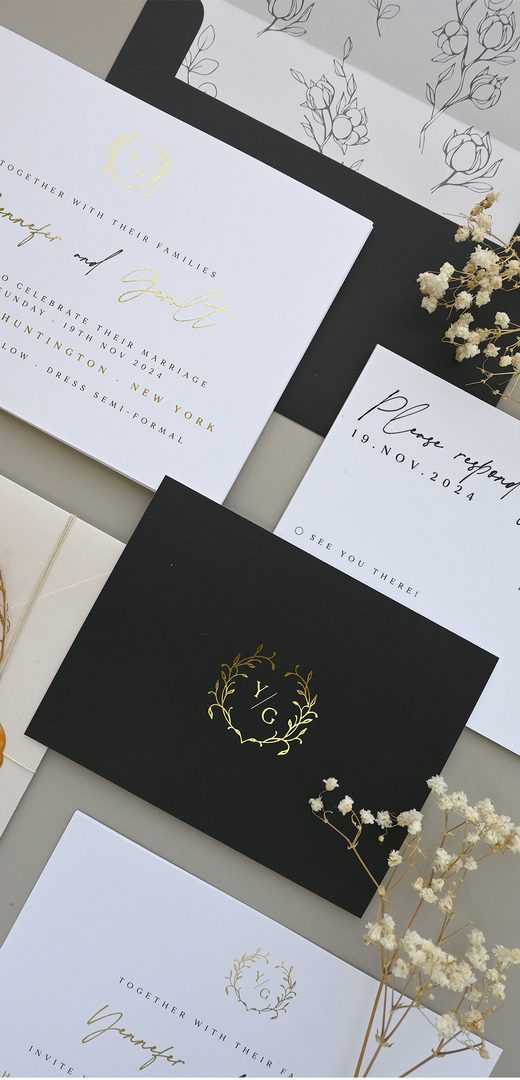
Invitation fit: Flat foil gold lettering on a champagne-toned matte card stock is the most popular execution. Foil stamp on cotton stock adds a tactile pressed quality that elevates the suite further.
Champagne and Blush
A romantic combination that sits squarely in the warm-and-feminine category without tipping into overly sweet territory.
| Color | Hex | Use it for |
|---|---|---|
| Champagne | #E8C97A | Bridesmaid gowns, linen base, stationery background |
| Blush pink | #F2C4CE | Florals, napkins, ribbon, table runner |
| Rose gold (accent) | #B76E79 | Foil printing, geometric candle holders, cake tier |
| Warm white | #FAF6F1 | Bridal gown, envelope, letter pressed details |
Styling note: Keep blush as a true accent rather than a co-dominant color. A blush runner on a champagne linen reads as intentional and elegant. A room split 50-50 between blush and champagne can read as a single muddy warm-pink.
Invitation fit: Rose gold foil on a blush or champagne card stock, or metallic print (subtle warm pigment) on a cream matte stock.
Champagne and Sage Green
This combination has seen a surge in popularity for garden, vineyard, and greenhouse weddings. The sage introduces a cool organic note that stops champagne from feeling too warm or heavy indoors.
| Color | Hex | Use it for |
|---|---|---|
| Champagne | #F7E7CE | Linen, invitation stock, bridal robe |
| Sage green | #87A878 | Bridesmaid gowns, foliage, velvet napkins, menu print |
| Warm ivory | #FFFFF0 | Ceremony backdrop, envelope liner, ribbon |
| Gold (light touch) | #C9A843 | Invitation foil, candleholders, place card holders |
Styling note: Sage works because it introduces enough contrast to make champagne pop without bringing in a loud complementary color. Dried botanicals (pampas, eucalyptus, olive branch) reinforce both tones simultaneously.
Invitation fit: Sage ink on a warm ivory card stock, with a gold foil monogram or envelope liner. Letterpress on 600gsm Wild Cotton stock suits this palette well.
Champagne and Navy
For couples who want the warmth of champagne anchored by something more dramatic and formal, navy is the answer. The contrast between deep navy and soft champagne creates a palette that reads simultaneously glamorous and classic.
| Color | Hex | Use it for |
|---|---|---|
| Champagne | #F7E7CE | Ceremony backdrop, invitation background, bridesmaids |
| Navy | #1F305E | Groomswear, menu card stock, ceremony program cover |
| Gold (bridge) | #C9A843 | Envelope wax seals, invitation foil, cutlery |
| Ivory | #FFFFF0 | Floral accents, ribbon, vellum details |
Styling note: This palette benefits from letting navy stay dark and dramatic. Avoid lightening it to a dusty or slate blue, which loses the contrast that makes the combination work. Gold acts as the bridge between the two poles.
Invitation fit: Champagne invitation stock with navy ink lettering and a gold foil monogram is a standout combination. Alternatively, a navy card stock with champagne-toned foil lettering inverts the palette for a moodier, formal feel.
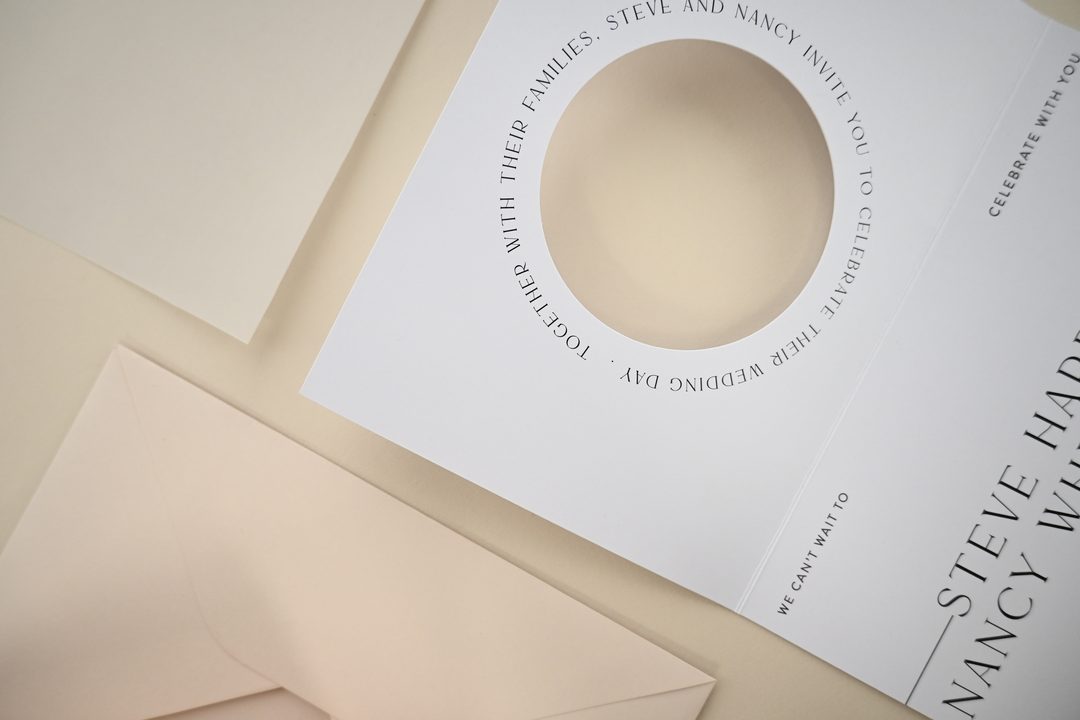
Champagne Wedding Invitations
Your invitation suite is the first physical expression of your palette. It sets the tone before guests step foot in your venue. For a champagne wedding, the most successful invitation styles are those that carry warmth, texture, and a sense of considered craftsmanship.
Print Methods That Suit a Champagne Palette
Flat foil is the most popular finish for champagne weddings because gold or rose gold foil against a warm matte stock immediately evokes champagne’s characteristic warmth. The foil reflects light softly rather than harshly, adding a luminous quality without overpowering the design. Minimum order of 10 cards.
Foil stamp goes a step further. The custom die creates a pressed deboss impression alongside the metallic finish, which adds a tactile, heirloom quality. Particularly effective for monograms and detailed botanical illustrations. Minimum order of 50 cards.
Letterpress on 300gsm or 600gsm Wild Cotton paper works beautifully in a champagne palette. The impression pressed into the thick cotton stock has a handcrafted weight that pairs naturally with dried floral arrangements, ribbon, and the organic textures common in champagne weddings. Note that letterpress is not available as a $15 custom sample; order a $5 sample pack to see the print method quality instead.
Metallic print is the most affordable way to introduce a gold shimmer. The dry-toner pigment produces a subtle, warm metallic glow across the entire design without the mirror-bright intensity of foil. From $2.04 per card.
Browse the full range of wedding invitations at Paperlust, where you can filter by print method, color, and style to find designs that suit a champagne palette.
A designer proof is delivered within 1-2 business days after ordering, and two rounds of edits are included at no extra charge. Orders over $350 USD ship free via DHL Express.
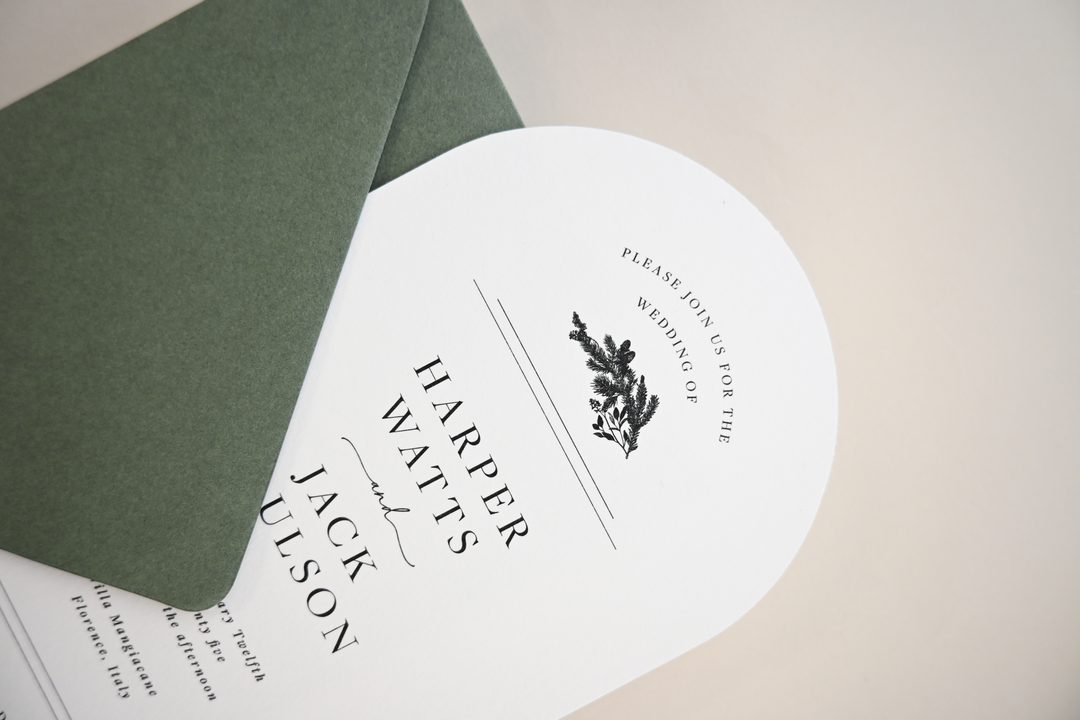
Champagne Wedding Decor and Florals
Flowers for a Champagne Wedding
The best floral choices for champagne weddings are those that carry warmth in their petals, or introduce a strong green or textural contrast that makes the champagne base read more intentional.
Warm-toned florals: Garden roses in ivory, cream, and pale peach. White ranunculus (their multiple fine petals scatter light in a way that photographs beautifully). Champagne or blush peonies in season (spring and early summer). White or pale yellow dahlias for late summer and autumn. Dried pampas grass as a structural accent.
Greenery and texture: Eucalyptus is the workhouse greenery for champagne weddings, adding a silvery-green note that complements both the neutral base and any gold accents. Olive branches introduce Mediterranean warmth. Dried cotton stems and bleached ruscus extend the dried botanical aesthetic that suits champagne palettes in autumn and winter.
Structural choices: Tall candelabras with taper candles bring a ballroom quality to a champagne reception. Low, lush centerpieces in gold vessels work in more casual or garden settings. A mix of both heights at different tables adds visual movement.
Table Styling
Champagne tablescapes look strongest when they play with texture rather than color contrast. Since the palette is narrow, texture is what creates visual richness.
- Linen: Champagne, ivory, or warm white linen. A matte linen reads warmer and more textural than satin.
- Charger plates: Hammered gold or brushed champagne. Avoid high-gloss chrome, which introduces a cold note.
- Glassware: Gold-rimmed coupe or wine glasses. Amber-tinted glass also works in autumn settings.
- Napkins: Ivory or blush linen folded with a dried sprig or ribbon tie.
- Place cards: Vellum with gold foil lettering pairs back to the invitation suite perfectly. Paperlust offers wedding place cards in the same print methods as the invitation range, so your suite carries a consistent finish through to the day-of stationery.
Lighting
Candlelight is the natural companion to a champagne wedding. Warm-temperature Edison bulb string lights, pillar candles at varied heights, and taper candles all reinforce the golden warmth of the palette. Avoid cool blue or white LED lighting, which strips warmth from the color scheme and makes champagne linens read grey or yellow depending on the angle.
Attire for a Champagne Wedding
The Bridal Gown
Champagne is a popular gown color choice in its own right. It is distinct from ivory (cooler, more cream) and from gold (too metallic for most silhouettes). A champagne gown sits warmly against most skin tones, making it a strong choice for brides who find true white feels harsh.
Fabric choices that suit champagne gowns: charmeuse silk (luxurious drape with natural sheen), chiffon (lightweight for outdoor and garden ceremonies), lace with a champagne lining beneath (adds warmth to the lace without changing the silhouette).
Bridesmaids
Champagne-toned bridesmaid gowns tie the bridal party seamlessly into the palette, particularly in photos. For variety, mix different champagne-adjacent tones (light gold, warm ivory, soft blush) within the party for an effortless, cohesive look.
Sage green is the most popular alternative when couples want their bridal party in a distinct color. Navy is the choice for a more formal contrast.
Groomswear
In a champagne and gold palette, the strongest groomswear choices are:
- Champagne or linen suit: Matches the palette entirely; works well in relaxed garden or outdoor ceremonies.
- Navy suit: Creates the formal champagne-and-navy contrast. A champagne or ivory tie and pocket square ties it back.
- Charcoal or warm grey: A more neutral masculine option that reads as modern and works in ballroom settings.
Real-Example Styling Ideas
The Vineyard Lunch: Champagne and sage on long rustic tables. Low centerpieces of white garden roses, rosemary, and olive branch in raw terracotta pots. Linen table runners. Letterpress menus on thick cotton stock. Gold cutlery. Afternoon light doing most of the work.
The Ballroom Evening: Champagne and navy in a classic formal room. Round tables with tall candelabras, navy tablecloth base, champagne runner, white floral toppers. Gold charger plates. Foil-stamp invitation suite in champagne and gold. Black tie dress code.
The Garden Ceremony: Champagne and blush in an outdoor setting. Dried pampas ceremony arch. Champagne bridesmaid gowns in different silhouettes. White garden roses and dried florals. Low candle clusters on the reception tables. Warm string lights overhead.
The Coastal Winter: Champagne and dusty blue for a winter coastal venue. Bleached driftwood and sand dollar details. Ivory and blush florals with eucalyptus. Champagne linen, blue velvet napkins, gold cutlery. A palette that manages to feel both beachy and formal.
Champagne Weddings by Season
Spring and Summer: Lean into fresh garden elements. Peonies, ranunculus, and garden roses in season. A sage or greenery accent. Lightweight linen and chiffon. Outdoor ceremonies and garden venues.
Autumn: Dried botanicals come into their own here. Pampas, cotton, wheat, and dried roses sit naturally in a champagne palette. Layer in terracotta or dusty rose for warmth. Warm candlelight. Barn, vineyard, and industrial-warm venues.
Winter: Amplify the gold accent and introduce deeper tones (navy, charcoal, deep green). Champagne velvet linens. Rich candlelight. Tall floral arrangements with white and blush flowers, greenery, and dramatic candelabras. Ballroom venues where the warmth of the palette counteracts the cold outside.
Frequently Asked Questions
What is champagne color for a wedding?
Champagne is a warm, soft beige-gold. It sits between ivory (cooler, more cream) and gold (bright metallic) on the color spectrum. The closest hex approximation is #F7E7CE for a light champagne, or #E8C97A for a more golden champagne. It is distinct from blush (which has pink undertones) and from ivory (which reads almost white). Champagne always has a warm, slightly golden quality that makes it read luminous rather than washed out.
Is champagne the same as gold for a wedding palette?
No. Gold, particularly metallic gold, is bright and mirror-like. Champagne is soft and muted. Gold functions as an accent color in most champagne wedding palettes, appearing in foil details, hardware, and metallic finishes, while champagne itself fills the larger neutral surfaces like linen, gowns, and invitation stock. Using pure gold everywhere overwhelms a palette; champagne as the base with gold accents is the more balanced approach.
What colors go best with champagne for a wedding?
The four most popular combinations are: (1) champagne and gold for a classic formal look, (2) champagne and blush for romantic warmth, (3) champagne and sage green for a garden or organic feel, and (4) champagne and navy for a dramatic formal contrast. All four can also layer in ivory and cream as softening secondary neutrals.
What invitation finishes suit a champagne wedding?
Flat foil (gold, rose gold, or pale gold) is the most popular choice, as the metallic sheen echoes the champagne palette. Foil stamp adds a tactile pressed quality for a more formal suite. Letterpress on thick cotton stock brings a handcrafted heirloom quality that suits organic and garden champagne themes. Metallic print is a more affordable option with a subtle warm-gold pigment.
Can a champagne wedding work in any season?
Yes. Champagne’s warmth adapts across all four seasons by adjusting the accent color and floral choices. In spring and summer, fresh greenery and soft florals keep it light and garden-fresh. In autumn, dried botanicals and terracotta accents lean into the warm earthiness. In winter, deeper accent colors (navy, charcoal) and rich candlelight make champagne feel dramatic and luxurious rather than pale.
How do I make a champagne wedding look intentional rather than beige?
Texture is the answer. A champagne wedding that relies on flat color alone can read flat or unfinished. The palettes that stand out use varied textures: linen versus velvet versus hammered gold versus matte card stock versus dried botanical versus polished glass. Layering these materials in the same warm-neutral family creates depth without needing to introduce strong color contrast.
Related reading:
- Gold Wedding Theme: Decor, Invitations and Real Examples
- Sage Green Wedding: Color Palette and Styling Guide
- Blush Wedding Colors: How to Build a Romantic Palette