

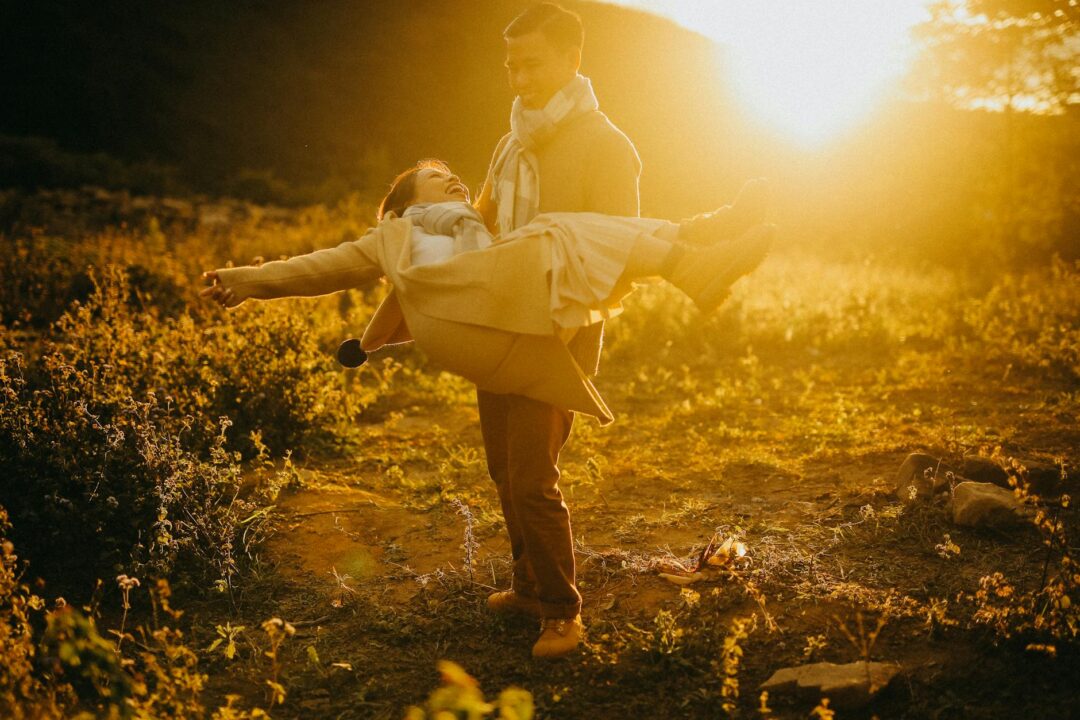


An engagement photoshoot is one of the most enjoyable and practical steps you can take between saying “yes” and walking down the aisle. You get real, candid images that capture the two of you right now, and you leave with photos you can actually use, on your save-the-dates, wedding website, announcements, and even your reception guest book. More than that, a shoot gives you a chance to build real comfort in front of the camera and test your connection with your photographer long before the wedding day pressure arrives.
This guide covers everything: when to book, how to choose the right location, what to wear across every season, 50+ natural poses described in plain language, a printable prep checklist, and a full breakdown of how to put your images to work. Whether you are planning a golden-hour field session, a downtown city shoot, or something low-key in your own backyard, the information here will help you walk into your session confident and walk out with photos you love.
- Book your engagement session 3-9 months before the wedding, especially if you need photos for save-the-dates.
- A standard session runs 1-3 hours with a session fee typically between $200 and $800 depending on your market and photographer experience level.
- Plan 1-2 outfit changes maximum; more changes cut into shooting time and light.
- Golden hour, the 45-60 minutes before sunset, delivers the most flattering, romantic natural light for outdoor sessions.
- Hair and makeup are optional but recommended if you plan to do them for the wedding, since this is the perfect trial run.
- Your engagement photos can be used directly on save-the-date cards, your wedding website, and printed guest books.
Why Have an Engagement Photoshoot
Not every couple does an engagement shoot, but most who skip it wish they had. There are three practical reasons it is worth prioritizing in your planning calendar.
You get a photographer trial run. Your wedding photographer will spend 8-10 hours with you on the most important day of your life. An engagement session is your chance to see how they communicate, how they handle natural lighting, and whether their direction feels comfortable or stilted. If something feels off at the engagement shoot, you have time to address it, or in rare cases, to find someone better suited. If everything clicks, you will arrive on your wedding day with real trust already built.
You build camera confidence. Most people are not naturally comfortable in front of a lens. The first 20 minutes of any shoot tend to feel awkward, and that awkwardness reads in your photos. At an engagement session, you have the luxury of working through that learning curve without any stakes. By the time you are shooting your second location or third pose, you will have found your rhythm, and the images from that point on are almost always the best ones.
You walk away with images you can actually use. Engagement photos are not purely sentimental. They are genuinely functional. Your save-the-date cards almost always feature an engagement photo. Your wedding website needs a couple photo. Your announcement posts need something better than a phone selfie. If you plan a guest book with photos, an engagement image printed large makes a beautiful front cover. The ROI on one well-planned session is high.
Beyond the practical case, engagement photos document a chapter of your life that passes quickly. The giddiness and ease of that engaged season, before the wedding planning stress peaks, is worth capturing. Many couples look back at their engagement photos as some of their favorites, precisely because the day had no pressure and nothing to prove.
For context on what comes right before this step, see our marriage proposal ideas guide and our engagement ring styles guide, both of which cover the engagement period in depth.
When to Schedule Your Engagement Photoshoot
The timing of your engagement session matters more than most couples realize, because it affects your save-the-date timeline, your seasonal options, and your golden hour window.
The 3-9 month rule. Book your session somewhere between 3 and 9 months before your wedding date. The outer edge, 9 months out, gives you time to use the images on mailed save-the-dates while still leaving enough lead time to find and book a photographer. The inner edge, 3 months, works if you are skipping mailed save-the-dates or sending them digitally. If your wedding is in peak spring or fall season, expect photographers to be busy: book as early as possible.
Season pairing. Think about what season will deliver the visual you want. Spring brings cherry blossoms and green fields but unpredictable rain. Summer offers long days and lush foliage but can mean intense midday heat. Fall is universally popular for its warm color palette and comfortable temperatures, which is why fall photographer calendars fill up fastest. Winter sessions offer bare trees with a moody, minimal quality and, in snowy climates, a completely different look.
Golden hour math by month. The single most impactful lighting decision you can make is to schedule around golden hour: the 45-60 minutes before sunset. The table below shows approximate golden hour windows by season for the contiguous US. Your photographer should know the exact sunset time for your date and location.
| Season | Approximate Sunset | Golden Hour Window |
|---|---|---|
| Summer (Jun-Aug) | 8:00-8:30 pm | 7:00-8:30 pm |
| Spring/Fall (Mar-May, Sept-Nov) | 6:30-7:30 pm | 5:30-7:30 pm |
| Winter (Dec-Feb) | 4:30-5:30 pm | 3:30-5:30 pm |
If golden hour is not practical for your location or schedule, overcast days are a strong backup. Clouds act as a giant natural softbox, diffusing sunlight evenly across your faces and eliminating harsh shadows. Many photographers prefer a slightly cloudy day to bright midday sun.
One practical note: coordinate your engagement shoot date with your save-the-date mailing timeline. If you plan to mail physical save-the-dates 8-10 months before the wedding, you need your engagement photos at least 2-3 weeks before that mailing to allow time for design, proofing, and printing. Work backward from your mailing date to set your shoot date.
How to Choose an Engagement Photo Location
Location choice shapes every other decision in your session: what you wear, when you shoot, how many outfit changes make sense, and what the overall mood of your gallery will be. Use this five-step framework to narrow your options.
Step 1: Start with meaning
The most compelling locations are ones that mean something to you as a couple. Where did you meet? Where was your first date? Where did you get engaged? A coffee shop, a park bench, a hiking trail, or a neighborhood street corner can produce more emotionally resonant images than the most visually stunning anonymous backdrop. Start your list with places that carry a story.
Step 2: Consider the light
Ask your photographer which direction the location faces. East-facing locations are ideal for sunrise sessions; west-facing are best for golden hour. Locations with heavy tree cover can be beautiful but may require overcast days or midday light to avoid dappled shadows across your faces. Open fields, beaches, and rooftops offer the most flexibility because the light is unobstructed.
Step 3: Match the season
Some locations are defined by their season. A vineyard during harvest looks entirely different in winter. A cherry blossom park has a two-week window. A sunflower field blooms mid-summer. If a seasonal backdrop is part of your vision, confirm the exact peak dates with your photographer or a quick local search, and build your session date around it.
Step 4: Think about accessibility
A remote mountain overlook may require a permit, a parking fee, a hike, and a long drive. All of that is worth it if the images deliver the look you want, but factor it into your planning. Some locations require advance reservations. Parks and beaches may have rules about professional photography sessions. Check ahead so there are no surprises on the day.
Step 5: Match your photographer’s expertise
Look at your photographer’s portfolio. Some photographers do exceptional work in natural outdoor settings but struggle with the controlled low light of an indoor coffee shop. Others are trained in studio or architectural environments but lose their eye in chaotic outdoor settings. Choose a location your photographer has shot well before, or one they have explicitly expressed enthusiasm about.
30+ Engagement Photo Locations by Vibe
Once you have run through the five-step framework, use this location list to spark ideas across every setting and mood.
Beach
The beach is one of the most-requested engagement backdrops for a reason: natural light reflecting off the water, soft sand underfoot, and a wide-open sky that turns extraordinary at golden hour. Shoot barefoot for a casual, intimate feel, or dress up for something more editorial. Timing is everything at the beach: arrive 90 minutes before sunset and shoot through the last light. Bonus: low tide expands your shooting area and exposes tide pools and reflective wet sand that doubles images beautifully.
City
An urban shoot captures the energy and texture of everyday life. Empty early-morning streets, graphic alleyways, glass buildings reflecting sky, and neon signs at dusk all make striking environmental backdrops. Cities are ideal if you are a couple who met in an urban setting or if you want a more editorial, fashion-forward look to your engagement gallery. Shoot midweek if you want cleaner backgrounds with fewer pedestrians.
Park
A well-chosen park offers the lush greenery of nature with the accessibility of a city location. Tree canopies, winding paths, benches, and open lawns all give your photographer options within a small footprint. The key is finding a park with visual variety, not just one open lawn. Look for parks with a combination of wooded areas, water features, and open spaces so you can capture multiple looks in one session.
Mountain
Mountain backdrops bring scale, grandeur, and a sense of adventure. Rocky overlooks, alpine meadows, wildflower fields, and snow-dusted ridgelines all read dramatically in photography. These sessions require planning, with proper footwear, weather layers, and sometimes a permit, but the payoff in image quality is significant. Mountain light at golden hour, with long horizontal rays bouncing off rock faces, is some of the most beautiful natural light available to photographers.
Forest
Dense tree cover creates a naturally soft, green-filtered light that flatters skin tones and creates an intimate, enclosed feeling. Autumn forests with golden and orange canopies are especially popular. Fern-covered forest floors, moss-covered rocks, and sunlit clearings all make beautiful foreground and background elements. One tip: schedule forest sessions slightly earlier in the day when light can filter through the canopy at a lower angle.
Desert
Minimalist, graphic, and otherworldly. Desert sessions in locations like Joshua Tree, Sedona, the Sonoran, or the Utah canyon country produce images that look like editorial spreads. Muted earth tones, saguaro cactus, rust-red rock formations, and a vast empty sky give your photographer near-infinite compositional options. Shoot in cooler months (October through March) or very early in the morning during summer to avoid dangerous heat.
Vineyard
Vineyards offer structure, symmetry, and natural warmth. Rows of vines create leading lines that draw the eye straight to the couple. Stone cellars, old wooden barrels, and gravel paths add texture. California wine country, the Hudson Valley, Texas Hill Country, and Virginia wine regions all have picturesque estates that welcome photography sessions by appointment. Fall harvest adds golden leaves and ripe fruit bunches to the visual mix.
Garden
Formal gardens, botanical gardens, and private estate gardens give you sculpted color and variety in a compact space. Pergolas draped with wisteria, rose beds in peak bloom, ornamental fountains, and manicured hedgerows create a romantic, almost European quality. Check whether your local botanical garden requires a photography permit and whether session hours are restricted.
At-Home
Your own home or apartment carries the most personal story. Cooking breakfast together, curled up reading on the sofa, dancing in the kitchen, sitting on the front porch, or sharing coffee in bed: these images feel genuinely lived-in because they are. An at-home session is particularly smart if you have a pet you want to include naturally, if you have a beautifully designed space, or if outdoor weather is unreliable. Large windows and good natural light are the key requirements.
Coffee Shop or Bookstore
For couples who met at a specific cafe or spend every Sunday at a particular bookstore, returning to that space for a shoot adds emotional weight that no scenic backdrop can replicate. Look for venues with large windows, warm wood tones, and enough natural light to work without flash. Book a weekday morning when foot traffic is low and the barista staff will not mind a photography setup.
Sunflower Field or Wildflower Meadow
There is a narrow window, usually mid to late July, when sunflower fields across the US are at peak bloom. The payoff is vibrant, saturated, joyful images that feel genuinely seasonal. Wildflower meadows bloom slightly differently depending on region, from California poppies in spring to Texas bluebonnets in April. Search local farm websites or your state’s agricultural tourism board for exact bloom schedules each year.
Rooftop
Rooftop sessions combine the openness of an outdoor shoot with an urban skyline behind you. The unobstructed sky turns electric at golden hour. City lights below you shimmer at blue hour (the 20-30 minutes after sunset) for a more moody, night-adjacent look. Many photographers have rooftop access through building relationships or commercial contacts. Ask your photographer if they have a go-to rooftop location before you commit to a hotel fee for access.
Backyard
A backyard session with string lights, a fire pit, a hammock, or a picnic setup can produce some of the most naturally intimate images of any session. If the space is your own, you will automatically look relaxed in it. If it belongs to a family member, especially a grandparent’s yard with decades of sentimental weight, the added meaning shows in the images.
Lake or River
Open water reflects light beautifully and gives your photographer a full-length mirror to work with. Canoe or rowboat shots have become a staple of this genre: one partner rowing while the other looks up, catching laughter mid-stroke. Dock shoots, shoreline walks, and standing-in-the-shallows shots round out the lake session. Early morning lake sessions capture still water, mist, and a cooler palette; golden hour sessions bring warm orange reflections across the surface.
Stadium, Museum, or Where You Met
If your relationship has a specific landmark tied to it, photograph there. The stadium where you attended your first game together, the museum where you shared a first-date afternoon, the campus building where you first locked eyes: these hyper-personal locations may not show up in wedding magazine inspiration boards, but they will mean more to you than any of them. Many venues will grant early-morning or off-hours photography access if you email ahead and explain the context.

Engagement Photo Outfit Guide for Couples
What you wear to your engagement session will determine how your images feel for years. The right outfits create visual harmony between partners and with the location. The wrong ones date quickly or read as messy in photographs. Here are the principles to follow.
Coordinate, do not match. Wearing identical outfits or matching colors exactly reads as costumey. Instead, aim for a shared color palette with complementary tones. If one partner wears a dusty sage dress, the other might wear olive chinos and a cream linen shirt. The palette connects you without making you look staged.
Stick to neutrals with one deliberate pop. Cream, ivory, white, beige, soft gray, navy, blush, sage, and terracotta all photograph beautifully. They do not compete with your faces or your backdrop. If you want something more expressive, introduce one bold color on one partner only: a deep burgundy dress against a neutral suit, for example.
Use texture to add visual interest. When both partners wear neutral colors, texture is what separates a flat image from a rich one. Linen, lace, tweed, velvet, denim, and knit all read differently on camera. Mixing textures, lace top with denim jacket, velvet dress with wool coat, adds depth without introducing competing colors.
Avoid logos, graphics, and busy patterns. Brand logos, large graphic prints, and small busy patterns like houndstooth or tiny florals all distract the eye and date the images quickly. Solid colors and subtle textures age far better.
Consider the background. If your session is in a forest, cool greens and earth tones pop. If you are shooting against a red-rock desert backdrop, dusty pinks, creams, and tans blend beautifully. Bright white against white sand washes out. Discuss your location colors with your photographer and ask them to review your outfit options before the day.
Dress for movement and comfort. You will be walking, sitting on the ground, spinning, and possibly climbing over rocks. If your outfit restricts movement or requires constant adjustment, you will see that tension in your body language. Choose clothes that let you breathe and move easily, and break in your shoes before the session.
Engagement Photo Outfits by Season
Spring
Spring sessions benefit from light, airy fabrics in soft pastels and florals. Dusty lilac, blush, mint, and butter yellow all complement the greens and pinks of the season. A flowy midi dress in chiffon or cotton with a linen blazer for your partner photographs beautifully against cherry blossoms or freshly green fields. Avoid heavy knits: the warmer temperatures and lighter mood of spring call for lighter fabrics. Bring a thin cardigan in case the morning is cool.
Summer
Summer allows for lighter layers and more casual silhouettes. Sundresses, linen button-downs, lightweight cotton trousers, and sandals work well for relaxed, warm-weather sessions. If shooting in a warm or humid region, choose breathable natural fabrics that will not look visibly damp under strong light. Sunset timing in summer is later, so plan dinner before the session and shoot through the long golden hour with energy.
Fall
Fall is the richest season for clothing. Warm tones, deeper palettes, and layered textures align naturally with amber leaves and harvest light. Burnt orange, rust, cranberry, forest green, caramel, and ivory all work exceptionally well. Structured wool coats over light dresses, chunky knit sweaters, leather boots, and plaid scarves all feel seasonally right. Fall sessions often benefit from a second outfit that leans more casual, like a cozy sweater and jeans, to balance one more dressed-up look.
Winter
Winter sessions create a beautiful contrast between the bareness of the landscape and the warmth of the couple. Deep tones, rich textures, and elegant layering shine here. A deep navy or forest green coat over a cream dress, paired with a charcoal suit and subtle scarf for your partner, looks striking against snow or bare branches. Keep warm layers accessible between shots and consider fingerless gloves that photograph nicely while keeping hands functional. If shooting in genuine snow, waterproof footwear underneath your photo-friendly shoes is worth the logistics.
Engagement Photo Outfits by Location
Beach
Light, flowing fabrics that move in the breeze look exceptional at the beach. A cream or white linen dress, a loose floral midi, or a pale blue wrap dress paired with relaxed linen trousers and a rolled-sleeve shirt reads naturally against sand and water. Skip heels, they sink in sand. Bare feet or casual sandals photograph beautifully in beach environments. Avoid dark colors, which absorb heat and can look heavy against the bright palette of sand and sky.
Mountain
Mountain sessions call for practical elegance. A sweater dress with ankle boots, jeans with a structured blazer, or a lightweight puffer vest over a floral blouse all photograph well against rock and sky. Earth tones connect you naturally to the landscape. Choose footwear that is actually appropriate for the terrain: styled hiking boots can look great and keep you safe on uneven ground. Avoid overly formal attire, which looks out of place against an outdoor backdrop.
City
Urban backdrops support a more editorial, put-together look. Structured pieces, tailored trousers, fitted blazers, midi skirts, and fashion-forward silhouettes read well against brick and glass. A trench coat adds architectural line. Bold or saturated colors, deep navy, emerald, brick red, pop against neutral urban backgrounds. This is the one setting where slightly more formal or fashion-forward styling feels natural rather than overdressed.
Forest
Forest sessions reward earthy, organic palette choices. Sage green, rust, cream, terracotta, and warm brown all blend with the surrounding greens and browns while staying visually distinct from the foliage. Flowy dresses catch the soft light that filters through canopy. Avoid bright white, which can overexpose against the darker forest background, and very bright colors, which can look jarring against the subdued natural palette.

Turn your engagement photos into stunning save-the-date cards
Your engagement photos deserve more than a phone screen. Paperlust’s save-the-date collection includes foil-printed, letterpress, and flat-printed designs that turn your best couple shot into something guests will actually keep. Over 200 designer styles, proofed in 1-2 business days.
50+ Engagement Photo Poses
The word “pose” can feel artificial, like a frozen instruction from a teacher. The best engagement photos happen when direction is simple enough that your body can respond naturally to it. The descriptions below focus on body language and micro-adjustments, not stiff positions. Share this list with your photographer before the session so they can call out poses by name during the shoot.
Walking Poses
Walking is one of the most natural things two people can do together, which is why it produces some of the most genuinely candid images in any engagement session.
- Swing walk: Hold hands and walk directly toward the camera together, letting your arms swing naturally between you. Keep shoulders relaxed and lean slightly toward each other. The movement breaks any stiffness.
- Walk away, look back: Walk away from the camera side by side, then one partner glances back over their shoulder with a completely natural expression. The contrast of movement and stillness reads beautifully.
- Eyes-on-each-other stroll: Walk slowly, both faces turned toward each other mid-conversation. The photographer captures you from the side. Natural gestures and hand movements make this feel real.
- Urban sidewalk: Walk shoulder-to-shoulder on a city street or path, one arm around the other’s waist or draped over their shoulders. Shot from the front or slightly behind, this is one of the most versatile walking compositions.
- The guided lead: One partner walks slightly ahead, holding the other’s hand and leading them forward, turning back to smile or laugh. Creates energy and motion while highlighting the connection between hands.
- The slow stop: Mid-walk, pause and face each other. A spontaneous forehead touch or quick kiss mid-stride captures a moment of real stillness inside movement.
- The shadow walk: Walk in strong directional side light so your shadows are long and prominent beside you. Works best in late afternoon with a clean surface behind you. A striking, artistic composition.
Candid and Laughing Poses
Laughter in photographs looks best when it is genuinely triggered rather than performed. These prompts are designed to produce real reactions.
- The whisper: One partner leans close and whispers something specific and private in the other’s ear. The listener’s reaction, a smile, a look of surprise, a genuine laugh, is the photo.
- The tickle: A light tickle around the ribs triggers real, unguarded laughter that no directed smile can replicate. Best used once, the first reaction is always the best.
- The shared joke: Your photographer asks you both to silently think of the most embarrassing thing that ever happened on a date. Your expressions as you register the memory and look at each other are usually golden.
- The forehead huddle giggle: Press foreheads together and try to keep straight faces. The attempt to suppress laughter against each other usually fails within seconds.
- The eyes-closed chuckle: Both partners close their eyes, tilt their heads back slightly, and laugh upward. Shot from slightly below, this reads as pure joy.
- The “can you believe this?” look: One partner gestures dramatically at some fictional story; the other reacts with a wide-eyed or disbelieving grin. Works best with partners who naturally dramatize daily conversations.
- The goofy dance: Both do a completely unrehearsed silly dance move together on the count of three. The result is almost always unusable in a literal sense and also one of the most loved frames in the gallery.
Sitting and Relaxed Poses
Seated and low poses bring the camera to your level and create a sense of ease that standing shots do not always capture. These work especially well in the middle of a session when you need a natural reset.
- Between-the-knees: One partner sits on a bench, log, or rock; the other kneels or sits on the ground between their legs, leaning back into their chest. The sitting partner wraps their arms around the front. Intimate and layered.
- Back-to-back: Both sit back-to-back on grass or steps, arms resting naturally on their own knees, either looking at the camera or out toward the horizon. Simple and clean.
- The lap sit: One partner sits sideways in the other’s lap, with one arm around their neck. The sitting partner rests one hand on the lap partner’s knee. A classic for a reason.
- The lean-in: One partner sits on a higher surface, such as a bench or wall. The other stands between their knees and leans in for a forehead touch or near-kiss. Creates height parity when partners have a significant height difference.
- Picnic sit: Both sit cross-legged on a blanket, facing each other, hands resting or interlaced in the center. A casual, unhurried composition that works well with a woven blanket and natural outdoor background.
- The stair hang: Seated on steps, elbows on knees, casually close together. One partner’s head rests on the other’s shoulder. Urban and relaxed, works on any staircase.
- Wall lean: One partner leans against a wall or tree trunk. The other leans in toward them, palm flat against the surface beside their head. Creates visual framing and deliberate closeness.
Romantic and Kissing Poses
The best romantic poses are slow, not forced. Give yourselves a beat to settle into each position before the shutter fires.
- The classic: A soft, genuine lip press with eyes closed and relaxed jaw. Simple, timeless, and the foundation of the romantic shot list.
- The forehead kiss: One partner presses their lips to the other’s forehead while the other smiles downward. Emotional rather than romantic in the conventional sense, and often the most liked image in any gallery.
- The cheek kiss: One partner kisses the other’s cheek while they face the camera with a warm, unguarded grin. The candid smile of the one being kissed is the subject of this frame.
- The nose touch: Both partners close their eyes and touch just the tips of their noses together, lips slightly parted. Tender and quiet. Works especially well in close crop.
- The dip and kiss: One partner dips the other low over their arm, leaning down for a kiss at the lowest point. Dramatic and physically satisfying when executed slowly.
- The almost-kiss: Faces nearly touching, lips a breath apart, eyes closed. No actual kiss. The anticipation in this composition often reads more charged than the kiss itself.
- The hidden moment: Both partners tuck their faces together, looking downward. Their foreheads, noses, and lips are close but covered. Private and intimate. Good for the middle of the session when you need to drop your awareness of the camera entirely.
- The necklace or collar touch: One partner reaches up to straighten the other’s collar, adjust a necklace, or smooth a jacket lapel. Both smile in the small, quiet act of tending to each other.
Twirling and Movement Poses
Movement images require communication and timing. Your photographer will tell you when to move and when to freeze. Practice at home so the mechanics feel natural.
- Classic twirl: One partner raises the other’s hand above their head and spins them gently. A skirt or flowing dress fans outward. Shot at the exact moment of full extension.
- The lift: Both hands at the waist, the standing partner lifts the other just enough to clear the ground, often at the end of a spin or a run. Wide-open smiles are almost guaranteed.
- The run together: Both run toward the camera holding hands, or run toward each other from a short distance. Pure, kinetic joy. Works on a beach, in a field, or along any open path.
- The walk-to-turn: Walking together, then turning to face each other mid-step. The photographer captures the exact pivot between movement and stillness, when the faces are just coming into frame.
- The petal or confetti toss: Each partner throws a small handful of dried rose petals or leaves overhead. The freeze-frame of petals in mid-air above both of you, with the faces looking up laughing, photographs beautifully.
- The first-dance sway: Simply sway together as if hearing your wedding song early. Slow, close, no choreography. Often produces some of the most tender images of a session.
Forehead Touch and Intimate Poses
These poses work best when both partners are genuinely comfortable and the pace of the session has slowed. They require stillness and permission to be completely present with each other.
- Classic forehead rest: Both close their eyes, press foreheads gently together, and breathe. The simplest intimate pose and one of the most visually powerful.
- The nose-to-cheek: One partner rests their nose softly against the other’s cheek, lips nearly touching the jawline. Both eyes closed. Quiet and tender.
- The cheek-to-cheek press: Both faces pressed together cheek-to-cheek, looking in opposite directions. Can be shot from the front for a symmetrical close-up or from the side for a profile composition.
- The chin tuck: One partner tucks their chin against the top of the other’s head, arms wrapped around their shoulders from behind. The person in front closes their eyes. A natural protective gesture that reads with warmth.
- The cradle: Hands gently frame the partner’s face, thumbs resting on cheekbones. The person touching looks steadily into their partner’s eyes. The partner receiving the touch often lets their eyes close naturally.
- The nuzzle: One partner buries their face into the other’s neck, arms tucked in close. The other tilts their head slightly toward the nuzzler. Completely natural for couples who do this daily.
Playful and Fun Poses
The playful category produces some of the most-shared images from any engagement session because they look like real life. These are the photos guests comment on first at the reception.
- The piggyback: One partner carries the other piggyback along a path or through a field. Both laughing. High energy and genuinely athletic: the carrier should be comfortable before committing to this one.
- The ring flash: After a quiet romantic moment, one partner lifts their left hand and both look at the engagement ring together with fresh, genuine expressions. This is the one posed moment that almost always looks unposed.
- The proposal recreation: Recreate the exact proposal: one knee, the same ring, the same reaction. If you can return to the original location, the emotional charge is even higher. Many couples say this is the most cathartic 10 minutes of the whole session.
- The you-carry-me sweep: One partner sweeps the other completely off their feet in a full bridal-style carry. Wide-mouthed laughter from the one being carried is almost guaranteed.
- The shoe peek: Both lift one foot each and tap heels together. Fun as a footwear-styling shot and unexpectedly joyful.
- The first-date reenactment: Re-stage your first date: the coffee shop, the same bench, the same gesture. If your photographer knows the story beforehand, they can compose it meaningfully.
- The nose-wrinkle squeeze: One partner gently squeezes the other’s nose or cups their cheeks. The surprised, laughing reaction of the person being squeezed is the photograph.
- The silly face countdown: Both make their most ridiculous expressions on the count of three. The photographer captures the second when the silly faces release into genuine laughter. Practically never the final portfolio pick, but always a favorite in the gallery.
What to Bring to Your Engagement Photoshoot
Arriving prepared takes 15 minutes of planning and saves hours of stress on the day. Use this list as your session kit checklist.
- Both outfits (and shoes) on hangers: Keep them separate and wrinkle-free until you arrive. Shake out any creases before you start.
- Touch-up makeup kit: Pressed powder, your lip color, blotting papers, and mascara for quick refreshes between outfit changes. A small mirror fits in any bag.
- Hair kit: Bobby pins, your go-to product, a small travel brush or comb. Hair can shift in wind or movement, and you want to be able to reset quickly.
- Water and a light snack: Sessions run 1-3 hours and you will be physically active. Staying hydrated prevents the slight puffiness that dehydration causes around the eyes. Skip heavy food right before.
- Lint roller and a small sewing kit: Pet hair, dust, and a surprising number of last-minute hem issues can all appear on shooting day.
- Neutral nail polish or a touch-up pen: Your hands will be in many frames. A chip on your nail can distract from an otherwise beautiful ring-detail shot.
- Extra contact lenses or glasses backup: If you wear contacts, pack a spare pair and eye drops.
- Your shot list: A printed or screenshot version of your must-have poses and locations, shared with your photographer in advance but available for reference on the day.
- Comfortable shoes for transit: Wear your photo-ready shoes only while shooting. Your feet will thank you during location changes.
- Props, if planned: See the section below on prop ideas. Confirm with your photographer that they are comfortable directing prop shots.
Hair, Makeup, and Skincare Prep
How you prepare your skin and hair in the days before your session has as much impact on your final images as the day-of application. Follow this timeline.
One week before
- Skincare: Do not try anything new on your skin in the week before your shoot. If you want to introduce a new treatment like a peel, retinol serum, or exfoliant, do it at least three weeks prior to allow any potential redness or reaction time to fully resolve. Use your regular routine consistently.
- Hair: Schedule any color appointments 1-2 weeks before the shoot, not the day before, so roots and tones settle naturally. If you are having extensions added, give them 7-10 days to blend and feel comfortable. Avoid dramatic trims right before: give yourself time to adjust to a new length.
- Nails: Book manicures 2-3 days before, not the day before. Fresh polish that is 2-3 days old is set and chip-resistant. Day-old polish is still soft.
- Eyebrows: Threading or waxing should happen 4-5 days before the shoot so any redness around the brow line has fully settled. Tinting should happen no closer than 3 days out.
One day before
- Hydration: Drink more water than usual and avoid alcohol, which dehydrates and causes mild puffiness that reads in photography.
- Skin prep: A gentle enzyme exfoliant the night before gives skin a fresh, smooth surface without the irritation risk of stronger actives. Follow with your usual moisturizer.
- Outfit check: Try on both outfits fully, including shoes and any accessories, and confirm you can move freely. Walk, sit on the floor, reach above your head. If anything restricts you, adjust or swap now.
- Hair prep: Wash your hair the day before, not the morning of, if you are wearing it styled. Hair with one day of texture holds styles better and looks more natural on camera than freshly washed, slippery strands.
Morning of
- Eat a real meal: Do not skip breakfast or lunch before an outdoor session. Low blood sugar affects your energy, your face, and your patience. All three are visible in photographs.
- Arrive early: Plan to arrive 15-20 minutes before your session start time. This gives you a buffer for parking, location walking, and a few minutes to settle before any camera pressure.
- Trust the process: The first 20 minutes will feel slightly awkward. This is normal. Communicate openly with your photographer if a pose feels unnatural, and let the session build momentum. The best images almost always come from the second hour, after everyone has found their rhythm.
For a complete look at hair styling options that pair with your engagement session look, see our wedding hairstyles guide, which covers every length and style from bridal updos to loose waves.
Including Pets, Family, or Props

Including your pet
Pets in engagement photos almost always steal the show, and most couples who include a pet say the decision was the best one they made. Dogs work best. They are manageable, responsive to commands, and love being around their people. Cats are possible but require an owner who knows their cat’s outdoor temperament. The key rules: bring a helper who can hold the pet between shots and step out of frame during compositions. Use treats generously. Plan your pet shots in the first 30-45 minutes of the session, before the animal is overstimulated or tired. Build about 20 minutes of buffer into your schedule for the unpredictability of animals, because they will never perform on cue exactly when asked.
Including family members
Most engagement sessions are couple-only by convention, but there is no rule against including children, parents, or siblings in a portion of the shoot. If you have children from a previous relationship or a blended family that is central to your lives, including them in a few frames acknowledges that reality honestly. Keep family involvement to 20-30 minutes of a longer session and book it at the beginning so that family members can leave and you can settle into your couple session with full attention and time.
Props
Props work best when they are natural to your lives rather than staged for aesthetics. Consider what you actually use: a coffee mug and a book if you are readers, a worn leather journal if you are travelers, a bicycle if you ride together, a bottle of wine and two glasses if you share a ritual. Confirm your prop ideas with your photographer in advance. A skilled photographer can incorporate props naturally, but props that feel foreign to the couple usually make the images feel awkward rather than personal.
Props that tend to photograph well: picnic blankets, books, hand-held flowers or a simple bouquet, bicycles, a bottle of champagne or wine, hats or vintage accessories that align with your personal style. Props that tend to look forced: giant letters spelling “LOVE,” chalkboard signs with your wedding date, sparklers unless you specifically love them.
How to Use Your Engagement Photos
Your engagement images have a longer shelf life than most couples expect. Here are the primary and secondary uses to plan for.
Save-the-date cards. This is the primary commercial use of your engagement gallery and often the most time-sensitive. Save-the-date cards are typically mailed 6-12 months before the wedding. Your engagement session should be scheduled early enough to deliver final edited images to you 8-12 weeks before your target mailing date. For print lead times and wording guidance, see our complete save-the-date wording guide.
Your wedding website. A couple photo is the first thing guests look for on your wedding website. An engagement image is far superior to a proposal selfie or a phone-camera grab from an event. Choose one landscape image and one portrait image, giving you flexible options depending on where the website template places the hero photo.
Social media announcement. Your engagement announcement post deserves a quality image. Most couples use their best engagement photo for this, timed either to the proposal moment or to right after the session delivers.
Guest book. Printed engagement photos make a beautiful cover image for a guest book that sits at your reception for guests to sign. A large-format print of your favorite engagement image, bound into the cover, gives guests something to look at as they flip through.
Wedding signage and displays. Your engagement photos can anchor the welcome sign at your venue entrance, a photo display table, or a framed print on the card table. Your wedding signs can be designed around a specific image or simply reference the same color palette as your engagement gallery. The same file scales up to a photo canvas print for the house once the wedding is done.
Personal print. Many couples order one large-format print of their favorite engagement image to hang in their home. This is separate from your wedding portrait: it captures a specific chapter of your relationship, the engaged season, that is worth preserving on its own terms.
Design your wedding invitations while the momentum is high
Couples who lock in stationery early reduce planning stress significantly. Paperlust’s wedding invitation collection includes letterpress, foil-stamped, and digital-print designs that can be matched to the look and color palette of your engagement photos. Proofs in 1-2 business days.
Working With Your Photographer
Your relationship with your engagement photographer shapes the quality of your gallery more than any location or outfit decision. Here is how to get the most out of the collaboration.
Build a shared shot list. Create a Pinterest board or a short written list of 10-15 images that capture the mood and style you are going for. Share it with your photographer at least one week before the shoot. You are not asking them to recreate images exactly: you are giving them a visual language for your preferences. A good photographer will read the board and translate your inspiration into their own approach. This process also surfaces any mismatch early, before the session day.
Name your must-have moments. Beyond the general shot list, identify three to five specific images that are non-negotiable. These might be the ring-detail shot, the location-specific wide shot at golden hour, the proposal recreation, or a specific fun pose. Tell your photographer which frames those are so they prioritize them even if time is short or light changes faster than expected.
Communicate discomfort in real time. If a pose feels unnatural or physically uncomfortable, say so. Good photographers want to know. A slight adjustment, a different angle, a different hand placement, can completely change how a pose feels and how it looks. You are not being difficult when you name something that is not working: you are helping your photographer get you a better image.
Understand their editing timeline. Ask upfront how long your final gallery will take to deliver. Most engagement photographers deliver edited images within 2-6 weeks. If you have a specific deadline, like a save-the-date mailing date, communicate it at booking and confirm it again the week before your session. Many photographers can prioritize delivery of a small batch of favorites within a few days if you give advance notice.
The “do not” list. Share any angles, expressions, or types of images that you know you do not love. If you are self-conscious about a specific feature, or if a partner has a side they strongly prefer, tell the photographer. This is not vanity: it is useful information that helps them compose from the right angle. Most photographers appreciate a brief “do not” list far more than discovering post-delivery that a client dislikes half the gallery for a preventable reason.
For a broader view of how your engagement photoshoot fits into the full wedding planning arc, see our wedding planning checklist, which maps every major milestone from engagement to send-off.
Frequently Asked Questions About Engagement Photoshoots
When should I schedule my engagement photoshoot?
Schedule your engagement session 3-9 months before your wedding. The 3-month minimum gives you time to receive your edited gallery and use the images for save-the-date designs before mailing. If you plan to mail physical save-the-dates 8-10 months ahead of your wedding, book your session at the 9-10 month mark to give yourself adequate lead time for design and printing.
How much does an engagement photoshoot cost?
Engagement session fees typically range from $200 to $800 for the session itself, separate from any wedding package pricing. The final cost depends on your market, your photographer’s experience level, session length, and whether hair and makeup are included. Some photographers include an engagement session at a reduced rate as part of their full wedding package. Always confirm what is included: session time, number of edited images, and digital delivery format.
How long does an engagement photoshoot take?
Most engagement sessions run 1-3 hours. A 1-hour session at a single location with one outfit is compact and focused. A 2-3 hour session allows for two locations and one outfit change plus more time for the natural awkwardness to resolve and for the photographer to experiment with different compositions. If you are including pets or traveling between distant locations, factor in extra buffer time.
What should couples wear for engagement photos?
Coordinate your color palettes without matching exactly. Stick to neutrals, earth tones, and soft pastels. Avoid bold logos, busy patterns, and anything that restricts your movement. Consider the background colors of your location and choose clothing that pops against it rather than blending in. Test your outfits at home in natural light before the session to see how fabrics photograph.
How many outfits should I bring to my engagement photoshoot?
One to two outfits is the standard recommendation. One complete look is plenty for a 1-hour session. Two looks give you visual variety in your gallery, one more polished and one more casual, and they work well if you are changing locations. More than two outfits cuts significantly into your shooting time and light window, especially for golden hour sessions where every minute counts.
What are the best locations for engagement photos?
The best location is one that is meaningful to you as a couple and practical for your preferred style. Beach, mountain, city, forest, vineyard, botanical garden, and at-home are all consistently strong choices. The location that means something personally, where you met, where you got engaged, where you spend your weekends, will always outperform a visually spectacular but anonymous backdrop.
Should I hire hair and makeup for my engagement shoot?
You are not required to, but if you plan to hire hair and makeup for your wedding day, your engagement session is the ideal trial run. Use the same artist if possible. The session will reveal what photographs well and what needs adjustment before your wedding day. For those not planning professional hair and makeup on the wedding day, a styled version of your everyday look works perfectly well for engagement photos.
What time of day is best for engagement photos?
Golden hour, the 45-60 minutes before sunset, delivers the most flattering, warm, and romantic natural light for outdoor sessions. Overcast days are a strong alternative: cloud cover acts as a natural softbox and eliminates harsh shadows. Avoid midday sun between 10 am and 3 pm when the light is directly overhead, creating unflattering shadows under eyes and noses.
Can I bring my pet to my engagement photoshoot?
Yes, and most photographers enjoy pet-inclusive sessions. Plan your pet shots in the first 30-45 minutes of the session before the animal tires. Bring a helper who can hold the pet between shots and step out of frame. Bring high-value treats, their favorite toy, and a water bowl. Confirm with your location in advance that pets are permitted, as some parks, botanical gardens, and private venues have restrictions.
What is golden hour and why does it matter for photography?
Golden hour refers to the 45-60 minutes before sunset when the sun is near the horizon and its light travels through more atmosphere. The result is warm, amber-toned, directional light that wraps around subjects rather than casting hard shadows from above. It is flattering, romantic, and technically easier to work with than midday sun. Most engagement photographers build their entire outdoor shooting schedule around golden hour, arriving at the location 90 minutes before sunset to allow setup and warm-up time.
Do I need an engagement photoshoot to get married?
No. An engagement session is optional. Many couples skip it entirely, especially if they are confident in their photographer relationship or if they have a shorter engagement period. The main reasons to do it are practical: building camera comfort, testing your photographer dynamic, and generating images for save-the-dates and your wedding website. If none of those are priorities for your wedding, skip it without concern.
How do I find a good engagement photographer?
Start by looking at your wedding photographer’s existing engagement portfolio. If they already have your full wedding booked, the engagement session is a natural add-on. If you are hiring a photographer specifically for engagements, look for consistent editing style, images taken in lighting conditions similar to what you want, and body language in their subjects that looks genuinely at ease rather than rigidly posed. Read reviews that specifically mention the photographer’s direction style and client experience, not just the image quality.
Can I use engagement photos for my save-the-dates?
Yes, and this is one of the primary purposes. Your engagement gallery should be timed to arrive several weeks before your target save-the-date order date. Once you have your images, select your favorite couple photo and upload it directly to your stationery design. See our save-the-date wording guide for help with the text once your images are ready.
What poses look most natural in engagement photos?
Poses that require movement or a real emotional trigger produce the most natural results. Walking together, whispering something genuine, completing a small shared task like pouring a drink or adjusting each other’s clothing, and responding to a photographer’s prompt that produces real laughter: these all outperform static, held positions. Tell your photographer that you prefer candid direction over formal posing and they will structure the session accordingly.
For more guidance on the broader engagement period, including ring selection and what to do right after the proposal, see our engagement gifts guide and our 2026 wedding invitation trends for what comes next in planning.
Paperlust has been featured in: Vogue Australia, Marie Claire Australia, Sydney Morning Herald, and Harper’s Bazaar Bride. Our stationery is designed by independent artists and printed in Australia with letterpress, flat foil, and digital printing options. Browse wedding invitations or explore save-the-dates.