
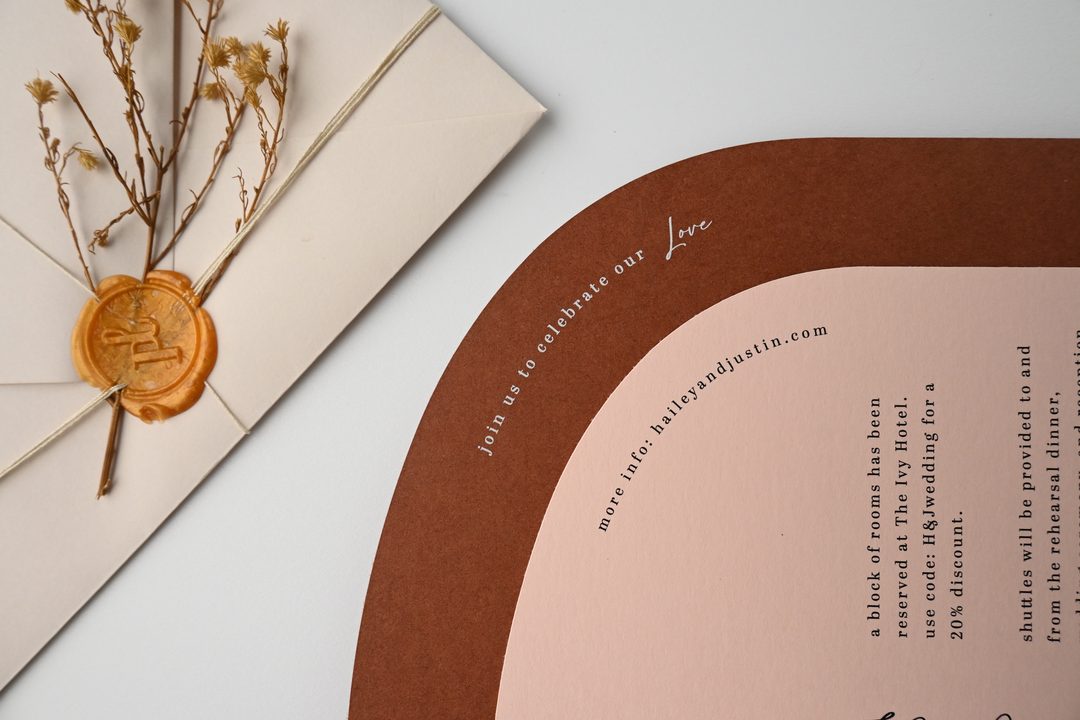
Fresh from ceremony styling to the last centerpiece, greenery weddings have moved well past trend status in 2026. The palette roots every detail in the natural world without sacrificing elegance, making it one of the most versatile wedding aesthetics available right now. Whether you are drawn to a minimal green and white pairing or a lush botanical scene layered with gold and blush, this guide walks through every decision point.
- Core color: Eucalyptus green / sage / fern (see hex codes below)
- Best complementary pairings: white + gold, blush + ivory, terracotta + rust, dusty rose
- Key botanicals: eucalyptus, garden ferns, olive branches, ivy, maidenhair fern
- Invitation styles that land: letterpress on cotton, foil stamp with botanical motifs, watercolor digital print
- Season fit: works year-round; spring and fall are peak; summer heat needs shade planning
- Venue sweet spots: barns, winery estates, garden conservatories, outdoor pavilions
Why Greenery Works as a Wedding Theme
Green is the new neutral. That phrase has been circulating in wedding design for a few years, and in 2026 it has fully arrived. Unlike accent colors that need a base to lean on, eucalyptus and sage green read as complete on their own. They photograph beautifully in every light condition, they pair without friction alongside warm metals and soft florals, and they carry a quality that feels contemporary rather than dated.
From a practical standpoint, greenery is also one of the most cost-efficient elements you can bring into a wedding. Eucalyptus stems run $3 to $5 each at wholesale and offer significant volume per stem compared to blooms. A full garland that would cost $400 in roses can often be reproduced in greenery alone at under $150. The budget benefit compounds across table runners, ceremony arches, and cocktail hour installations.
The botanical aesthetic also travels well across seasons. A eucalyptus-forward spring wedding reads airy and romantic. The same palette in fall gets warm amber candle light and dried pampas additions without any design contradiction. That flexibility is rare among wedding themes.

The Core Palette: Hex Codes for Every Greenery Shade
Not all greens read the same in print or on screen. If you are working with a designer or building a mood board, these hex values will keep your palette consistent across invitations, signage, and digital assets.
| Shade Name | Hex Code | Best Used For |
|---|---|---|
| Eucalyptus | #5F7A61 | Primary tone, invitation backgrounds, table linen |
| Sage | #8FAE8B | Bridesmaid dresses, napkins, envelope liners |
| Fern | #4A6741 | Accent botanicals, letterpress ink, wax seals |
| Olive | #7B8C4A | Dried botanicals, ribbon, envelope color |
| Mint / Pale Green | #C5D8C0 | Watercolor wash, vellum overlay tint, subtle accents |
For invitations, eucalyptus (#5F7A61) as a foil or ink color on cream cotton stock is the most consistently impressive combination. Sage (#8FAE8B) works best as a background wash in watercolor digital designs.
Complementary Color Combinations
Greenery + White
The cleanest expression of the theme. White florals (garden roses, ranunculus, sweet peas) against eucalyptus greenery read as timeless rather than trendy. For invitations, white ink on a deep fern-green card stock makes a bold, modern statement, while a crisp white card with sage watercolor botanical illustration feels light and romantic.
- Palette hex: #5F7A61 + #FFFFFF + #F5F0EB (warm white)
- Works best at: garden venues, conservatories, all-white tented receptions
Greenery + Gold
Gold elevates the palette into luxury territory. The key is choosing warm champagne gold rather than bright yellow gold, which can read garish against green. Flat foil in pale gold on a matte white card with botanical letterpress elements is one of the most visually striking invitation combinations in this palette.
- Palette hex: #5F7A61 + #C9A96E + #F5F0EB
- Works best at: winery estates, ballrooms, candlelit barn receptions
Greenery + Blush
The most popular combination in 2026 for good reason. Blush softens the palette, adding a romantic warmth that keeps the greenery from reading too masculine or minimal. Dusty rose and eucalyptus with ivory are a specific sub-combination that photographs especially well in natural light.
- Palette hex: #5F7A61 + #D4A5A5 + #F9EDE7
- Works best at: spring garden weddings, vineyard receptions, outdoor pavilions
Greenery + Terracotta
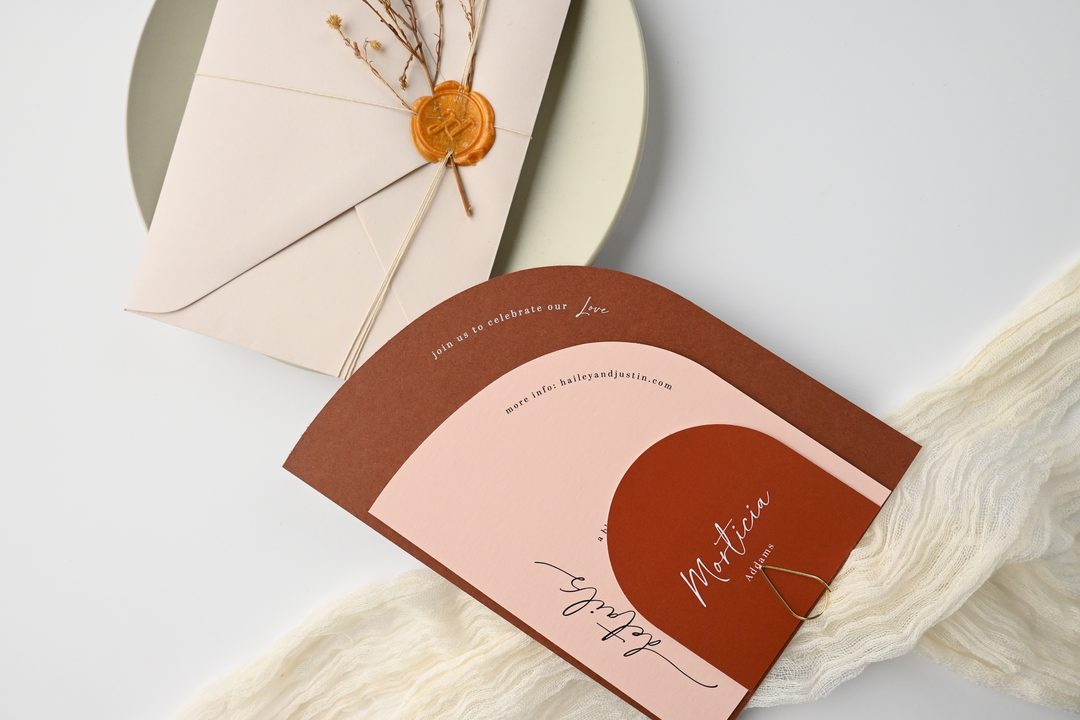
The earthier pairing for couples who want warmth without blush’s softness. Terracotta and eucalyptus work because both colors pull from the natural world without competing. Dried botanicals, pampas grass, and warm linen textures support this combination well.
- Palette hex: #5F7A61 + #C1715A + #E8D5C0
- Works best at: fall weddings, desert or Mediterranean venue styles, boho outdoor settings
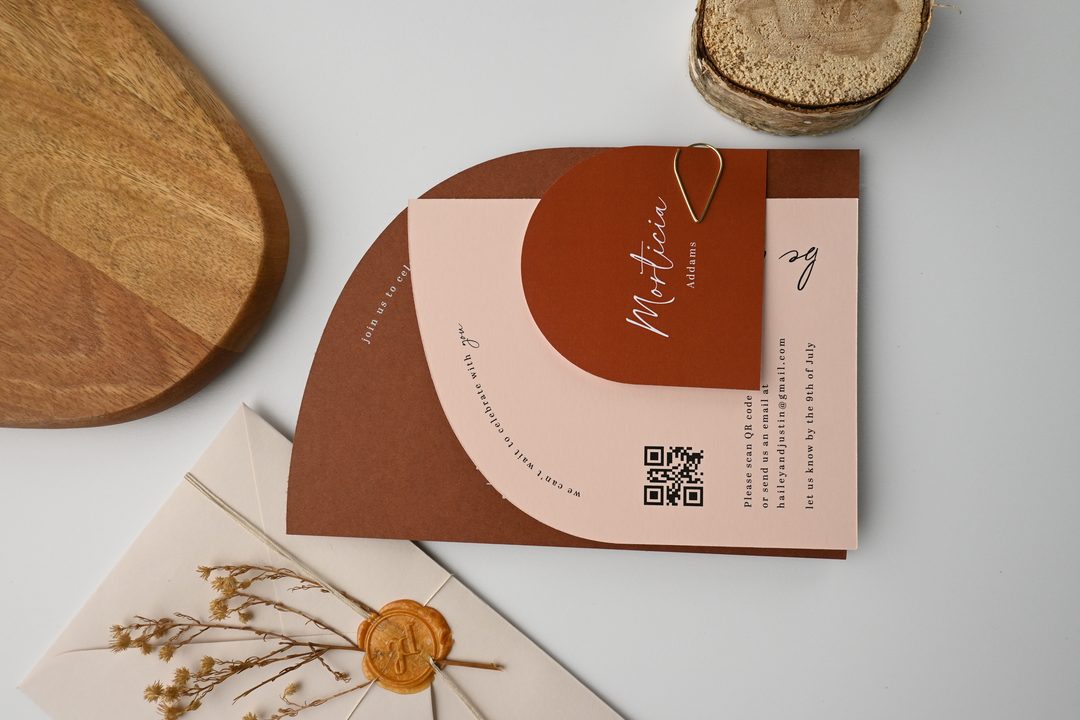
Botanical Wedding Invitations: Styles That Fit the Theme
Your invitations set the tone before any guest arrives. For a greenery wedding, every print method and paper stock offers something worth considering.
Letterpress on cotton paper is the top recommendation for a greenery theme. The tactile impression of pressed eucalyptus illustration into 600gsm Wild Cotton creates a physical quality that feels native to the botanical aesthetic. A single-color letterpress in fern green on natural cotton reads as heritage and handcrafted.
Flat foil stamping in gold or pale gold adds luminosity without leaving the organic palette. A cream card with a gold botanical border and sage ink guest details is a combination that works equally well for formal and semi-formal greenery weddings.
Watercolor digital print is the most accessible price point and suits couples who want a painted, painterly illustration feel. Eucalyptus branch illustrations in sage and fern with hand-lettered script are widely available in digital format and allow the most design flexibility.
White ink on green stock is the bolder choice. Printing in white ink on a deep eucalyptus-colored card creates high contrast and a design that photographs beautifully at envelope-open moments.
Browse Paperlust’s full range of wedding invitations to find botanical, garden, and greenery-themed designs across all print methods, with more than 500 exclusive styles available.
Prices start from $2.04 per card for digital print. Every order includes a designer proof within 1 to 2 business days, two rounds of edits at no extra cost, and free DHL express shipping on orders over $350 USD.
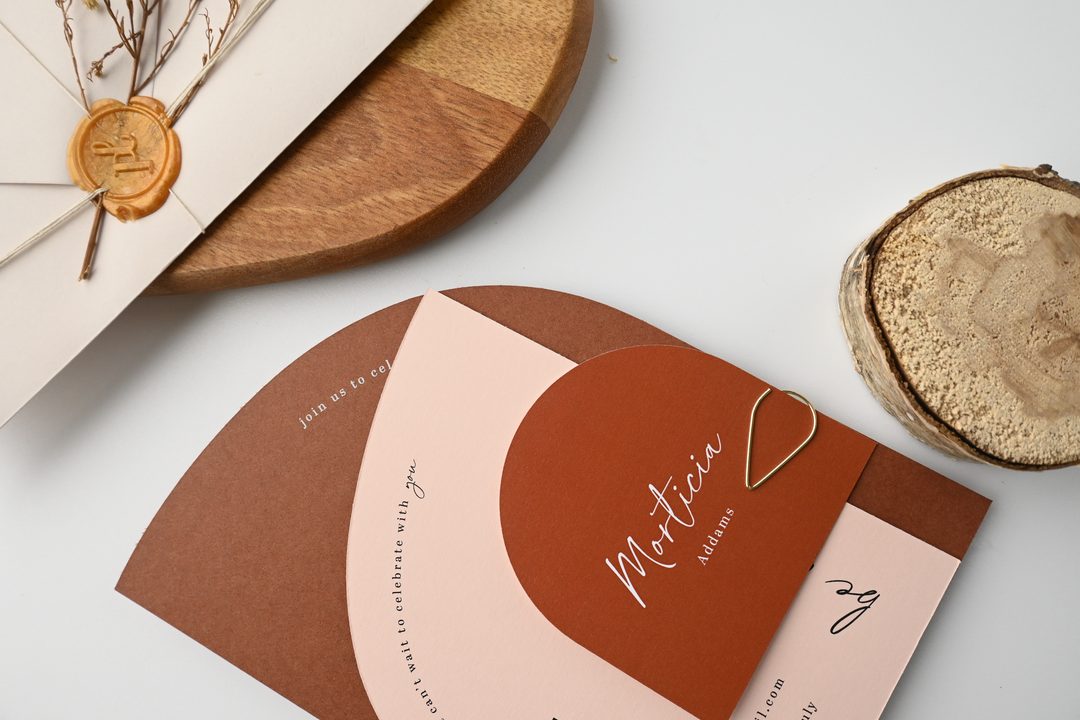
Decor and Florals: Building a Botanical Scene
Eucalyptus
The workhorse of greenery weddings. Silver dollar eucalyptus (round leaves) is the variety most associated with wedding styling and the easiest to source. Seeded eucalyptus adds texture and a subtle berry element. Baby blue eucalyptus works for more delicate, cascading arrangements.
Eucalyptus dries without losing structural integrity, which makes it ideal for arch frames, garlands, and table runners. Many couples choose to let the eucalyptus dry in situ throughout the day, embracing a slight color shift from bright green to silver-gray as part of the natural aesthetic.
Ferns
Maidenhair fern is the accent choice for arrangements that need delicacy and movement. Boston ferns and sword ferns add volume and work well in ceremony arch installations. Ferns do not hold as long as eucalyptus in heat, so summer outdoor weddings need careful timing and storage.
Olive Branches
Olive branches offer a Mediterranean slant on the botanical palette. The narrow gray-green leaves photograph differently to eucalyptus, adding visual variety in mixed arrangements. They pair especially well with the terracotta and greenery combination.
Ivy and Trailing Vines
Long trailing ivy adds depth to tablescapes and is particularly effective on long banquet tables. English ivy draping from a suspended installation or over the edges of a wooden ceremony arch creates the most immersive botanical scene.
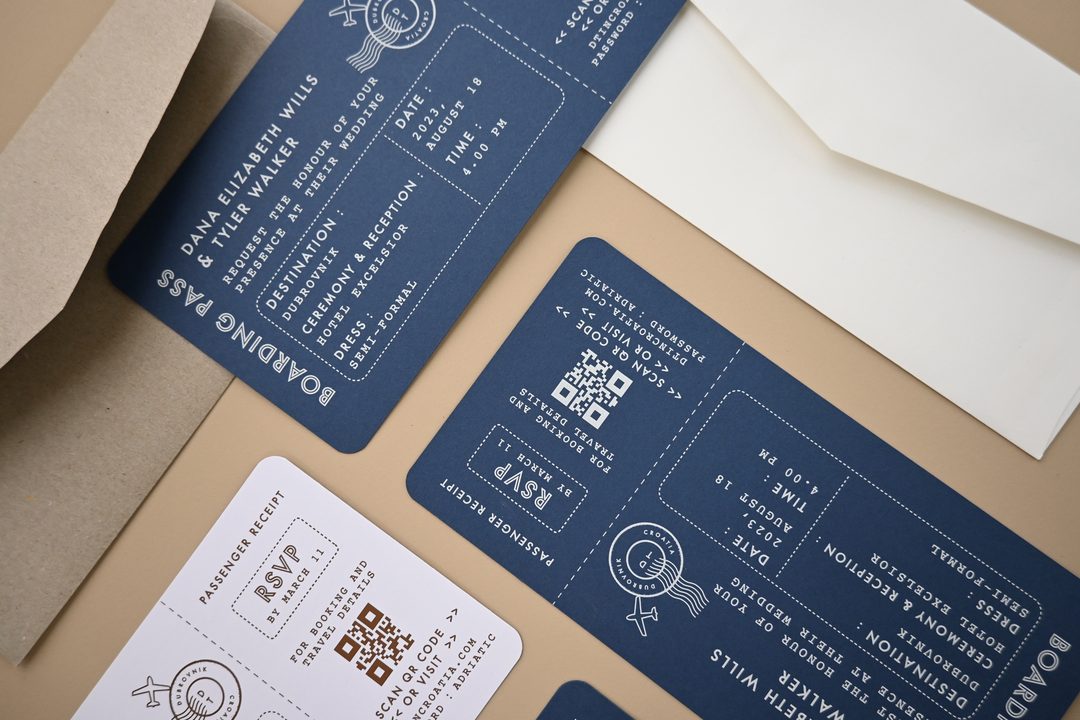
Table Styling and Reception Details
Linens and Tableware
For a greenery wedding, the table is where the palette gets its most sustained reading. Sage linen tablecloths or natural linen with eucalyptus runners form the base. Matte gold or brushed brass cutlery keeps the warmth without competing with the greenery. White ceramic plates with a simple gold rim are the most versatile option.
Stationery at the Table
Menus, place cards, and seating charts all carry the botanical palette into the guest experience. A simple white place card with sage ink and a small eucalyptus sprig tucked underneath is a classic execution. Seating charts in a fern-green color scheme with white lettering, displayed on fabric or printed PVC board, are a high-impact element that scales well to larger guest counts.
Browse Paperlust’s save the date cards to extend the botanical aesthetic to the earliest stationery touchpoint, setting guest expectations from the moment the invitation suite arrives.
Candles and Lighting
Taper candles in cream or beeswax are the canonical choice for greenery weddings. Pillar candles in terracotta or sage glass votives work well for the earthier palette combinations. Avoid bright white LED lighting, which strips warmth; warm Edison globe stringing or candlelight keeps the botanical mood intact.
Favors
Potted succulents or herb plants (rosemary, thyme, mint) as favor items support the botanical theme and double as table decor. Seed packets in custom printed kraft envelopes are a cost-effective, sustainability-conscious alternative that extends the botanical idea beyond the event itself.
Attire and Details
Bridal Party
Sage, eucalyptus, and dusty green bridesmaids’ dresses are the obvious choice. Mismatched green-family dresses (sage + fern + olive) are a popular approach in 2026, where each bridesmaid chooses a different green-family shade in a consistent fabric. This creates cohesion without uniformity and photographs naturally against botanical ceremony settings.
For the bride, botanical-inspired veils with delicate embroidered eucalyptus or fern motifs are available from specialist makers. Dried eucalyptus and olive branch hair accessories are a lower-cost alternative with the same effect.
Groom and Wedding Party
Sage ties or pocket squares in a green-family color are the simplest way to pull the palette through to the wedding party. Sage or eucalyptus boutonnieres (eucalyptus sprig with a small white bloom) are widely used and well-suited to the theme.
Real-Example Styling Ideas by Season
Spring greenery wedding: White garden roses, maidenhair fern, and eucalyptus ceremony arch. Watercolor digital invitations in sage with blush illustration. Sage linen tablecloths with white ranunculus clusters and gold taper candles.
Summer greenery wedding: Bold fern and eucalyptus arch with no florals for a purely botanical look. White ink invitations on deep fern-green cotton card stock. Natural linen tables with suspended eucalyptus cloud installation above the head table.
Fall greenery wedding: Eucalyptus, dried pampas, and olive branch garlands with amber and terracotta accents. Letterpress invitations in warm fern green on natural cotton paper. Terracotta-toned candles and brass cutlery for table styling.
Winter greenery wedding: Silver dollar eucalyptus with white garden roses and mercury glass votives. Foil-stamped invitations with pale gold botanical border on cream cotton. Deep green velvet ribbons and white pillar candles.
Not sure which print method suits your design? Order Paperlust’s $5 sample pack to feel the difference between digital, letterpress, flat foil, and foil stamp before you commit.
Frequently Asked Questions
What is a greenery wedding theme?
A greenery wedding theme centers the visual aesthetic on lush botanical elements, particularly eucalyptus, ferns, olive branches, and ivy. Green becomes the dominant palette color rather than simply an accent, and the design language pulls from the natural world: pressed flowers, watercolor botanicals, organic textures, and soft metallic accents.
What colors go with greenery for a wedding?
The four most popular complementary pairings are greenery with white, greenery with gold, greenery with blush, and greenery with terracotta. White gives the cleanest and most timeless pairing. Gold adds luxury. Blush adds romance. Terracotta adds earthiness and warmth. Each combination suits different venue types and seasons.
What flowers work best for a greenery wedding?
Eucalyptus (silver dollar and seeded varieties), maidenhair fern, olive branches, English ivy, and garden ferns are the most widely used. Floral accents that pair well include white garden roses, white ranunculus, white sweet peas, and blush peonies. Dried pampas grass and dried wheat are strong choices for fall greenery weddings.
What kind of invitations suit a greenery wedding theme?
Letterpress on cotton paper with botanical illustrations, flat foil stamped botanical borders in gold, and watercolor digital print in sage or eucalyptus are the three strongest invitation approaches. White ink on green stock is a bolder option. The invitation should introduce the palette to guests, so botanical motifs and consistent green-family colors are the most effective design strategy.
How much does a greenery wedding cost compared to a traditional floral wedding?
Greenery-forward styling is generally less expensive than floral-heavy designs. Eucalyptus runs $3 to $5 per stem at wholesale, versus $4 to $15+ for individual blooms depending on variety and season. A greenery-forward arch or garland can reduce floral costs by 40 to 60 percent compared to a full floral equivalent. However, large-scale installations still carry labor and design costs that offset some of the raw material savings.
Can a greenery wedding work indoors?
Yes. Greenery works exceptionally well indoors. Suspended eucalyptus cloud installations, potted botanical arrangements, and garland-draped ceremony arches bring the outdoor palette inside without requiring a garden venue. Candlelight amplifies the warm gold notes in the palette and suits the botanical aesthetic particularly well in an indoor setting.