
- Rustic weddings in 2026 center on natural wood, wildflowers, and warm candlelight in barn, farm, or vineyard settings.
- The dominant 2026 shift is elevated rustic – raw natural materials paired with refined details like letterpress stationery and curated lighting.
- Farm-to-table catering, naked cakes, and grazing boards are the standard rustic food format.
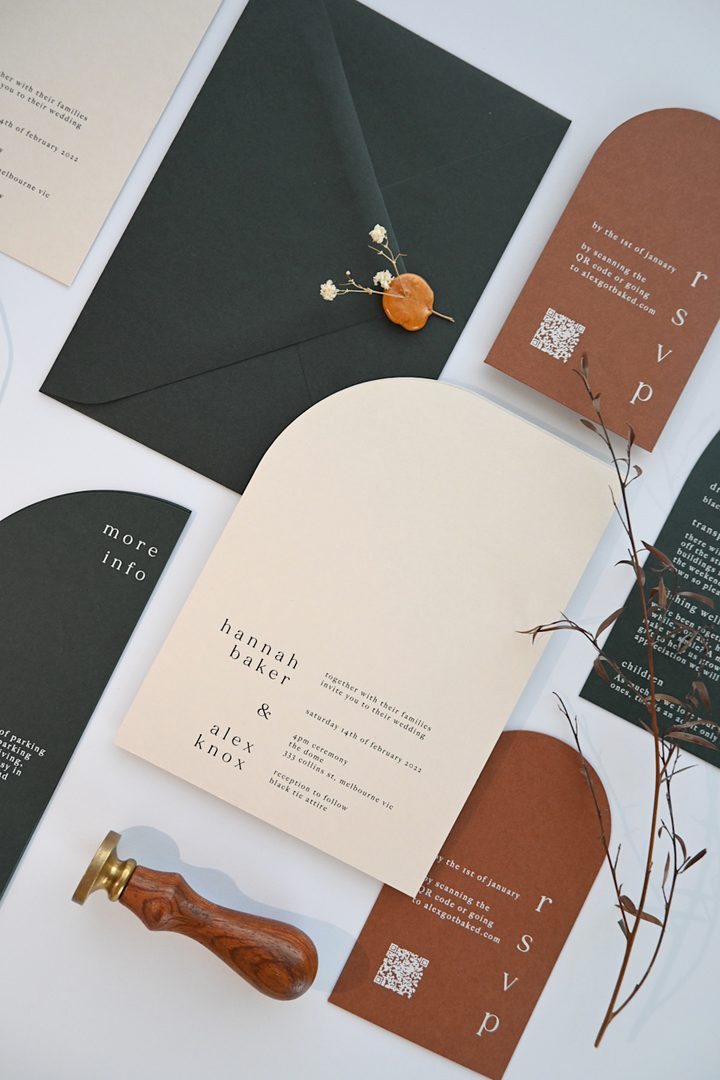
- Rustic stationery favors kraft paper, twine details, wood-grain textures, and earthy ink tones.
- Average rustic barn wedding budget: $18,000-$35,000 depending on guest count and region.
There is something deeply appealing about a wedding that feels rooted in the land – where the setting does most of the decorating and the details feel gathered rather than purchased. Rustic weddings tap into that feeling, and in 2026 the style has matured well beyond mason jars and burlap. Today’s rustic wedding is more likely to feature hand-thrown ceramics, curated heirloom props, and letterpress stationery on tactile cotton paper than anything you’d find at a craft store. This guide covers every idea you need to plan a beautiful, modern rustic wedding.

What Defines a Rustic Wedding in 2026?
Rustic is one of the most enduring wedding aesthetics, and for good reason: it translates well across seasons, regions, and budgets. At its core, a rustic wedding features:
- Natural, unfinished materials: raw wood, weathered metal, aged brick, hand-thrown pottery
- Warm, earthy tones: barn red, harvest gold, warm white, sage, dusty terracotta
- An organic venue: working farm, barn, vineyard, woodland clearing, or orchard
- DIY and handcrafted elements: hand-painted signs, locally sourced florals, homemade favors
- Relaxed, community-focused energy: long farm tables, family-style dining, outdoor ceremonies
The 2026 evolution is “elevated rustic” – couples keeping the warmth and authenticity of the style while adding refined layers: linen napkins instead of paper, letterpress menus instead of printed cards, artisan ceramics instead of mason jars. The result feels simultaneously casual and considered.
Rustic Wedding Color Palettes
| Palette | Core Colors | Best Season | Stationery Pairing |
|---|---|---|---|
| Harvest Gold | Mustard, burnt orange, warm cream, brown | Fall | Kraft + gold foil |
| Barn White | Warm white, sage, natural wood, soft blush | Spring/Summer | Cotton letterpress, botanical print |
| Moody Vineyard | Burgundy, forest green, dusty mauve, pewter | Fall/Winter | White ink on dark stock, metallic foil |
| Summer Farm | Sunflower yellow, lavender, light blue, ivory | Summer | Wildflower watercolor digital print |
| Earthy Neutral | Warm grey, stone, oat, copper | Any season | Matte cotton, minimal foil accent |
Rustic Wedding Venues
Venue choice is the single biggest decision in a rustic wedding – it sets every other parameter, from the color palette to the florals to the catering format. Here are the main venue types and what distinguishes each:
Working Farms and Barns
The original rustic wedding venue and still the most popular. Look for properties with a restored barn (for shelter), open fields (for the ceremony), and some original farm infrastructure (silos, fences, water troughs) that serve as natural photo backdrops. Book well in advance – quality farm venues in popular markets like the Hudson Valley, Willamette Valley, and Hill Country fill 12-18 months out.
Vineyards and Orchards
Wine country venues offer a more polished rustic – barrel rooms, cave tasting rooms, and harvest-era equipment create immediate atmosphere. Vineyard weddings also benefit from in-house catering and wine selection. Peak season booking (August-October for wine country) can be extremely competitive.
Woodland and Forest Clearings
State forests and private woodland properties offer the most organic rustic backdrop. Check permit requirements carefully; many state parks require special event permits booked 6-12 months in advance. A marquee or tent may be required for weather protection.
Historic Homesteads
Restored pioneer properties, heritage farms, and antique-filled estate homes add a layer of history to the rustic aesthetic. Many are available through the Airbnb Experiences platform or local historical societies.
Rustic Wedding Decor Ideas
Tables and Centerpieces
- Long farm tables: Replace round banquet tables with long wooden farm tables. They encourage conversation, photograph beautifully, and feel communal.
- Wooden slices and crates: Use cross-sections of logs as centerpiece bases; weathered wooden crates as risers for florals and candles.
- Mason jars: Still valid when used intentionally – cluster 5-7 jars of varying heights with single wildflower stems or tea light candles.
- Wildflower cascades: Loose, low floral arrangements in earthy tones (sunflower, lavender, cosmos, ranunculus) look effortless and appropriate.
- Herb bundles: Fresh rosemary, thyme, and lavender tied with natural twine make inexpensive, fragrant table runners.
Ceremony Setup
- Arbor or arch made from raw branches, birch poles, or repurposed barn wood
- Hay bale seating wrapped in burlap or linen for outdoor ceremonies
- Aisle lined with wildflower petals, pine cones, or loose lanterns
- Hand-painted wooden ceremony signs (“Seats are for all, our family begins here”)
Lighting
- String lights draped across barn ceilings or overhead between tree branches
- Pillar candles and tea lights on every surface – the warmth is unmatched
- Lanterns lining pathways and entrance areas
- Fire pit for late evening atmosphere (if venue permits)
Rustic Wedding Flowers
Rustic florals should look gathered and generous, not structured and arranged. These blooms are the workhorses of rustic weddings:
- Sunflowers: The iconic rustic bloom – warm, bold, and available in a range of sizes
- Lavender: Fragrant, beautiful in bundles, and equally effective fresh or dried
- Baby’s breath: Having a major revival as a standalone bloom in large cloud-like arrangements
- Wheat and oat stems: Textural fillers that photograph like a harvest painting
- Cosmos: Delicate, colorful, and wildflower-esque
- Garden roses: Peach, apricot, and cream tones work well in rustic arrangements
- Greenery: Eucalyptus, fern, and olive branches to fill and frame
Rustic Wedding Invitations and Stationery
A rustic invitation suite sets the tone before guests arrive at the venue. The key is choosing materials and print methods that reinforce the natural, handcrafted aesthetic:
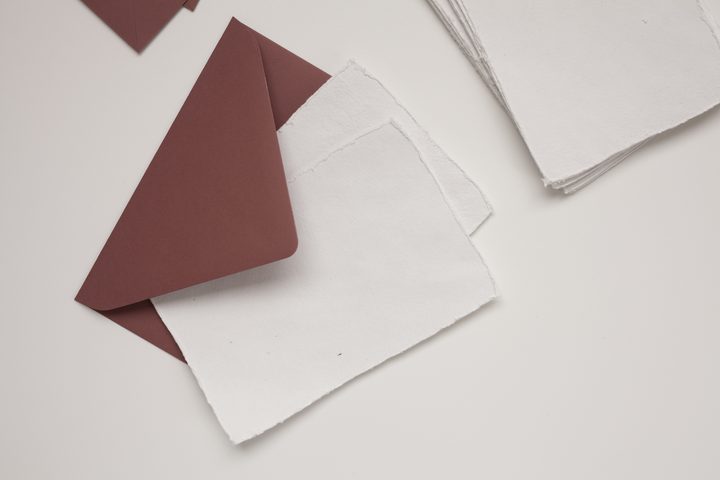
- Top paper stocks: Kraft (earthy, immediate rustic feel), Wild Cotton (premium tactile letterpress), natural Matte
- Best print methods: Letterpress on cotton for premium; digital print on kraft for budget; flat foil in gold or copper for metallic accents
- Design elements to request: Wildflower illustrations, woodgrain textures, hand-lettered script, twine or ribbon tie
- Color palette for ink: Deep brown, forest green, barn red, warm black on cream or kraft
- Timeline: Designer proof in 1-2 business days; order 8-10 weeks before mailing date
Browse Paperlust’s rustic wedding invitations for designs featuring botanical illustrations, wood-grain textures, and earthy typography. For a complete suite, the wedding invitations collection includes matching menus, programs, and place cards in rustic design families.
Rustic Wedding Attire
For the Couple
- Bride: Flowing chiffon or lace in ivory, cream, or warm white. Lace sleeves, open backs, or floral embroidery work beautifully. A flower crown or loosely pinned updo with flower accents suits the setting.
- Partner: Linen or light wool suits in navy, grey, or earthy tan. A vest with rolled-up sleeves works for warm-weather barn weddings. Suspenders, boots, and a boutonniere made from wildflowers complete the look.
Wedding Party
Mismatched bridesmaid dresses in varying shades of the same color (all sage, all dusty rose, all warm brown) photograph beautifully at rustic venues and give a relaxed, individual feel. Groomsmen in matching linen pants with varied shirt choices follow the same logic. Avoid synthetic fabrics – they read as out of place against natural backdrops.
Rustic Wedding Food and Cake
Catering Options
- Family-style farm dinner: Large platters passed around long tables create community and eliminate formal service awkwardness. Think roasted chicken, slow-braised beef, roasted vegetables, crusty bread, and seasonal salads.
- BBQ and grill stations: Smoked brisket, pulled pork, and grilled corn are perfectly in-context at a farm venue. Add a mac and cheese bar for maximum appeal.
- Grazing tables: Work well as cocktail hour food or a late-night snack station.
- Food trucks: A curated food truck parked near the barn adds personality and handles catering logistics efficiently.
Wedding Cake
The rustic wedding cake in 2026 is the naked cake or the semi-naked cake – minimal frosting, visible layers, and a topper made from seasonal flowers, herbs, or a small wooden initial. Drip cakes with caramel or berry compote drizzle work equally well. Avoid tiered fondant cakes – they look out of place at a barn wedding.
Signature Drinks
- Lemonade or sweet tea dispensers as a non-alcoholic welcome drink
- Signature cocktails named after the farm or region (“The Harvest Mule,” “The Orchard Spritz”)
- Local craft beer and regional wine selection
- Hot apple cider or mulled wine station for fall and winter weddings
Rustic Wedding Planning Timeline
| Timeframe Before Wedding | Key Tasks |
|---|---|
| 12-18 months | Book farm/barn venue, photographer, and caterer |
| 10-12 months | Book florist, confirm rental items (farm tables, chairs, tent if needed) |
| 8-10 months | Order save the dates; begin stationery design |
| 6 months | Send invitations; confirm attire; book officiant |
| 3 months | Order menus, programs, place cards, and signage |
| 1-2 months | Finalize DIY decor, coordinate setup/breakdown logistics with venue |
Complete Your Rustic Stationery Suite
- Wedding programs – printed on kraft or cotton and tucked into hay bale seating or rolled with twine
- Wedding menus – placed at each setting on the farm table, matching your invitation design
- Place cards – hand-lettered letterpress names on cotton cards, propped against wildflower stems
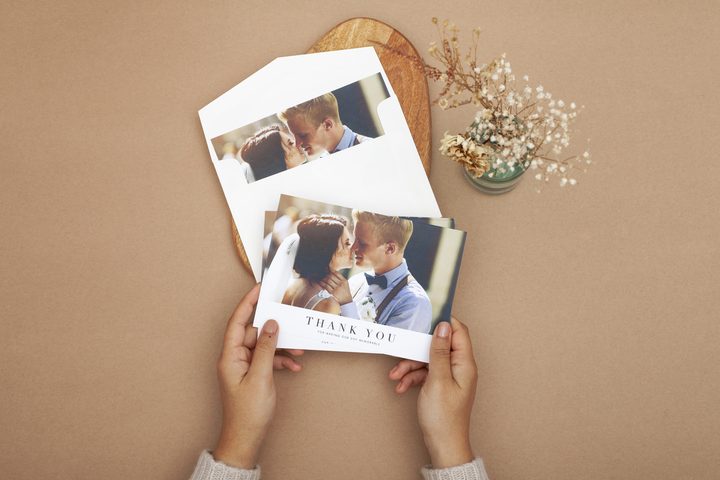
- Wedding thank you cards – kraft paper or cotton cards to send after the celebration
Frequently Asked Questions: Rustic Wedding Ideas
What is a rustic wedding style?
A rustic wedding style emphasizes natural, unfinished materials – raw wood, stone, aged metal, wildflowers – in organic outdoor or barn settings. It prioritizes warmth, authenticity, and a connection to the natural landscape over formal or polished aesthetics.
What are the best venues for a rustic wedding?
Working farms and barns are the most popular rustic venues. Vineyards, orchards, woodland clearings, and historic homesteads also work well. The venue should have natural character – exposed beams, open land, or mature trees – that serves as built-in decor.
What flowers work best for rustic weddings?
Sunflowers, lavender, baby’s breath, garden roses in peach and cream, wheat stems, cosmos, and eucalyptus are the most common rustic wedding flowers. Arrangements should look loose and gathered rather than structured and formal.
What should I wear to a rustic barn wedding?
For guests: sundresses, linen suits, and light summer dresses work for warm-weather barn weddings. Wedge heels or block heels are more practical than stilettos on uneven ground. For the couple: flowing lace or chiffon gowns and linen or light wool suits suit the setting well.
What paper is best for rustic wedding invitations?
Kraft paper creates the most immediate rustic aesthetic for digital or flat foil invitations. Wild Cotton letterpress paper elevates the look significantly – its texture resembles fabric and feels handcrafted. Both are available through Paperlust’s wedding stationery range.
How do I make a rustic wedding look elevated rather than DIY-cheap?
The key is restraint and quality in a few focal points. Invest in professional letterpress or foil stationery, quality linen table linens, and curated florals from a professional florist. Let the venue do the heavy lifting with atmosphere. Avoid over-decorating – rustic elegance comes from editing, not accumulating.
How much does a rustic wedding cost?
A rustic wedding typically costs $18,000-$35,000 for 50-100 guests, with significant variation based on region and venue. Farm venues often charge $3,000-$8,000 for the space. DIY decor elements can significantly reduce costs; professional florals and catering are typically the largest line items.
What season is best for a rustic wedding?
Fall is the peak season for rustic weddings – harvest colors, cooler temperatures, and golden light all align perfectly. Late spring and early summer also work well. Winter barn weddings with fireplace warmth and candlelight can be stunning. Midsummer outdoor ceremonies can be uncomfortably warm depending on region.
Can I have a rustic wedding without a barn?
Absolutely. Rustic is a design aesthetic more than a venue requirement. A woodland clearing, orchard, vineyard cave, or even a backyard can become a rustic wedding setting with the right decor choices. The key elements are natural materials, warm lighting, and an organic, unforced atmosphere.
This guide was produced by the Paperlust content team, drawing on hundreds of rustic wedding stationery commissions and direct conversations with couples planning barn, farm, and vineyard celebrations across the US. Paperlust has been printing wedding stationery from its Melbourne studio since 2014, with 500+ exclusive designs and a 100% happiness guarantee on every order.